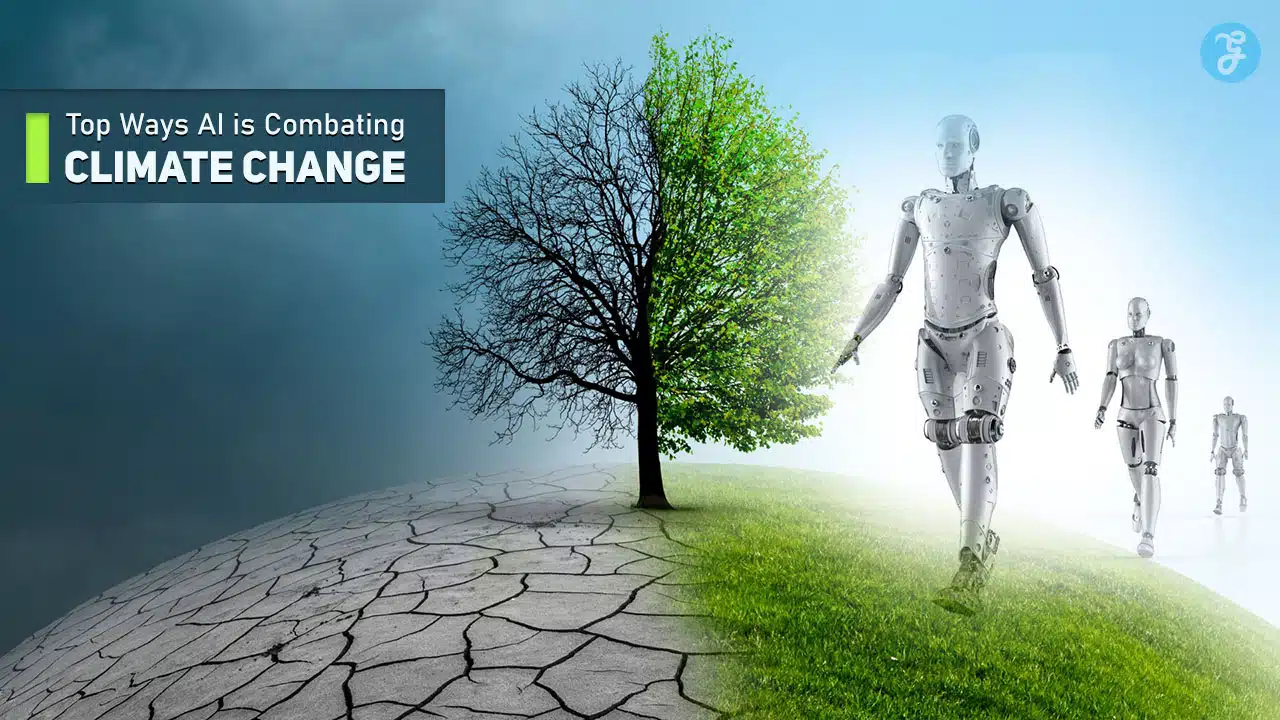
Climate change is one of the most pressing challenges of our time, and finding effective solutions to mitigate its impacts is crucial for the future of our planet.
One of the most powerful tools emerging in this fight is artificial intelligence (AI).
AI’s ability to process vast amounts of data, recognize patterns, and make predictions is revolutionizing how we address climate change, from reducing greenhouse gas emissions to developing sustainable energy solutions.
In this detailed guide, we’ll explore 12 ways AI is combating climate change, showcasing how technology is helping to preserve the environment and create a sustainable future.
1. Optimizing Energy Use in Buildings
Buildings account for nearly 40% of global energy consumption, making energy efficiency in this sector critical for combating climate change.
AI is being used to create smart buildings that optimize energy use by controlling heating, cooling, lighting, and appliances in real time.
AI can analyze patterns in energy consumption, weather forecasts, and occupancy data to reduce waste and lower energy bills.
How AI is Reducing Energy Consumption in Buildings
- Smart Thermostats: Devices like Nest Learning Thermostat use AI to learn occupants’ behaviors and adjust temperatures accordingly, reducing unnecessary heating or cooling.
- Energy Management Systems: AI-powered systems can monitor and manage energy use across entire buildings or campuses, predicting and preventing energy waste.
- Real-Time Data Analysis: AI algorithms analyze data from sensors in lighting and HVAC systems, making adjustments to reduce energy usage when spaces are unoccupied.
Benefits for the Environment
- Lower Carbon Footprint: By optimizing energy use, smart buildings reduce their greenhouse gas emissions, contributing to global efforts to cut carbon output.
- Cost Savings: AI-driven energy efficiency not only benefits the environment but also leads to significant cost savings for businesses and homeowners.
2. Enhancing Renewable Energy Integration
AI is playing a crucial role in the expansion and efficiency of renewable energy sources like solar and wind power.
These energy sources are intermittent, meaning they don’t produce consistent output, depending on weather conditions.
AI can help optimize their integration into the grid by forecasting energy generation, balancing supply and demand, and improving storage solutions.
AI in Renewable Energy Systems
- Predictive Analytics: AI can predict weather patterns and energy production from solar panels and wind turbines, allowing grid operators to make more informed decisions.
- Energy Storage Management: AI optimizes the use of energy storage systems by predicting when energy demand will peak and ensuring that stored renewable energy is used most efficiently.
- Dynamic Energy Distribution: AI helps manage and distribute renewable energy across the grid, ensuring it goes where it’s needed most, minimizing energy loss.
Impact on Climate Change
- Increased Renewable Energy Adoption: AI is accelerating the adoption of renewable energy by making it more reliable and efficient.
- Reduced Reliance on Fossil Fuels: As AI improves renewable energy systems, it helps reduce dependence on fossil fuels, lowering carbon emissions.
3. Reducing Emissions in Agriculture
Agriculture is a significant contributor to climate change, accounting for around 24% of global greenhouse gas emissions.
AI is helping transform traditional farming practices into more sustainable ones through precision agriculture, which uses AI to monitor crops, optimize irrigation, reduce pesticide use, and increase yields with fewer resources.
AI Applications in Agriculture
- Smart Irrigation Systems: AI-powered systems analyze soil moisture, weather forecasts, and crop water needs to optimize irrigation, reducing water waste and energy use.
- Drones and Sensors: AI-driven drones and sensors monitor crop health and detect issues like pests or disease early, allowing farmers to intervene more effectively.
- AI-Powered Robots: Autonomous robots equipped with AI can weed fields or harvest crops more efficiently, reducing the need for harmful chemical pesticides and fertilizers.
Climate Benefits
- Reduced Resource Consumption: By optimizing water and fertilizer use, AI helps reduce the environmental impact of farming while maintaining or increasing crop yields.
- Lower Emissions: AI-driven precision farming reduces emissions from tractors, irrigation pumps, and other farming equipment by using resources more efficiently.
4. Predicting and Mitigating Natural Disasters
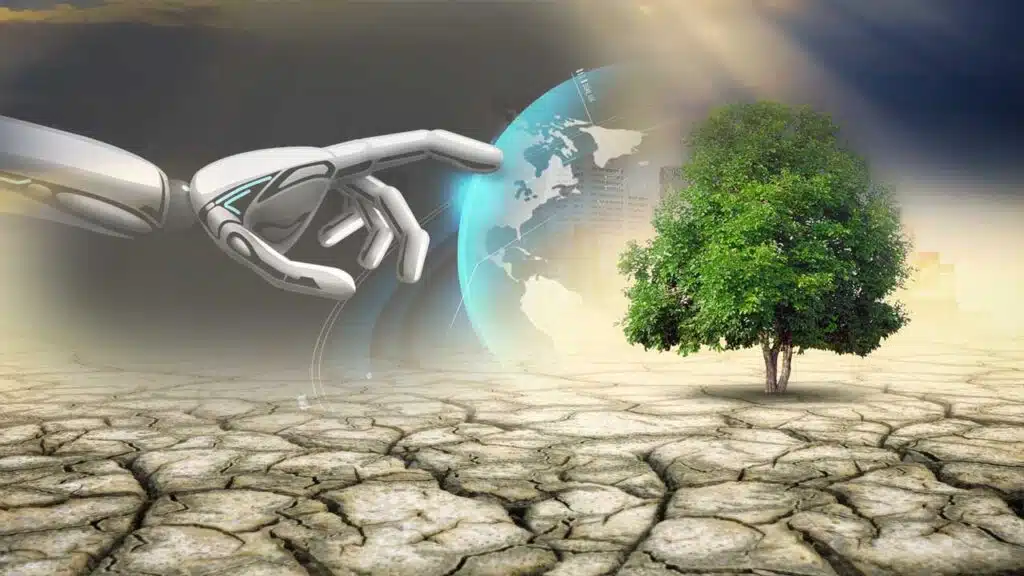
Climate change is increasing the frequency and severity of natural disasters, including floods, hurricanes, and wildfires.
AI is being used to improve disaster prediction and response by analyzing large datasets from satellites, sensors, and historical data to provide early warnings and risk assessments.
AI-Powered Natural Disaster Prediction
- Flood Prediction: AI models can predict flooding events by analyzing rainfall data, river levels, and topographical features, allowing authorities to take preventative action.
- Wildfire Detection: AI-powered systems use satellite imagery and climate data to detect wildfires early, enabling quicker response times and minimizing damage.
- Hurricane Forecasting: Machine learning algorithms analyze atmospheric conditions and historical hurricane data to predict the path and intensity of hurricanes with greater accuracy.
Environmental and Societal Benefits
- Faster Response Times: Early warnings allow governments and communities to prepare for natural disasters, reducing loss of life and property damage.
- Mitigating Climate Change Impact: Predicting and preparing for disasters helps mitigate the environmental and economic impact of climate-related events.
5. Optimizing Transportation Networks
Transportation is one of the largest sources of carbon emissions globally, particularly in urban areas.
AI is helping make transportation more efficient and environmentally friendly by optimizing routes, reducing traffic congestion, and supporting the development of electric and autonomous vehicles.
AI Applications in Transportation
- Smart Traffic Management: AI-driven traffic management systems can reduce congestion by optimizing traffic light patterns and rerouting vehicles to less congested roads.
- Route Optimization: AI helps logistics companies and public transportation networks optimize routes, reducing fuel consumption and emissions.
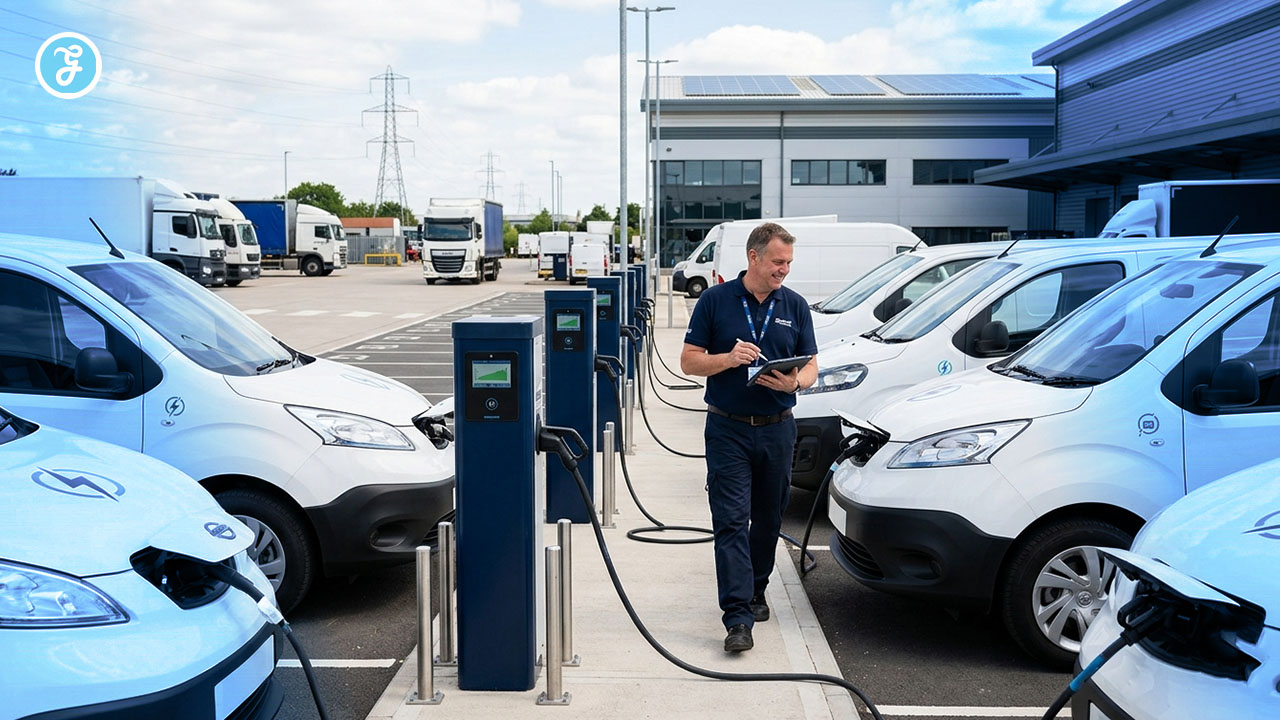
- Electric Vehicle (EV) Management: AI optimizes the charging and deployment of electric vehicles, ensuring they are used in the most efficient way possible.
Environmental Impact
- Lower Emissions: AI helps reduce carbon emissions by improving fuel efficiency, cutting down on unnecessary idling, and promoting the use of electric vehicles.
- Cleaner Cities: By reducing traffic congestion and encouraging the use of public transportation, AI helps create cleaner, more sustainable urban environments.
6. Enhancing Climate Modeling and Research
Climate models are critical for understanding the future impacts of climate change, but traditional models can be limited in their ability to process massive amounts of data quickly.
AI is enhancing climate modeling by speeding up data analysis and improving the accuracy of predictions.
AI’s Role in Climate Modeling
- Data Processing: AI can process enormous datasets from satellites, weather stations, and climate sensors faster and more accurately than traditional methods.
- Improving Climate Predictions: Machine learning algorithms refine climate models by identifying patterns and relationships between variables that human scientists may overlook.
- Scenario Analysis: AI helps climate scientists run multiple simulations and scenarios to predict the potential impacts of climate change under different conditions.
Benefits for Climate Action
- More Accurate Forecasts: AI improves the accuracy of long-term climate forecasts, helping policymakers and governments make informed decisions about climate action.
- Better Resource Allocation: With more reliable data, resources can be directed to areas where they will have the greatest impact in combating climate change.
7. AI-Powered Carbon Capture and Sequestration
Carbon capture and sequestration (CCS) is a technology designed to capture carbon dioxide emissions from power plants and other industrial sources and store it underground or use it for other purposes.
AI is being used to enhance the efficiency and scalability of carbon capture technologies, making them more effective in reducing atmospheric CO2 levels.
AI Applications in Carbon Capture
- Process Optimization: AI helps optimize the carbon capture process, ensuring that CO2 is captured more efficiently and with less energy consumption.
- Monitoring and Maintenance: AI-powered systems monitor carbon storage sites to ensure the long-term stability and safety of the captured CO2.
- Material Discovery: AI is aiding in the discovery of new materials that can capture CO2 more effectively, accelerating the development of next-generation CCS technologies.
Climate Change Mitigation
- Lower Atmospheric CO2: AI-enhanced carbon capture technologies are critical for reducing the concentration of greenhouse gases in the atmosphere, helping to slow global warming.
- Supporting Net Zero Goals: By making CCS more viable, AI is helping industries move toward net-zero emissions, a key goal in global climate agreements.
8. Supporting Reforestation and Forest Management
Forests play a crucial role in absorbing carbon dioxide and maintaining biodiversity, but deforestation continues to be a major issue.
AI is being used to support reforestation efforts by monitoring forest health, tracking illegal logging, and even planting trees autonomously.
AI-Driven Forest Management
- Satellite Monitoring: AI analyzes satellite images to detect deforestation and illegal logging in real time, helping authorities take action more quickly.
- Drone Reforestation: AI-powered drones are being used to plant trees in deforested areas, significantly speeding up reforestation efforts.
- Forest Health Monitoring: AI analyzes data from sensors and drones to assess the health of forests, identifying areas that need intervention to prevent disease or fire.
Environmental Impact
- Increased Carbon Sequestration: By supporting reforestation, AI helps increase the amount of carbon absorbed by forests, contributing to efforts to mitigate climate change.
- Preserving Biodiversity: AI-driven forest management helps protect ecosystems and the biodiversity that depends on healthy forests.
9. Reducing Waste Through Smart Manufacturing
Manufacturing is responsible for a significant portion of global waste and emissions.
AI is helping reduce waste in manufacturing by optimizing production processes, minimizing resource use, and identifying inefficiencies.
AI Applications in Manufacturing
- Predictive Maintenance: AI can predict when machinery is likely to fail, allowing manufacturers to perform maintenance before breakdowns occur, reducing downtime and waste.
- Supply Chain Optimization: AI optimizes supply chains by predicting demand and ensuring that the right amount of materials is used, reducing excess waste.
- Energy Efficiency: AI-powered systems monitor energy usage in factories and suggest adjustments to minimize waste and improve efficiency.
Benefits for Climate Change
- Lower Emissions: By reducing waste and improving efficiency, AI helps manufacturers cut down on carbon emissions.
- Sustainable Production: AI supports more sustainable manufacturing practices by ensuring that resources are used more efficiently and with less waste.
10. AI-Driven Environmental Monitoring
AI is being used to monitor environmental changes in real time, providing critical data for climate action.
Whether tracking air quality, monitoring ocean temperatures, or analyzing biodiversity, AI helps scientists and policymakers stay informed about the state of the planet.
Applications in Environmental Monitoring
- air quality Monitoring: AI analyzes air quality data from sensors to detect pollution patterns and predict future air quality levels.
- Ocean Monitoring: AI-powered sensors track changes in ocean temperature, acidity, and sea levels, providing vital data on the health of marine ecosystems.
- Biodiversity Tracking: AI is used to monitor wildlife populations and ecosystems, helping conservationists protect endangered species and preserve biodiversity.
Climate Action Benefits
- Informed Decision-Making: Real-time environmental monitoring helps governments and organizations make informed decisions about climate policies and conservation efforts.
- Early Detection: AI’s ability to detect environmental changes early enables quicker responses to emerging climate threats.
11. AI in Climate Policy and Advocacy

AI is not just helping with scientific research and technology development—it’s also playing a role in shaping climate policy.
By analyzing data and modeling the potential impacts of different policies, AI helps governments and organizations develop more effective climate strategies.
AI’s Role in Climate Advocacy
- Policy Modeling: AI helps model the effects of various climate policies, providing insights into which strategies will have the greatest impact on reducing emissions.
- Public Engagement: AI-driven tools are being used to engage the public on climate issues, providing personalized recommendations for reducing individual carbon footprints.
- Data-Driven Advocacy: Climate organizations use AI to analyze data and advocate for stronger climate action based on scientific evidence.
Benefits for Global Climate Goals
- More Effective Policies: AI ensures that climate policies are based on data and evidence, increasing their effectiveness.
- Increased Awareness: AI-powered tools help raise awareness about climate change and encourage individuals and organizations to take action.
12. AI for Climate Education and Awareness
AI is playing a key role in educating the public about climate change.
From interactive apps to virtual assistants that provide real-time environmental data, AI is helping people understand the impact of their actions on the planet and how they can contribute to a more sustainable future.
AI Tools for Climate Education
- Virtual Climate Assistants: AI-powered virtual assistants, like Google Assistant or Alexa, can provide users with real-time information on their carbon footprint and suggest ways to reduce it.
- Educational Apps: AI-driven apps are designed to teach users about climate change, environmental conservation, and sustainability in an interactive and engaging way.
- Interactive Simulations: AI-powered climate simulations allow users to see the potential future impacts of climate change under different scenarios, helping raise awareness and drive action.
Promoting Climate Action
- Increased Engagement: AI-driven educational tools engage people in the fight against climate change, making it easier for individuals to understand their role in environmental preservation.
- Empowered Citizens: By providing accessible and actionable information, AI helps empower citizens to make informed decisions that contribute to climate solutions.
Conclusion: AI’s Vital Role in Combating Climate Change
AI is proving to be a powerful ally in the fight against climate change, offering innovative solutions to some of the world’s most pressing environmental challenges.
From optimizing energy use to improving disaster prediction, AI is helping reduce emissions, increase efficiency, and create a more sustainable future.
By investing in AI-driven technologies and strategies, we can take meaningful steps toward addressing the climate crisis and protecting the planet for future generations.