Listen to the Podcast:
According to two sources with knowledge of the process, one of the most widely used artificial sweeteners will be declared a possible carcinogen by a prominent global health organization next month, pitting it against the food industry and regulators.
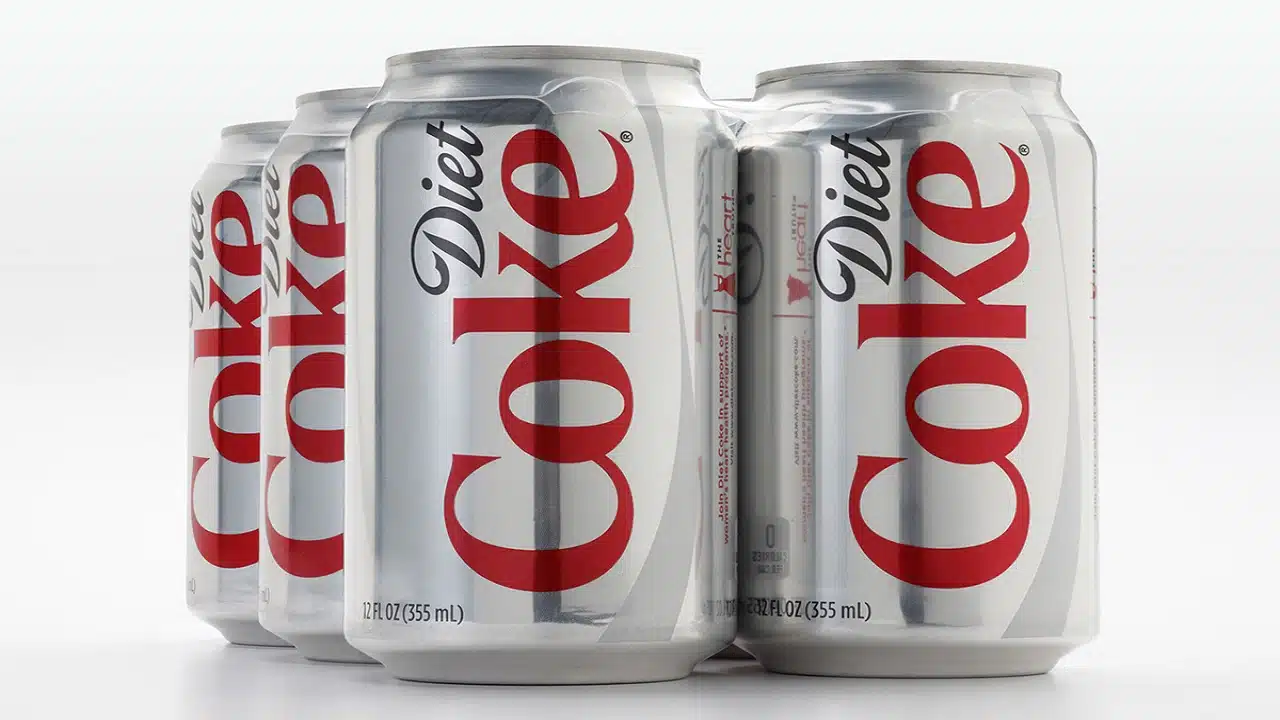
Aspartame, which is used in products ranging from Coca-Cola diet sodas to Mars’ Extra chewing gum and some Snapple drinks, will be listed as “possibly carcinogenic to humans” for the first time in July by the World Health Organization’s (WHO) cancer research arm, the International Agency for Research on Cancer (IARC).
“The IARC ruling, which was finalized earlier this month following a meeting of the group’s external experts, is meant to determine whether something poses a potential hazard or not, based on all the published evidence.
It does not consider how much of a product a person can consume securely. This guidance for individuals is provided by a separate WHO expert committee on food additives known as JECFA (Joint WHO and Food and Agriculture Organization’s Expert Committee on Food Additives), as well as by national regulators.
Past IARC rulings on various substances have generated consumer concerns, and legal actions, and prompted manufacturers to reformulate recipes and seek alternatives. This has led to criticism that the IARC’s assessments can cause confusion among the public.
JECFA, the WHO committee on additives, is currently evaluating the use of aspartame this year. Their meeting started in late June, and they are scheduled to announce their findings on July 14, coinciding with the IARC’s public decision.
JECFA has stated that aspartame is safe to ingest within approved daily limits since 1981. To be in danger, an adult weighing 60 kg (132 pounds) would need to consume between 12 and 36 cans of Diet Coke per day, depending on the amount of aspartame in the beverage. National regulators, including those in the United States and Europe, have widely agreed with it.
An IARC spokeswoman stated that the findings of the IARC and JECFA committees were both confidential until July, but that they were “complementary,” with the IARC decision marking “the first fundamental step to understanding carcinogenicity.” The additives committee “conducts risk assessment, which determines the probability of a specific type of harm (e.g., cancer) to occur under certain conditions and levels of exposure.”
According to letters viewed by Reuters from US and Japanese officials, businesses and regulators are concerned that holding both processes simultaneously will be perplexing.
Nozomi Tomita, an official from Japan’s Ministry of Health, Labour, and Welfare, wrote to WHO’s deputy director general, Zsuzsa Jakab, in a letter dated March 27: “We kindly request that both organizations coordinate their efforts in reviewing aspartame to avoid any confusion or public concern.”
The letter, which was reviewed by Reuters, also requested that the findings of both bodies be disclosed on the same day, as is currently the case. The Japanese delegation in Geneva, where the WHO is headquartered, did not respond to a request for comment.
Debate
The IARC’s decisions can have a significant influence. Its committee found that glyphosate is “probably carcinogenic” in 2015. Companies were still experiencing the effects of the ruling years later, even while other agencies such as the European Food Safety Authority (EFSA) challenged it. In 2021, Bayer lost its third appeal against U.S. court decisions awarding damages to consumers who blamed their tumors on the use of its glyphosate-based weedkillers.
The IARC’s decisions have also been criticized for creating unnecessary concern over difficult-to-avoid drugs or situations. It previously classified working overnight and eating red meat as “probably cancer-causing,” and using mobile phones as “possibly cancer-causing,” similar to aspartame.
“IARC is not a food safety body, and their aspartame review is not scientifically comprehensive and is heavily based on widely discredited research,” said Frances Hunt-Wood, secretary general of the International Sweeteners Association (ISA).
The group, which includes Mars Wrigley, a Coca-Cola subsidiary, and Cargill, stated that it had “serious concerns with the IARC review, which may mislead consumers.”
For many years, aspartame has been widely researched. An observational study of 100,000 adults in France last year found that people who drank more artificial sweeteners, including aspartame, had a slightly greater cancer risk.
It came after a study from the Ramazzini Institute in Italy in the early 2000s found that aspartame was connected to some malignancies in mice and rats.
However, the first study was unable to prove that aspartame was responsible for the increased cancer risk, and concerns have been raised about the methodology of the second study, including by EFSA, which assessed it.
Aspartame is approved for use worldwide by regulators who have studied all relevant evidence, and major food and beverage manufacturers have defended their use of the chemical for decades. In its June evaluation, the IARC stated that had evaluated 1,300 studies.
Recent recipe changes by soft drinks behemoth Pepsico highlight the industry’s effort to balance flavor desires with health concerns. Pepsico eliminated aspartame from sodas in 2015, only to reinstate it a year later before removing it again in 2020.
According to individuals close to the IARC, listing aspartame as a potential carcinogen is meant to inspire greater research, which will enable agencies, consumers, and manufacturers to reach firmer judgments.
However, it is likely to rekindle controversy about the IARC’s role, as well as the safety of sweeteners in general.
The WHO issued guidelines this month encouraging people not to use non-sugar sweeteners for weight loss. The rules sparked a firestorm in the food sector, which claims they can help customers limit the amount of sugar in their diet.