Listen to the Podcast:
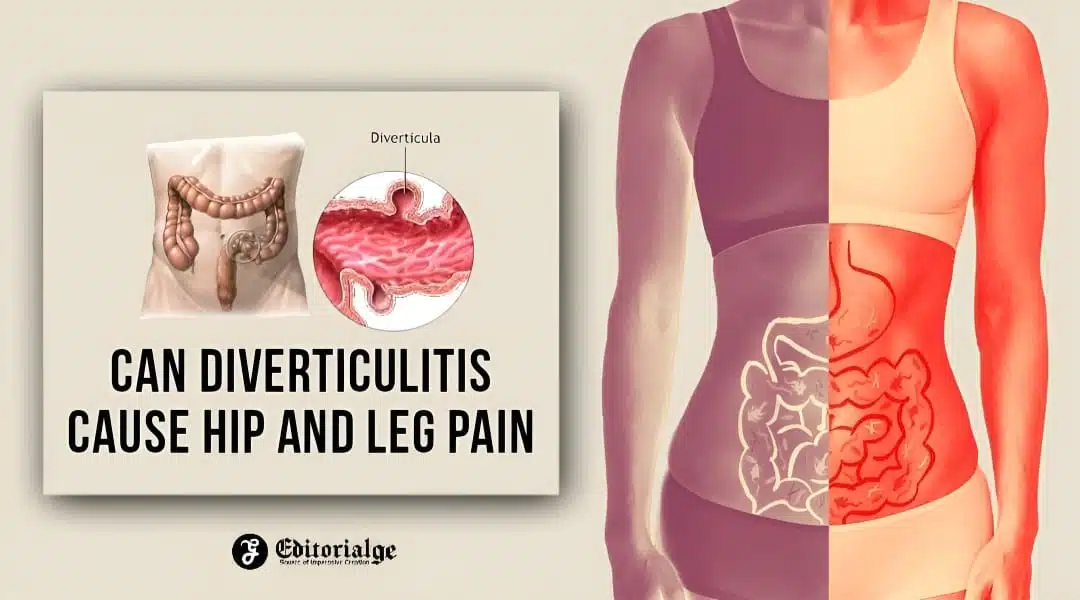
Diverticulitis is a gastrointestinal condition characterized by inflammation of the diverticula, which are protruding sacs that develop in the weakened regions of the colon’s mucosal lining. Can diverticulitis cause hip and leg pain? This article will answer in detail.
Individuals with diverticulitis may present with symptoms such as nausea and low to moderate-grade fever, occasionally escalating to high-grade fever. The predominant clinical manifestation of diverticulitis is abdominal pain and discomfort, which may present as sharp and radiating.
Diverticulitis typically presents with left-sided abdominal pain that may radiate to the lower back, groin, legs, or lateral thighs. Is it possible for diverticulitis to result in pain in the hip and leg region?
Rest assured that this blog primarily addresses the topic of diverticulitis and its main concerns.
What is Diverticulitis?
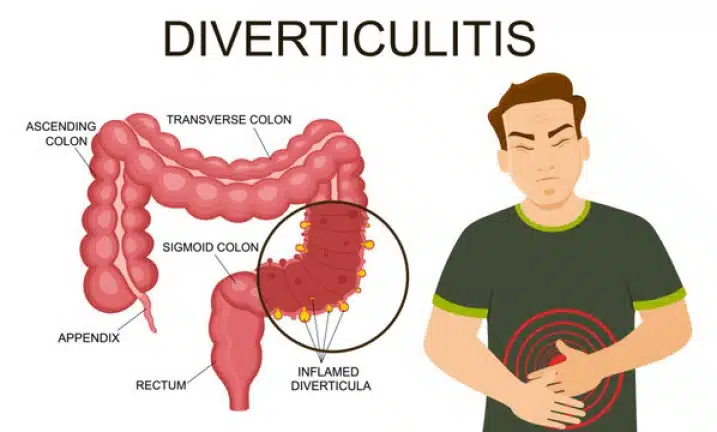
Diverticulitis refers to the inflammatory condition affecting the diverticula present in the colon’s wall. Diverticula are sac-like protrusions that develop as a result of elevated pressure within the colon, often caused by constipation. The development of these pockets is clinically referred to as diverticulosis.
Diverticulitis refers to the presence of inflamed or infected outpouchings in the lining of the colon. This is a gastrointestinal tract infection that is highly infectious and causes significant pain. It has been observed to be increasing in prevalence in Western countries.
Major Complexities of Diverticulitis
Here, we will point out the facts for some major complexities of diverticulitis alongside the answer “Can diverticulitis cause hip and leg pain”.
Can Diverticulitis Cause Hip and Leg Pain?
Before addressing the query, “Can diverticulitis cause hip and leg pain?” it is imperative to have a comprehensive understanding of its potential complications.
Research suggests that a significant proportion of individuals diagnosed with diverticulosis may develop diverticulitis, with estimates ranging from 10-25%. Among those affected by diverticulitis, approximately 10% may experience complications, which can include the following:
- An abscess refers to the accumulation of pus in the diverticula.
- Perforations refer to small tears in the walls of the bowel that can result in the leakage of bowel contents into the abdominal cavity.
- Intestinal blockages can lead to severe constipation that may require surgical intervention for effective management.
- Fistula is a medical condition characterized by an anomalous connection between the colon and the small intestine, bladder, or vagina.
- Peritonitis is a medical condition characterized by infection and inflammation of the abdominal cavity due to perforations.
However, these complications have the potential to exacerbate the pain experienced by the patients. Continue reading to understand the correlation between diverticulitis and discomfort in the back, hip, and leg regions.
Can Diverticulitis Cause Hip Pain?

Diverticulitis is a medical condition that can result in gastrointestinal issues. The cause of this condition is attributed to an infection in the colon.
Although uncommon, diverticulitis can result in significant hip discomfort. Generally, diverticulitis is a condition that causes inflammation and infection in the colon, which can lead to abdominal pain and discomfort. However, it is not typically associated with hip pain. It is important to seek medical attention if you are experiencing any concerning symptoms.
Any intestinal issues can have a direct impact on bowel movements. The condition results in the contraction of the iliopsoas muscle in the lumbar and hip area, providing significant support for hip flexion and femur external rotation.
The patient reports experiencing lower back and groin discomfort, which is associated with left hip pain and bowel function. Patients may experience a sharp pain that radiates from the left abdominal region to the left hip, which can be quite distressing.
Can Diverticulitis Cause Back Pain?

Diverticulitis can cause acute and persistent pain in the lower lumbar region, which can be intense and debilitating. Diverticulitis is a condition that can cause discomfort and fatigue. Patients may experience back pain as a symptom, but the exact reason for this is not yet fully understood.
Intestinal blockages are a potential complication of diverticulitis that may result in significant constipation. Back pain can be a potential consequence, which may also be attributed to other underlying conditions such as orthopedic issues or kidney stones.
Can Diverticulitis Cause Leg Pain?
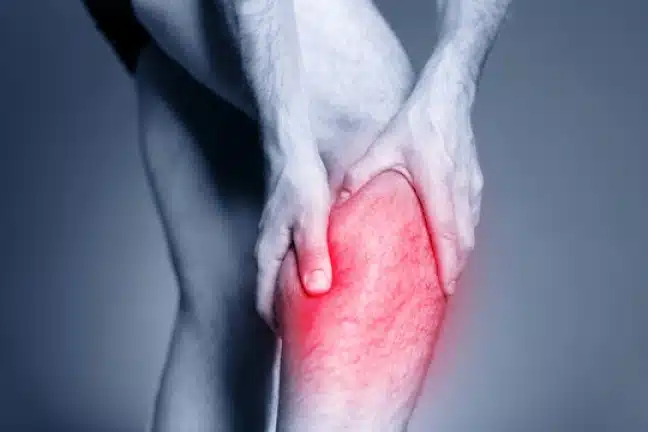
There is a close association between diverticulitis and leg numbness as a result of the radiation of abdominal pain to the lower extremities. Typically, the individual may experience pain that originates in the abdominal region and subsequently spreads to the back, groin, and lower extremities.
Individuals with diverticular fistulas, a potential complication of diverticulitis, may develop cauda equina syndrome. Cauda equina syndrome is a condition that occurs when the nerve rootlets located at the end of the spine become compressed.
It is important to note that the initial manifestation of cauda equina syndrome is typically characterized by lower extremity numbness resulting from compression of the cauda equina. This can lead to symptoms such as sciatic leg pain or hip sepsis.
The following information addresses the question of whether diverticulitis can cause concurrent hip and leg pain.
Can Diverticulitis Cause Groin and Hip Pain?
Diverticulitis can result in groin and hip pain in certain instances. Inflammation or infection of the diverticula in the colon can result in pain that may spread to adjacent regions, such as the groin and hip. This phenomenon is a result of the colon’s proximity to the pelvic area, which can lead to inflammation affecting the nerves and muscles in that region.
It is crucial to consider that groin and hip pain may stem from several other conditions that are not related to diverticulitis, including muscle strains, hip joint arthritis, hernias, or nerve compression. It is imperative to seek consultation with a healthcare provider if you are encountering pain in the groin or hip region. This will aid in obtaining an accurate diagnosis and devising a suitable treatment regimen.
Can Diverticulitis Cause Sciatic Pain?
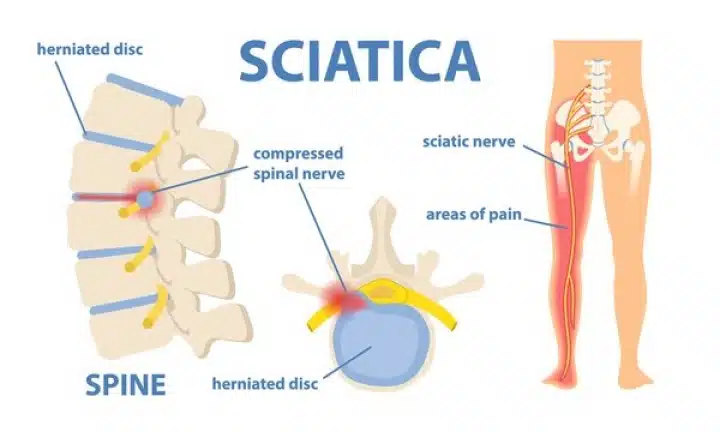
Sciatic pain is an uncommon symptom of diverticulitis. Sciatica is a neuropathic pain that usually arises due to the compression or irritation of the sciatic nerve. The sciatic nerve originates from the lower back, passes through the buttocks, and extends down the posterior aspect of the legs. Sciatic pain is typically caused by lumbar disc herniation, spinal stenosis, or piriformis syndrome.
Although uncommon, diverticulitis-related inflammation or infection can result in lower back pain that resembles sciatica. This condition may occur due to the proximity of inflamed diverticula to nerves that are connected to the sciatic nerve or the development of a diverticular abscess that exerts pressure on adjacent nerves.
Suppose a patient presents with symptoms of sciatica or lower back and leg pain. In that case, it is imperative to conduct a thorough evaluation to determine an accurate diagnosis and develop an appropriate treatment plan. Referral to a healthcare professional may be necessary for further assessment and management. As healthcare professionals, we can assess whether your pain is associated with diverticulitis or any other underlying medical condition.
Can Bowel Blockage Cause Leg Pain
A bowel obstruction, commonly called a bowel blockage, is characterized by symptoms such as abdominal pain, bloating, nausea, and vomiting. Although uncommon, leg pain may be a potential symptom associated with this condition. Several possible factors may be contributing to the presence of leg pain.
Referred pain is a phenomenon where the pain is perceived in a location other than its actual origin due to the intricate neural pathways within the abdominal and pelvic regions. In certain instances, individuals may experience leg pain as a result of a bowel obstruction.
Compression of nerves may occur due to bowel obstruction resulting in abdominal swelling and pressure. This can potentially affect the nerves that are connected to the lower extremities. The increased pressure may result in the manifestation of pain or discomfort in the lower extremities.
Prolonged abdominal pain, discomfort, or bloating caused by a bowel obstruction can result in muscle strain or cramping in the legs. This is particularly common when the affected individual assumes an unusual position to alleviate abdominal pain.
Although leg pain may be linked to a bowel obstruction, it is not a common indication. If a patient presents with leg pain and suspects a potential correlation with bowel issues, it is imperative to conduct a thorough assessment and provide an accurate diagnosis and treatment plan. Therefore, seeking consultation with a healthcare professional is highly recommended.
Can Bladder Problems Be Caused by Diverticulitis?

Diverticulitis primarily affects the colon, but it can in some instances indirectly lead to bladder issues. These issues may arise as a result of complications or the colon’s proximity to the bladder. Diverticulitis can be related to bladder issues in the following ways:
Inflammation: In severe cases of diverticulitis, colonic inflammation can spread to nearby organs, including the bladder. This may result in irritation, pain, and urinary symptoms such as increased urgency, frequency, or urinary pain.
Fistula formation: One potential complication of diverticulitis is the formation of a fistula, which is an abnormal connection between the colon and another organ, such as the bladder. Although rare, this condition can be quite serious. The formation of a colovesical fistula between the colon and bladder may result in recurrent urinary tract infections, heightened urgency or frequency of urination, and the discharge of gas or fecal matter during urination.
Adhesions: Adhesions or scar tissue may form between the colon and other organs, such as the bladder, when diverticulitis is present. Adhesions in the bladder can prevent the organ from moving and emptying normally, which can cause urinary problems.
Bladder issues are not a direct or common symptom of diverticulitis, so don’t worry too much about being misdiagnosed. You should see a doctor if you have bladder problems and suspect diverticulitis because only they can evaluate, diagnose, and treat the condition properly.
Can Diverticulitis Cause Buttock Pain?
Pain in the buttocks may be a referred symptom of diverticulitis, although abdominal pain is the most common symptom. Because of the way nerves transmit pain signals, it is possible for pain in one area of the body to be felt in another. Although buttock pain is not typically associated with diverticulitis, it can occur.
The sigmoid colon, located in the lower left abdomen, is the most common site of diverticulitis pain. However, if the inflammation is severe or complications have set in, the pain may spread to other areas, such as the lower back, the hips, or the buttocks.
Possible reasons for buttock pain related to diverticulitis include:
Inflammation: Pain in the buttocks may be felt by someone suffering from the severe inflammation of the colon.
Abscess formation: Abscesses, which are collections of pus caused by infections, can develop as a result of diverticulitis. Buttock pain can be caused by an abscess if it forms close to the colon and presses on the nerves that carry pain signals to the buttocks.
Nerve compression: Referred pain to the buttocks can occur if the inflamed tissue, swollen abscess, or other factors associated with diverticulitis compress nearby nerves responsible for delivering pain signals.
It’s important to get checked out by a doctor if you have buttock pain and think it might be diverticulitis or if you’re experiencing any of the other symptoms associated with the condition.
Can Diverticulitis Pain Last for Months?
It is uncommon for diverticulitis pain to persist for an extended period. In the majority of cases, timely and adequate intervention can lead to the resolution of pain and inflammation related to diverticulitis within a span of a few days to a couple of weeks.
The standard treatment for this condition typically involves administering antibiotics to combat the infection, managing pain through the use of non-prescription pain relievers, and making dietary adjustments to promote healing and minimize the risk of aggravating the colon. In certain cases, patients may experience prolonged or recurrent episodes of pain associated with diverticulitis. Adequate sleep is necessary.
To know how to sleep when you suffered from diverticulitis, read our guide on diverticulitis sleeping position.
- Chronic diverticulitis is a medical condition where the inflammation and associated symptoms of diverticulitis persist or recur frequently despite treatment. This condition has the potential to result in persistent pain and discomfort that may endure for several months.
- If the initial infection or inflammation was not effectively treated, it may result in persistent or recurrent pain. Based on the current condition, additional intervention may be necessary, such as an alternative antibiotic regimen or a more intensive treatment approach such as surgical intervention.
- In the event of complications stemming from diverticulitis, such as abscesses, fistulas, or bowel obstruction, the patient may experience prolonged pain until the underlying complications are effectively managed.
- In cases where the pain persists for an extended period, it is plausible that the initial diagnosis may have been inaccurate. It is essential to consider the possibility of an alternative underlying gastrointestinal condition as the cause of the persistent pain.
It is imperative to seek medical advice from a healthcare provider if you are suffering from persistent or recurring pain associated with diverticulitis. This will aid in identifying the underlying cause and devising a suitable management strategy.
FAQs
Below we have answered some commonly asked questions on diverticulitis and the complexities of diverticulitis.
How do I know if my pain is diverticulitis?
Diverticular disease’s main symptom is intermittent stomach pain, usually on the left side. The pain often worsens after eating. Stools and flatulence may relieve pain.
What is the new treatment for diverticulitis?
Probiotics and mesalazine together have also been suggested as a possible way to treat diverticulitis and stop it from coming back. At a median follow-up of 2 years, one study showed that treatment with mesalazine and/or lactobacillus casei led to remission in 88% of their patients.
Is there a permanent cure for diverticulitis?
Surgery is the only treatment for diverticulitis. When complications (such as an obstruction, punctured colon wall, or severe abscess) arise from diverticulitis, surgery may be necessary. Uncomplicated diverticulitis flares up frequently.
Can diverticulitis cause urinary infection?
In severe cases of diverticulitis, a fistula can form between the bowel and the vesica. Patients frequently report symptoms like dysuria, abdominal pain, and dysmetria in addition to the more common pneumaturia and fecaluria.
Can diverticulitis cause painful walking?
While diverticulitis most often results in discomfort or pain while walking, it can also directly result in abdominal pain. This can happen because walking can aggravate preexisting inflammation and pain in the abdomen.
Final Words
Diverticulitis is an inflammatory disorder that affects the gastrointestinal tract. Diverticulosis is a condition that occurs when there is increased pressure on weakened areas of the colon, resulting in the formation of bulging pouches within the large intestine.
It is important to note that diets high in fat and low in fiber may be a significant contributing factor to the development of diverticulitis.
The prevailing symptom of this debilitating infection is left abdominal pain, which is frequently accompanied by fever, nausea, constipation, or occasional diarrhea. Abdominal pain typically presents with radiation and may extend to the lower extremities.
Indeed, diverticulitis can cause hip and leg pain, which can be quite bothersome.
It is recommended to implement dietary modifications, bowel rest, and a consistent exercise regimen to alleviate the discomfort associated with this condition. It is recommended to advise your healthcare provider if your pain or symptoms worsen.
Disclaimer: This content is for informational purposes only and does not replace professional medical advice, diagnosis, or treatment. This information is not comprehensive and should not be used to make health or well-being decisions. Consult a qualified healthcare professional with questions about a medical condition, treatment options, or health regimen. This website or the content should never replace professional medical advice.