You’ve poured your heart into recording great podcast episodes, but people can’t seem to find them. Maybe your show pops up on one app, but not another. Or you keep wondering why fresh ears aren’t tuning in, even though your topics are interesting and helpful. You are not the only one facing this silence.
Here is a fact that might surprise you: 55% of Americans aged 12 and older now listen to podcasts every single month, according to 2025 data from Edison Research. The audience is there, but they need a map to find you.
Transcribing each episode makes it easier for search engines like Google to find you and share your work with new listeners. This post will show simple steps to help get your audio content noticed online using smart Podcast SEO tips, like choosing the right keywords, writing clear titles, adding good show notes, and more.
So, grab a cup of coffee, and let’s walk through the exact steps to give your podcast the spotlight it deserves.
What Is Podcast SEO?
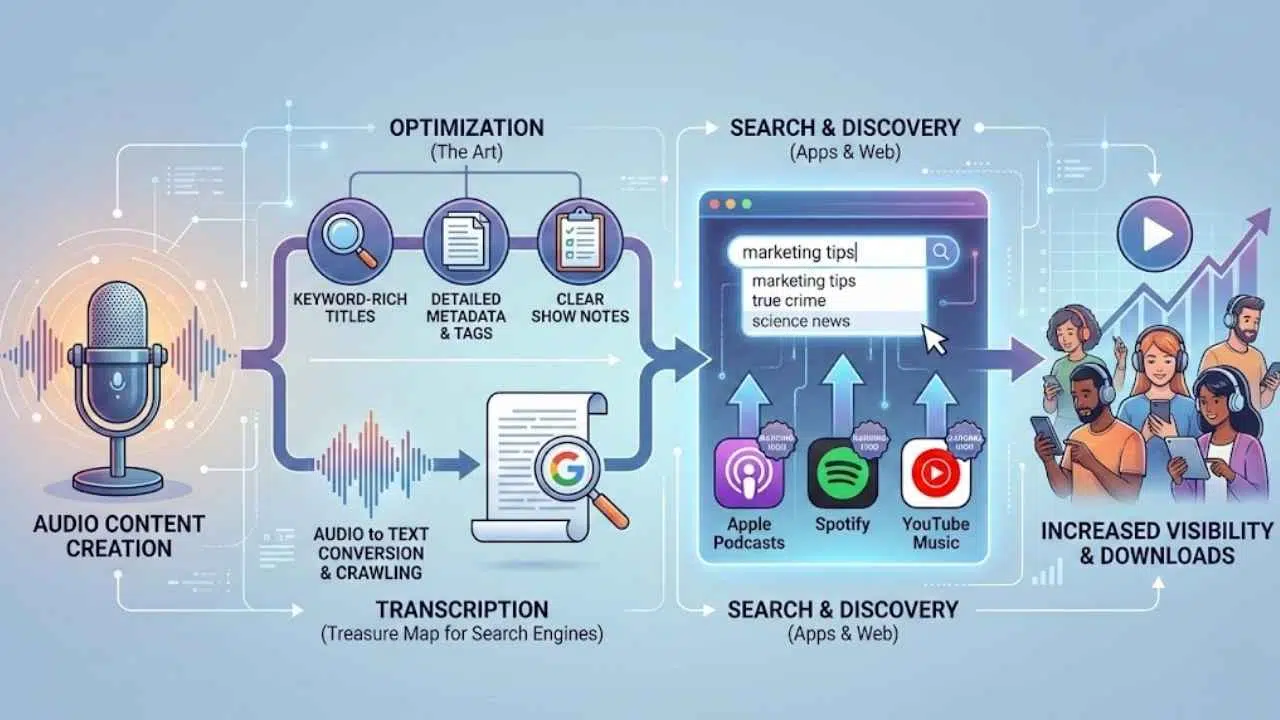
Podcast SEO is the art of optimizing your audio content so it appears when people search for topics you talk about. It is not just about showing up on Google; it is about ranking high inside listening apps like Apple Podcasts, Spotify, and YouTube Music.
Think about how you use these apps. You usually type a topic like “marketing tips” or “true crime” into the search bar. If your show doesn’t have those words in the right places, you are invisible to the listener. Optimizing means adding keyword-rich titles, detailed metadata, and handy tags to bridge that gap.
Treat every episode as a chance to grab new listeners. If you transcribe your episodes, you turn audio into text that search engines can read. This is like creating a treasure map for Google to crawl.
Using clear show notes and targeted keywords strengthens your podcast’s chances of getting indexed quickly. It is a simple strategy that sparks more downloads without you needing to reinvent the wheel every time you hit publish.
Why Podcast SEO Matters
More people find audio content through search engines today than ever before. In fact, recent stats show that YouTube is now the second most popular way people discover new podcasts, right behind personal recommendations.
Imagine a dog owner searching for “how to stop puppy biting” on their lunch break. If you have a well-tagged show about dog training, good SEO puts your episode right in front of them at the exact moment they need help. Ranking higher helps you reach these eager ears before your competitors do.
Podcasts fight for space in digital crowds. Without text, search bots have no idea what your audio is about. Adding transcripts gives them something to read and index, turning your stories into searchable gold mines.
“Proper keyword research reveals what questions real people are asking. You can then pick winning topics with high demand but less competition.”
This approach lets you connect with audiences who are already searching for exactly what you make. It boosts discoverability and listener engagement without breaking the bank.
Key Elements of Podcast SEO
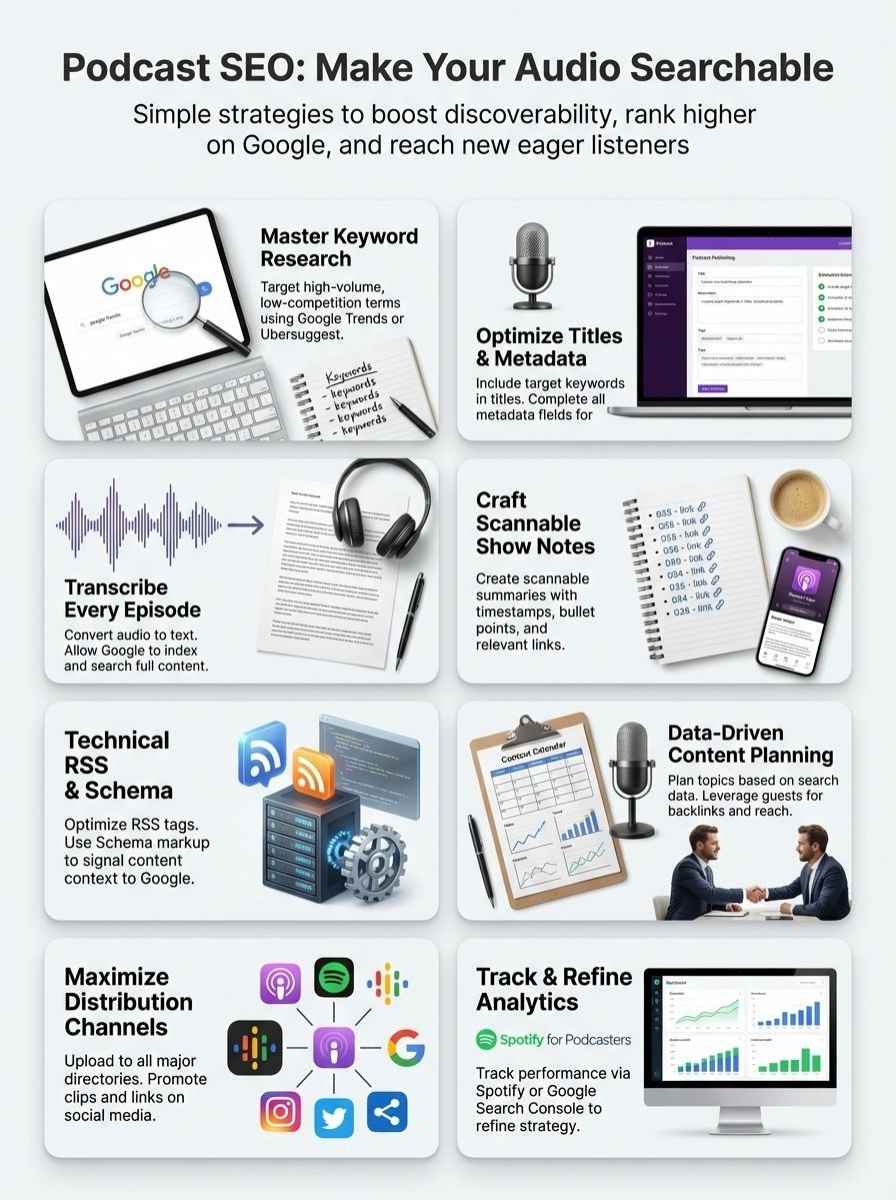
Podcast SEO relies on a few clever tricks that help your episodes stand out. Let’s look at the specific elements that move the needle.
Keyword Research for Podcasts
People type millions of search words into Google every day. To boost your podcast’s visibility, you need to know exactly what those words are. Tools like AnswerThePublic or Listen Notes (often called the “Google for podcasts”) are fantastic for this.
For example, if your show covers digital marketing, you might find that “audio content optimization” is too broad, but “how to transcribe podcasts for free” is a specific question people are asking right now. That is your sweet spot.
Check out the specific questions people ask related to your topic. Use those exact phrases in your episode titles and show notes. Just sprinkle them naturally so it sounds like a normal sentence.
Treat each episode as a fresh chance to reach new ears. A smart SEO strategy starts with knowing what real folks want to hear this week.
Optimizing Titles and Metadata
Your episode title is the most critical piece of metadata you own. Apple Podcasts may cut off your title after as few as 40 characters on some screens. This means you must put your most important keywords at the very front.
Instead of naming your show “Episode 5,” try “SEO Strategy Tips: Boost Podcast Search Engine Visibility.” The second option tells the listener—and the algorithm—exactly what they will get.
Metadata acts as your digital handshake with platforms. Fill in every field, including:
- Episode Title: Front-loaded with the main topic.
- Author Tag: Your name or brand (but don’t stuff keywords here, or Apple might ban you).
- Summary: A clear description of the value you provide.
Treat metadata like a welcome mat. It helps people find their way right to your door at the first click.
Creating SEO-Friendly Show Notes
Strong show notes are more than just a summary; they are a written companion to your audio. Start with a clear “hook” using keywords people type into Google, like “Podcast SEO” or “audio content optimization.”
The “Inverted Pyramid” Method for Show Notes:
- The Lead: One sentence summarizing the main problem you solve in the episode.
- The Details: Bullet points of key topics and takeaways.
- The Links: Resources, guest profiles, and your own social links at the bottom.
Using timestamps, such as 01:05 for start times, helps users jump straight to important parts. Search engines also notice these details. Link out to any guests’ profiles or useful resources mentioned on air to start conversations outside your community.
Transcribing Episodes for Searchability
Transcribing podcast episodes can supercharge your visibility. A case study by This American Life found that organic search traffic increased by over 6% after they added full transcripts to their archive.
Google indexes text, not audio. Full episode transcriptions put your content right under its nose. Listeners searching for a specific tip or guest quote are way more likely to find your show through those searchable words.
Many podcasters use AI tools like Descript, Riverside, or Otter.ai to turn speech into text quickly. Adding timestamps and speaker tags makes transcripts easier to scan and helps with accessibility for the 15% of American adults who report some trouble hearing.
Think of every transcript as an open door. It welcomes both Google and curious new listeners looking for answers only you provide.
Technical Podcast SEO Strategies
Some tricks work behind the scenes to make your audio easier for machines to understand. These technical tweaks can have a massive impact on your ranking.
Optimizing Your RSS Feed
Your RSS feed is the file that distributes your show to the world. Feed details shape how platforms see you. You must fill out fields like the title, description, and author using keywords people actually search for.
One often-overlooked detail is the ID3 tag. This is metadata embedded directly into your MP3 file. While less critical for Spotify, it ensures your artwork and title display correctly if a listener downloads your file directly.
Refreshing metadata often keeps episode indexing fresh. Clear titles grab attention and boost discoverability on Google’s podcast index.
Using Schema Markup for Podcasts
Schema markup acts like a digital signal to search engines. It is a piece of code on your website that tells Google, “This is a podcast episode.” Specifically, you should use the PodcastEpisode schema.
Correctly tagging each episode with this markup helps Google present detailed information—like the series name, host, and date published—right on the search results page. This structure improves your ranking strategy by connecting listeners to your episodes based on their immediate search queries.
People looking for specific guests or subjects will find you easier. It effectively gives your series a front-row seat on the results page.
Content Optimization for Podcast SEO
Think of your podcast as a media brand. Strong episode planning and smart guest choices can make your audio content pop up where you want it most.
Planning Topics with SEO in Mind
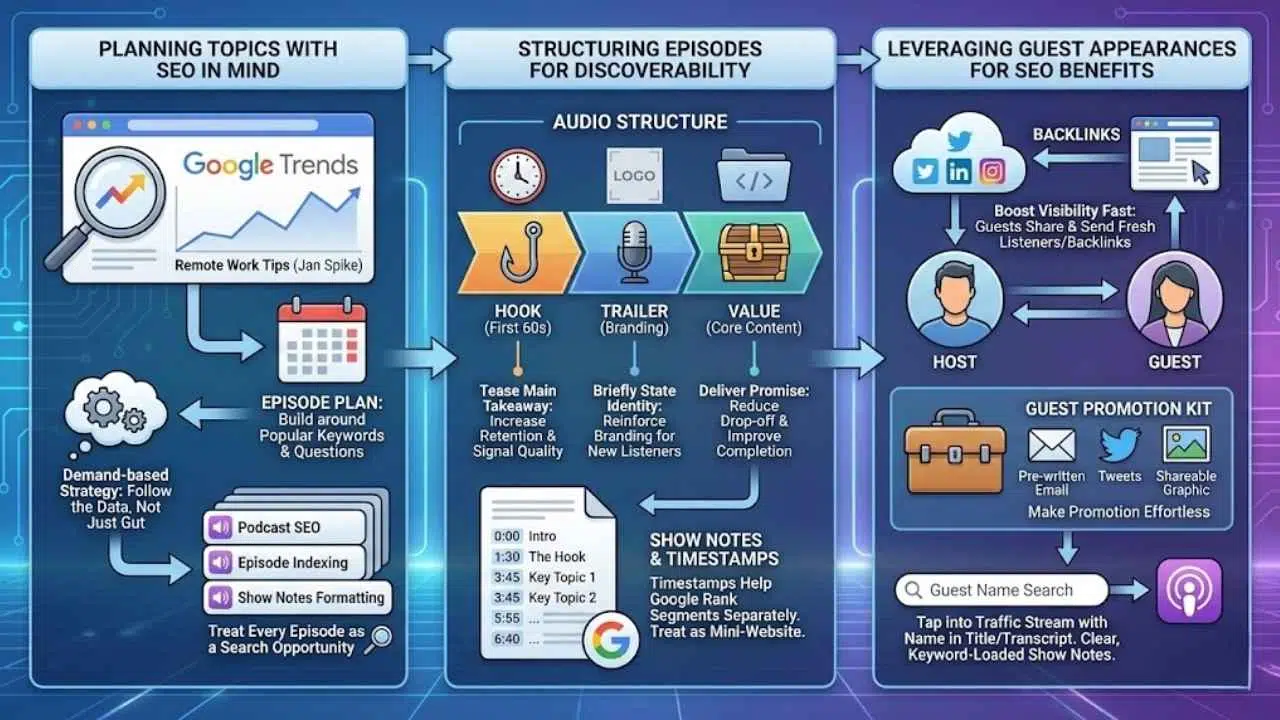
Choosing podcast topics with strong search visibility sets you apart. Use tools like Google Trends to see if interest in a topic is rising or falling.
For example, if you see a spike in searches for “remote work tips” in January, plan an episode around that theme. Build each episode around these popular keywords and questions. Do not just follow your gut; follow the data.
Always treat every episode as its own search opportunity. Pick titles stuffed with relevant keywords such as “podcast SEO,” “episode indexing,” or “show notes formatting.” A demand-based content strategy wins more listeners and keeps them coming back.
Structuring Episodes for Discoverability
Strong podcast SEO starts with how you set up the audio itself. Use a “Hook, Trailer, Value” structure.
| Segment | Purpose | SEO Benefit |
|---|---|---|
| The Hook | Tease the main takeaway in the first 60 seconds. | Increases retention, which signals quality to algorithms. |
| The Trailer | Briefly state who you are and what the show is about. | Reinforces branding for new listeners finding you via search. |
| The Value | Delivering the core content promised in the title. | Reduces drop-off rates, improving your completion stats. |
Break episodes into key sections using timestamps in your show notes. Google uses these details to help listeners find what they need fast. Treat every episode like its own mini-website, because Google ranks them separately.
Leveraging Guest Appearances for SEO Benefits
Bringing a guest onto your podcast boosts visibility fast. Guests often share their appearance across social media and websites, sending fresh listeners and helpful backlinks to your site.
Create a “Guest Promotion Kit” for them. Send them a pre-written email, a few tweets, and a graphic they can easily share. This makes it effortless for them to promote your show.
Some well-known guests might have audiences searching for them by name. Podcasts with those names in the title or transcript tap into that extra traffic stream. Keep those show notes clear and loaded with SEO-friendly details about the guest.
Distribution and Amplification
Getting your podcast into eager ears everywhere requires a broad approach. Here is how you can boost exposure across the web.
Maximizing Reach Across Platforms
Sharing your podcast on many platforms boosts visibility. Since Google Podcasts shut down in 2024, the landscape has changed. You need to be where the listeners are now.
- YouTube Music: This is the new home for Google’s podcast listeners. Upload your episodes here immediately.
- Apple Podcasts & Spotify: These two still control the majority of the market.
- Amazon Music & Audible: A growing player, especially for smart speaker users.
- Podcast Addict & Pocket Casts: Submit your RSS feed here to reach hardcore podcast fans.
- Tagging: Tag episodes with relevant keywords and categories to help content discoverability.
- Metadata: Add strong descriptions using words from your keyword research.
- Timestamps: Include clickable timestamps in show notes to keep listeners hooked.
- Transcriptions: Share full text transcriptions wherever possible for search engines to index.
- Social Video: Promote episodes with short video clips (Shorts/Reels) to grab attention.
- Analytics: Monitor tools to see which platforms bring the most traffic.
Spreading out increases your shot at being seen everywhere people look for audio content.
Social Media Strategies for Podcast SEO
Social media can boost your podcast’s search engine visibility. Since 51% of listeners now watch video podcasts, visual platforms are critical.
- Post short audio clips (audiograms) with episode highlights on Instagram and LinkedIn.
- Pair each post with targeted hashtags like #PodcastSEO so people searching those topics find you.
- Write catchy captions that ask questions to start conversations.
- Tag guests in every post; their audiences might jump over to your feed.
- Design eye-catching graphics using Canva or Adobe Express.
- Share each new episode at the best time for your audience—often Tuesday or Wednesday mornings work best.
- Add episode transcriptions as articles on LinkedIn to boost discoverability.
- Pin top episodes to the top of your profiles.
- Collaborate with similar shows for joint shout-outs.
- Monitor which platforms bring the most traffic using analytics tools like Chartable.
Active social sharing can turn a hidden podcast into a must-listen series in weeks rather than months.
Tools and Resources for Podcast SEO
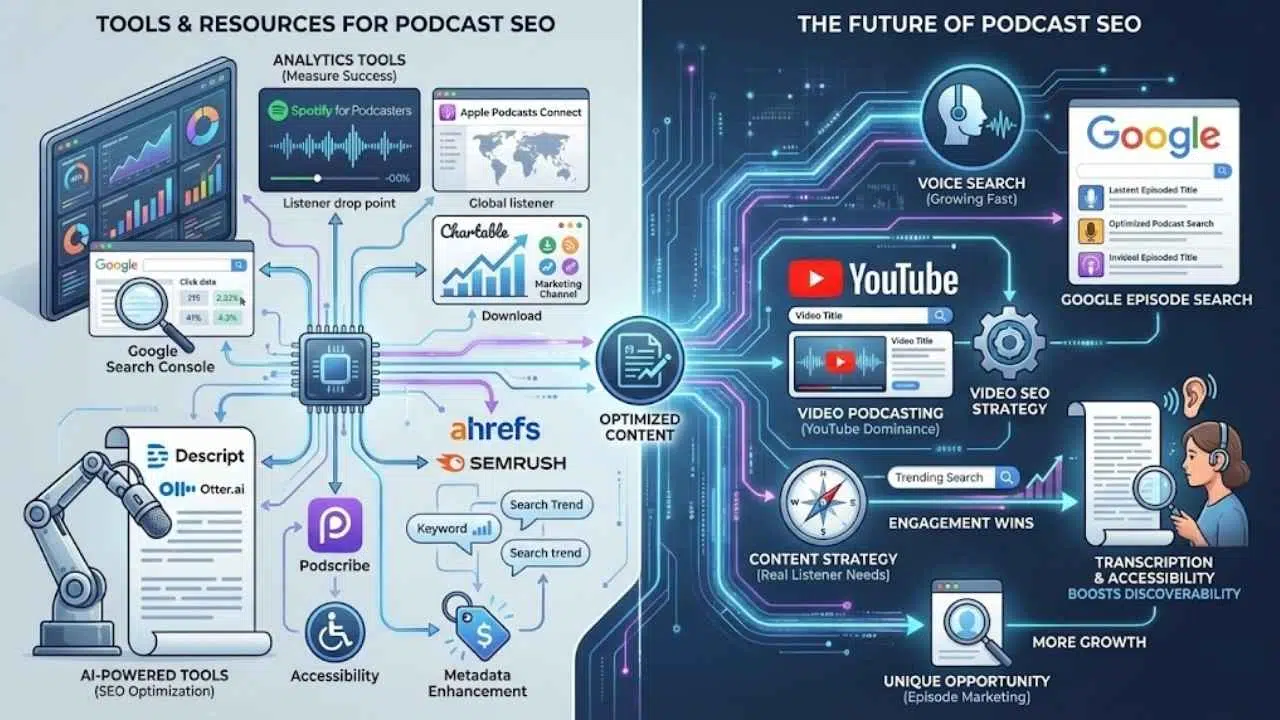
Smart tools make it easier to track your podcast’s progress and see what works. Do not miss out on discovering more ways to level up your show.
Analytics Tools to Measure Success
Spotify for Podcasters and Apple Podcasts Connect put your data front and center. You can see exactly where listeners drop off, which helps you tighten up your editing.
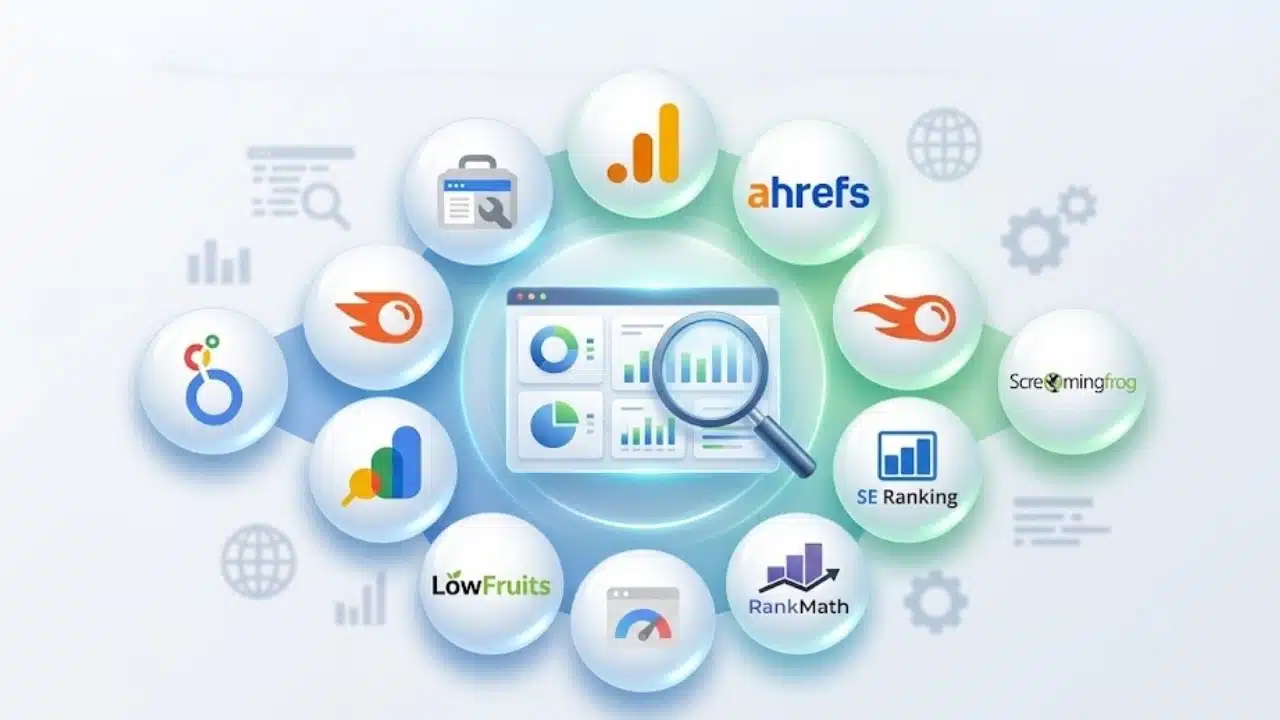
Google Search Console helps track search visibility for your podcast website. You will know if your optimization actually pays off in clicks. Want more details? Chartable tracks downloads and listener growth trends. It can even show how specific marketing channels bring in new ears.
Look at episode titles that spike on analytics charts. That means those keyword-rich topics have real search potential. Examining these numbers regularly helps you fine-tune everything from metadata to transcript accessibility.
AI-Powered Tools for SEO Optimization
AI tools can transform your workflow. For example, Descript and Otter.ai create fast and clear transcriptions, helping with search visibility. Tools like Podscribe add accurate transcript accessibility to each episode.
Use AI-driven keyword research tools such as Ahrefs or SEMrush to spot trending topics before you even hit record. These platforms highlight what listeners are already searching for.
Smart tagging systems also automate metadata enhancement so every upload has the right information baked in. This speeds up episode indexing across all platforms.
The Future of Podcast SEO
Podcast SEO will keep shifting as search engines get smarter. Voice search is growing fast, and people are starting to say what they want instead of typing it.
Google now shows podcast episodes in search results, giving each episode a chance to shine if you optimize titles. The biggest shift, however, is video. With YouTube becoming a dominant force in podcasting, your “SEO” strategy must now include video titles and thumbnails.
Transcribing every episode boosts discoverability for those who like reading or have hearing loss. Experts say podcasts that follow tight content strategies based on real listener needs win big on engagement.
“Treating each episode as its own unique opportunity for marketing brings more growth than sticking with generic topics.”
Smart creators build their shows around trending searches from current data, not just gut feeling alone.
Final Thoughts
You now know how keyword research, strong episode titles, and clear show notes can boost your podcast’s search engine visibility. Small steps like adding transcripts and using smart tags make each episode easier to find.
These tips are practical and do not take fancy tools or hours of extra work. Have you thought about which topic will resonate most with your listeners? Even simple tweaks in content structure or metadata can draw more ears to your audio content.
Check out the resources listed above for deeper insights or handy tools that fit into any workflow. Stick with these strategies; soon enough you’ll see real results as new listeners discover your podcast while searching online.
Once found an old episode jump to the top of Google after a quick title change—sometimes small shifts lead to big wins!