Monster Hunter Wilds Story Length depends on what you count as “done.” If you only want to finish the main narrative and see the credits, you can do that in a reasonable time. If you want to complete every chapter, hit High Rank milestones, and clear the big post-game threats, your time investment climbs fast.
In this guide, I explain how long each stage usually takes, why your playtime may be shorter or longer than other players, and what you can do to finish faster without feeling underpowered. I will also explain how chapters work, how Hunter Rank gates stretch playtime, and what “completion” looks like in a game designed around repeated hunts and upgrades.
What Story Length Means In Monster Hunter Wilds
When people ask about story length, they usually mean one of three things. If you do not separate them, estimates sound inconsistent, and players argue in circles.
The first meaning is credit time. That is the length to finish the core campaign arc and reach the first big ending point.
The second meaning is clearing all chapters. That includes the post-credits story arc and the High Rank progression that comes with it.
The third meaning is the true endgame. That is when you keep hunting long after the story wraps because you want better gear, stronger upgrades, and tougher challenges.
Monster Hunter Wilds is designed so your definition of finished matters. You can stop at credits and feel satisfied, or you can treat the story as the starting line and push into the long hunting loop.
Monster Hunter Wilds Story Length At A Glance
Here are realistic ranges you can use without promising one exact hour count. Your skill level, weapon familiarity, and how much you farm will move you up or down.
Credits and core campaign: 10 to 20 hours.
All chapters and main story completion: 30 to 45 hours.
Story plus a strong endgame foundation: 50 to 80 hours.
Completionist play and build collecting: 100+ hours.
These ranges assume you play normally. If you sprint the campaign and craft only what you need, you can finish faster. If you explore heavily, swap weapons often, or chase multiple gear sets, you will take longer.
How Many Chapters Are In The Story
Monster Hunter Wilds is structured into chapters, and the pacing shifts hard after the credits. Early chapters guide you through the Forbidden Lands and teach the core systems. Later chapters expect you to play like a real Hunter who plans upgrades, farms parts, and raises Hunter Rank when the game asks for it.
This is why two players can both say they beat the story and still report very different hours. One player means credits. The other player means the final chapter and the major High Rank gates.
How Long To Reach Credits
If you want the most common answer, credit time is the one. Most players hit credits around the end of the core campaign arc.
If you are new to Monster Hunter-style combat, you will likely land at the longer end of the range. You will spend time learning your weapon, understanding monster tells, and figuring out when to heal safely. You will also craft more often because you will feel the power spikes more clearly.
A realistic estimate for new players is 15 to 20 hours to reach credits. If you hit a major wall and need to farm upgrades, you can push beyond that.
If you are experienced with Monster Hunter games and you already know one weapon well, you can move faster. You will waste less time in menus, you will punish openings more consistently, and you will make better upgrade choices.
A realistic estimate for experienced players is 10 to 15 hours to reach credits, especially if you keep your crafting focused.
What Makes The Caedmpaign Take Longer
Most extra hours in the main story come from predictable habits. None of them are wrong. They just change your timeline.
Exploration is the biggest one. Wilds rewards curiosity, and regions feel worth wandering. If you explore every corner, your story time climbs even if you never fail a hunt.
Weapon swapping also adds hours. Trying new weapons is fun, but it requires practice and often pushes you to craft extra gear to support the new style.
Overfarming early can stretch the campaign too. If you stay in the early tiers building perfect sets, you can add many hours without actually unlocking new content. The game is designed so you can move forward with practical upgrades, not perfect ones.
Co-op can be faster in fights, but slower overall. You wait for teammates, repeat hunts for someone else’s parts, and often drift into extra quests that were not part of your plan.
What Makes The Campaign Shorter
If you want to finish the core story quickly without feeling underpowered, focus on efficiency rather than skipping everything.
Stick to one main weapon. You learn matchups faster, manage stamina and positioning better, and avoid crafting distractions.
Upgrade only when you feel a wall. A wall is when hunts start taking too long, when you cart repeatedly, or when you cannot safely punish openings. If you are comfortable, keep moving.
Use camps and fast travel intentionally. Camps cut downtime, reduce long runs back to fights, and save minutes constantly. If you are spending more time traveling than hunting, your camp setup is costing you story time.
Monster Hunter Wilds Story Length For All Chapters
Monster Hunter Wilds Story Length jumps when you aim for full chapter completion. After credits, the game shifts into a more deliberate pace where story and progression merge.
You still get story missions, but you do not unlock them at the same speed as the campaign. You unlock them by hunting, upgrading, and meeting the requirements that open the next mission.
A practical estimate to clear all chapters is 30 to 45 hours for most players. You can do it faster if you optimize hard. You can do it slower if you chase multiple builds and explore every region state.
Why Post-Credits Story Feels Longer
The post-credits arc feels longer because difficulty rises, preparation matters more, and Hunter Rank gates slow the pace.
High Rank monsters punish sloppy habits. If you heal at the wrong time, you get hit. If you overcommit, you cart. Even if you cleared the campaign smoothly, the margin for error shrinks.
Preparation becomes part of the story pace. Resistances, skills, item loadout, and route planning start mattering more than raw aggression.
Hunter Rank gates also play a major role. Some story steps require you to raise your Hunter Rank to continue, which forces extra hunts. It is not filler. It is the game pushing you into the long-term loop.
How Weather And Regions Affect Your Time
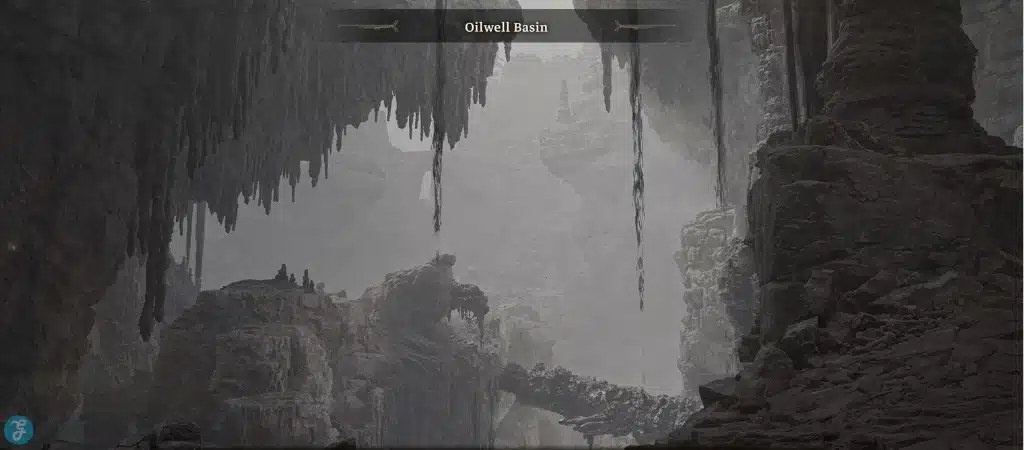
Wilds uses changing conditions across regions, which makes the world feel alive but also impacts story pace.
When conditions shift, monsters can behave differently, and the environment can become more hostile. You may play safer, hunt slower, or spend time adjusting routes and camp placement.
If you like to plan around forecasts and target specific conditions, you will naturally spend more time in each region. If you prefer a direct story push, you can ignore most planning and follow the main assignments. Your hours will reflect which approach you choose.
Credits Time Versus The Real Game
Wilds often feels like two games in one. The main story introduces systems, regions, and major threats. It gives you direction and pacing.
After that, the game becomes your hunting sandbox. You decide what to farm, which weapons to upgrade, and which challenges to chase. That is why many players finish the story and then immediately put in dozens more hours.
If you only want narrative, you can stop earlier. If you want the full Monster Hunter experience, the story becomes the foundation, not the finish.
Story Length If You Want A Strong Endgame Foundation
A lot of players do not stop after clearing chapters. They want to feel set up for the long run.
A strong endgame foundation usually means you have one reliable weapon path upgraded well, at least one armor set with skills that support your playstyle, and the ability to clear key High Rank hunts without constant carts. It also means you understand camps, routing, and efficient restocking.
If that is your goal, plan for 50 to 80 hours. That range covers comfort and progression, not just clearing a checklist.
Completionist Time And What It Looks Like
Completionist time is where the hours explode, not because the story is long, but because the systems reward repetition with purpose.
A completionist approach can include crafting multiple weapons for different matchups, building several armor sets, clearing side missions, doing event content, and hunting tougher versions of monsters for rare materials.
If you play like that, 100+ hours is normal. Many players go far beyond that because the fun is mastery and collection rather than reaching an ending screen.
How Skill Level Changes Your Timeline
Two players can start on the same day and finish weeks apart. Skill level affects more than hunt time.
An experienced player ends hunts faster because they punish openings consistently. They also take less damage, so they spend less time healing and repositioning.
Fewer carts means less rework. Failed hunts cost time and focus, and repeated failures can add hours quickly.
Better upgrade choices also matter. Experienced players craft what they need and avoid wasting materials on sets that will be replaced soon.
How Weapon Choice Can Change Story Length
Some weapons feel easier early because their game plan is straightforward. Others take longer to master but pay off later.
This changes your pace. A weapon with a simpler rhythm can let you progress faster early. A weapon that demands precision might slow you down early but speed you up later once you understand openings and spacing.
The key is not picking the best weapon. The key is picking the weapon you will actually stick with long enough to get good.
How Crafting Habits Add Or Save Hours
Crafting is the hidden time sink. You can use it strategically or you can drown in it.
The fast approach is to build one solid set, upgrade it as needed, and replace it when a meaningful tier jump appears. You build one weapon line deeply rather than five lines shallowly.
The slower approach is crafting many sets early, chasing perfect skills too soon, and farming materials for gear you replace shortly after.
If you want the balanced approach, upgrade when you feel pain. If hunts feel slow or unsafe, upgrade. If you feel comfortable, keep moving.
How To Finish Faster Without Getting Stuck
If your goal is finishing the story with minimal stress, these habits help.
Keep your gear current. Undergeared hunts take longer and cause more carts. A simple upgrade can save more time than it costs.
Use the right items. If you always run out of healing, bring more. If status effects keep ruining you, bring counters.
Fight in good spaces. Pull monsters into open areas where you can see. Avoid narrow traps and chaotic terrain when possible.
Set camps for speed. If you keep running long distances after each cart, you are bleeding minutes constantly.
How To Enjoy The Story If You Are Not Rushing
If you are not rushing, Wilds rewards you for taking it slow.
Explore during different conditions. Learn how each region changes. Do side missions as they appear. Try a second weapon once you feel confident. Spend time mastering monsters rather than brute forcing them.
Your story length will be longer, but it often feels like the best first playthrough.
Solo Versus Co-Op Story Length
Solo play is consistent because you control pace, strategy, and restocking.
Co-op can speed up fights through shared damage and support, but coordination can add time. If your group repeats hunts for materials or waits on members, the story stretches.
If you want a smooth co-op run, agree on priorities. Decide whether you are pushing chapters or farming. If you do not decide, you will drift into long sessions.
Which Story Length Estimate Fits You
Use this quick checklist.
Use the 10 to 20 hour estimate if you focus on main assignments, craft only when needed, stick to one weapon, and do minimal optional content.
Use the 30 to 45 hour estimate if you finish all chapters, do some side missions, farm a bit for upgrades, and take time to learn monsters properly.
Use the 50 to 80 hour estimate if you want to feel strong in endgame, build at least one complete set, farm High Rank materials consistently, and clear major post-credits content.
Use the 100+ hour estimate if you collect builds and gear, chase multiple weapons, and treat Wilds as a long-term game.
Monster Hunter Wilds Story Length Compared To Other Monster Hunter Games
Monster Hunter Wilds Story Length can feel different from older entries because the game is built around a more seamless flow between exploration, hunting, and preparation. In many previous Monster Hunter games, your time was clearly divided into “hub time” and “quest time.” You would accept a quest, load into a map, hunt, then return to the hub and repeat. That structure makes story progress feel very measurable, because each step is its own contained run.
In Wilds, the lines blur. You can travel through regions more naturally, encounter targets during exploration, and keep momentum without constantly resetting your session. That makes the story feel faster for some players, even if the actual number of hunts is similar. For other players, it makes the story feel longer, because they spend more time roaming, gathering, setting camps, and chasing side objectives that appear along the way.
Another big difference is how the post-credits portion is framed. In older games, the “real game” often begins after the village story, and Wilds follows that tradition, but the transition is smoother. Instead of feeling like you finished one mode and entered a different mode, Wilds uses Hunter Rank requirements, tougher monster behavior, and stronger gear expectations to gradually slow down the pace and push you into a long-term progression loop.
If you are writing this for readers, the best way to explain it is simple. Wilds is not necessarily longer in pure story beats. It just encourages more continuous play inside the world, which makes your personal story length more dependent on how you explore and how much you engage with the hunting loop between chapters.
Ending Thoughts
Monster Hunter Wilds Story Length is not one number because the game supports different definitions of completion. If you want credits, you can reach them in about 10 to 20 hours. If you want to clear all chapters and see the full story arc, expect closer to 30 to 45 hours. If you want to build a strong endgame foundation, plan for 50 to 80 hours, and if you play completionist, you can easily go beyond 100 hours.
Monster Hunter Wilds Story Length is easiest to understand when you decide what finished means for you. If you sprint the story, keep upgrades focused and use camps to reduce downtime. If you take your time, enjoy the shifting regions and let the hunting loop do what it is built to do.