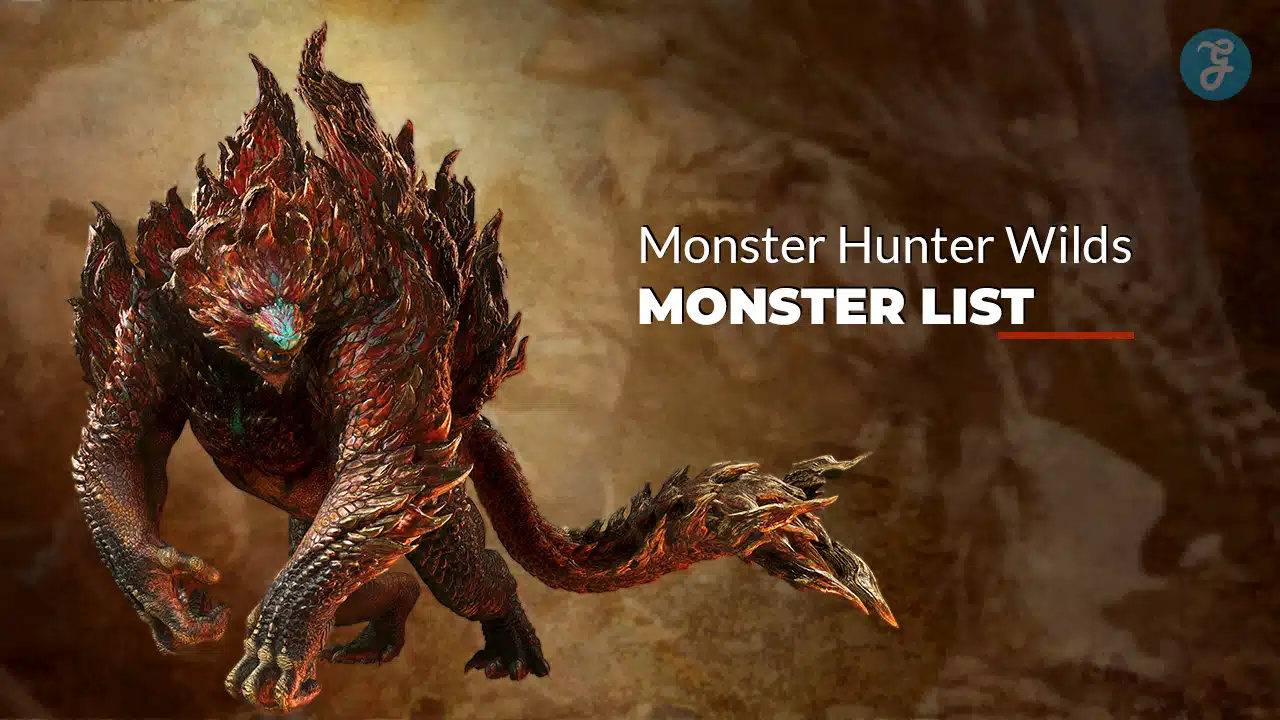
If you want a clean, up-to-date Monster Hunter Wilds monster list you can actually use, I’m going to do two things for you in one place. First, I’ll list every Large Monster currently in the game roster (including special boss-type entries that people often forget to count). Then I’ll break down every major variant and “form” system like Tempered, Arch-Tempered, Frenzied, Guardian Constructs, Apex predators, and story-only forms, so you know what each label really means when you see it on your map or quest screen.
This matters because Wilds does not treat “variants” as a simple palette swap. Most variant types change stats, aggression, rewards, and your progression path, and some only appear in specific ranks or quest types.
What Counts As A Large Monster In Monster Hunter Wilds
A “Large Monster” in Wilds is any hunt-scale target that anchors the combat loop.
You can usually recognize them because they:
- Trigger full hunt behavior (tracking, zones, relocations, turf wars)
- Have dedicated armor and weapon trees (not always for every category, but usually)
- Come with major reward tables and unique materials
- Are tied to story progress, region identity, or endgame systems
Some entries are also special categories that still count as Large Monsters in practical terms:
- Constructs and Guardian monsters
- Major endgame bosses
- Event-driven monsters and special encounters
Every Large Monster In Monster Hunter Wilds
Below is a complete roster-style list. I’m grouping it so it reads like a guide, not a random wall of names.
New Or Wilds-Original Large Monsters
These are monsters introduced in Wilds that define the Forbidden Lands identity and biomes.
- Ajarakan
- Arkveld
- Balahara
- Chatacabra
- Doshaguma
- Hirabami
- Jin Dahaad
- Lala Barina
- Nu Udra (also known as The Black Flame)
- Quematrice
- Rey Dau
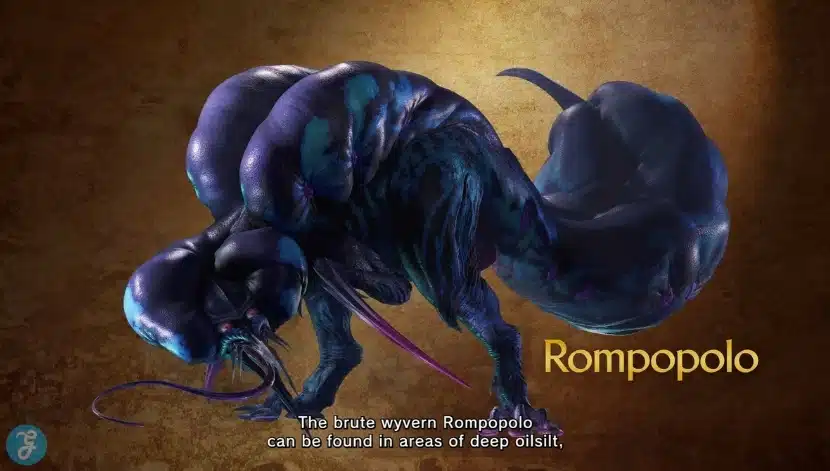
- Rompopolo
- Uth Duna
- Xu Wu
- Zoh Shia
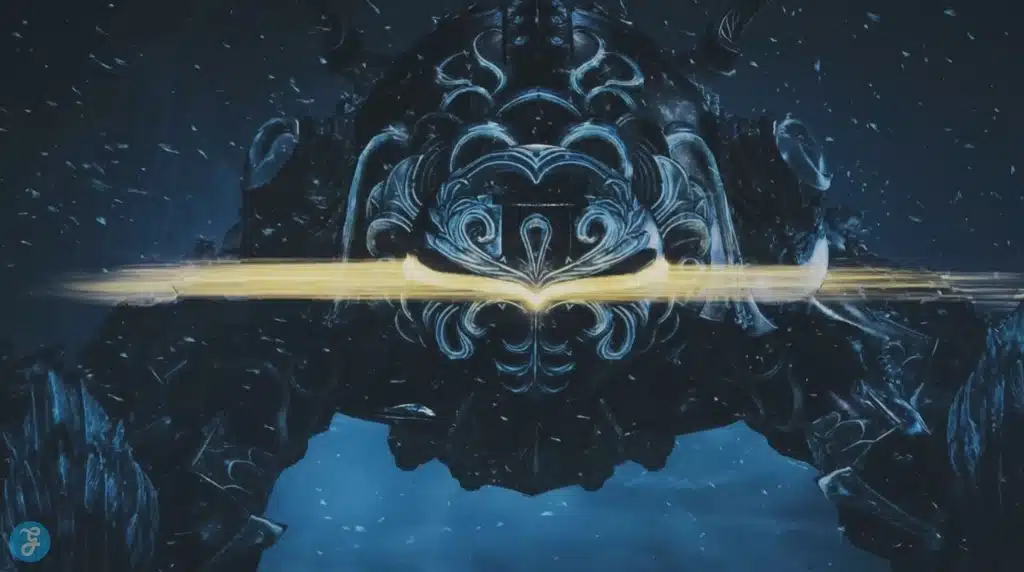
Returning Large Monsters
These are monsters returning from earlier Monster Hunter games that appear in Wilds’ ecosystem and progression.
- Blangonga
- Congalala
- Gore Magala
- Gravios
- Gypceros
- Lagiacrus
- Mizutsune
- Nerscylla
- Rathalos
- Rathian
- Seregios
- Yian Kut-Ku
- Gogmazios
Constructs And Guardian Large Monsters
These are artificial, engineered threats tied to Wyveria, the Landspine, and the Guardian concept.
- Guardian Arkveld
- Guardian Doshaguma
- Guardian Ebony Odogaron
- Guardian Fulgur Anjanath
- Guardian Rathalos
Special Endgame-Style Entries
These are the kinds of monsters that players argue about because they feel “boss-like” or “event-like,” but they still function as Large Monster fights and are treated like major targets.
- Omega Planetes
- Savage Omega (special form of Omega content)
Story Or Encounter Forms
These are forms you should understand because they appear in story beats, special missions, or unique conditions.
- Chained Arkveld (story encounter form)
- The Black Flame (title used for Nu Udra, commonly treated like a distinct “nameplate” by players)
Variant Types In Monster Hunter Wilds
Now let’s get into what you actually asked for: variants.
In Wilds, “variant” can mean very different things depending on the label:
- Some variants are rank-based power tiers (Tempered, Arch-Tempered)
- Some are status-driven transformations (Frenzied).
- Some are lore-driven engineered versions (Guardian).
- Some are map-role categories (Apex predators).
- Some are event or boss forms (Omega-related).
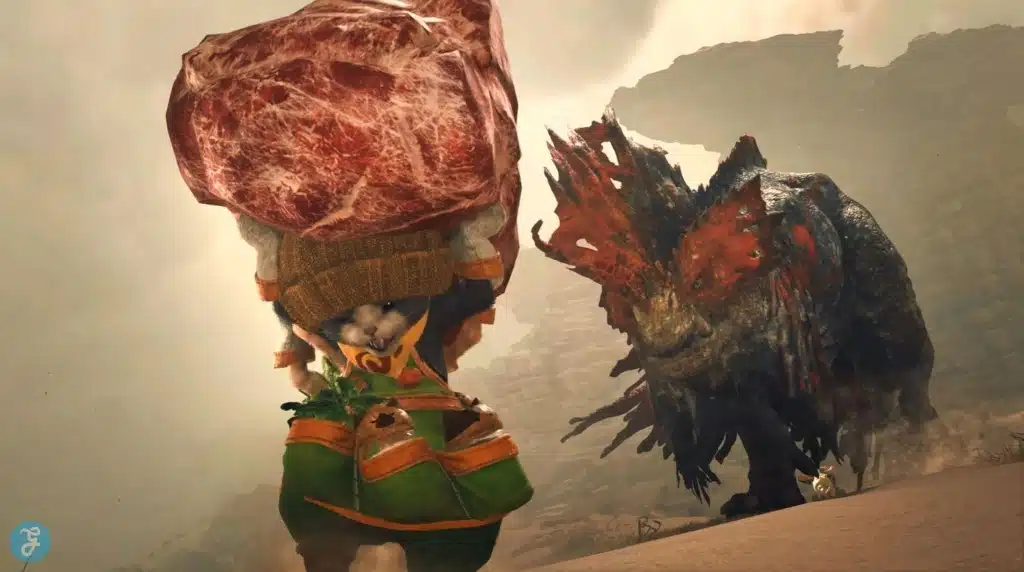
Apex Monsters: The Four Rulers Of The Biomes
Apex Monsters are the dominant predators of their home regions. They are not “variants” in the sense of being altered versions of a base monster. They are a role category.
In Wilds, the core Apex roster is:
- Rey Dau (Windward Plains)
- Uth Duna (Scarlet Forest)
- Nu Udra (Oilwell Basin, also called The Black Flame)
- Jin Dahaad (Iceshard Cliffs)
Why Apex Matters To You
When you fight an Apex monster, you are usually dealing with:
- A signature regional “identity fight”
- High threat attacks tied to the biome theme
- Strong ecosystem influence (turf wars, spawns, and behavior changes)
If you are writing this as a guide, Apex is best explained as:
“The story boss tier for each core region, and the predator that defines the biome.”
Tempered Monsters: High Rank Power Variants
Tempered Monsters are stronger versions of monsters that appear in High Rank. Think of Tempered as Wilds’ main “upgrade step” for familiar targets.
When a monster becomes Tempered, you generally see:
- Higher health
- Higher damage
- More pressure in neutral situations
- More punishment for sloppy positioning
- Better reward tables and materials tied to endgame crafting
Every Tempered Monster In Wilds
Wilds organizes Tempered targets into tiers. I’m listing them in a way you can easily differentiate between the tiers
Tier 1 Tempered Monsters
- Chatacabra
- Quematrice
- Lala Barina
- Congalala
- Balahara
- Rompopolo
- Nerscylla
- Hirabami
- Yian Kut-Ku
- Gypceros
- Rathian
Tier 2 Tempered Monsters
- Doshaguma
- Ajarakan
- Guardian Doshaguma
- Guardian Rathalos
- Guardian Ebony Odogaron
- Xu Wu
- Guardian Fulgur Anjanath
- Rathalos
- Gravios
- Blangonga
Tier 3 Tempered Monsters
- Uth Duna
- Rey Dau
- Nu Udra
- Jin Dahaad
- Mizutsune
- Gore Magala
- Lagiacrus
- Seregios
- Arkveld
What Tempered Means For Your Progression
If you want a simple way to explain this to readers:
- Tempered monsters are how Wilds turns the same roster into a real endgame loop.
- They are not “new monsters,” but they often feel new because your margin for error shrinks hard.
- Tempered tiers also help the game pace your upgrades. You are not meant to jump to the top tier without building the foundation.
Arch-Tempered Monsters: The Top-Tier Variant Layer
Arch-Tempered is a step above Tempered.
If Tempered is “endgame difficulty,” Arch-Tempered is “endgame challenge content,” the kind of hunt designed to test:
- Your build quality
- Your consistency
- Your recovery habits
- Your understanding of openings
Arch-Tempered monsters typically:
- Hit harder than Tempered
- Have tighter punish windows
- Feel more relentless
- Are tied to special quests and special rewards
Every Arch-Tempered Monster (So Far)
Here’s the Arch-Tempered list as of now, including the one that is scheduled to arrive as part of the final content beat.
- Arch-Tempered Rey Dau
- Arch-Tempered Uth Duna
- Arch-Tempered Nu Udra
- Arch-Tempered Jin Dahaad
- Arch-Tempered Arkveld (scheduled to become available as part of the final update window)
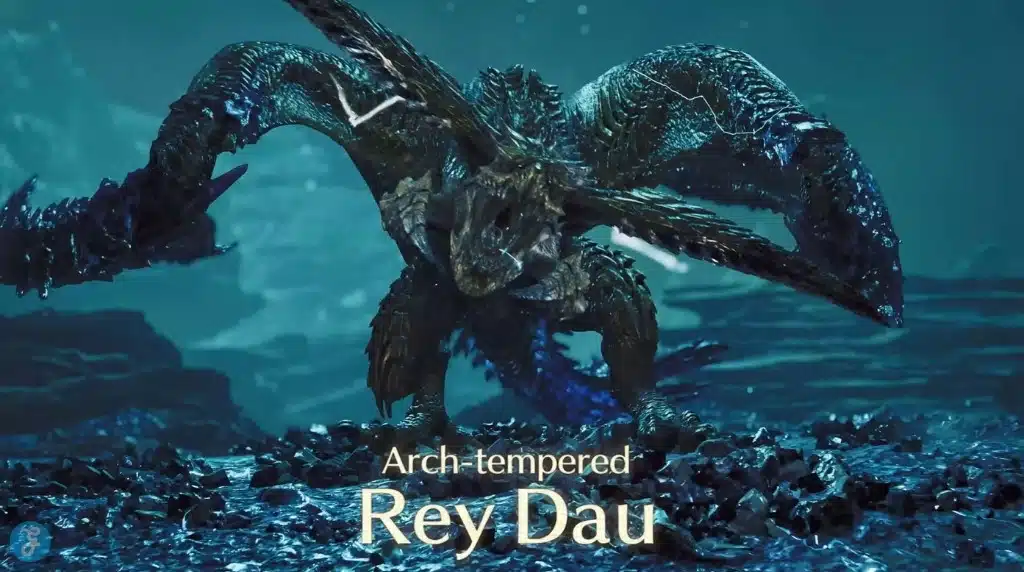
Arch-Tempered Requirements (What You Should Tell Readers)
Arch-Tempered hunts are generally locked behind:
- High Rank access
- A high Hunter Rank threshold for the hardest entries
- Special quest availability rules (event quests and challenge-style quests)
So the clean explanation is:
You do not “stumble into” Arch-Tempered. You unlock it when the game decides you are ready.
Frenzied Monsters: Virus-Infected Variants
Frenzied monsters are infected by the Frenzy virus concept tied to the Gore Magala storyline.
This is not the same thing as Tempered.
Tempered is a rank power tier.
Frenzied is an infection state with its own logic.
Frenzied monsters tend to feel like:
- Faster tempo
- Higher aggression
- More chaos in neutral moments
- More pressure when you try to reset or heal
Every Frenzied Monster In Wilds
Only a limited set of monsters currently appear in Frenzied form:
- Frenzied Nerscylla
- Frenzied Hirabami
- Frenzied Yian Kut-Ku
- Frenzied Gypceros
- Frenzied Blangonga
Who Does Not Get Frenzied
Some monsters are treated as immune or not applicable to this variant layer because of how the story and rank systems work.
If you want to keep it simple for readers:
- The source monster and certain special targets are not treated like normal Frenzy candidates.
- Frenzied variants are tied to High Rank progression and specific ecosystem conditions.
Guardian Monsters: Construct Variants And Engineered Threats
Guardian monsters are not “strong versions” of regular monsters in the normal sense. They are engineered constructs tied to Wyveria’s ancient systems.
If you’re writing this for readers who care about lore and gameplay:
- Guardian monsters are best explained as artificial lifeforms created to protect or serve the ancient civilization.
- Mechanically, they often behave like “enhanced” versions with a different feel and different context.
Every Guardian Monster In Wilds
- Guardian Doshaguma
- Guardian Rathalos
- Guardian Ebony Odogaron
- Guardian Fulgur Anjanath
- Guardian Arkveld
Where Guardians Sit In The Difficulty Ladder
Guardians usually land in the “major target” category because:
- They are tied to story and high-impact progression
- They have unique materials and build paths
- They tend to be part of the game’s “this is serious now” escalation curve
If you want a one-liner:
Tempered is an endgame difficulty layer. Guardian is a lore-driven monster category with its own identity.
Special Forms And Named Encounters
Not all “variants” are called variants. Wilds loves using story labels, titles, and encounter-specific forms that function like variants without using the classic Monster Hunter naming.
Chained Arkveld
Chained Arkveld is best treated as a story encounter form. It matters because readers will see the name and assume it is a separate monster.
If you are explaining it, keep it simple:
- It is Arkveld in a story-specific presentation.
- It exists to shape a specific narrative moment and fight context.
- It should be counted as a form, not a separate species.
The Black Flame
The Black Flame is the common title used for Nu Udra, and a lot of players talk about it like it is a separate monster.
The accurate way to write it is:
- Nu Udra is the monster.
- The Black Flame is the nameplate or local title.
- In guides, you can list it as “Nu Udra (The Black Flame)” so readers instantly understand it.
Omega Planetes And Savage Omega
Omega content is in its own lane. It reads like event-driven or endgame-focused content with a distinct identity compared to the natural ecosystem monsters.
If you’re writing a clean guide:
- Omega Planetes is the base entry.
- Savage Omega is a heightened form tied to tougher content expectations.
Ending Thoughts
That’s the full Monster Hunter Wilds large monster roster, plus every major variant type that changes how fights and rewards work. Use the base list to track what you’ve unlocked, then treat Apex, Tempered, Arch-Tempered, Frenzied, and Guardian forms as your roadmap for progression—from early story milestones to true endgame challenges.