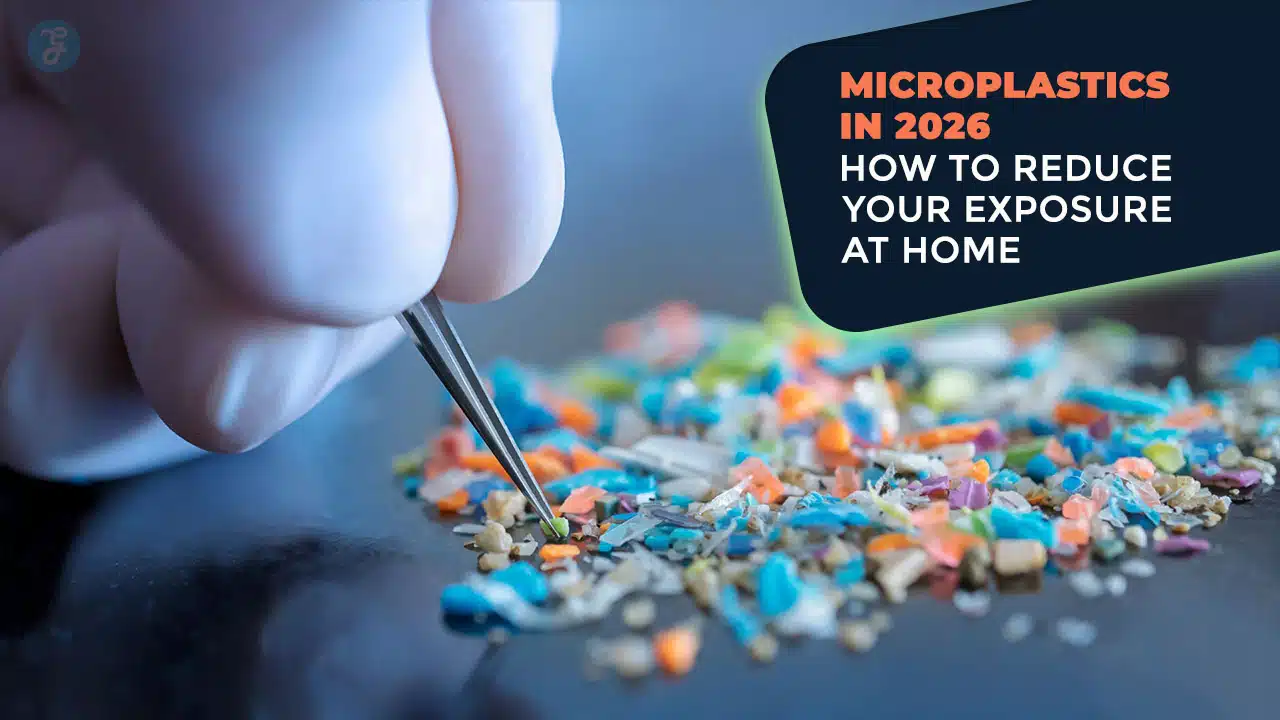
The conversation around microplastics has shifted from “are they there?” to “what can we do about them?” For years, headlines have warned us about plastic pollution in oceans, but recent technological breakthroughs have brought the issue literally closer to home—into our bloodstreams, our hearts, and our drinking water. While the global community waits for the final outcomes of the UN Global Plastics Treaty negotiations resuming in Geneva this year, many individuals are feeling a valid sense of unease.
However, panic is not the answer; informed action is. It is impossible to live a completely plastic-free existence in the modern world, but you have more control over your immediate environment than you might think. By understanding the primary vectors of exposure—specifically water, dust, and food packaging—you can significantly lower your daily intake. This guide moves beyond the fear-mongering to provide a science-backed, practical roadmap to reduce microplastics at home right now.
Key Takeaways from the Guide on Reducing Microplastics in 2026
- Filter Your Tap Water: Bottled water is no longer considered the safer option due to high nanoplastic content. Use an under-sink Reverse Osmosis (RO) system or a certified solid carbon block filter (NSF/ANSI 401) for the cleanest drinking water.
- Heat + Plastic = Danger: Never microwave food in plastic containers, even if they claim to be “microwave safe.” Heat drastically accelerates the release of particles. Transfer food to ceramic or glass before heating.
- Manage Indoor Dust: A significant portion of exposure comes from inhaling airborne microfibers shed by clothes and furniture. Use a HEPA vacuum and damp dust regularly to trap these particles rather than recirculating them.
- Swap Your Cookware: Scratched non-stick pans release thousands of plastic particles. Switch to cast iron, stainless steel, or carbon steel. Replace plastic cutting boards with wood or bamboo.
- Wash Laundry Wisely: Synthetic clothes shed microfibers. Wash them less frequently, use cold water, and consider installing a laundry filter or using a “Guppyfriend” bag to catch fibers before they enter the water system.
- Focus on Reduction, Not Perfection: You cannot eliminate 100% of microplastics. Prioritize the high-impact changes—clean water and dust control—to significantly lower your body’s toxic load without succumbing to “plastic panic.”
What Are Microplastics and Why 2026 Is a Turning Point
To effectively reduce exposure, we must first understand the enemy. Microplastics are defined as plastic particles smaller than 5 millimeters (about the size of a sesame seed). They fall into two categories:
- Primary microplastics: Intentionally manufactured small particles (like microbeads in older cosmetics or industrial pellets).
- Secondary microplastics: The result of larger plastic items breaking down due to sun, waves, or friction (like a water bottle degrading over time).
However, in 2026, the scientific focus has zoomed in even further to Nanoplastics. These are particles smaller than 1 micrometer—so small they can pass through the intestines and lungs directly into the bloodstream.
Why Scientists Are More Concerned in 2026
This year marks a pivotal moment in plastics research largely due to new detection technology. Until recently, scientists could only count larger particles, leading to massive underestimations of our exposure. With the widespread adoption of advanced imaging techniques like Stimulated Raman Scattering (SRS) microscopy, researchers can now identify particles that were previously invisible.
These finer detection methods have led to startling discoveries in 2024 and 2025 that are shaping the 2026 medical consensus. We now have confirmation that nanoplastics are not just passing through us but are accumulating in arterial plaque, liver tissue, and the placenta. This biological persistence is what has regulators and health organizations on high alert. The “inert” material we once thought harmless is showing signs of being chemically active within the human body.
The Biggest Sources of Microplastics Inside Your Home
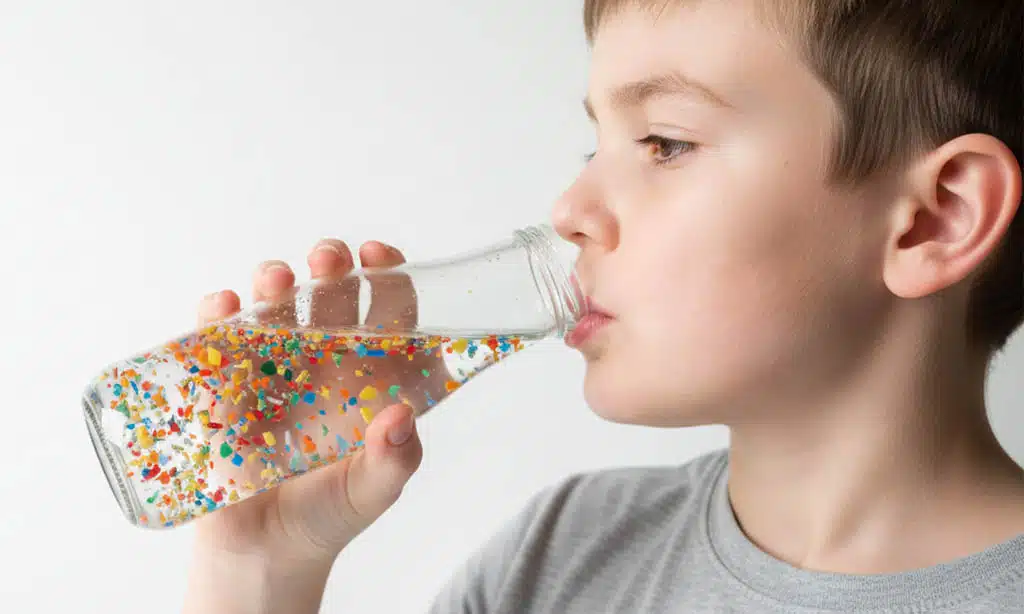
While industrial pollution is a major driver of environmental plastics, your personal exposure is often determined by what happens inside your four walls. Understanding these “high-traffic” vectors is the first step toward mitigation.
Drinking Water (Tap vs. Bottled)
In 2026, the debate between tap and bottled water has a clear winner regarding plastic content. Recent studies using the advanced SRS technology mentioned above revealed that bottled water can contain up to 240,000 plastic fragments per liter—10 to 100 times more than previously estimated. A significant portion of these are nanoplastics, likely shedding from the bottle material (PET) and the reverse osmosis filters (polyamide) used by bottling companies.
Tap water is not exempt—it often contains microfibers from plumbing and source contamination—but the concentrations are generally lower than in bottled water. Furthermore, tap water is easier to filter effectively at the point of use (your kitchen sink), whereas bottled water is a finished product you cannot easily clean.
Food Packaging and Storage
The convenience of modern food packaging is a primary source of ingestion.
- Takeout Containers: Hot food placed in plastic containers accelerates the leaching of chemical additives and microplastics. The heat energy causes the polymer chains to loosen, releasing particles into your curry or soup.
- Plastic Wrap and Deli Meats: Fatty foods (like cheese and meats) are particularly effective at absorbing chemicals from the soft plastics they are wrapped in.
- Microwaving: This remains the single biggest “user error.” Microwaving plastic—even if labeled “microwave safe”—drastically increases the release of billions of nanoplastic particles into food.
Cookware and Kitchen Tools
Your kitchen drawers may be harboring hidden sources.
- Non-stick Cookware: PTFE (Teflon) pans are safe when new, but once scratched, they release thousands of microplastic and PFAS particles with every meal.
- Plastic Cutting Boards: A 2023 study estimated that chopping food on plastic boards can generate substantial microplastic debris that sticks to your meat and vegetables.
- Kettles: Boiled water from plastic electric kettles has been shown to contain high levels of microplastics, released as the plastic expands and contracts with thermal shock.
Clothing, Laundry, and Indoor Dust
Ideally, we think of plastic as solid objects, but in the home, it is often airborne. Indoor dust is largely composed of synthetic fibers shed from clothing, carpets, and upholstery (polyester, nylon, acrylic).
- The Laundry Cycle: Every time you wash a synthetic fleece jacket, it sheds thousands of microfibers. These fibers enter wastewater systems, but they also shed into your home air when you wear the clothes or run a tumble dryer.
- Dryer Lint: Dryer vents often expel microfibers into the outside air, but internal leaks can recirculate them back into your laundry room, settling as dust that you eventually inhale or that lands on your food.
Health Risks of Microplastics (What We Know So Far)
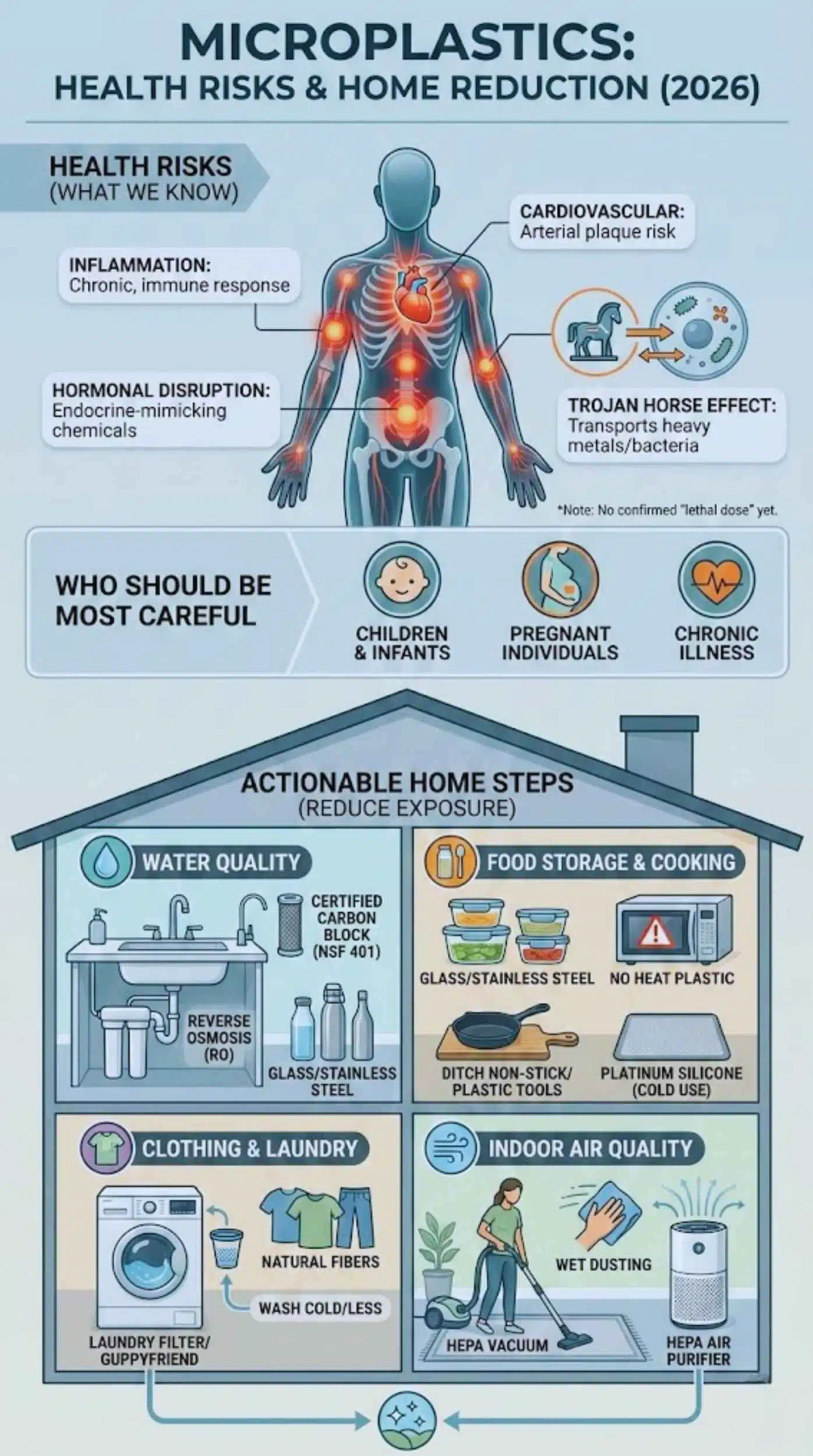
The medical community in 2026 is moving from “observation” to “risk assessment.” While definitive causality for specific diseases is still being mapped, the correlation data has become too strong to ignore.
What Studies Show (And What They Don’t)
The primary concern is inflammation. The body’s immune system recognizes plastic particles as foreign invaders but cannot break them down. This leads to chronic, low-grade inflammation, which is a precursor to many modern diseases.
- Cardiovascular Health: A landmark study released just prior to 2026 found that patients with microplastics in their arterial plaque had a significantly higher risk of heart attack and stroke than those without.
- Hormonal Disruption: Many plastics contain additives like bisphenols and phthalates. These chemicals are endocrine disruptors, potentially mimicking estrogen and interfering with metabolic health and fertility.
- The “Trojan Horse” Effect: Microplastics act as magnets for other toxins (heavy metals, bacteria). When ingested, they can transport these harmful passengers deep into the body’s tissues.
It is important to note what studies don’t show yet: we do not have a confirmed “lethal dose” of microplastics, nor a direct timeline for how long exposure takes to manifest as disease in humans.
Who Should Be Most Careful
While everyone is exposed, certain groups are at higher risk:
- Children and Infants: Children breathe more air per kilogram of body weight than adults and spend more time crawling on the floor (where heavy microplastic dust settles). Their developing organs are also more susceptible to hormonal disruption.
- Pregnant Individuals: With confirmation that nanoplastics can cross the placental barrier, reducing exposure during pregnancy is a prudent precaution to lower the fetal toxic load.
- People with Chronic Inflammation: For those managing autoimmune diseases or cardiovascular issues, reducing environmental inflammatory triggers is a key part of holistic management.
How to Reduce Microplastics Exposure at Home (Actionable Steps)
Reducing exposure does not require living in a bubble. It requires strategic swaps in the areas where plastic interacts with heat, abrasion, or water. Here is your 2026 action plan.
Improve Drinking Water Quality
This is the highest-impact change you can make.
- The Gold Standard: Reverse Osmosis (RO): If your budget allows, an under-sink RO system is the most effective barrier. RO membranes have a pore size of approximately 0.0001 microns, which effectively blocks virtually all microplastics and nanoplastics.
- The Accessible Option: Certified Carbon Blocks: If RO is too expensive or wasteful (it rejects water), look for a high-quality solid carbon block filter. Crucially, do not rely on standard pitcher filters (which often only remove taste and odor). You need a filter certified to NSF/ANSI 401 (for emerging contaminants) or one that explicitly states an absolute pore size of 0.5 microns or smaller.
- Glass Bottles: If you must carry water, use a glass or stainless steel bottle. Avoid refilling disposable PET plastic bottles, as the plastic degrades rapidly with reuse and UV exposure.
Switch to Safer Food Storage
The goal here is to stop plastic from touching your food, especially when the food is hot, acidic, or fatty.
- Glass and Stainless Steel: Swap your plastic Tupperware for glass containers with locking lids. Glass is inert and does not shed. If you use plastic lids, ensure the food doesn’t touch the lid, or use a layer of parchment paper/wax paper as a barrier.
- The “No Heat” Rule: Never microwave food in plastic. Transfer takeout to a ceramic plate before heating. Even “BPA-free” plastic can release estrogenic chemicals when heated.
- Silicone Caveats: High-quality (“platinum”) silicone is generally safer than plastic and heat-stable. However, lower-grade silicone can contain fillers. Use silicone for cold storage or baking mats, but stick to glass for reheating whenever possible.
Upgrade Your Cooking Habits
Friction releases plastic. Your cooking tools are a major source of “secondary” microplastics.
- Ditch the Non-Stick: If your Teflon pan is scratched, it is time to retire it. Replace it with cast iron, carbon steel, or stainless steel. These materials are durable and plastic-free. If you must use non-stick, look for modern ceramic coatings (sol-gel), but treat them gently.
- Cutting Boards: Switch to a solid wood or bamboo cutting board. While wood absorbs bacteria (which usually die as the wood dries), plastic boards develop deep grooves that harbor bacteria and shed plastic slivers into your food.
- Utensils: Use wooden or stainless steel spatulas. Melting a plastic spatula tip on a hot pan is a direct injection of plastic into your dinner.
Reduce Microplastics from Clothing & Laundry
Since we inhale microplastics from dust, managing textiles is critical.
- Wash Less, Wash Cold: Frequent washing breaks down fibers. Wash synthetic clothes (gym gear, fleece) only when truly dirty. Use cold water and a gentle cycle to reduce fiber shedding.
- Laundry Filters: Install a specialized microfiber filter (like a “PlanetCare” or similar external unit) on your washing machine’s drain hose. Alternatively, use a laundry bag (like a “Guppyfriend”) which captures fibers inside the bag before they enter the wastewater.
- Natural Fibers: When buying new clothes, prioritize cotton, wool, linen, and hemp. These natural fibers eventually biodegrade, whereas polyester persists in the environment (and your lungs) indefinitely.
Improve Indoor Air Quality
Dust is the silent carrier of microplastics.
- HEPA Vacuuming: Standard vacuums often suck up dust and blow microscopic particles back out the exhaust. Use a vacuum with a sealed HEPA filter, which traps 99.97% of particles down to 0.3 microns.
- Wet Dusting: Dry dusting just spreads particles into the air. Use a damp microfiber cloth to trap dust and rinse it down the drain (ideally into a filtered system).
- Air Purifiers: Place a HEPA air purifier in the rooms where you sleep and spend the most time. This captures airborne fibers shed from bedding and clothes.
Products That Help Reduce Microplastics (What’s Worth It)
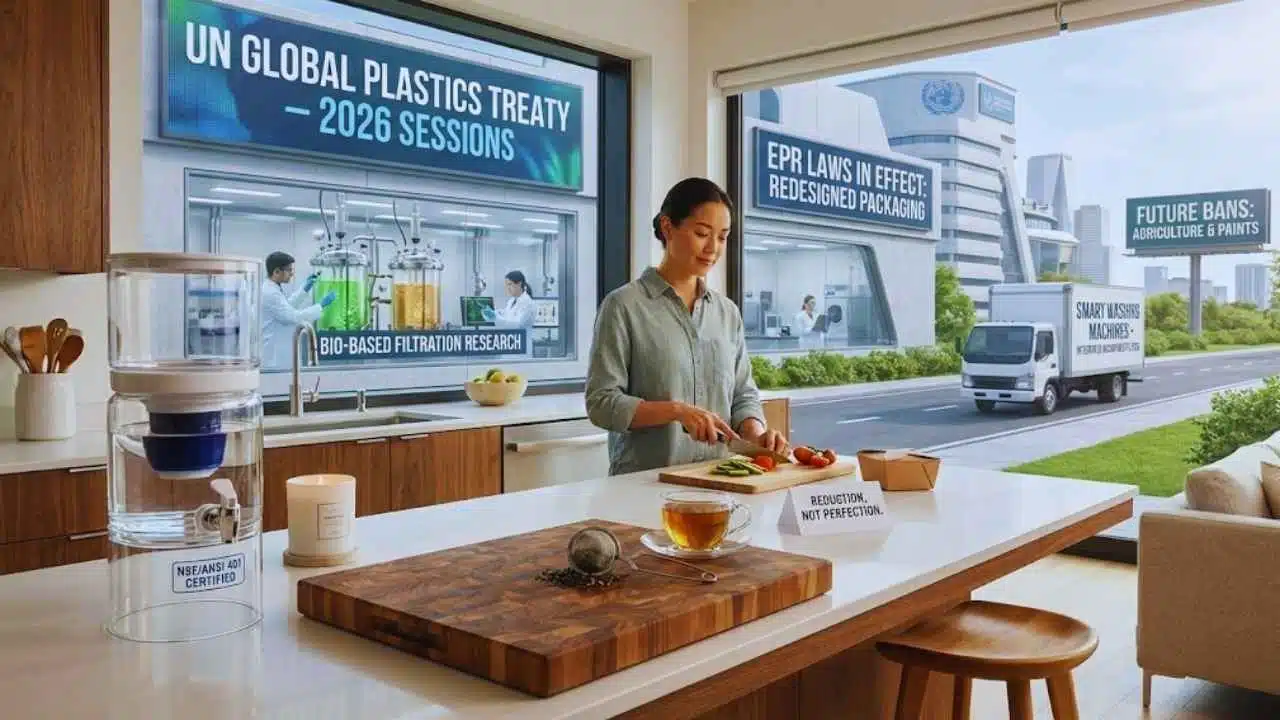
The market is flooded with “eco” products, but only some make a measurable difference in microplastic exposure.
Filters, Cookware, and Storage
- NSF/ANSI 401 Filters: Look for this specific certification on water filters. It verifies the reduction of “emerging compounds,” including microplastics.
- Glass Gravity Filters: Countertop systems with heavy-duty ceramic or carbon block candles are excellent renters’ alternatives to under-sink RO systems.
- Wooden Cutting Boards: Invest in end-grain wood boards. They are self-healing and do not contaminate food with synthetic polymers.
- Loose Leaf Tea Infusers: Many “silky” tea bags are actually made of plastic mesh (nylon or PET), which release billions of particles when steeped in boiling water. Switch to loose-leaf tea and a metal strainer.
What Not to Worry About (Avoiding Microplastic Panic)
It is easy to spiral into anxiety when you realize plastic is omnipresent. However, stress is also a toxin. It is vital to adopt a philosophy of reduction, not perfection.
Do not worry about the occasional takeout meal or the plastic wrapper on a cucumber. Your body has detoxification mechanisms (liver, kidneys) that can handle some load. The goal is to lower the chronic daily intake from water and air, which constitute the bulk of exposure. If you filter your water and vacuum with a HEPA filter, you have likely eliminated the majority of your household risk. Focus on these high-yield habits and forgive yourself for the rest.
The Future of Microplastics Regulation and Research
As we move through 2026, the regulatory landscape is finally catching up to the science.
Policy Changes Expected After 2026
The UN Global Plastics Treaty, with critical sessions in late 2025 and early 2026, aims to establish legally binding international instruments. We expect to see “Extended Producer Responsibility” (EPR) laws, which will force manufacturers to redesign packaging to shed fewer particles. Future bans will likely target intentionally added microplastics in agriculture and paints, similar to the ban on microbeads in cosmetics.
Emerging Technologies
Innovation is responding to the crisis. Scientists are developing bio-based filtration using bacteria that naturally degrade plastic polymers. Additionally, “smart” washing machines are entering the market with integrated microfiber filtration systems as a standard feature, preventing plastics from entering the water cycle at the source.
Final Thoughts
Living in 2026 means accepting that microplastics are part of our environment, but they don’t have to dictate our health. By making the switch to filtered water, minimizing heated plastics, and managing indoor dust, you are taking powerful, science-backed steps to protect your family. The “Plastic Age” may be here, but with awareness and adaptation, we can still live healthy, resilient lives.