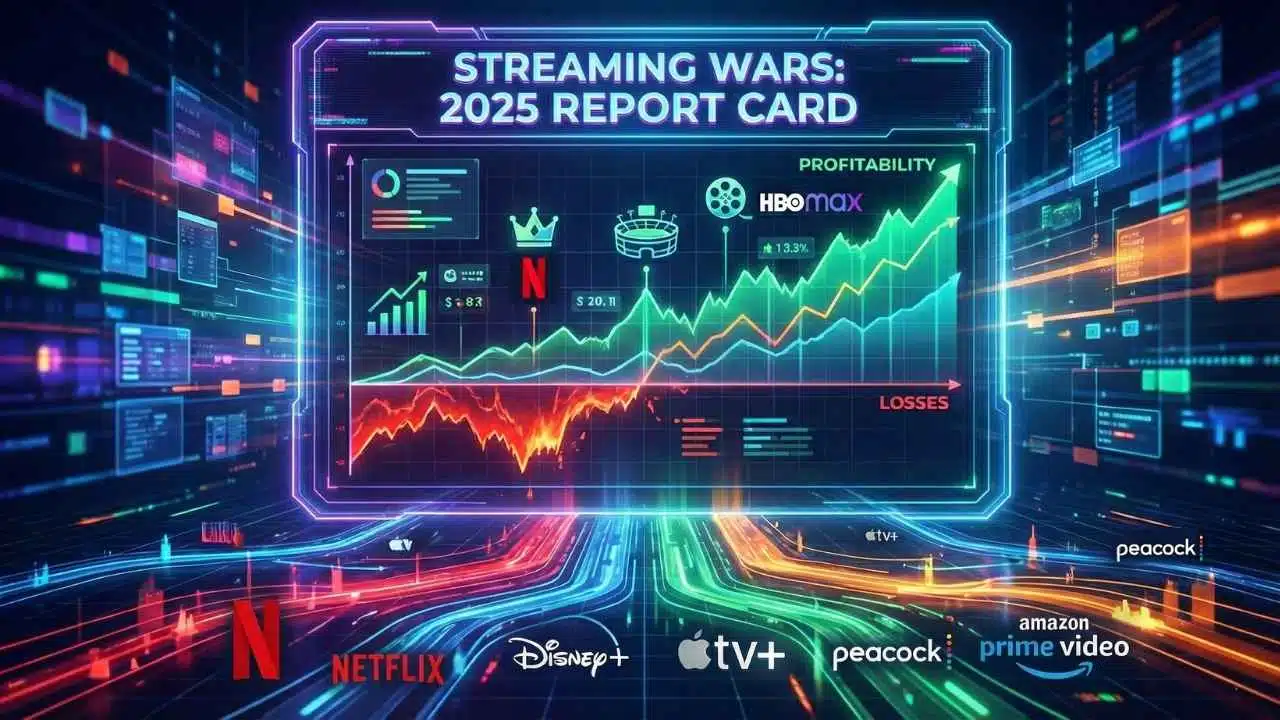
If the last decade of entertainment was defined by the “Streaming Wars,” a chaotic land grab where subscriber counts were the only metric that mattered, then 2025 will be remembered as the year the armistice was signed, and the accountants took over. After five years of aggressive spending and billions of dollars in losses, the streaming industry finally achieved a collective milestone: it turned a profit.
However, this financial victory comes with a complex set of caveats. While the sector as a whole is in the black, the landscape is far from stable. NBCUniversal’s Peacock is still grappling with profitability issues, and Apple TV+ remains a financial black box, its economics inextricably linked to the iPhone maker’s trillion-dollar ecosystem. Yet, the narrative has undeniably shifted. The era of “growth at all costs” is dead.
As we analyze the Streamer Report Card for 2025, we see an industry in the midst of a massive identity crisis. The “WTF” moments of the year, from shock mergers to baffling rebranding efforts, reveal that while the red ink is drying, the rules of the game are being rewritten in real-time. With Morgan Stanley analysts predicting a “market repair” phase in 2026, driven by corporate spin-offs and the continued collapse of legacy linear TV, the question remains: now that streamers are making money, how do they measure true success?
Key Takeaways
Profitability is Here: 2025 was the first year the streaming sector collectively turned a profit, ending the “growth at all costs” era.
Metrics Have Changed: Companies are hiding subscriber counts in favor of “engagement” and “revenue per user” to mask slowing growth.
Content Contraction: The volume of new shows is decreasing as platforms focus on franchises and guaranteed hits rather than experimentation.
Sports is the Life Raft: For legacy media companies like Disney (ESPN) and NBCU (Peacock), live sports rights are the only thing preventing massive churn.
M&A is Looming: The potential sale of Warner Bros. Discovery assets will likely reshape the industry hierarchy in 2026.
The State of the Industry: The “Market Repair” Phase
With economic maturity comes scrutiny. For years, Wall Street rewarded streamers for adding subscribers, regardless of how much it cost to acquire them. In 2025, that patience evaporated.
The Death of Subscriber Counts
One of the most telling trends of 2025 was the decision by industry titans like Netflix and Disney to phase out the quarterly reporting of subscriber numbers. This move signals a fundamental change in how success is measured. The new “north star” metrics are
-
Revenue Per User (ARPU): How much money is extracted from each viewer via subscription fees and ads.
-
Engagement: Total hours viewed, which reduces churn (cancellations).
-
Profitability: The ultimate bottom line.
Success or failure in streaming is now subject to interpretation. A service with fewer subscribers but higher ad revenue and lower churn is now considered healthier than a service with massive, fickle growth.
The Linear Paradox
Despite the cultural dominance of streaming, a recent report from Morgan Stanley offered a reality check: spending on linear TV remains about double that on streaming. However, this is a lagging indicator. In 2026, analysts predict a phase of “streaming market repair.” Corporate spin-offs and aggressive cord-cutting are rapidly shrinking legacy TV as an investment factor. The money is moving, and it is moving fast.
The Consolidation Game
Streaming remained a headline-grabber even before the game-changing deal centering on the assets of Warner Bros. Discovery was finalized. With Netflix and Paramount both circling the wagons, the industry is bracing for a level of consolidation that could leave us with just three or four major apps by 2030.
Top 10 Streaming Services Report Card in 2025
Here is our in-depth analysis of the major players, graded not just on their content but on their strategic positioning for the volatile year ahead.
1. Apple TV+: The Prestige Boutique
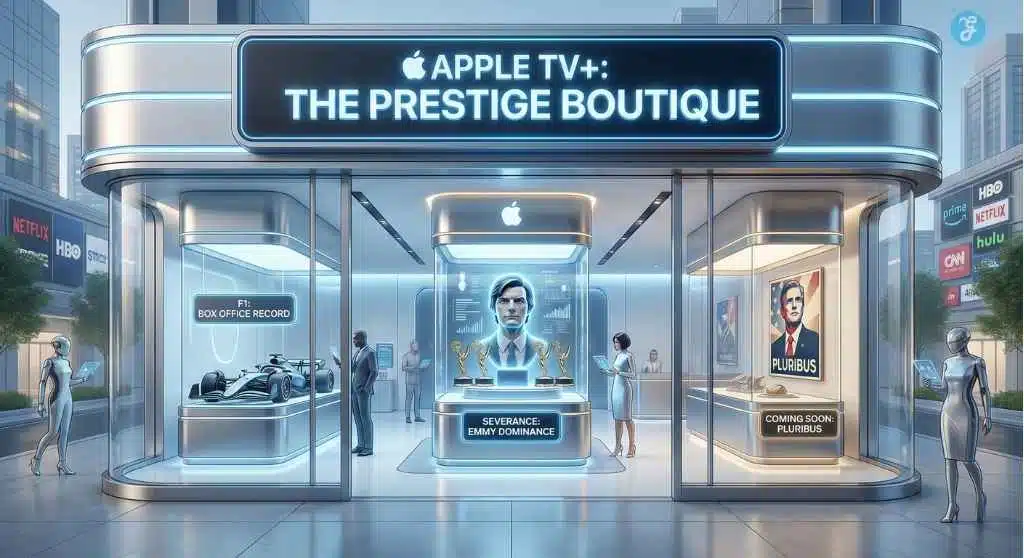
The 2025 Reality: Apple TV+ continues to operate in its own lane. It is the only major service that has resisted the urge to introduce an ad-supported tier, maintaining its status as a premium, “walled garden” experience. However, this exclusivity comes at a cost: market share.
The Highlight Reel: The return of Severance for its second season was the undeniable creative peak of the year. Sweeping the Emmys with 27 nominations and securing 8 wins, it cemented Apple’s reputation as the modern successor to the “Golden Age of HBO.” Additionally, the platform’s distribution deal with Warner Bros. for the film F1 resulted in Apple’s largest-ever box office opening, proving they can play in the theatrical sandbox successfully.
The Strategic Blunder: Branding remains Apple’s Achilles’ heel. In a move that baffled industry observers, the service removed the “+” from its name, rebranding simply as “Apple TV.” This caused immediate confusion with the Apple TV hardware box and the Apple TV app, forcing consumers to guess which product was being advertised.
2026 Outlook: Eddy Cue, Apple’s SVP of Services, has admitted the service is “further behind” than intended. With subscriber estimates stuck around 45 million—”small potatoes” in this sector—Apple faces a massive decision in 2026. Do they use their massive cash reserves to buy a library (and a seat at the big table), or do they continue to be a niche luxury product?
2. Disney+: The Sports Integration Giant
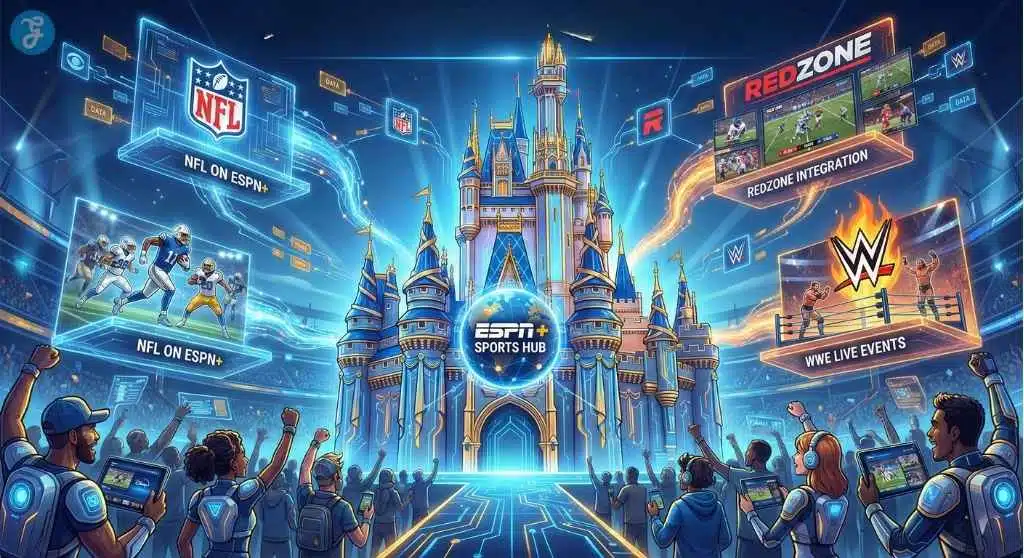
The 2025 Reality: Disney spent 2025 proving that the future of streaming is live sports. The “Mouse House” successfully pivoted from a family-entertainment silo to a comprehensive sports juggernaut.
The Highlight Reel: The integration of ESPN into the core streaming offering was seamless and lucrative. By acquiring rights to NFL Network/RedZone and airing every Monday Night Football game, Disney reduced churn significantly. The addition of WWE premium live events further solidified the app as a “must-have” for live entertainment fans.
The Strategic Blunder: Public relations disasters plagued the company. The decision to pull Jimmy Kimmel off the air amidst political pressure from the incoming administration was viewed by many as a capitulation. This triggered a viral “Cancel Disney+” campaign, with independent data suggesting millions of subscribers churned out in protest. While Disney stopped reporting exact numbers, the sentiment damage was undeniable.
2026 Outlook: The next frontier is artificial intelligence. Disney has signed a blockbuster deal with OpenAI, signaling a move toward AI-generated content. This is a minefield; if mishandled, it could alienate the creative community and audiences alike. 2026 will be a test of whether Disney can innovate without losing its soul.
3. HBO Max (Warner Bros. Discovery): The Asset in Play
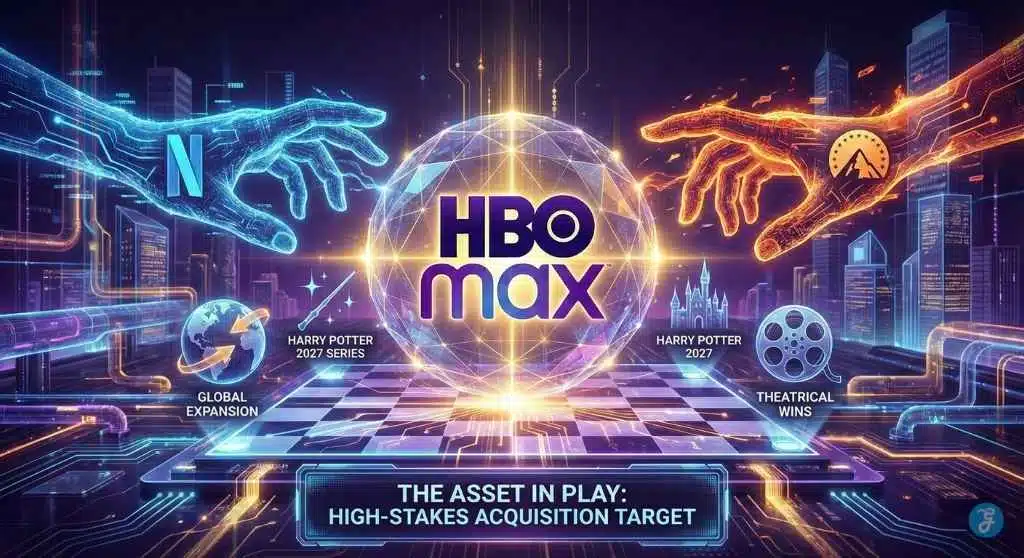
The 2025 Reality: Warner Bros. Discovery spent the year dressing itself up for a sale. Despite a heavy debt load, the quality of its library made it the “belle of the ball” for potential suitors like Netflix and Paramount.
The Highlight Reel: In a year of contraction, HBO Max found growth through acquisition interest. The prospect of being acquired by a deeper-pocketed rival infused the company with a sense of potential. Furthermore, the theatrical slate had a banner year, with films like Superman performing well in cinemas, although—worryingly—this success didn’t fully translate to streaming sign-ups.
The Strategic Blunder: The naming convention saga continued. After spending millions to rebrand from “HBO Max” to “Max” in previous years, the company reversed course in 2025, pivoting back to “HBO Max.” It was a corporate face-palm moment that belongs in marketing textbooks as a cautionary tale of indecision.
2026 Outlook: Globalization is the key. Having finally launched in territories previously locked by Sky deals (UK, Germany, and Italy), HBO Max needs to prove it can generate local hits in Europe. All eyes are also on the 2027 Harry Potter series; the platform needs to survive 2026 to reap that reward.
4. Netflix: The Unstoppable Algorithm
The 2025 Reality: While competitors struggled to find an identity, Netflix continued to operate as a utility—essential, ubiquitous, and increasingly profitable.
The Highlight Reel: Netflix has long sought a franchise it owns 100%, and they found it with K-pop Demon Hunters. The animated musical was a massive hit, surpassing 500 million views and generating nearly $20 million in a unique theatrical “sing-along” release. It proved that Netflix can build IP from scratch.
The Strategic Blunder: Gaming remains a weak spot. Co-CEO Greg Peters oversaw a pivot away from ambitious titles toward casual “living room” games (like the ill-fated Boggle adaptation). For a company that executes so well on video, the gaming strategy feels surprisingly directionless.
2026 Outlook: The looming acquisition of Warner Bros. assets ($82.7 billion) is the elephant in the room. If this deal closes, integrating HBO’s prestige culture with Netflix’s algorithmic volume strategy will be the biggest corporate integration challenge in media history. Additionally, new film chairman Dan Lin faces pressure to improve the quality of the original film slate.
5. Paramount+: The Content Paradox
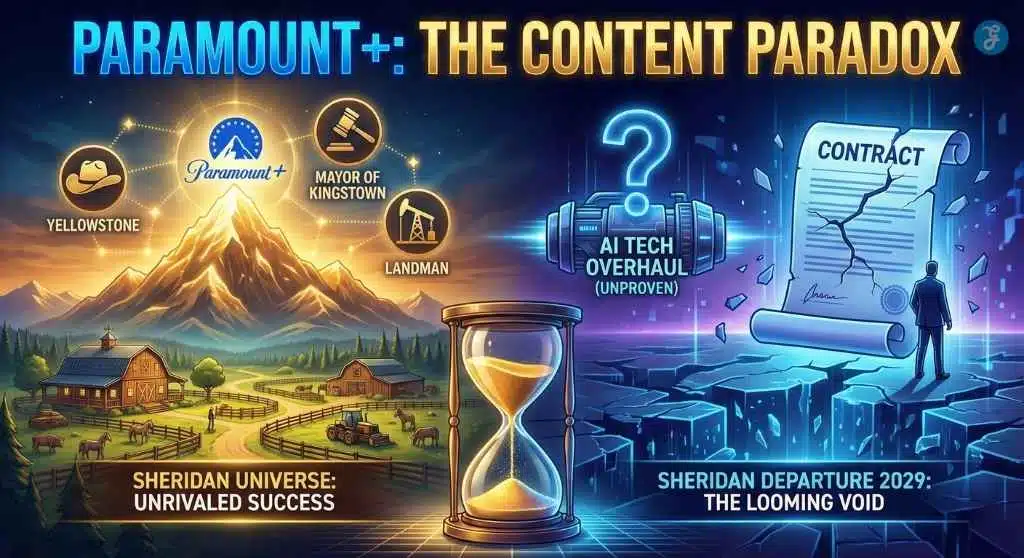
The 2025 Reality: Paramount+ offered some of the most-watched TV in America, yet the business side was defined by instability and leadership churn.
The Highlight Reel: Taylor Sheridan remains the MVP of linear and streaming TV. Shows like Landman, Tulsa King, and Mayor of Kingstown are ratings juggernauts. Despite layoffs and merger chaos with Skydance, the content pipeline remained robust and effective.
The Strategic Blunder: Losing the golden goose. Taylor Sheridan announced he would leave for NBCUniversal in 2029. While the departure is years away, the failure of new CEO David Ellison to lock down the platform’s most valuable creator sent shockwaves through the industry.
2026 Outlook: Ellison has promised a “tech overhaul” using AI to modernize the app. However, technology alone cannot fix a content hole. Paramount+ needs to find a hit that isn’t written by Taylor Sheridan to prove it has a future as a standalone service.
6. Peacock: The Reality & Sports Hub
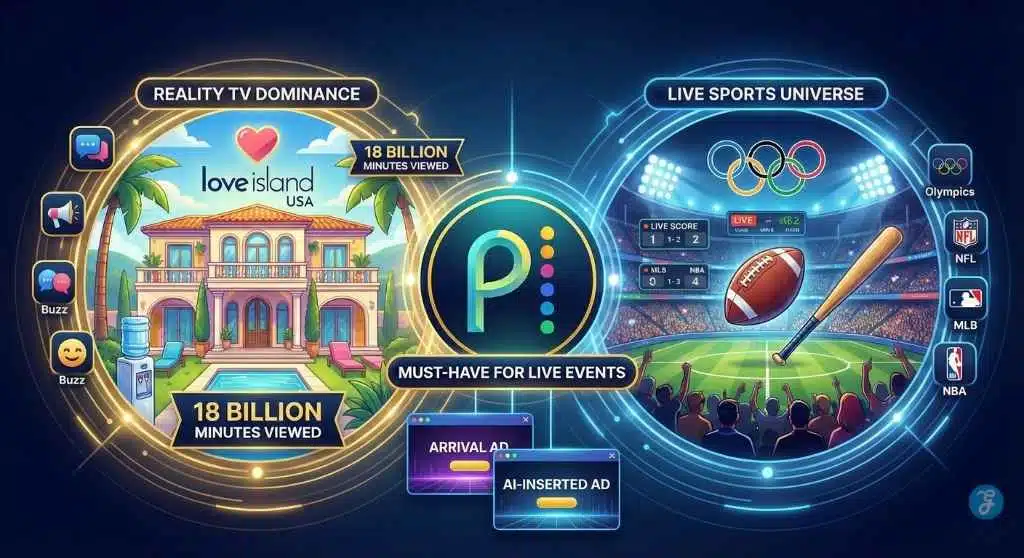
The 2025 Reality: NBCUniversal’s streamer has carved out a specific niche: it is the place for live events and unscripted buzz, but it struggles to be taken seriously as a home for prestige drama.
The Highlight Reel: Love Island USA Season 7 was a monster hit, generating 18 billion minutes of viewing. It proved that Peacock owns the “watercooler” conversation for reality TV.
The Strategic Blunder: Ad saturation reached a breaking point. The introduction of “arrival ads” (playing immediately upon login) and AI-inserted ads during live sports moments (like a team reaching the 10-yard line) feels aggressive. It risks alienating the very users they are trying to retain.
2026 Outlook: Can sports save the platform? Peacock is banking on a “Sports Super Cycle” in 2026, featuring the Winter Olympics, the Super Bowl, and MLB rights. If this lineup doesn’t turn the financial tide, the service may be viewed as a prime candidate for a merger or shutdown.
7. Prime Video: The Volume Player
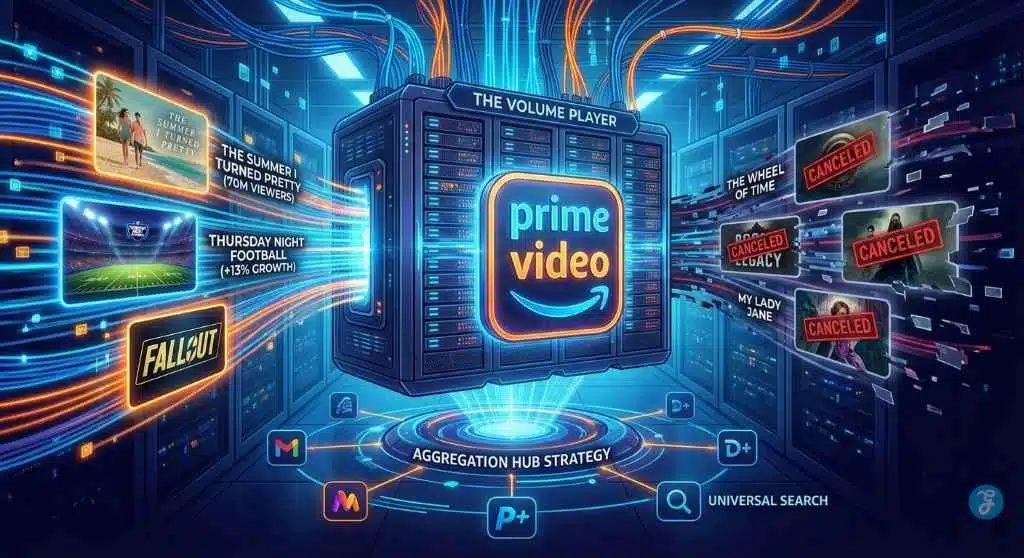
The 2025 Reality: Amazon continues to view streaming as a perk for its shipping business, leading to a strategy that is high on volume but erratic on commitment.
The Highlight Reel: The Summer I Turned Pretty returned with 70 million global viewers, and Thursday Night Football saw double-digit growth for the third year in a row. When Amazon wins, they win big.
The Strategic Blunder: The cancellation axe swung too freely. Amazon canceled a slew of shows (The Wheel of Time, Bosch: Legacy, and My Lady Jane), creating a “Netflix-style” reputation where viewers are afraid to start shows for fear they won’t have an ending.
2026 Outlook: Amazon wants to be the “Universal Hub.” The strategy is shifting from just producing content to being the aggregator, where you watch everyone else’s content. In 2026, expect them to double down on being the “Google of Streaming.”
8. YouTube: The Sleeping Giant
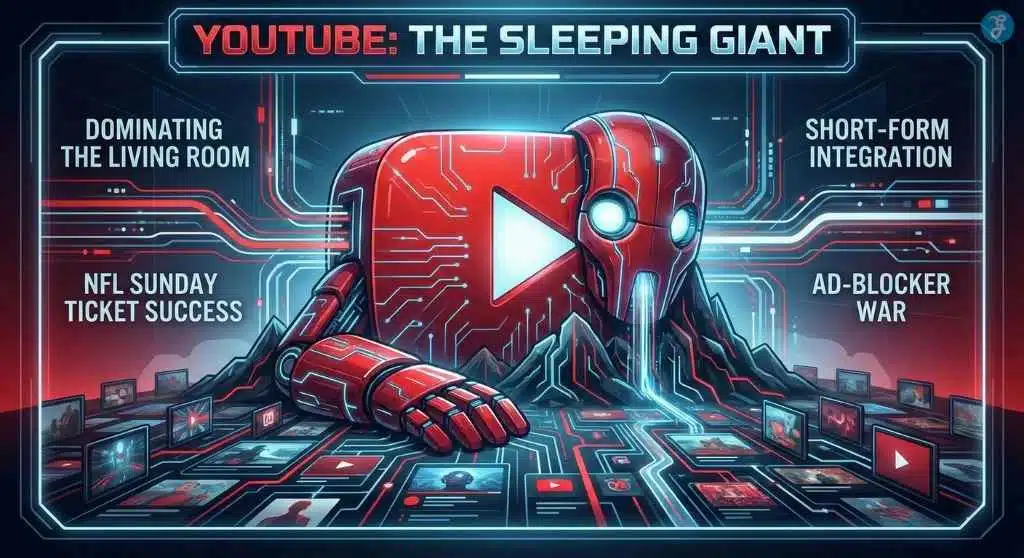
The 2025 Reality: While Hollywood focuses on scripted drama, Google’s video giant has quietly won the battle for the living room. In 2025, YouTube wasn’t just a platform for viral clips; it cemented itself as the de facto operating system for modern television, blurring the lines between social video and premium TV.
The Highlight Reel: The bet on sports paid off massively. After a rocky start, YouTube’s exclusive rights to the NFL Sunday Ticket fully matured in 2025. By integrating multiview technology and flawless streaming quality, they stole the sports crown from traditional cable. Nielsen data confirmed that for under-35s, YouTube (including YouTube TV) is now the primary television destination, surpassing Netflix in total daily consumption hours during the football season.
The Strategic Blunder: The “Ad-Blocker War” turned ugly. Google spent 2025 fighting a scorched-earth battle against ad blockers, implementing server-side injection that rendered most blockers useless. While effective for revenue, it triggered a massive PR crisis in Q2, with “user hostile” trending for weeks and alienating a vocal segment of their core tech-savvy user base.
2026 Outlook: The battle for attention is shifting to short-form on the big screen. The challenge for 2026 is seamlessly integrating “Shorts” onto the 65-inch TV without ruining the lean-back experience. Additionally, with the NBA rights potentially in play, analysts are watching to see if Google uses its war chest to monopolize sports and officially kill the concept of cable.
9. Tubi: The King of Free
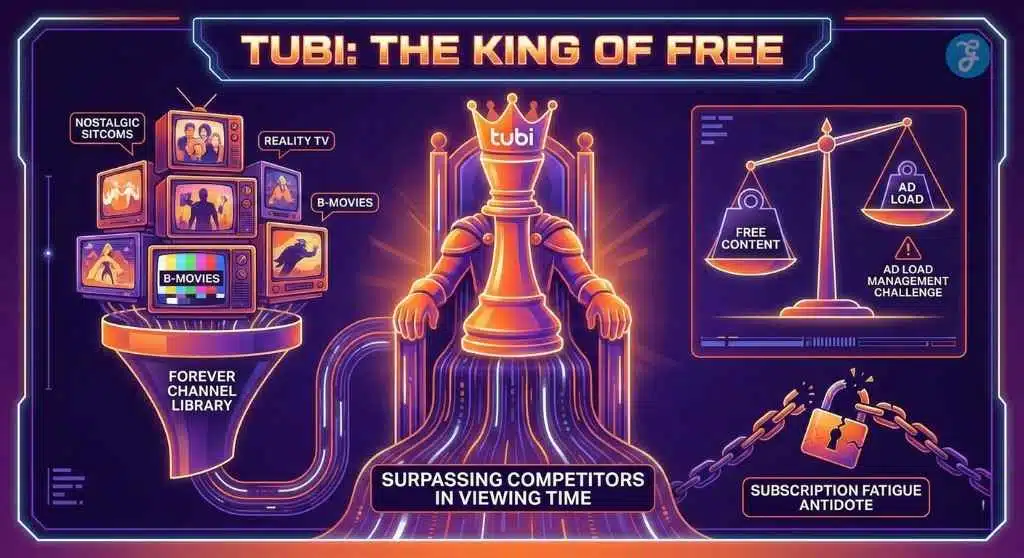
The 2025 Reality: If 2025 was the year of “Subscription Fatigue,” Tubi was the antidote. Fox Corporation’s free, ad-supported streamer (FAST) didn’t just survive; it thrived by being the exact opposite of its premium competitors—free, frictionless, and nostalgic.
The Highlight Reel: In a shocking metrics report released in September, Tubi revealed it had surpassed Peacock and Paramount+ in total viewing time for three consecutive months. By acting as the “forever channel” with a deep library of sitcoms, reality TV, and B-movies, Tubi proved that consumers are willing to watch ads if the content costs them nothing.
The Strategic Blunder: The “Originals” quality gap remains an issue. Tubi attempted to step up its original programming game in 2025 to shed its “bargain bin” reputation, but the results were mixed. Critics panned the slate as “cable-access quality,” reinforcing the stigma that Tubi is a place for reruns rather than premium premieres.
2026 Outlook: As profitability becomes the focus, the temptation to stuff more ads into every break is high. Tubi’s challenge in 2026 is finding the breaking point; if they push the ad load too high, they risk destroying the goodwill that fueled their massive growth. Rumors also persist that a larger player (like Apple or Amazon) may look to acquire them to bolster their own ad tiers.
10. Crunchyroll: The Niche Superpower
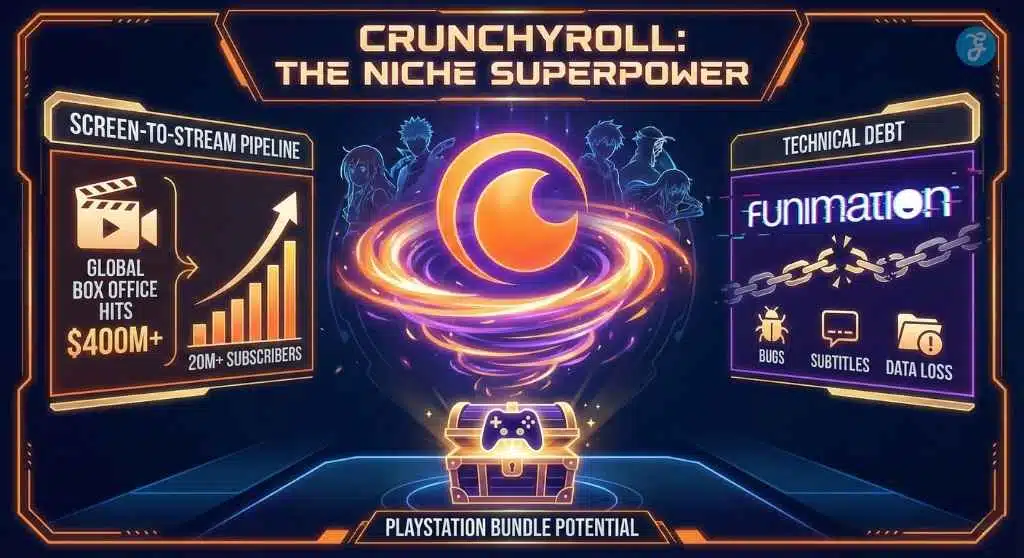
The 2025 Reality: While Netflix tries to be everything to everyone, Crunchyroll (owned by Sony) doubled down on being everything to one specific group: Anime fans. In 2025, that strategy proved that serving a passionate niche is one of the most profitable plays in streaming.
The Highlight Reel: Crunchyroll leveraged Sony’s theatrical distribution to perfection. In 2025, they turned three separate anime films into global box office hits, generating over $400 million collectively. This “screen-to-stream” pipeline drove massive subscriber spikes, pushing their global paid user base past 20 million for the first time and proving the power of a lifestyle brand over a generic utility.
The Strategic Blunder: Technical debt from the Funimation merger continued to haunt them. The migration of the Funimation library caused headaches well into 2025, with users complaining of missing dubs, broken subtitles, and data loss. For a paid service, the app experience remained surprisingly buggy and unpolished compared to the smooth interfaces of Netflix or Disney+.
2026 Outlook: Fending off the giants. Netflix has noticed the anime boom (evidenced by their own hit K-pop Demon Hunters) and is pouring billions into the medium. Crunchyroll’s challenge in 2026 is to retain exclusivity with top Japanese studios. Watch for Sony to potentially integrate Crunchyroll into a “PlayStation Plus Ultimate” bundle to lock in gamers and make the service un-cancellable.
Comparative Snapshot: 2025 at a Glance
To summarize the chaotic year, here is a quick breakdown of where the major players stand entering 2026.
| Streaming Service | 2025 Status | Top Win | Top Fail | 2026 Prediction |
| Netflix | Dominant | K-Pop Demon Hunters | Gaming Strategy | Massive M&A Integration |
| Disney+ | Stable | ESPN Streaming Launch | Political Backlash | AI Content Rollout |
| HBO Max | Rising | Acquisition Interest | Rebranding Confusion | Global Expansion |
| Apple TV+ | Niche | Severance Season 2 | “Plus” Name Change | Acquisition or Stagnation |
| Peacock | Struggling | Love Island Success | Invasive Ad Tech | Sports Dependency |
| Paramount+ | Uncertain | Taylor Sheridan Universe | Losing Sheridan (2029) | Tech Overhaul |
2026 Forecast: The “Market Repair” Era
As we look toward 2026, the data points to three major trends that will define the next 12 months.
The Rise of the “Super Bundle”
The fragmentation of the market has annoyed consumers to the breaking point. In 2026, “market repair” will manifest as aggressive bundling. We are already seeing the Disney+/Hulu/Max bundles, but expect this to go further. Competitors will become collaborators to reduce churn, essentially recreating the cable package over the internet.
The AI Experiment Moves from Theory to Practice
2025 was about talking about AI; 2026 will be about deploying it. From Disney’s content generation to Peacock’s ad-insertion tech, AI will become visible to the consumer. This is a high-risk gamble. If viewers feel the content is soulless or the ads are intrusive, the backlash could be severe.
Discovery vs. Content
The battle is no longer just about who has the best show; it is about who helps you find it. Amazon and Apple are racing to become the default “home screen” for television. The winner of this UI war will wield immense power, capable of directing traffic (and subscription revenue) across the entire ecosystem.
Frequently Asked Questions (FAQs)
Why did so many streaming services raise their prices in 2025?
The focus shifted from user acquisition to profitability. Investors demanded that streaming services stop losing money. To achieve this, platforms raised prices on ad-free tiers to push users toward ad-supported plans, which often generate more revenue per user (subscription fee + ad revenue) than premium plans.
Is “Cable 2.0” actually happening?
Effectively, yes. The re-bundling of services (like Disney+ and Hulu with Max), the introduction of live “FAST” channels, and the crackdown on password sharing are all strategies that mirror the traditional cable model. The delivery method has changed, but the business model is reverting to what worked in the past.
Will Netflix buy Warner Bros. Discovery?
A: It is the most persistent rumor in the industry. While regulatory hurdles (antitrust laws) would be significant, Netflix has the capital and the motivation. Acquiring WBD would give Netflix a century-old library of IP (DC, Harry Potter, Friends) to fuel its recommendation engine indefinitely.
Why are ads appearing in the middle of live sports now?
Platforms like Peacock are using new AI technology to insert ads during “natural breaks” in live action. This is an attempt to maximize revenue without extending the total run-time of the broadcast. It is a controversial strategy that prioritizes advertiser needs over viewer experience.
What is the best streaming strategy for a consumer in 2026?
“The Churn.” Do not stay subscribed to everything all year. Subscribe to a service for a specific show (e.g., Apple TV+ for Severance), watch it, and then cancel. The platforms make it harder to leave, but rotating subscriptions is the only way to keep costs down in this new, more expensive era.
Final Thought: The Golden Handcuffs of the Streaming Age
For a decade, the viewer was the undisputed king of the media landscape. We were courted with artificially low prices, commercial-free binges, and unlimited options. The Streamer Report Card of 2025 confirms that the monarchy has been overthrown by the shareholders.
The streaming ecosystem of 2026 is undoubtedly healthier for the businesses running it. It is more sustainable, more technologically advanced, and finally profitable. But for the consumer, it is more expensive, more ad-heavy, and more restrictive. We have traded the messy, expensive cable box for a sleek, expensive folder of apps.
The content remains stellar, from the highs of Severance to the cultural grip of Love Island, but the friction required to access it has returned. As we enter this new year, the smart consumer must be as ruthless with their subscriptions as the studios have become with their cancellations. The question isn’t “what is there to watch?” but rather, “What can we afford to keep?”
Choose your subscriptions wisely. The free lunch is over.