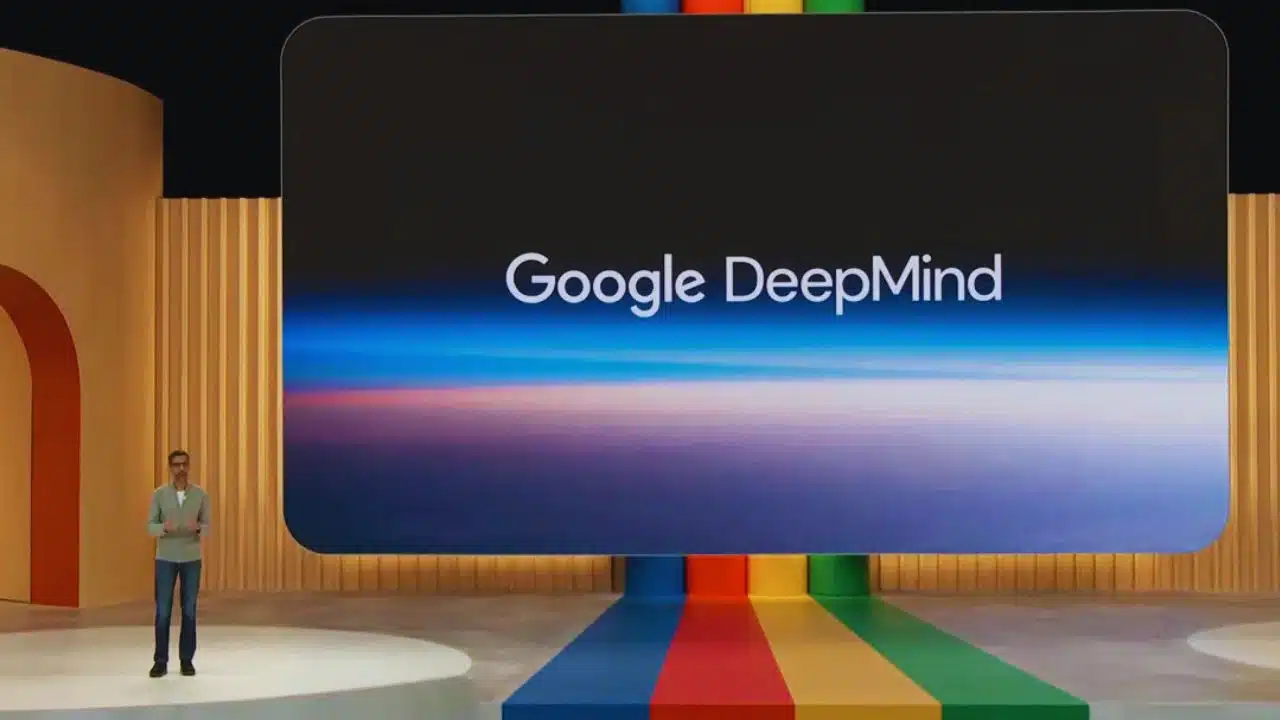
Google DeepMind’s documentary The Thinking Game went free on YouTube on Nov. 25 and—according to CEO Demis Hassabis—crossed 200 million views in four weeks, putting the lab’s AGI push and AlphaFold story in a global spotlight.
What happened
Google said it released “The Thinking Game” for free on the Google DeepMind YouTube channel starting Nov. 25, timed to the fifth anniversary of AlphaFold.
On Dec. 28, Demis Hassabis wrote on X that the documentary had “passed 200M views on YouTube in just 4 weeks,” describing it as a behind-the-scenes look at how an AGI lab works and how AlphaFold was made. The full documentary upload on YouTube is labeled Nov. 25, 2025, with a listed runtime of 1:24:07.
Key dates at a glance
| Milestone | Date | What changed | Evidence |
| Free YouTube release | Nov. 25, 2025 | Google DeepMind made “The Thinking Game” available for free on its YouTube channel. | Google announcement. |
| Full documentary upload date | Nov. 25, 2025 | The feature-length film appeared as a full YouTube upload (1:24:07). | YouTube listing. |
| 200M-views milestone (as stated) | Dec. 28, 2025 | Hassabis said the documentary passed 200M views in four weeks. | Hassabis post on X. |
What the documentary covers
Google describes “The Thinking Game” as filmed over five years by the award-winning team behind “AlphaGo,” and says it takes viewers inside Google DeepMind as researchers pursue artificial general intelligence (AGI).
Google also says the film follows Hassabis and the team through pivotal moments, including when the AlphaFold team realized it had solved a “50-year-old grand challenge in biology,” which Google links to Nobel recognition.
The YouTube description says the documentary traces DeepMind’s journey from mastering strategy games to tackling the protein folding problem with AlphaFold, and notes the film followed a world premiere at the Tribeca Festival and an international tour before the free release.
Credits and production details
The YouTube description lists Greg Kohs as director and Gary Krieg as producer, and also credits Tom Dore and Jonathan Fildes as executive producers.
The same description credits Dan Deacon as composer, alongside roles including editor (Steve Sander) and cinematographer (Greg Kohs).
Tribeca’s festival page lists “The Thinking Game” as a Spotlight Documentary feature with an 83-minute runtime and identifies Greg Kohs as the credited filmmaker.
Why AlphaFold is central to the story
The Nobel Prize in Chemistry 2024 press release states that one half of the prize was awarded jointly to Demis Hassabis and John Jumper “for protein structure prediction.”
That Nobel release says AlphaFold2 helped predict the structure of “virtually all the 200 million proteins that researchers have identified,” and says the system has been used by “more than two million people from 190 countries.”
Google’s documentary announcement explicitly ties the film’s narrative to AlphaFold’s breakthrough and frames the free release as part of the fifth-anniversary moment.
AlphaFold impact (as described by Nobel Prize)
| Metric | Figure | What it refers to | Source |
| Proteins referenced | ~200 million | The number of proteins that the Nobel release says researchers have identified, whose structures AlphaFold2 helped predict. | Nobel Prize press release. |
| Users | 2+ million | The number of people the Nobel release says have used AlphaFold2. | Nobel Prize press release. |
| Countries | 190 | The number of countries represented among AlphaFold2 users in the Nobel release. | Nobel Prize press release. |
What 200M views signals—and how to read it
Hassabis’s statement puts “The Thinking Game” among the most-watched recent long-form tech documentaries on YouTube, at least by the metric he cited (200M views in four weeks).
Google’s positioning of the film emphasizes public education and transparency—inviting viewers into lab life, research trade-offs, and the long timelines behind breakthroughs—rather than presenting it as a product launch.
At the same time, view totals on platforms can change over time due to audits, regional counting rules, or measurement updates, so ongoing verification typically relies on the public counter on the hosting platform and repeated snapshots.
What comes next
Google has framed the documentary release as part of AlphaFold’s anniversary moment, suggesting the company will keep using major milestones to communicate research progress to a wider audience.
The film’s focus on AGI, combined with its mass audience reach, is likely to intensify public debate about how frontier AI labs should be governed, what “safe AI” means in practice, and how scientific benefits should be shared.
If Google DeepMind continues releasing long-form content around research projects, audiences can expect more direct-from-the-lab storytelling tied to flagship scientific results and safety discussions.