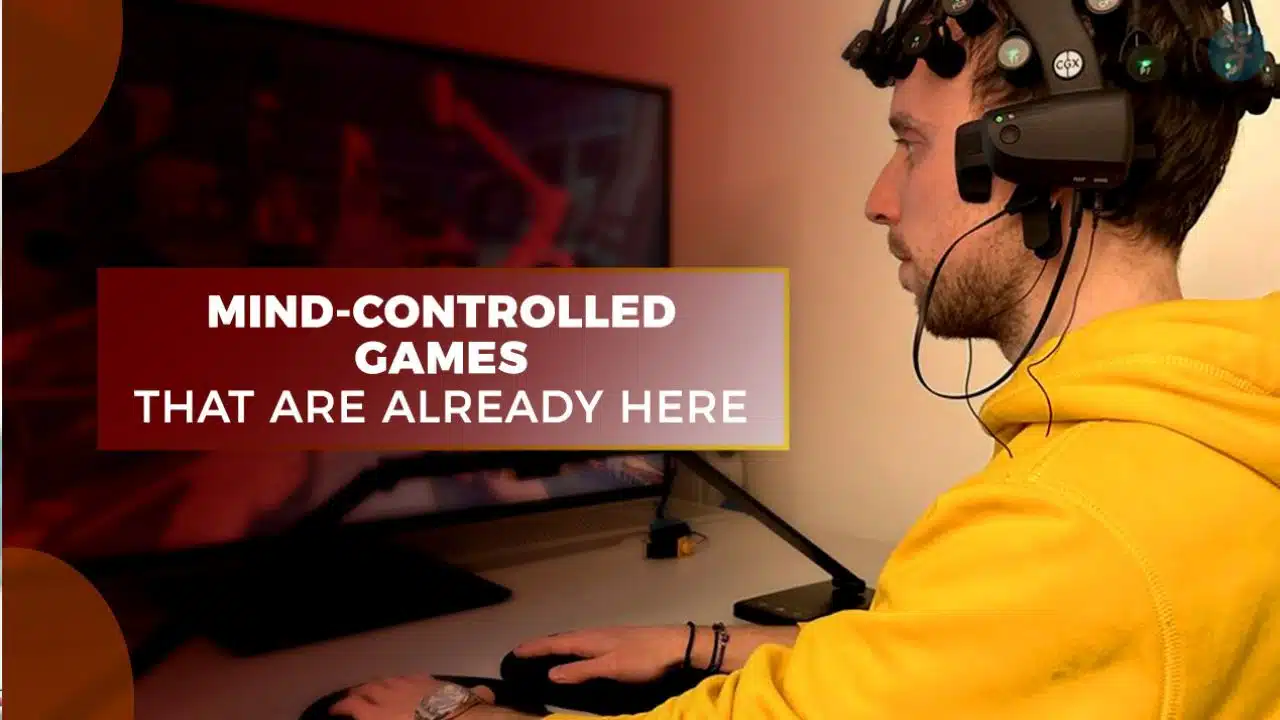
Video games have always been about control. You press buttons, move joysticks, and characters respond on screen. But what if you could control games with just your thoughts? Many gamers dream of this reality, yet they don’t know it already exists.
Brain activity can now power real gaming experiences through special devices. Companies like NeuroSky and Emotiv have created headsets that read your thoughts and turn them into game controls.
These brain-computer interfaces open doors to gaming that feels like magic. Your mind becomes the controller.
This guide reveals five games you can play right now using mind control technology. We’ll explore how each game works and what makes them special. You’ll discover the gaming hardware that makes it all possible.
We’ll also look at how these games handle complex topics like morality and decision-making through direct brain interaction.
Ready to control games with your mind?
Key Takeaways
- Companies like NeuroSky and Emotiv create headsets that read brain waves and turn thoughts into game controls today.
- Games like MindJack, Psi-Ops, Bioshock, Second Sight, and Streets of Rogue already use mind control mechanics successfully.
- Current brain-computer interface devices lack medical certification and struggle with accuracy, creating challenges for developers and players.
- Perri Karyal demonstrated beating Elden Ring bosses using only thoughts, though social media reactions included skepticism and fraud accusations.
- Future gaming will use direct brain implants for smoother control, eliminating the need for traditional controllers or keyboards.
What is MindJack and how does it use mind control?
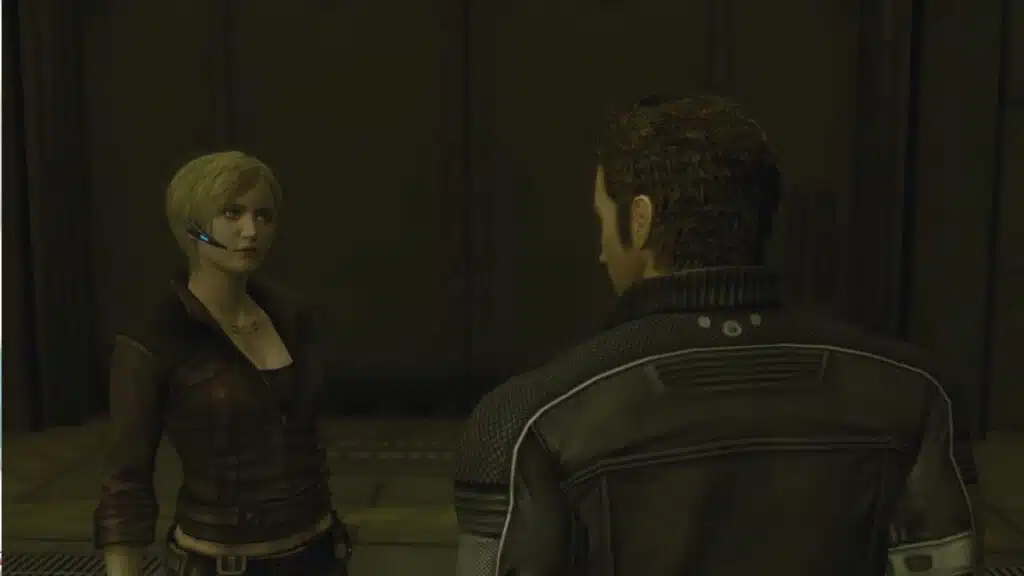
MindJack puts players in the shoes of an FBI agent who can jump into other people’s minds. This action game lets you take control of enemies, civilians, and even animals during combat.
You can hop from one body to another, turning foes into allies with a simple mental leap. The game makes mind control feel like second nature as you switch between different characters to solve problems and fight battles.
Mind control becomes your main weapon in this futuristic world. Players can possess multiple targets at once, creating small armies of controlled allies. The gaming hardware responds to your choices as you decide which minds to invade next.
Your moral compass gets tested when you control innocent bystanders and force them into dangerous situations. The game shows how mind control can blur the lines between right and wrong, making every possession feel weighty and important.
How does Psi-Ops: The Mindgate Conspiracy incorporate mind-control gameplay?
Psi-Ops: The Mindgate Conspiracy puts telekinetic powers right in your hands. Players control Nick Scryer, a secret agent with serious brain power. You can lift enemies off the ground and throw them around like rag dolls.
Mind drain lets you suck the life force from bad guys. Remote viewing helps you see through walls and spy on enemies from far away. The game makes you feel like you have real psychic abilities.
Each power works differently and serves a purpose in combat. Telekinesis becomes your best friend during fights. You grab objects and hurl them at enemies with deadly force.
Brain activity controls everything you do in this action-packed adventure. The mind control system feels smooth and natural. You can possess enemy soldiers and make them fight for you.
Pyrokinesis lets you set things on fire with just a thought. Aura view reveals hidden enemies and shows their weak spots. Gaming hardware back then struggled to handle all these special effects, but the developers made it work.
Players love how the powers combine together. You might lift an enemy with telekinesis, then roast them with fire powers. The game rewards creative thinking and smart use of your abilities.
Mind control becomes more than just a gimmick here.
What mind-control elements are featured in Bioshock?
Bioshock delivers mind control through its hypnotic plasmids and the mysterious Big Daddy protection system. Players can hack into enemy minds using telekinesis powers. The game lets you turn security cameras against their owners.
You can make turrets shoot your enemies instead of you. Enrage plasmids cause opponents to attack each other in wild confusion. These powers create intense gaming moments that stick with players long after they finish.
Big Daddies show the most striking mind control in the series. These massive protectors follow Little Sisters everywhere through powerful mental bonds. The connection runs so deep that Big Daddies will fight anyone who threatens their charges.
Players witness this bond firsthand during combat encounters. The relationship between protector and child creates strong feelings in gamers. This emotional hook makes Bioshock’s mind control feel real and meaningful, not just another game trick.
How does Second Sight utilize mind-control mechanics?
Second Sight puts players in the shoes of John Vattic, a man who wakes up with powerful psychic abilities. Players can read minds to gather information from other characters. The game lets you move objects with your thoughts, which helps solve puzzles and clear paths.
You can also make enemies turn their weapons on each other through mental manipulation.
Combat becomes more interesting when you use telekinesis to throw objects at enemies. The mind-reading feature reveals hidden story details through conversation snippets. Players can heal themselves using psychic energy, making the gaming hardware feel responsive to your mental commands.
These abilities grow stronger as you progress, giving you more control over your environment and the people around you.
What makes Streets of Rogue a unique mind-controlled game?

Streets of Rogue takes mind control and flips it on its head. This game lets you play as a character who can take over other people’s minds. You walk up to any character in the game world and make them do your bidding.
The mind control works like a tool in your toolkit. You can make enemies fight each other, or turn guards against their own team. The game gives you this power without fancy gaming hardware or complex brain activity sensors.
You just point, click, and watch the chaos unfold.
What sets this game apart is how it mixes mind control with complete freedom. You can solve problems in dozens of different ways. Need to get past a locked door? Mind control the guard to open it for you.
Want to cause distractions? Take over a civilian and make them start a fight. The game throws misdirection at you constantly, but your mind control powers help you cut through the confusion.
Streets of Rogue proves that mind control games don’t need serious storylines or dark themes. Sometimes the best approach is to let players have fun and experiment with their mental powers in a sandbox world full of possibilities.
Features That Make These Games Stand Out
These games grab players with special features that make controlling minds feel real and exciting, so let’s explore what sets them apart from regular video games.
How do immersive gameplay mechanics enhance mind-control games?
Immersive gameplay mechanics transform mind-control games into powerful experiences that connect players directly to the action. Brain activity becomes the main controller, replacing traditional buttons and joysticks.
Players must focus their thoughts to move characters, solve puzzles, or defeat enemies. This direct mental connection creates a deeper bond between player and game. Gaming hardware now reads concentration levels and relaxation states in real time.
Games like MindFlex prove this concept works by using mental focus to navigate obstacles through courses.
Advanced systems track cognitive states through specialized equipment that monitors brain waves. Perri Karyal’s demonstration showed how mapping each intention to a button action creates seamless control.
Players form distinct mental images for different commands, training their minds like muscles. The Tobii eye tracker adds another layer of control, letting gaze move joysticks while head movements control cameras.
This hands-free approach opens gaming to people who cannot use standard controllers. Virtual reality headsets now integrate with brain-computer interfaces, creating experiences where thoughts shape entire digital worlds.
How is mind-control integrated with storytelling in these games?
Mind-control games blend player actions with story events in clever ways. Your mental powers directly shape what happens next in the plot. MindMaze shows how this works best, using brain activity to change stories as you play.
The game reads your emotional state and adjusts scenes to match your feelings. This creates a personal experience that feels different for each player.
Stories in these games respond to your thoughts and choices in real time. MindMaze adapts narratives based on your cognitive responses, making each playthrough feel fresh. The gaming hardware tracks your mental state and feeds that data into the story engine.
Characters might react differently to you based on your stress levels or focus. Plot twists can emerge from your own brain patterns, creating surprises that feel natural and earned.
How is technology advancing mind-control gaming?
Technology companies are making brain-controlled games easier to use. NeuroSky’s MindWave reads brain waves and turns them into game controls. This BCI headset lets players control games with their thoughts.
Emotiv Insight tracks brain activity and supports games like “Mind Race.” The device sits on your head and watches your brain work. Emotiv provides developer tools for creating brain-controlled experiences.
Game makers can build new experiences with these tools.
OpenBCI offers an open-source platform for custom brain-controlled games. Developers share resources and help each other build better games. Karyal uses an Emotiv Epoc X headset to control games.
This gaming hardware works with regular Xbox controllers. Karyal’s setup translates brain signals into virtual controller inputs. Players can control existing games without changing anything.
BCI technology mixed with VR creates adaptive gameplay. Games change based on what players think and feel. Karyal wants to create a mind-controlled robot arm for cooking. This shows how brain activity control is growing beyond games.
What challenges do developers face in creating mind-controlled games?
Creating mind-controlled games is like building a house on quicksand. Current wearable BCI devices lack medical certification, which makes accuracy a real headache for developers. Gaming hardware must read brain activity correctly, but these devices often miss the mark.
Calibration becomes a nightmare because developers need players to imagine distinct mental images for each command. Perri Karyal’s experiments show how complex this gets, as he had to think of completely different things to make each action work.
User comfort creates another major hurdle since people can’t wear heavy devices for long gaming sessions.
Public trust hits developers where it hurts most. Social media reactions to Karyal’s demonstrations included harsh skepticism and fraud accusations. Even Derren Brown, a well-known mentalist, expressed serious doubts about mind-control claims in gaming.
Developers face the tough job of proving their technology works while fighting public disbelief. Long-term effects of BCI use remain unknown, which scares both players and investors.
Karyal’s creative use of a TENS unit connected to a heart rate monitor in horror games shows how developers must get creative with limited tools. Red Alert 2 and Oddworld: Abe’s Exoddus prove that traditional mind-control mechanics work better than real brain interfaces right now.
What does the future hold for mind-control in gaming?
Gaming will soon tap directly into your thoughts and feelings. Advanced brain-computer interfaces are coming fast. These systems will read your emotions and thoughts in real time. Games will respond to how you feel, not just what you do.
The neurogaming market is growing fast. More companies are investing big money in this technology.
Direct brain implants could change everything. Karyal suggests these implants will give players smoother control. Players won’t need controllers or keyboards anymore. Your brain will talk straight to the game.
Gaming hardware will become part of your body. This technology will make games feel more real than ever before. Brain activity will control every part of the game world.
How do fans react to mind-control games?
Fans show mixed reactions to mind-control games. Perri Karyal’s claim of beating two Elden Ring bosses using only thought gained widespread attention on social media. Social media reactions included skepticism, accusations of fraud, and curiosity about the technology.
Some fans doubt these claims work. Others get excited about the future of gaming hardware.
Rich Pelley visited Karyal in North London to investigate her claims, demonstrating media and fan interest in mind-controlled gaming. Karyal’s Twitch content, which includes psychology topics and humor, attracts a diverse audience.
Pelley left Karyal’s demonstration more convinced of mind-control gaming’s possibilities, reflecting the potential for changing perceptions. Fans love watching streamers try new ways to play games.
Brain activity controls make viewers curious about what comes next in gaming.
Notable Mentions in Mind-Control Gaming
Several other games deserve recognition for their creative approaches to mental manipulation. These titles pushed boundaries and showed developers new ways to blend psychological powers with engaging gameplay.
What mind-control features are in Oddworld: Abe’s Exoddus?
Oddworld: Abe’s Exoddus puts mind control at the center of its gameplay. Abe can possess enemy Sligs and make them do his bidding. Players chant special commands to take over these industrial guards.
The possessed Sligs become tools for solving puzzles and clearing dangerous areas.
Abe’s mind control powers work through vocal commands and hand gestures. He can make Sligs shoot other enemies or activate switches. The game lets players control multiple creatures at once.
This creates complex puzzle scenarios where brain activity becomes the key to survival. Gaming hardware responds to these chant-based controls, making players feel like they’re casting spells on their enemies.
How does Red Alert 2: Yuri’s Revenge use mind control?
Red Alert 2: Yuri’s Revenge puts mind control at the center of its gameplay. Yuri’s army relies on psychic powers to turn enemies into allies. Players can control enemy units by using mind control tanks and infantry.
The Mastermind tank grabs multiple enemy vehicles at once. Psychic towers defend bases by converting attacking forces to your side. This creates wild battles where your own troops might turn against you.
Yuri’s faction changes how players think about strategy. Traditional gaming hardware becomes less important than brain power tactics. Enemy soldiers walk into your base and start fighting for you instead.
The mind control mechanics force players to plan differently than other Red Alert 2 factions. You steal enemy resources by controlling their workers. Base defenses become offensive weapons that grow your army.
This twist on real-time strategy gaming makes every battle unpredictable and exciting.
Takeaways
Mind-controlled gaming has moved from science fiction to reality. Players can now control characters with their thoughts, thanks to brain activity sensors and advanced gaming hardware.
Companies like NeuroSky and Emotiv make this possible today.
These games change how we play forever. Your brain becomes the controller, creating experiences that feel magical. Red Alert 2 showed us early glimpses, but modern technology takes us much further.
FAQs
1. How do mind-controlled games actually work?
These games read your brain activity through special headsets. The gaming hardware picks up electrical signals from your neurons and turns them into game commands.
2. Can you really play Red Alert 2 with your mind?
Yes, players have successfully controlled Red Alert 2 using brain-computer interfaces. The technology lets you move units and give orders just by thinking about them.
3. What kind of gaming hardware do you need for mind-controlled games?
You need an EEG headset that can detect your brain activity. These devices connect to your computer and translate your thoughts into game actions. Most setups work with regular gaming computers.
4. Are mind-controlled games hard to learn?
Learning takes practice, like riding a bike for the first time. Your brain needs time to figure out how to send clear signals to the gaming hardware. Most people get the hang of basic controls within a few hours.