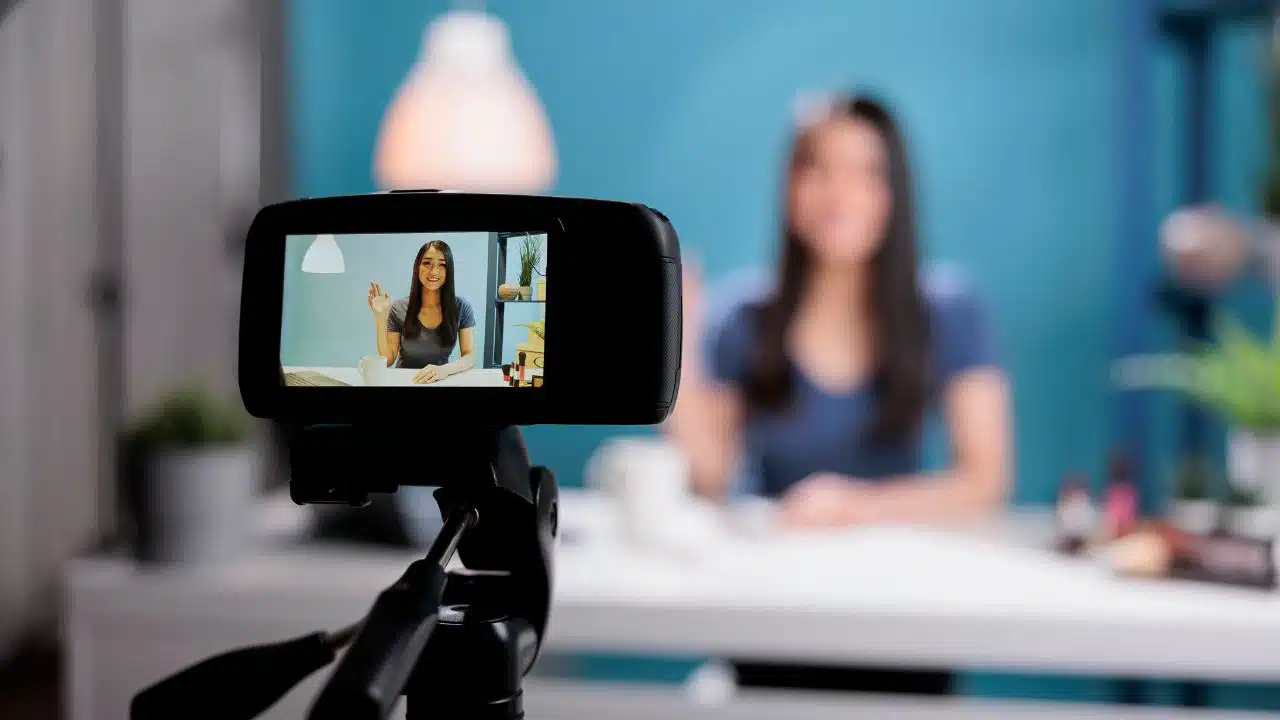
YouTube creators are no longer just hobbyists filming in their bedrooms. In 2024, they became a recognized part of the UK’s economy, generating an estimated £2.2 billion and supporting 45,000 full-time equivalent jobs, according to an independent study conducted by Oxford Economics.
This figure includes not only direct earnings from ad revenue and brand partnerships but also the wider economic activity surrounding the creator economy—such as production services, editing, equipment suppliers, and marketing firms. Much like traditional creative industries, the digital creator sector has now proven itself to be a substantial employer and contributor to GDP.
Oxford Economics, which has previously analysed industries ranging from music to gaming, highlighted that YouTube’s impact extends beyond the platform itself. Creators act as small business owners, building enterprises that drive growth across multiple sectors.
Parliamentary Group for Creators and Influencers
Recognizing this influence, UK lawmakers have launched a new All-Party Parliamentary Group (APPG) dedicated to creators and influencers. These cross-party groups, although unofficial and without legislative power, are important forums that allow MPs and peers to gather evidence, hear from industry voices, and influence future government policy.
With more than 500 APPGs already covering diverse industries—from football to finance—the creation of a group specifically for digital creators reflects a cultural shift. Lawmakers are beginning to treat YouTubers, streamers, and social media influencers not only as entertainers but also as entrepreneurs who need structural support.
The group is co-chaired by Feryal Clark, Labour MP for Enfield North, who praised creators as “trailblazers of a new creative revolution” that had been “undervalued in Westminster for too long.” She emphasized that the group will work to ensure Britain strengthens its role as a global hub for creativity, innovation, and digital entrepreneurship.
The Voices of Creators: Lilly Sabri’s Story
One of the strongest advocates for this recognition is Lilly Sabri, a British content creator who has built an audience of over 6.5 million subscribers on YouTube by posting accessible fitness content.
Sabri explained that she began uploading workout videos eight years ago and gradually turned her online presence into a thriving business. Within the past three years, she launched not one but two companies, hiring staff and creating job opportunities for others.
Her journey highlights the opportunities and risks creators face. While she is a qualified physiotherapist, Sabri said that without YouTube, she would not have been able to expand her career so rapidly. For her, streaming wasn’t just a side project—it became the foundation for entrepreneurship, innovation, and community building.
Her experience echoes the struggles of many creators who often battle misconceptions that content creation is not a “real job.” The new report and parliamentary backing help counter those views, validating that the industry is sustainable and impactful.
Challenges Facing the UK Creator Community
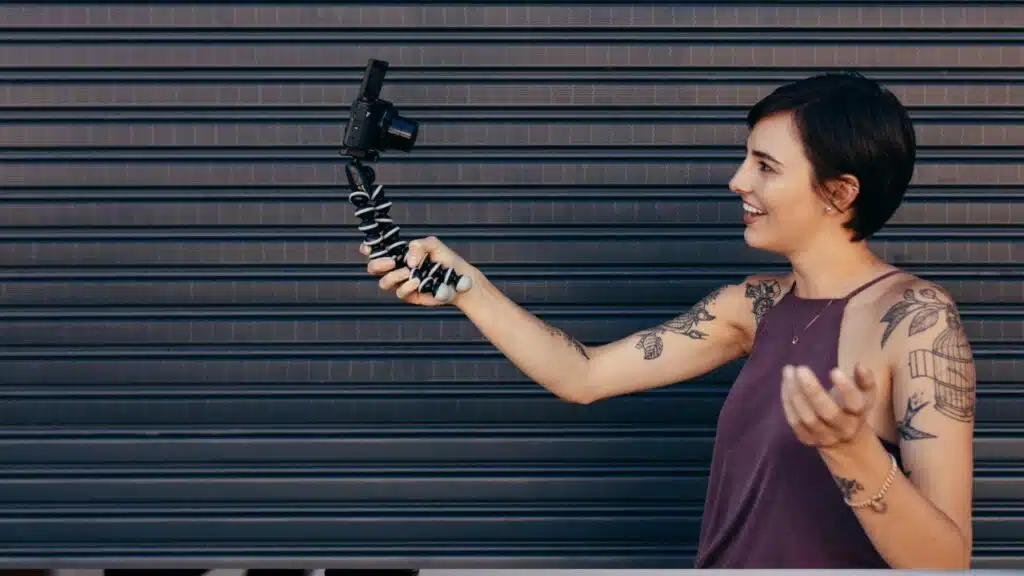
Despite its rapid growth, the creator economy faces several hurdles that the APPG aims to address:
- Training and Skills Development: Unlike traditional media, there are limited formal pathways to train in digital content creation. Many creators learn through trial and error, lacking access to mentorship or structured education.
- Funding and Investment: Traditional grants and creative funding schemes often overlook digital creators, who struggle to secure the same resources as musicians or filmmakers.
- Infrastructure and Studio Space: Many creators still work from makeshift home studios. Affordable, professional studio spaces tailored for creators are rare.
- Regulatory Barriers: Obtaining filming permits or navigating advertising standards can be complex and costly for independent creators.
By spotlighting these issues in Parliament, the APPG aims to “tear down barriers that stifle talent,” ensuring creators are not disadvantaged compared to traditional creative professionals.
A Political Shift: Creators in Government Spaces
The formation of the group is part of a broader political acknowledgment of the role influencers play in public life.
- At Downing Street: Earlier in 2024, Prime Minister Sir Keir Starmer invited around 90 content creators and influencers to a reception at 10 Downing Street. The event was intended to strengthen dialogue between government and digital voices, recognizing their reach among younger and more diverse audiences.
- Global Trends: The UK is not alone. In the United States, the White House press briefings have begun including digital creators alongside traditional journalists, reflecting their role in shaping public opinion.
These moves indicate a significant cultural change: content creators are no longer seen as operating on the fringes of media but as legitimate stakeholders in both economic and democratic conversations.
A New Era for the UK’s Creative Identity
For decades, the UK has been home to thriving creative industries in music, film, television, and literature. Now, digital creators are joining that tradition, but with a global-first approach: they reach audiences across borders instantly, often building international brands from their homes in London, Manchester, Birmingham, or smaller towns.
The Oxford Economics report shows that YouTube has effectively given rise to a new wave of micro and small businesses—individuals who start as solo creators and then expand into full-fledged companies. These businesses generate tax revenues, employ staff, and feed into industries ranging from advertising to health and wellness.
By supporting this sector, policymakers hope to ensure the UK retains its edge as a hub for digital innovation. As MP Feryal Clark stated, the goal is to make Britain “the ultimate home of creativity, innovation, and ambition.”
Recognition That Was Long Overdue
The combination of hard numbers—£2.2 billion added to the economy and 45,000 jobs supported—and political recognition marks a turning point for UK creators.
For influencers and content creators, the creation of a parliamentary group is more than symbolic. It acknowledges their work as economically significant, socially influential, and culturally valuable. It also signals that the UK is serious about supporting its next generation of creative leaders—whether they perform on stage, film in studios, or broadcast to millions through a laptop camera.
The Information is Collected from BBC and Sky News.