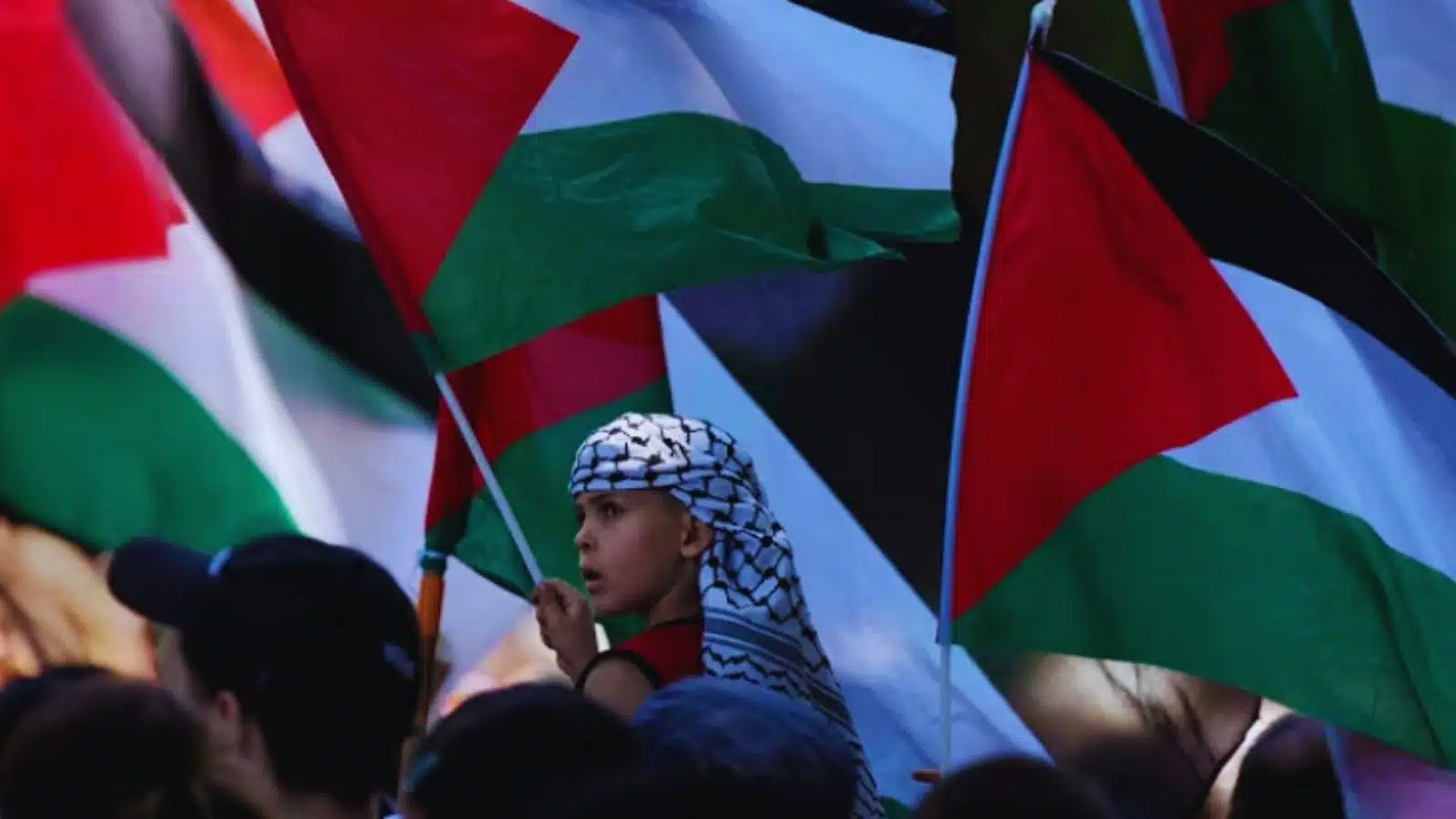
In a significant geopolitical shift, three of Israel’s longstanding allies—the United Kingdom, Canada, and Australia—announced the formal recognition of the State of Palestine. The coordinated step is being described as a landmark move designed to preserve the possibility of a two-state solution at a time when that vision is under unprecedented threat due to the ongoing war in Gaza and Israel’s continued settlement expansion.
The decision marks the first time members of the G7 bloc have formally recognized Palestine, signaling a widening rift between Washington and its closest allies in Europe and the Commonwealth. More than 140 UN member states already recognize Palestine, but this coordinated recognition from three influential Western nations is considered diplomatically transformative.
Why now? The Gaza war and fading peace prospects
The announcements come amid one of the deadliest phases of Israel’s war in Gaza. According to the Palestinian Health Ministry, over 65,000 people have been killed since Israel launched its military campaign in response to Hamas’ October 7, 2023 attacks. Entire neighborhoods in Gaza have been flattened, over 1 million residents displaced, and famine has taken hold in several areas, according to UN humanitarian agencies.
Israel’s leadership has simultaneously expanded settlements in the West Bank, with Prime Minister Benjamin Netanyahu openly declaring that “there will be no Palestinian state.” Critics in London, Ottawa, and Canberra say these moves undermine the credibility of peace negotiations and make recognition the only way left to keep alive the principle of two states living side by side.
The United Kingdom’s position

Prime Minister Keir Starmer announced the UK’s recognition in a national address, describing it as “a step to preserve peace” rather than a concession to Hamas.
- Starmer stressed that Hamas has no future role in Palestinian governance.
- He highlighted Britain’s decision to sanction senior Hamas leaders in the coming weeks.
- The UK government stated recognition comes alongside demands for Palestinian Authority reforms, including democratic elections and institutional accountability.
Foreign Secretary Yvette Cooper added that recognition is “only one part of what must be a stronger and wider push for peace.”
This recognition also reflects growing domestic pressure on Starmer. Members of his Labour Party, many long critical of Israel’s war in Gaza, urged immediate action. Starmer had walked a careful line since becoming leader in 2020, distancing Labour from past antisemitism controversies while responding to grassroots demands for stronger support of Palestinian rights.
Canada’s explanation
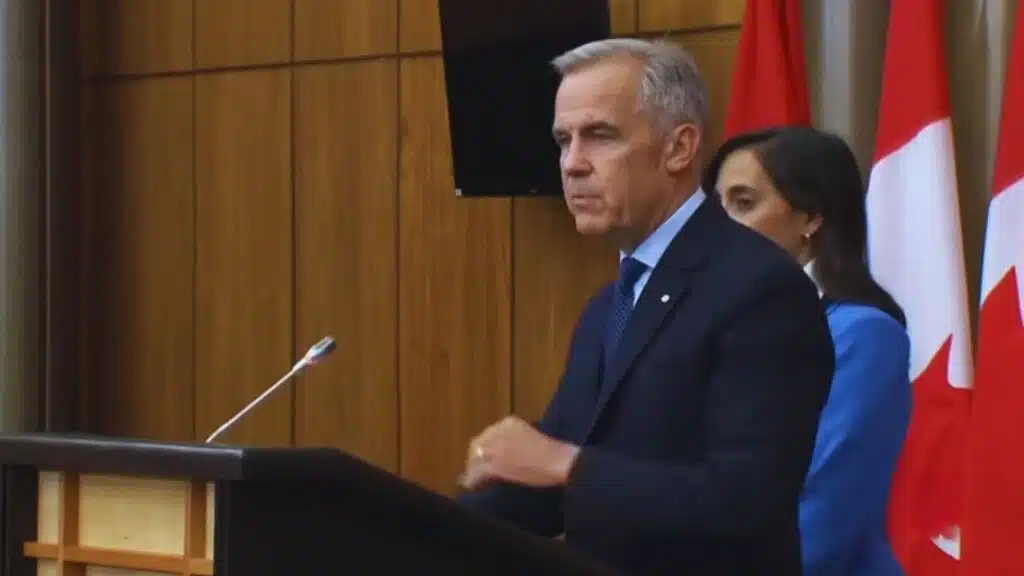
Prime Minister Mark Carney said Canada’s recognition of Palestine was motivated by Israel’s current course of action, which, in his words, has “gravely eroded” the possibility of a negotiated two-state settlement.
- Carney condemned Hamas for its violence and hostage-taking, demanding the militant group disarm and release all captives.
- He also criticized Israel’s government for “working methodically” to block statehood by expanding settlements and worsening Gaza’s humanitarian disaster.
- Canada emphasized that recognition was not a reward for Hamas, but rather an effort to empower those Palestinians seeking peaceful coexistence.
Carney’s move puts Canada at odds with Washington, with U.S. officials previously warning that unilateral recognition would undermine peace talks.
Australia’s stance
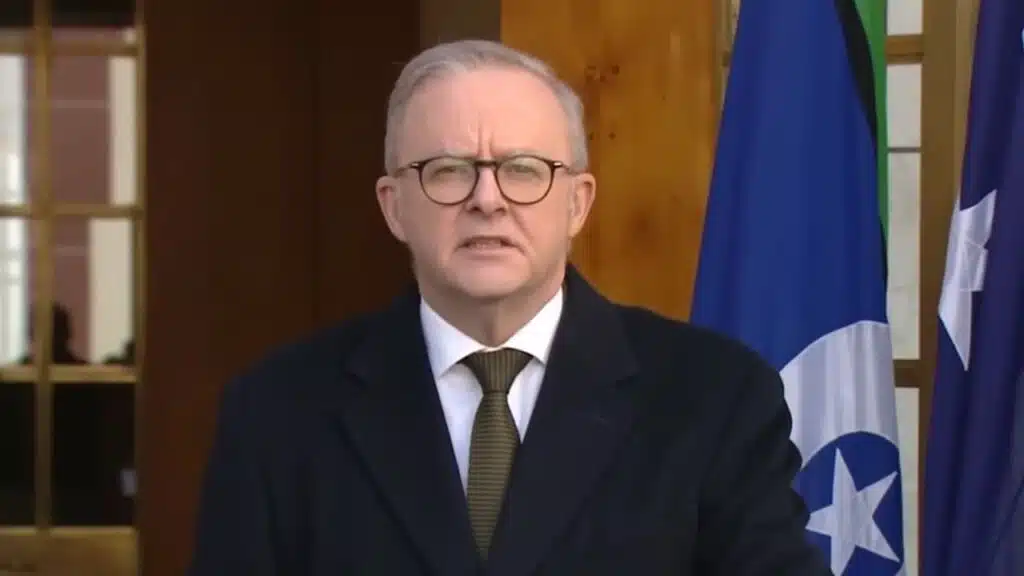
Prime Minister Anthony Albanese and Foreign Minister Penny Wong released a joint statement affirming Australia’s recognition of Palestine as part of its “longstanding commitment to a two-state solution.”
- Australia stressed that Hamas must not govern Palestine, aligning with Canada and the UK’s position.
- The government said it expects the Palestinian Authority to hold elections, improve governance, and reform education and financial systems.
- Australia linked recognition to a broader push for ceasefire, hostage release, and humanitarian aid.
Australia’s recognition is seen as especially symbolic given its historic alignment with U.S. policy on Middle East issues.
Israel’s sharp rejection
The announcements triggered fierce backlash from Israeli leaders across the political spectrum.
- Prime Minister Netanyahu denounced the recognitions as “a prize for terror” and vowed Israel would never allow a Palestinian state.
- Finance Minister Bezalel Smotrich called for full annexation of the West Bank, which Israeli officials refer to as “Judea and Samaria.”
- National Security Minister Itamar Ben Gvir described the move as “a reward for murderers” and demanded the dismantling of the Palestinian Authority.
- Foreign Minister Gideon Saar said the recognition was both “infuriating and immoral.”
Meanwhile, families of hostages taken by Hamas on October 7 criticized the announcements, saying they ignored the plight of the 48 captives still held in Gaza.
Palestinian responses
- President Mahmoud Abbas hailed the recognition as “an important and necessary step toward a just and lasting peace.” He called for an immediate ceasefire, humanitarian aid access, prisoner release, and full Israeli withdrawal from Gaza.
- Hamas, while welcoming the move, insisted recognition must be matched with “practical measures” to stop Israel’s military operations and lift the Gaza blockade.
Global ripple effects
- France: President Emmanuel Macron is expected to announce France’s recognition of Palestine at a UN-backed conference this week, further isolating Israel and the U.S.
- United States: President Donald Trump reiterated opposition to unilateral recognition, leaving Washington increasingly isolated as allies take a different path.
- Germany, Italy, and Japan: These countries said they would not recognize Palestine at this stage, arguing recognition should be the final outcome of negotiations, not a precondition.
Domestic backdrop in the UK: recognition vs. protest bans
The recognition also comes weeks after the UK government banned Palestine Action, a direct-action protest group targeting weapons manufacturers linked to Israel. The ban, justified on security grounds after an attack on RAF Brize Norton, was criticized by rights groups and UN experts. Critics argue the UK’s recognition of Palestine helps balance domestic outrage over Gaza while showing support for peaceful diplomacy.
What recognition means (and doesn’t mean)
Recognition is diplomatic and symbolic, not an immediate change on the ground. It signals support for Palestinian sovereignty and opens the door for future diplomatic ties, but:
- It does not establish borders or settle disputes over Jerusalem.
- It does not end the war in Gaza or guarantee peace negotiations.
- It does not legitimize Hamas, which all three governments explicitly excluded.
Still, officials argue the move prevents the two-state vision from collapsing completely under the weight of war and settlement growth.
What to watch next
- UN General Assembly: France, Saudi Arabia, and other states are expected to push for coordinated recognition and peace efforts this week.
- Israel’s response: Netanyahu promised to outline “countermeasures” after his return from the U.S.
- Humanitarian crisis in Gaza: Aid groups stress that recognition must be coupled with urgent action to prevent further mass starvation and displacement.
In short, the recognition of Palestine by Canada, Australia, and the UK marks a turning point in Western diplomacy. It deepens Israel’s isolation, highlights U.S. divergence from allies, and reignites debate over whether symbolic gestures can translate into concrete progress toward peace in the Middle East.
The Information is Collected from BBC and CNN.