Are you tired of long commutes, crowded streets, and slow public services in Hong Kong? Many people want simple, real plans that use technology to make life easier, cleaner, and safer.
The Hong Kong government released the Smart City Blueprint in 2017 and Smart City Blueprint 2.0 in 2020. This post, “Smart City Visions For Hong Kong In The Next Decade”, notes one key fact: the city is investing in 5G, the Internet of Things (IoT), open data portals, digital twin models, a Hong Kong eID, and intelligent transport systems to speed up services.
You will find 12 clear visions that show how traffic data analytics, AI health tools, building information modelling, energy saving, and smart waste management can improve daily life. Read on.
Key Takeaways
- Hong Kong’s Smart City Blueprint (2017) listed 76 initiatives, Blueprint 2.0 (2020) added over 130 projects, and the 2024 Policy Address added 110 initiatives.
- Hong Kong will expand 5G, IoT, and fiber, opened the AI Supercomputing Center in Dec 2023, and offers free iAM Smart eID since late 2020.
- APAS launched autonomous shuttles in 2024 and the Smart Motorway Pilot began December 2024 at Ting Kau Bridge, using traffic analytics for real-time mobility.
- Hong Kong faces over 10,000 tons of municipal waste daily, runs Food TranSmarter at 28 sites (11 more planned), and targets carbon neutrality by 2050.
Brief overview of Hong Kong’s ambition to become a world-leading smart city
Hong Kong aims to become a world-leading smart city and a key player in the Greater Bay Area. The Smart City Blueprint, including Smart City Blueprint 2.0, sets the goal to establish a globally recognized Smart Hong Kong and advances digital transformation to raise livability.
Stakeholders include government, industry, academia, and the community.
The city seeks a strong economy and higher quality of life through innovation and smart living solutions. Planners use internet of things (IoT), artificial intelligence (AI), digital twin models, and infrastructure modeling to address rapid urbanization and environmental stress.
The blueprint also links smart government and smart mobility to support inclusive urban development.
Significance of the Smart City Blueprint and the expected impact on quality of life, sustainability, and the economy
The 2017 Smart City Blueprint listed 76 initiatives, and the 2020 update proposed over 130 new projects. City leaders target six smart areas, Smart Mobility, Smart Living, Smart Environment, Smart People, Smart Government, and Smart Economy.
This plan aims to boost happiness, health, intelligence, and prosperity while making the city greener, cleaner, more livable, sustainable, resilient, and competitive.
Practical tools like 5G, IoT, broadband cables, AI, the Hong Kong eID, Octopus cards, and a traffic data analytics system drive smart city transformation. Public agencies, universities, and private firms test ideas in living labs and scale solutions that boost resource efficiency and environmental sustainability under the guidance of the Environmental Protection Department.
Citizens gain smarter services, cleaner air, better commutes, and more jobs from a faster digital transformation led by smart mobility, green buildings, and a stronger smart economy.
The role of innovation, digital transformation, and inclusive urban development

Innovation drives Hong Kong’s smart city transformation. The government opened the AI Supercomputing Centre in December 2023. It funds research through an AI Subsidy Scheme that allocates over $3 billion to universities and research.
The Digital Policy Office pushes investment and digital transformation across public and private sectors. The Smart City Blueprint guides these plans and ties digital policy to urban planning.
Connected infrastructure like 5G, IoT environmental sensors, and fiber optics supports smart mobility and smart living. Hong Kong eID will enable seamless digital transactions for citizens and smart government services.
Cybersecurity, cyber security experts, and security red teams will protect data and build trust. Policymakers stress people-centered, ethical, and inclusive urban development to bridge the digital divide.
Inclusive development will foster innovation and help the smart economy grow. This approach supports sustainable development, green buildings, sustainable transportation, and waste reduction.
Digital Foundations: Building a Connected and Intelligent Infrastructure
Hong Kong will expand mobile networks, IoT sensors, and a city-wide fiber network. Cloud platforms, secure data centers, the Hong Kong eID, AI, and software interfaces will unlock open data and power smart mobility and public services.
Upgrading digital infrastructure across the city (5G, IoT, fiber optics)
The 2025-26 HKSAR Budget commits funding to e-Government services, smart transportation, and tourism systems. Sandy Ridge Data Park and new data centers form the backbone for faster networks and cloud platforms.
APAS launched autonomous Shuttle Light Buses in 2024 that use 5G and artificial intelligence (AI) for smart mobility trials. The Smart Motorway Pilot Scheme, launched in December 2024, uses AI to detect incidents and feed the traffic data analytics system.
City officials will roll out 5G cells, IoT sensors, and fiber optics to link CCTV, parking management, and street lighting. Optimized water networks and enhanced energy grids will use real-time telemetry to cut waste and aid sustainable development.
These upgrades will support the Smart City Blueprint 2.0 and drive digital transformation, smart economy growth, and improved smart living. They will also enable smart government services, smarter public safety, and better commuting.
Expanding open data access and encouraging smart services integration
Hong Kong will widen open data access to power smart city services. Smart City portal dashboards show real-time data and accept public feedback. The Smart City Blueprint sets data standards and supports APIs for smart services integration.
HKPC helps government, industry, academia, and research share datasets to improve policy and service integration.
FLAIR launched the AIM platform in 2023 to power AI-driven data management for SMEs. HKPC also links cross-border flows with the Shenzhen Data Exchange Centre, SDEC, to boost regional data sharing.
City planners can link IoT feeds, traffic data analytics system outputs, and eID logs to launch new smart services.
Cybersecurity and data privacy as pillars of trust in a smart city
Strict regulations in Hong Kong reinforce data privacy and cybersecurity. Lawmakers passed rules that protect personal data and critical systems. The GCIS platform, launched in 2020, ensures secure IT operations for e-Government services.
This government commitment builds public confidence in digital services.
Cyberport’s Digital Transformation Support Pilot Programme helps SMEs adopt secure digital technologies. The Hong Kong eID supports seamless digital transactions and safe identity checks.
City projects use 5G, IoT, fiber optics, artificial intelligence (ai), and information and communication technologies (ict) to run smart mobility and smart government systems. Secure platforms and strong encryption protect user data and enable digital inclusion.
These measures align with the smart city blueprint and speed smart city transformation across the territory.
Establishing the Hong Kong eID for seamless digital transactions
The iAM Smart app launched in late 2020 to give residents a secure digital identity. Free eID registration now covers all residents and enables seamless digital transactions across government and private services.
This mobile platform supports authentication, cloud services, and access to e-Government services.
City planners link the eID to the smart city blueprint to speed smart government and smart living initiatives. The system forms the backbone of digital infrastructure and helps drive Hong Kong’s digital transformation.
The initiative aligns with Hong Kong’s broader push for smart city transformation.
Innovative Solutions: 12 Smart City Visions Shaping Hong Kong’s Next Decade
See how Hong Kong will shape its smart city with mobile broadband, connected sensors, machine learning, traffic data analytics system, and digital identity to boost smart mobility, grow a smart economy, and speed digital transformation—read more.
1. Autonomous and Smart Public Transport Networks
APAS launched Autonomous Shuttle Light Buses in 2024, with support from the Smart Traffic Fund, to serve Fairview Park. The shuttles use 5G and artificial intelligence for real-time navigation and safety.
HKPC leads R&D for autonomous vehicles and runs a 5G driverless shuttle bus pilot program. The city’s public transport handles over 11 million passenger trips daily, so IoT sensors and traffic data analytics systems help cut congestion and boost operational efficiency for smart mobility and smart living.
These pilots shape the Smart City Blueprint and speed digital transformation for a smarter economy.
2. Real-Time Traffic and Mobility Management
The Smart Motorway Pilot Scheme started in December 2024 at Ting Kau Bridge southbound. It uses artificial intelligence (AI) to detect incidents and speed up response. Hong Kong set the Smart Mobility Roadmap in 2019 to guide smart mobility upgrades.
The 2025-26 Budget funds livable, competitive, and sustainable transport projects.
Traffic Data Analytics System collects live data from traffic cameras, IoT sensors, and 5G links. A cloud platform and edge computing nodes process the streams for real-time insights.
Control centers run AI models to predict congestion and reroute buses and taxis. Mobile apps give drivers updates on delays and car park availability. Authorities link these tools to the Smart City Blueprint 2.0 and wider smart city targets.
3. Contactless Smart Payments and e-Government Services
Hong Kong uses the iAM Smart app, launched late 2020, to give secure access to over 200 e-Government and commercial services. The 2025-26 HKSAR Budget commits funding to expand e-Government services and smart payment systems across the city.
LawTech Fund, set up under Smart City Blueprint 2.0, backs digital legal services and lawtech pilots. Hong Kong’s Smart City portal enables public feedback and gives easy digital service access and contactless payment options to support smart government and a stronger smart economy.
4. Smart Healthcare with AI-Powered Diagnostics and Telemedicine
HKPC, HKU, and CityU developed an AI model for eczema image classification that improves diagnosis accuracy. The model uses artificial intelligence (ai) to reduce errors and speed dermatology triage.
Collaborations now test AI tools for TCM diagnosis in clinics and telehealth platforms.
Smart Bedside Intelligence Management System uses sensors and web apps to monitor elderly patients in real time. HKPC’s Healing Horizon project applies mixed reality for dementia care and staff training.
Smart Wireless Nurse Call System enables portable nurse calls for temporary beds and eases strain during 120 to 150 percent hospital occupancy. Telemedicine and AI-powered diagnostics extend care across Hong Kong and support the smart city blueprint for smart living, digital transformation, and smart government.
5. Intelligent Waste and Resource Management
Hong Kong generates over 10,000 tons of municipal waste daily, and a 2023 Environmental Protection Department report calls for urgent sustainable development and environmental sustainability actions.
Food TranSmarter, developed by HKPC, converts food waste to slurry; it now runs at 28 sites, with 11 more in development.
Cities can deploy smart bins, IoT devices, and driverless recycling trucks to cut landfill loads and improve collection efficiency under the smart city blueprint. Artificial intelligence (ai), data analytics, and digital transformation will link waste flows to the smart environment, boost smart living, and grow the smart economy.
6. Green Buildings and Smart Energy Systems
Buildings will cut emissions by using solar panels, intelligent meters, and efficient LED lighting. The government made green building projects and smart energy management central to the Smart City Blueprint 2.0.
Sensors and management systems link to enhanced energy grids and optimized water networks for better control. These systems use AI and machine learning to tune heating, ventilation, and district cooling schedules.
Policy drives investment so projects align with the 2021 Climate Action Plan and the carbon neutrality goal by 2050. Smart meters, battery storage, and building management systems help cut demand peaks and lower costs.
City planners will link smart energy systems to the wider smart city and smart mobility networks to boost sustainability.
7. Urban Climate Resilience and Flood Prevention
IoT sensor networks and GIS mapping will monitor flood risk across districts for the smart city plan. The Smart City Blueprint guides deployment of laser elevation scans, satellite imagery, and hydrological models to forecast storms and river surges.
Hong Kong’s mission to make the city more resilient links these tools with conservation technologies for flood prevention and disaster management.
City agencies will use real-time data to trigger early warning systems and control systems with automated pumps. These measures align with the 2050 carbon neutrality goals and support environmental sustainability through green infrastructure, permeable pavements, and nature-based solutions that improve air quality and aid sustainable development.
8. Community Engagement Through Digital Platforms
The Smart City portal provides real-time dashboards and enables public feedback on initiatives. Residents use digital tools and Hong Kong eID for seamless input and digital transactions.
Community engagement ranks as a key priority in the government’s people-centered smart city approach.
Open data portals and discussion platforms let citizens view traffic data, service metrics, and urban plans. These platforms encourage public involvement for transparency and inclusion, and they support smart government and smart living goals under the Smart City Blueprint.
The government stresses ethical and inclusive development across all smart city projects.
9. Support for a Thriving Digital Economy and FinTech Hub
Hong Kong can grow a smart economy and FinTech hub by backing startups and tools like open banking, APIs, payment apps, cloud computing, AI, and distributed ledger tech while the HKMA and investors push policy and funding—read more.
10. Smart Education and Digital Literacy Initiatives
The Smart City mission includes enhancing intelligence and digital capability across the population. The government stresses smart education as a core element of a people-centric smart city.
Through community and industry engagement, the Hong Kong Productivity Council supports digital literacy. The Digital Policy Office promotes digital technology investment and transformation and funds workforce training programs.
Schools adopt artificial intelligence (ai) tools, e-learning platforms, and programming labs to lift practical skills. Companies and NGOs run training sessions, mentorships, and micro-credential courses to reach seniors and low-income residents.
These moves align with the Smart City Blueprint 2.0 and help build smart people, smart living, and a stronger smart economy.
11. Public Safety with AI-Powered Monitoring and Emergency Response
Hong Kong can boost public safety with AI-powered monitoring and rapid emergency response under its smart city blueprint, supporting smart government and sustainable development. HKPC’s InspecSpider climbs up to 35 meters using six cameras to inspect high mast lighting at airports, bridges, stadiums, highways, and tunnels.
An Autonomous Air-ground Cooperative Tunnel Inspector uses artificial intelligence (ai), robotics, and SLAM for full 360-degree coverage and real-time defect detection. This system increases inspection speed by 23 times and reduces costs by 50 percent while removing manual work at heights, and it won a Silver Accolade at the 2024 Geneva Invention Awards and reached the finals of the 2025 Edison Awards.
12. Data-Driven Governance and Evidence-Based Policymaking
City leaders use AI and machine learning to shape policy and improve public services. The government built the Big Data Analytics Platform as a core investment to analyze traffic, health, and energy data.
The 2024 Policy Address announced over 110 new digital government and smart city initiatives to speed digital transformation and enrich the smart city blueprint 2.0.
A free eID for all residents enables seamless transactions and evidence-based government services. Open data portals and dashboards let smart government planners test policies with live data and guide smart city investments.
Cloud platforms and secure data lakes store anonymized records so decision makers can track outcomes and reduce traffic congestion or energy waste.
Driving People-Centric and Sustainable Development
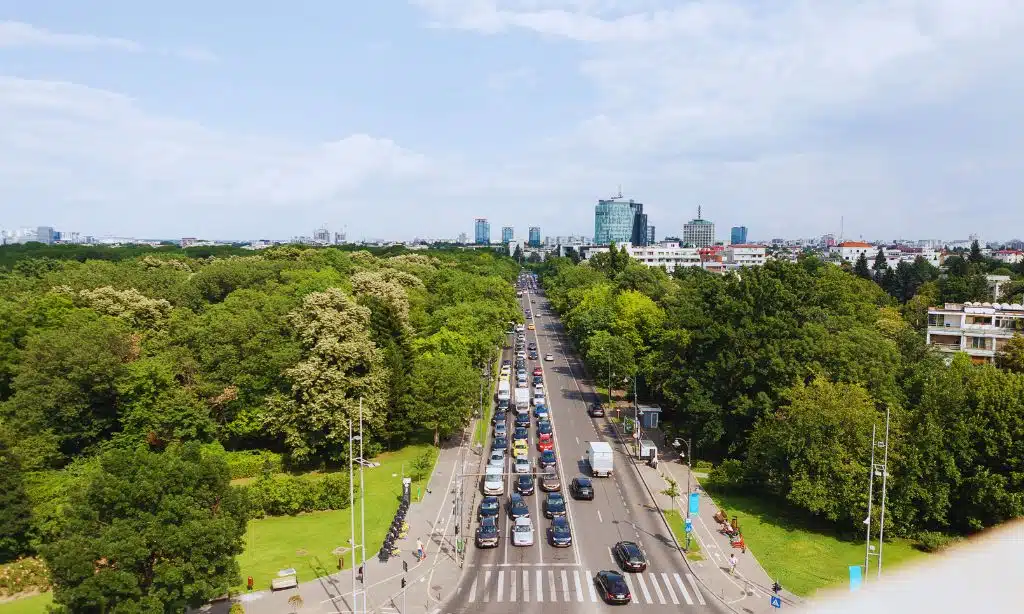
Hong Kong must put citizens first in its smart city blueprint and drive digital transformation for sustainable development. Smart government will pair digital ID, wireless networks, IoT, artificial intelligence, and data analytics with green energy and smart grids to boost smart living and economic growth.
Placing citizen needs at the heart of innovation
The Smart City Blueprint puts people first. The plan treats Hong Kong as a living laboratory and targets better care for elderly and youth. The blueprint stays people-centered and aims to boost happiness, health, and prosperity for all residents.
The government formed the Working Group on Promoting Silver Economy in 2024 to meet elderly needs in five areas. Leaders link these efforts to digital transformation and inclusive urban planning.
City teams deploy Internet of Things, artificial intelligence, and a traffic data analytics system to improve smart mobility and public safety. Telemedicine and AI diagnostics expand smart healthcare and bring care closer to home.
Open data, 5G, fiber optics, and the eID system strengthen smart government services and support a thriving smart economy. Designs follow sustainable development and environmental sustainability to reduce carbon and save resources.
Ensuring accessibility and inclusivity in all smart city initiatives
Hong Kong’s government makes people-centered, ethical, and inclusive smart city development a priority. The iAM Smart app provides secure digital identity and access to services for all residents.
Smart City portal invites public feedback and promotes transparency in planning.
City planners pair 5G, IoT sensors, machine learning, and traffic data analytics systems with public Wi-Fi to boost digital capability and close the digital divide. Blueprint 2.0, part of the Smart City Blueprint 2.0 plan, funds community hubs, skills training, and pilots that make smart city services usable for older adults and people with disabilities.
Local offices will run training and accessibility audits to test each service.
Addressing digital divide and ensuring equal benefits for all residents
The Digital Policy Office funds digital transformation projects that aim to include low-income and elderly residents. iAM Smart and e-Government services give all residents secure online access to public services and transactions.
The mission calls for closing the digital divide and ensuring fair access to smart city benefits. Hong Kong Productivity Council’s Smart Wireless Nurse Call System and bedside intelligence system help vulnerable populations use telecare, and pilots pair 5G and IoT with training and device subsidies.
Takeaways: The Road Ahead for Hong Kong’s Smart City Transformation
Hong Kong will use Smart City Blueprint 2.0, 5G, IoT, AI, digital ID, traffic analytics, and the Smart City portal to boost smart mobility, digital transformation, and sustainable development—read more.
Collaboration among government, industry, academia, and the public drives smart city success in Hong Kong. The Smart City Blueprint and the open data portal encourage multi-stakeholder engagement on smart mobility, smart living, urban planning, and the smart economy.
HKPC facilitates partnerships and R&D efforts across sectors for smart manufacturing and innovation, linking universities, firms, and community groups.
Public-private teams deploy 5G, connected sensors, AI, and traffic analytics to power smarter services and better urban planning. Digital ID like the eID and open data platforms speed e-government and smart tourism platforms, while cybersecurity and data privacy protect residents.
The Smart City portal gives public updates, real-time dashboards, and feedback mechanisms to track projects. Hong Kong refreshed its Smart City Blueprint in 2017 and in 2020, known as Smart City Blueprint 2.0; the government added 110 new initiatives in the 2024 Policy Address.
Annual budgets adjust funding and strategic focus to address new technologies and societal needs across urban planning, smart mobility, and smart living. City planners use a traffic data analytics system, IoT device nodes, the Hong Kong eID, and artificial intelligence (AI) tools to adapt services for a smart economy and a smart environment.
FAQs on Smart City Visions For Hong Kong
1. What do the 12 smart city visions for Hong Kong cover?
The smart city blueprint 2.0 sets 12 visions for Hong Kong. It focuses on smart mobility, smart living, smart economy, smart environment, smart people, and smart government. The plan also covers digital transformation, intelligent buildings, traffic data analytics system, smart tourism platforms, sustainable development, and environmental sustainability. It guides smart city transformation and will help make Hong Kong one of the cities smarter.
2. How will smart mobility and traffic systems change?
Smart mobility will use a traffic data analytics system and artificial intelligence (ai) to cut delays. Sensors and connected services will share real time data and guide routes. The work aims for sustainable development and more environmentally friendly travel.
3. How will urban planning support smart living and buildings?
Urban planning will link smart living with intelligent buildings and a smart environment. Planners will use digital transformation tools to design green and safe neighborhoods. These steps support environmental sustainability and help smart people live better.
4. What role do AI and digital tools play in the smart city transformation?
Artificial intelligence (ai) and other digital tools drive smart city transformation. They help smart government deliver services faster and help the smart economy grow. AI also boosts traffic data analytics system and powers smart tourism platforms.
5. How will the blueprint boost Hong Kong’s economy and tourism?
The smart city blueprint will grow the smart economy in Hong Kong. Smart tourism platforms will make travel easier and attract more visitors. Together, these moves aim to make smart cities work better and keep Hong Kong competitive.