

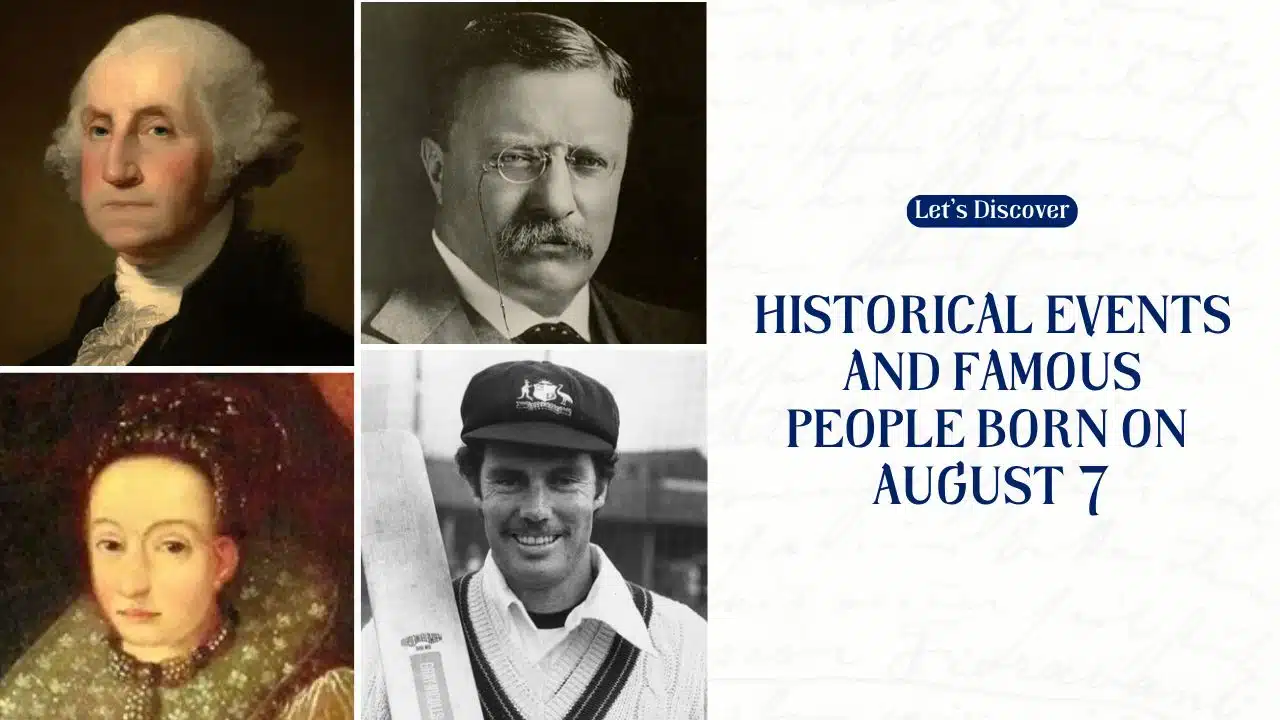
Some dates in history stand out for the wide range of important events and impactful people connected to them. August 7 is one such day. It holds stories of great military victories, political changes, sports milestones, and the lives of people who shaped history through their actions, talent, or mystery. From the ancient fields of Europe to the Olympic tracks of Ethiopia, and from courtrooms to cricket fields, August 7 gives us many stories to explore.
In this article, we will look at the key historical events that happened on this day, and celebrate the famous people born on August 7 who have left lasting marks on the world.
Major Historical Events That Happened on August 7
Battle of Guinegate – 1479
The Battle of Guinegate took place on August 7, 1479, between the army of France, led by King Louis XI, and the forces of Archduke Maximilian I of Austria. The battle occurred during the Wars of Burgundian Succession, a struggle for control after the death of Charles the Bold. Maximilian’s forces, which included Swiss-trained infantry, used new military tactics with long pikes that helped them defeat the traditional cavalry-led French army.
This victory strengthened the power of the Habsburgs in Europe and helped secure Burgundian lands for Maximilian. It was also a sign of changing warfare in Europe—where infantry started to become more important than knights.
Defeat of the Spanish Armada – 1588
On August 7, 1588, the English navy launched eight fire ships—old boats filled with flammable materials—at the anchored ships of the Spanish Armada. The Armada had come to invade England under the command of King Philip II of Spain. The English tactic worked: the Spanish ships panicked and scattered. This moment helped end the threat of Spanish invasion.
The scattering of the Armada showed the strength of the English navy and began a shift in power across Europe. England’s successful defense boosted national pride and marked the beginning of its rise as a global naval force.
Washington Creates Military Awards – 1782
On August 7, 1782, during the American Revolutionary War, General George Washington issued a general order to create the Badge of Military Merit. It was awarded to soldiers who showed bravery and faithfulness. The badge was shaped like a heart and made of purple cloth, and it could be worn on a soldier’s uniform.
This was the first American military award given to common soldiers. It honored their service at a time when awards were mostly given to officers. In 1932, the U.S. government brought back this award as the modern-day Purple Heart, given to soldiers wounded or killed in service.
Theodore Roosevelt Nominated – 1912
On August 7, 1912, Theodore Roosevelt was officially nominated as the presidential candidate for the newly formed Progressive Party, also known as the Bull Moose Party. He had served as president from 1901 to 1909 but returned to politics after disagreements with his successor, William Howard Taft.
Roosevelt’s party supported reforms such as women’s voting rights, government regulation of business, and environmental conservation. Though he lost the 1912 election to Woodrow Wilson, Roosevelt’s run changed American politics by giving a voice to reform-minded voters and pushing other parties to adopt progressive ideas.
2,000th Brooklyn Dodgers Home Run – 1938
On August 7, 1938, Leo Durocher, the shortstop for the Brooklyn Dodgers, hit the team’s 2,000th home run. This home run came during a game against the Cincinnati Reds and helped secure a 6–3 victory.
Leo Durocher was not only known as a player but also became a famous manager. This milestone marked a key moment in the Dodgers’ long baseball history. The Dodgers were one of the original teams in Major League Baseball and later moved from Brooklyn to Los Angeles in 1958. The 2,000th home run was a sign of the team’s strong presence in American baseball.
Famous People Born on August 7
Elizabeth Báthory (1560–1614)
Elizabeth Báthory was born on August 7, 1560, in Nyírbátor, Hungary. She was a countess from a noble family and is often called the world’s most prolific female serial killer. According to historical records, she was accused of torturing and murdering hundreds of young girls between 1590 and 1610.
Many people believe that political enemies may have exaggerated or made up some of the charges against her. However, she was arrested and never stood trial. Instead, she was imprisoned in her castle and died in 1614.
Biography Table:
| Detail | Information |
|---|---|
| Born | August 7, 1560 – Nyírbátor, Hungary |
| Died | August 21, 1614 – Csejte Castle |
| Known For | Alleged serial murderer |
| Reputation | Called “Blood Countess” |
| Legacy | Subject of many horror stories |
Mata Hari (1876–1917)
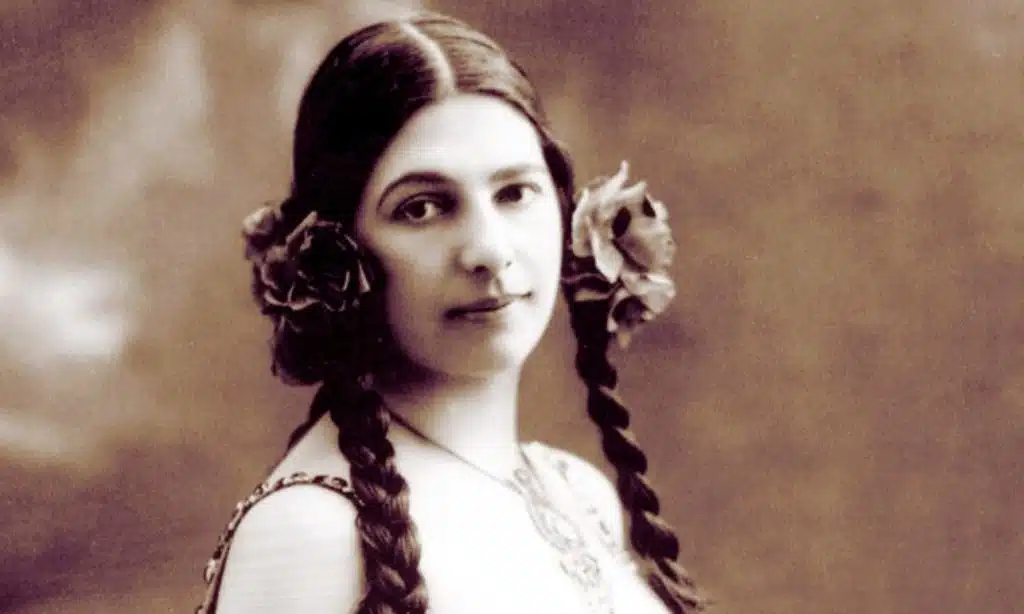
Mata Hari, whose real name was Margaretha Geertruida Zelle, was born on August 7, 1876, in Leeuwarden, Netherlands. She became famous in Paris as a dancer and was known for her beauty and mysterious performances.
During World War I, she was accused of being a spy for Germany and was arrested by the French. She was convicted and executed by firing squad in 1917. Some believe that she was a scapegoat and that the evidence against her was weak. Her story continues to attract interest in books and films.
Biography Table:
| Detail | Information |
| Born | August 7, 1876 – Leeuwarden, Netherlands |
| Died | October 15, 1917 – Paris, France |
| Occupation | Dancer, courtesan, alleged spy |
| Known For | Exotic performances and spy trial |
| Legacy | Famous historical figure and myth |
Abebe Bikila (1932–1973)
Abebe Bikila was born on August 7, 1932, in Jato, Ethiopia. He was a long-distance runner who became a national hero. He won the Olympic marathon in Rome in 1960 while running barefoot and set a new world record. Four years later, he won gold again in Tokyo, becoming the first person to win the Olympic marathon twice in a row.
Bikila’s victories made him the first black African Olympic champion and inspired athletes across the continent. His discipline and strength earned him worldwide respect.
Biography Table:
| Detail | Information |
| Born | August 7, 1932 – Jato, Ethiopia |
| Died | October 25, 1973 – Addis Ababa, Ethiopia |
| Known For | Marathoner—1960 & 1964 Olympic gold |
| Achievement | First barefoot Olympic gold medalist |
| Legacy | African sports hero |
Greg Chappell (b. 1948)
Greg Chappell was born on August 7, 1948, in Adelaide, Australia. He was one of Australia’s top cricket batsmen and captains. In 87 Test matches, he scored over 7,000 runs with an average of 53.86. He was known for his elegant batting style and calm leadership.
Chappell played a major role in shaping modern cricket and later worked as a coach for the Australian and Indian national teams. He is remembered for both his skill and his controversial decisions, such as the underarm bowling incident in 1981.
Biography Table:
| Detail | Information |
| Born | August 7, 1948 – Adelaide, Australia |
| Sport | Cricket (batsman and captain) |
| Test Career | 87 matches, 7,110+ runs, average ~53 |
| Teams | Australia, South Australia, Somerset, QLD |
| Legacy | Leading batsman, captain, coach |
Alfred Tennyson (1809–1892)
Alfred Tennyson was born on August 7, 1809, in Somersby, England. He was one of the most famous poets of the Victorian era and served as the Poet Laureate of Great Britain. His poetry focused on themes like heroism, nature, and the struggles of life.
One of his best-known poems is “The Charge of the Light Brigade,” which tells the story of a brave but tragic battle during the Crimean War. Tennyson’s words captured the spirit of his time and continue to be studied today.
Biography Table:
| Detail | Information |
| Born | August 7, 1809 – Somersby, England |
| Died | October 6, 1892 |
| Role | Poet Laureate of Great Britain |
| Famous Work | “The Charge of the Light Brigade” |
| Legacy | Famous Victorian poet |
Reflections and Global Connections
August 7 is a date that shows the power of human actions in many forms. From battlefields in Europe to Olympic stadiums in Asia, from secret courts to cricket grounds, this day covers it all. Military changes, political reform, and sports inspiration are all found here.
Some stories are tragic or mysterious, like those of Elizabeth Báthory and Mata Hari. Others are heroic, like the brave soldiers honored by George Washington or the barefoot run of Abebe Bikila. In sports and literature, Leo Durocher, Greg Chappell, and Alfred Tennyson each left a legacy that lasts even today.
Takeaways
August 7 stands out as a day enriched with milestones that have shaped history and personalities whose contributions continue to inspire generations. From groundbreaking political events and scientific advancements to cultural achievements, this date offers a vivid glimpse into the diversity of human progress. The famous individuals born on August 7 remind us how talent, vision, and perseverance can leave a lasting legacy in various fields—from literature and art to sports and public service.
Reflecting on these moments encourages us to appreciate the interconnectedness of history and the people who help define it. Whether you are fascinated by the past or simply enjoy discovering the stories behind each date, August 7 serves as a reminder that every day carries its own unique tapestry of influence, inspiration, and significance.
References
- Encyclopaedia Britannica – Battle of Guinegate
- History.com – George Washington and the Badge of Military Merit
- Baseball Reference – Leo Durocher Career
- Britannica – Elizabeth Báthory
- Britannica – Abebe Bikila
- Poetry Foundation – Alfred Tennyson
- ESPN Cricinfo – Greg Chappell Stats
- Smithsonian Magazine – Mata Hari and Spy Claims





















