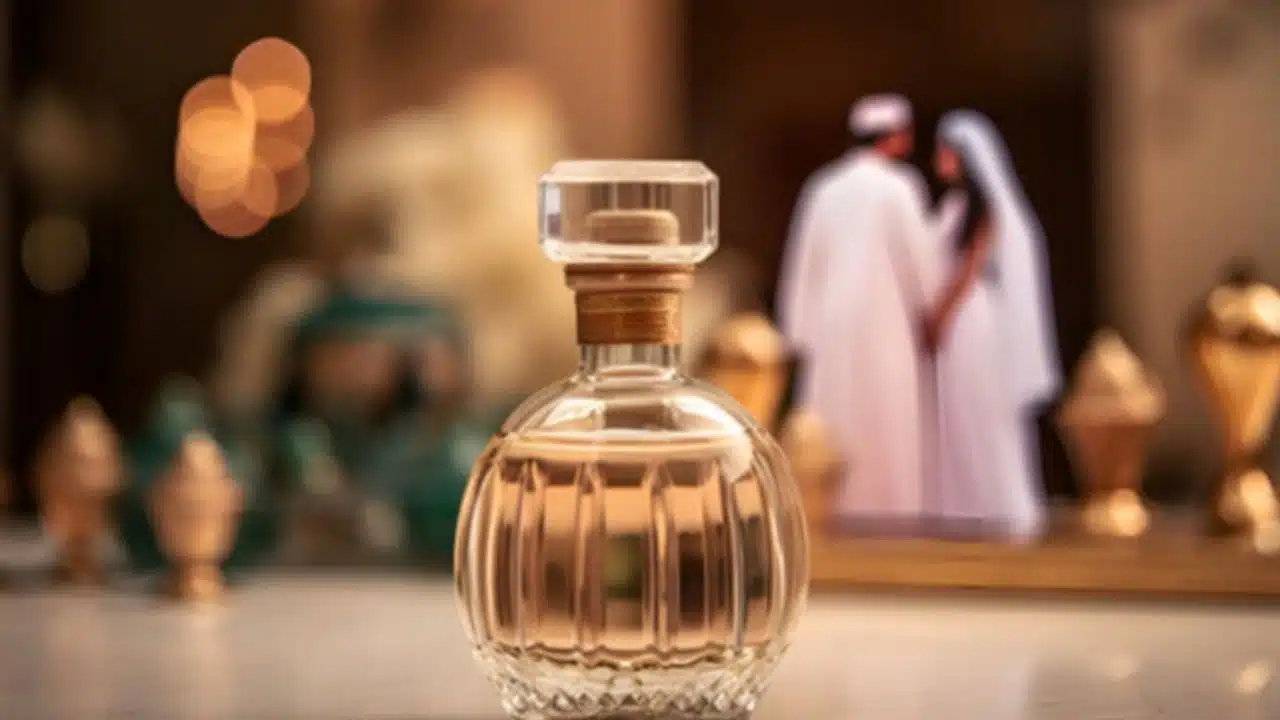
Rooted in centuries of tradition, fragrances inspired by Arabic heritage carry a history as layered as the ancient trade routes that once connected distant continents. From subtle floral hints to the earthy embrace of oud, this aromatic narrative symbolizes the endurance of cultural identity—an olfactory memory that travels with every bottle. Such scents have long been associated with dignity, devotion, and celebration. Now, as a new generation strives to establish a global presence, these traditional notes are poised to captivate audiences from Tokyo to Toronto.
Tradition and Growth in a Global Market
Over the past decade, the fragrance sector has witnessed significant expansion. Data from Euromonitor International indicates that the global perfume and fragrance market surpassed 50 billion USD. The Middle East, especially the Gulf region, is well-known for perfumes that carry long-lasting intensity, shaping preferences and redefining global expectations.
In this dynamic environment, a brand grounded in Arabic heritage can aim high, step-by-step, toward global recognition. The process begins by selecting scents that evoke timeless Arabic traditions. The blend might start with desert rose, renowned for its profound aroma, serving as a recognizable signature. Adding resins such as frankincense or myrrh and complementing them with modern notes—light citrus or delicate green highlights—creates an expression that feels both ancient and relevant.
Establishing a Local Foundation
The first stage in building a broad presence often starts at home, possibly in a physical or online perfume shop. In these intimate spaces, consumers can encounter the delicate interplay of raw materials. While modern markets brim with synthetic and mass-produced scents, trust is earned through authentic storytelling. Let shoppers experience a fragrance that conjures images of sunrise over the Arabian Peninsula, winds across desert dunes, or the muted hum of traditional distilleries. By pairing aroma with narrative and ethically sourced ingredients, the brand can inspire customers to become passionate ambassadors.
Authenticity and cultural depth can transform a casual buyer into a loyal advocate. Since well-informed consumers often appreciate meaningful fragrance compositions, the brand’s core strength lies in revealing the origins and significance of each component. For example, oud—extracted from agarwood—is highly prized for its rarity and complexity. Rising global interest in oud-based fragrances provides a natural path for a brand to showcase its heritage while appealing to international sensibilities.
Respecting Heritage While Embracing Innovation
A brand seeking global prominence must strike a balance between tradition and innovation. Quality control, meticulous sourcing, and fair-trade practices are non-negotiable. Today’s consumers pay close attention to sustainability, with a NielsenIQ study noting that 72% are willing to spend more on transparent and environmentally responsible brands.
Highlighting the careful selection of rare resins, the purity of dawn-picked rose petals, and the cruelty-free extraction of musk assures customers that each bottle is a respectful nod to heritage and nature. These practices also differentiate authentic Arabic fragrances from synthetic imitations, reinforcing the brand’s credibility.
As the business expands, forming partnerships with international distributors, luxury boutiques, and specialized perfumeries can introduce these fragrances to diverse markets. Modern distillation techniques preserve the complexity of natural ingredients, ensuring that each perfume retains its character. Digital platforms and social media campaigns tell the story behind each creation, using descriptive accounts to engage consumers who scroll past countless products daily. In such a saturated environment, genuine narratives stand out.
Educating and Engaging the Audience
Workshops and masterclasses can invite customers to understand the blending process, the origins of each ingredient, and the cultural significance behind each scent. By offering insights into time-honored practices, a brand can transform casual interest into profound respect. Artisans who know their craft and share it with authenticity create lasting bonds with enthusiasts.
Market trends consistently point upward for luxury fragrances. According to Grand View Research, the global luxury perfume market is set to grow at a compound annual growth rate (CAGR) of over 5% in the coming years. This steady rise provides an opportunity for niche, heritage-focused brands. Arabic fragrances, with their careful curation of raw materials and culturally rooted narratives, can earn a distinguished position on this international stage. The key is preserving the essence of these traditions, rather than diluting it to chase passing fads.
A Vision Carried Forward
The central idea is to remain loyal to origins while looking ahead. From the desert rose blooming under a bright, relentless sun to the gentle infusion of musk and oud in a modern, environmentally respectful laboratory, the journey from local treasure to international icon demands perseverance and sincerity. Authenticity—firmly grounded in Arabic heritage—can transform an unfamiliar scent into a beloved classic cherished by fragrance aficionados from one continent to another.
Eventually, this odyssey revolves around sharing a place, its past, and its people through scent. Aromas that once drifted quietly through traditional Middle Eastern bazaars now travel far beyond their birthplace, carried in sleek bottles and thoughtful brand narratives. Through quality, integrity, and cultural depth, these fragrances can leave an unforgettable impression—ensuring that the legacy of Arabic fragrance traditions continues to flourish for generations yet to come.