
Dancing is one of the most delightful activities we can engage in. Whether you do it at home, in a dance studio, or at a party, dancing has a way of connecting us to ourselves and others while offering incredible health benefits. You might think of dancing as purely recreational, but it’s much more than that.
From boosting mental health to improving physical fitness, dancing can transform your body and mind in numerous positive ways. In this article, we’ll explore 15 extraordinary health benefits of dancing, breaking down how this joyful movement can contribute to a healthy and positive lifestyle.
1. Boosts Cardiovascular Health
Dancing is a fun yet powerful form of aerobic exercise that gets your heart pumping. Many styles of dancing, such as salsa, swing, and Zumba, are high-energy activities that improve cardiovascular health. Regular dancing can increase your heart rate and circulation, which in turn helps reduce the risk of cardiovascular diseases such as hypertension, stroke, and heart attack.
Key Benefits: Dancing strengthens the heart, lowers harmful cholesterol levels, and enhances overall blood flow. It keeps your cardiovascular system in check, which is crucial for long-term health.
Supporting Data: According to the American Heart Association, regular physical activity, including dancing, can decrease the risk of heart disease by up to 35%.
2. Enhances Balance and Coordination
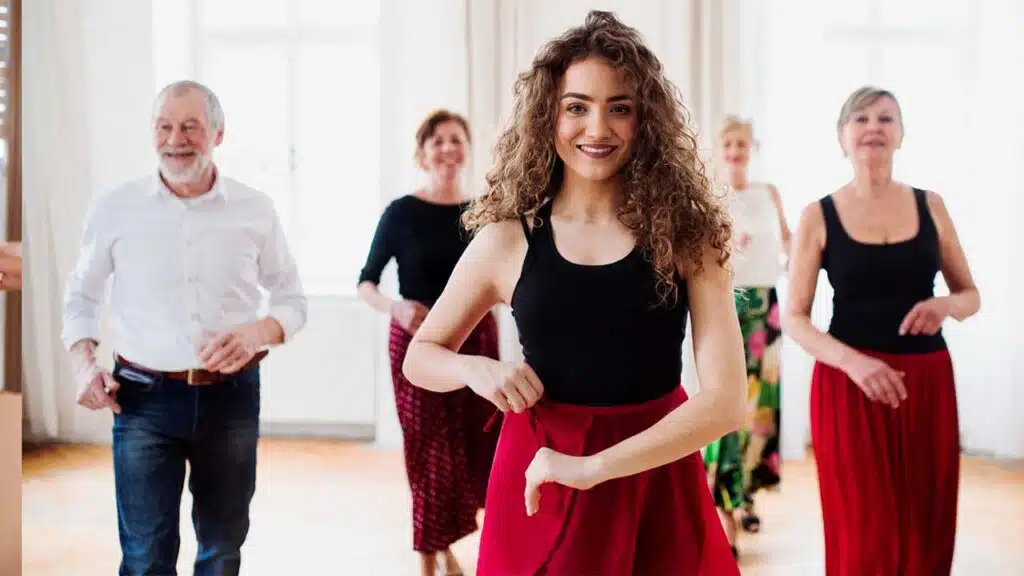
One of the best benefits of dancing is that it helps to improve balance and coordination. Various dance moves require you to shift your weight, spin, and move your body fluidly, enhancing your overall control of motion. This improved coordination can be especially beneficial for older adults in reducing the risk of falls.
Key Benefits: Dancing strengthens core muscles, enhances your ability to balance, and improves reflexes. This contributes to better coordination, agility, and physical stability.
3. Burns Calories and Aids in Weight Management
If you’re looking for a fun way to burn calories and manage your weight, dancing is a great option. The number of calories burned during dancing varies depending on the intensity and duration of the session, but it’s generally a very effective way to stay in shape.
Key Benefits: A high-energy dance workout, such as hip-hop, can burn up to 400 calories an hour, helping you maintain a healthy weight. Plus, it’s an enjoyable way to exercise, making it easier to stay consistent.
Calories Burned: The table below displays the approximate number of calories burned for various dance styles.
| Dance Style | Calories Burned (1 Hour) |
|---|---|
| Zumba | 400-600 |
| Salsa | 300-400 |
| Ballet | 200-300 |
| Hip-hop | 350-500 |
| Ballroom | 200-300 |
4. Improves Muscle Strength and Endurance
Dancing works a variety of muscle groups, helping to improve muscle strength and endurance. Different styles focus on different parts of the body, such as the legs in ballet, the core in salsa, or the arms in hip-hop. Regular practice helps tone muscles and increases stamina.
Key Benefits: Dancing helps in building lean muscle mass, improves muscle tone, and enhances endurance over time.
Supporting Data: Studies suggest that activities involving muscle exertion, like dancing, can increase overall muscular strength by up to 20%, making it a great way to build functional fitness.
5. Boosts Mental Health and Reduces Stress

One of the most significant health benefits of dancing is its positive impact on mental health. The act of moving rhythmically to music releases endorphins—hormones that promote feelings of well-being and reduce stress. Dancing allows individuals to let go of worries and feel joy through movement.
Key Benefits: Dancing can help manage symptoms of anxiety, depression, and stress by elevating mood and providing an emotional outlet. It also encourages social interaction, which can reduce feelings of loneliness.
6. Improves Cognitive Function
Research has linked dancing to improved cognitive function and memory retention. The act of learning dance steps and sequences helps keep the brain active and sharp, which is especially beneficial as we age. Studies show that dancing can improve neuroplasticity, which refers to the brain’s ability to reorganize and adapt.
Key Benefits: Dancing stimulates different areas of the brain, which helps enhance concentration, memory, and learning abilities.
According to a study in the New England Journal of Medicine, people who regularly dance have a 76% lower risk of dementia than people who don’t.
7. Increases Flexibility
Certain dance styles, such as ballet and contemporary, emphasize stretching and graceful movements that improve flexibility. This increased flexibility not only helps in dance performance but also reduces the risk of injury during other physical activities.
Key Benefits: Regularly dancing can improve your range of motion, help loosen tight muscles, and increase overall body flexibility. It can also reduce joint pain and stiffness.
8. Enhances Social Connections
Dancing is an inherently social activity, especially in group classes or social dance events. It encourages interaction and connection with others, which can lead to lasting friendships and a stronger sense of community. Social connections are crucial for maintaining a positive outlook on life.
Key Benefits: Dancing fosters teamwork, cooperation, and enhances social skills, leading to a greater sense of belonging and emotional well-being.
9. Elevates Self-Confidence
As you practice and master different dance routines, you become more comfortable with your body and movements. This can have a significant positive impact on your self-esteem and confidence. Performing in front of an audience or simply dancing with others can boost your self-assurance.
Key Benefits: Dancing provides a sense of achievement, helps overcome shyness, and allows you to feel comfortable expressing yourself, all of which contribute to greater self-esteem.
10. Encourages Creativity and Self-Expression
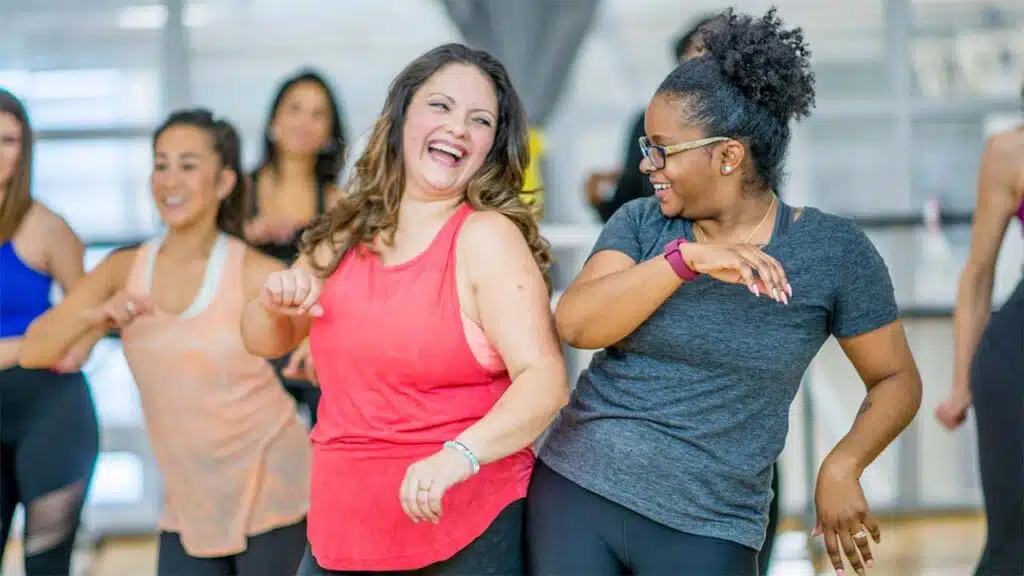
Dancing allows you to express yourself through movement and rhythm. Being creative helps you release emotions and connect with yourself, which is good for your mental health. Dance forms such as contemporary and freestyle are excellent for creative expression.
Key Benefits: Dancing enhances creativity, provides an artistic outlet, and helps release emotions, leading to better emotional health.
11. Strengthens the Immune System
Studies have shown that regular exercise, including dancing, strengthens the immune system. Physical activity helps improve circulation by allowing immune cells to move more effectively throughout the body. It also helps in reducing inflammation, thus boosting immunity.
Key Benefits: Dancing keeps the immune system in optimal shape, helping the body fight off illnesses and infections.
According to research, moderate physical activity can increase immune response by as much as 50%, which reduces the likelihood of catching common illnesses like colds and flu.
12. Aids in Better Sleep
If you struggle with insomnia or poor sleep quality, dancing might help. Physical activity, in general, is known to promote better sleep by reducing stress levels and tiring out the body. Dancing has the added benefit of enhancing mood, which can also contribute to improved sleep quality.
Key Benefits: Dancing helps you fall asleep faster, improves sleep quality, and ensures that you wake up feeling refreshed and energized.
13. Improves Bone Health
Dancing is a weight-bearing exercise, which means it can help in maintaining and building bone density. This is particularly important for older adults, as bone density tends to decline with age, leading to osteoporosis and increased risk of fractures.
Key Benefits: Dancing helps in building stronger bones, reducing the risk of osteoporosis, and improving joint health.
The National Osteoporosis Foundation recommends weight-bearing exercises like dancing as a way to keep bones healthy and reduce bone loss.
14. Develops Discipline and Patience
Learning dance requires practice, consistency, and patience. The process of mastering a dance routine teaches discipline, dedication, and persistence, which can translate into other areas of life as well.
Key Benefits: Dancing promotes focus, patience, and a growth mindset, which are valuable traits for personal growth and development.
15. Enhances Emotional Well-being

Finally, dancing contributes to overall emotional health. Whether it’s the music, the movement, or the connection with others, dancing has a way of making people feel fulfilled and content. It allows for emotional release, making it easier to cope with feelings of sadness, anger, or frustration.
Key Benefits: Dancing boosts mood, enhances emotional resilience, and provides a healthy way to cope with emotions.
The Mayo Clinic suggests that physical activities like dancing are effective in alleviating symptoms of depression and anxiety, making it a natural mood booster.
Conclusion
Dancing is an incredible activity that offers numerous physical, mental, and emotional health benefits. From improving cardiovascular health to boosting your mood and confidence, dancing can transform both your body and mind in wonderful ways.
Whether you are a beginner or a seasoned dancer, incorporating dancing into your weekly routine is a fun and effective way to stay healthy. So put on your favorite music, move your body, and let dancing become your path to better health and happiness.