Spotting a few big black ants crawling around your kitchen floors or counters is a clear sign it’s time to take action. Carpenter ants can be a significant problem. A mature colony can have over 3,000 ants, many of which stay hidden in their nest. These ants make their nests in wood, so even a few can damage your home. Learning how to get rid of carpenter ants can help you stop them from becoming a bigger issue and prevent them from coming back. We spoke to three pest control experts to get their tips on identifying and getting rid of carpenter ant infestations.
What Are Carpenter Ants?
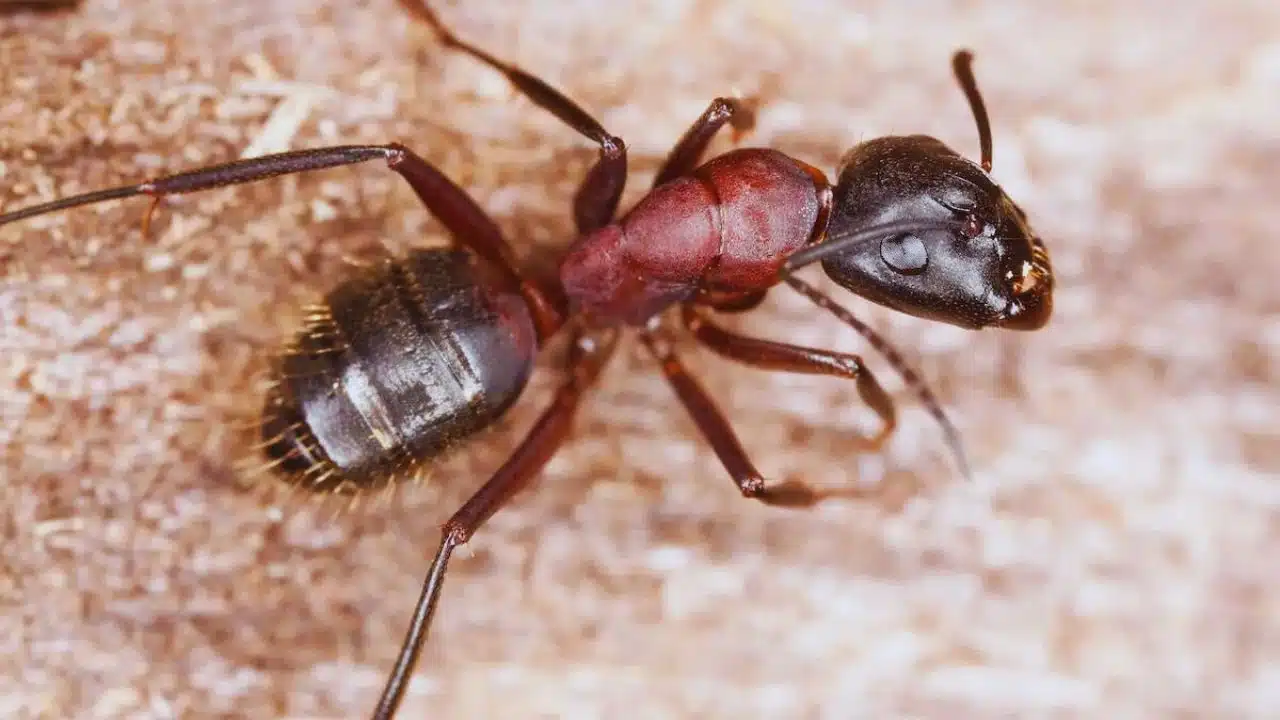
Carpenter ants (Camponotus spp.) are one of the 700-plus species of ants in the U.S. Unlike most ants, carpenter ants chew through wood to create tunnels for nesting. They don’t eat the wood like termites do, but they can still cause damage by making their tunnels. Carpenter ants are among the largest ant species. They can be more than ½ inch long, and the queens are almost ¾ inch. They come in different colors like black, red, brown, or a mix of these colors.
What Attracts Carpenter Ants?
Carpenter ants need food, water, and shelter. If your house provides these, they will want to stay. They prefer damp wood, which is perfect for building their nests. They like areas such as damp basements or spots with water damage because these places have the right conditions for nesting. High moisture areas like poorly ventilated or leaky spaces also attract these ants.
Carpenter ants aren’t picky eaters. They are omnivorous and will eat meat scraps, pet food, jelly, syrup, honey, sugar, small insects, and other sweet and protein-rich items.
Signs of Carpenter Ants in Homes
You can look for several signs of carpenter ants. Their large size makes them easier to spot. They are often seen in kitchens and bathrooms searching for food and water. You might see them trailing up the foundation or on the siding. Sometimes, you may see flying carpenter ants, especially in spring and early summer when they are looking to mate.
If you see something that looks like sawdust, it could be a sign of carpenter ants. This sawdust is called frass, which is irregular in shape and may contain dead ants and insect pieces. The ants eject this frass from their tunnels as they expand their nests.
How to Get Rid of Carpenter Ants
You don’t need chemical pesticides to get rid of carpenter ants. There are effective natural methods. Be prepared to stay on top of the problem, reapplying natural products as needed to kill all the ants and keep them from coming back.
Step 1: Get Rid of Food Sources
Before you start killing carpenter ants, remove any food sources attracting them. Clean up the kitchen, wipe up messes, sweep up crumbs, and seal all pantry items in airtight containers.
Step 2: Set Nontoxic Bait Traps
Setting bait traps can help kill many ants in the colony. The ants will take the bait back to their nest, which will poison other members. You can make bait traps using borax or buy nontoxic traps safe for pets and humans.
Step 3: Find and Destroy the Nest
The goal is to target the colony, not just the foraging ants. Set out some sweet bait and follow the ants back to their nest. Use a drill to make holes around the nest area, then apply boric acid using a bulb duster. Repeat this every few days until the ants are gone.
Step 4: Spread Diatomaceous Earth
Diatomaceous earth is a nontoxic barrier that pierces the ants’ exoskeletons, causing dehydration. Spread it along ant paths, near entry points, and where you suspect nests are located. Apply it with a duster to create a fine mist of dust instead of piles. It’s only effective when dry, so use it indoors.
Step 5: Treat the Outside of the Home
To keep ants from coming back, treat the outside perimeter of your home. Mix equal parts borax and sugar and sprinkle it around entry points like doors, windows, and foundation cracks. Address high moisture areas by replacing damaged wood, storing firewood and lumber away from the house, trimming tree branches, and removing tree stumps.
Additional Tips for Managing Carpenter Ants
Regular Inspections
Regularly inspect your home, especially areas with wood and high moisture, for any signs of carpenter ants. This can help you catch an infestation early and deal with it before it becomes a significant problem.
Seal Entry Points
Make sure to seal cracks and gaps in your home’s foundation and walls to prevent ants from entering. Use caulk or weatherstripping to close off potential entry points.
Maintain Yard Cleanliness
Keep your yard clean and free of debris, as piles of leaves and wood can attract carpenter ants. Store firewood away from the house and keep tree branches trimmed back from the roof and walls.
Monitor Weather Changes
Carpenter ants are more active in warm and humid conditions, so be extra vigilant during these times. If you notice an increase in ant activity, take action quickly to prevent them from establishing a nest in your home.
Use Professional Help
If the infestation is severe or you cannot locate the nest, don’t hesitate to contact a professional pest control service. They have the tools and expertise to handle the problem effectively.
Preventing Future Infestations
Once you’ve dealt with a carpenter ant infestation, take steps to prevent them from coming back. Here are some tips to keep your home ant-free:
- Fix Leaks and Water Damage: Repair any leaks in your plumbing and roof, and address any areas of water damage. Carpenter ants are attracted to moisture, so eliminating these sources can help keep them away.
- Improve Ventilation: Ensure that your home is well-ventilated to reduce moisture levels. Use dehumidifiers in damp areas like basements and crawl spaces.
- Store Food Properly: Keep food in sealed containers and clean up spills and crumbs promptly. This will make your home less attractive to ants looking for a meal.
- Regular Maintenance: Keep up with regular home maintenance, including inspecting and repairing any damaged wood. This can help prevent carpenter ants from finding suitable nesting sites.
Final Thoughts
If carpenter ants have invaded your home, you’ll want to act quickly to get rid of them. These ants can cause serious damage by chewing through wood to form tunnels for nesting. Start by trying the tips and suggestions above, such as setting bait traps, sprinkling diatomaceous earth, destroying the nest, and removing food sources. If you’re not successful, consider reaching out to a professional pest control company for further help.
By following these steps and tips, you can effectively manage and prevent carpenter ant infestations in your home. Remember, staying vigilant and proactive is key to keeping these pests at bay.