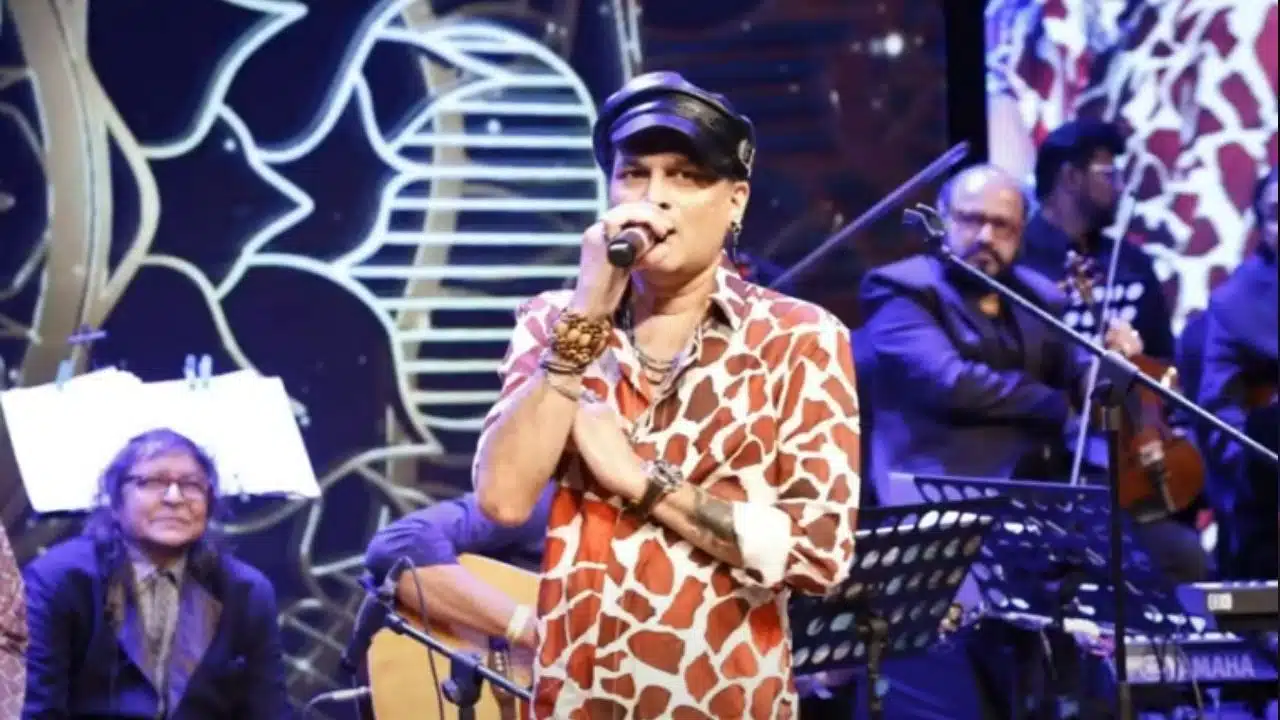
The Indian music industry and millions of fans are mourning the sudden loss of Zubeen Garg, one of Assam’s most celebrated singers, composers, and cultural icons. Garg, aged 52, tragically passed away after a scuba diving accident in Singapore, where he had traveled to participate in a cultural festival. His untimely death has left a deep void in Assamese music, Bollywood, and the wider Indian cultural landscape.
The Accident in Singapore
According to reports, Zubeen Garg was in Singapore to perform at the 4th North East India Festival, a major event showcasing the cultural richness of Northeast India on the global stage.
During a scheduled scuba diving session, Garg reportedly faced severe breathing difficulties underwater. Rescue personnel quickly pulled him out of the sea and administered CPR. He was immediately rushed to Singapore General Hospital and admitted to the Intensive Care Unit. Despite continuous medical efforts, doctors were unable to revive him, and he was officially declared dead.
This shocking news has devastated his family, fans, and the Assamese diaspora worldwide. Many in Assam woke up to the heartbreaking headlines that their beloved “Zubeen Da” would no longer sing for them again.
A Voice That Defined Generations

Born in Jorhat, Assam, in 1972, Zubeen Garg had an artistic spark from childhood. Named after the famous musician Zubin Mehta, he went on to become one of the most versatile singers in India, performing in Assamese, Hindi, Bengali, and several other languages.
- His debut album “Anamika” (1992) became a household name in Assam.
- Over the years, he released multiple successful Assamese albums such as “Maya,” “Asha,” and “Pakhi.”
- In 1995, Garg moved to Mumbai to pursue opportunities in Bollywood. There, he composed music and lent his voice to Hindi albums and films like Chandni Raat, Yuhi Kabhi, Fiza, and Kaante.
His biggest nationwide breakthrough came in 2006, when he sang the chartbuster “Ya Ali” from the film Gangster. The song became one of the most popular Bollywood tracks of its time, winning him critical acclaim and millions of fans across India and abroad.
Later, he also sang memorable numbers like “Dil Tu Hi Bataa” in Krrish 3 and worked extensively in regional cinema, leaving behind a massive musical legacy.
Tributes from Assam’s Leaders
News of Garg’s passing triggered an outpouring of grief from leaders, artists, and fans alike.
Assam Chief Minister Himanta Biswa Sarma’s Message
Chief Minister Himanta Biswa Sarma shared an emotional note on X (formerly Twitter). He wrote:
শব্দ আজি নিজেই নিজত আবদ্ধ
Today Assam lost one of its favourite sons. I am in a loss of words to describe what Zubeen meant for Assam. He has gone too early, this was not an age to go.
Zubeen’s voice had an unmatched ability to energise people and his music spoke directly to…
— Himanta Biswa Sarma (@himantabiswa) September 19, 2025
- “Today Assam lost one of its favourite sons. I am at a loss for words to describe what Zubeen meant for Assam. He has gone too early, this was not an age to go.”
- The CM recalled how Garg’s voice had the unmatched ability to energise people and how his music connected directly with the hearts and minds of listeners.
- He added: “That magical voice has forever gone silent. Tragic beyond words! Rest well, Zubeen! You will always be Assam’s favourite rockstar.”
Health Minister Ashok Singhal’s Tribute
Assam Health and Family Welfare Minister Ashok Singhal also expressed grief, calling Garg “the pride of Assam and the nation.” In his note, Singhal highlighted how the singer’s songs carried the emotions and spirit of Assam to every corner of the world.
Deeply saddened by the untimely demise of our beloved Zubeen Garg.
Assam has lost not just a voice, but a heartbeat. Zubeen da was more than a singer, he was the pride of Assam and the nation, whose songs carried our culture, our emotions, and our spirit to every corner of the…
— Ashok Singhal (@TheAshokSinghal) September 19, 2025
He added that Garg’s music gave joy, solace, and identity to generations, and described his passing as a void that can never be filled.
Fans and Cultural Community in Shock
Across Assam and the Northeast, fans gathered in streets, homes, and cultural centers to remember Garg. Many described him not just as a singer but as a symbol of Assamese identity and resilience.
On social media platforms, hashtags like #ZubeenGarg and #RIPZubeen trended immediately after the news broke. Fans shared memories of his concerts, songs that shaped their youth, and stories of his down-to-earth personality.
Cultural organizations in Assam announced plans for memorial events and tributes in the coming days.
A Humanitarian Beyond Music
While Garg was celebrated for his songs, he was also deeply respected for his humanitarian work and activism.
- He supported charity concerts to raise funds for education, healthcare, and flood relief in Assam.
- He was outspoken about issues affecting the Northeast, often using his fame to advocate for social change.
- Fans remember him as an artist who cared deeply for the common people and stayed connected to his Assamese roots, no matter how popular he became on the national stage.
Legacy of a Cultural Icon
Zubeen Garg’s death is more than the loss of a singer—it is the loss of a cultural ambassador of Assam.
- His songs will continue to inspire new generations of artists.
- His rise from a small town in Assam to Bollywood fame remains a story of determination and talent.
- For many in Assam, he was not only an entertainer but also a source of pride and belonging.
As Assam and India grieve, one thing is certain: Zubeen Da’s voice will echo forever in the hearts of those who loved him. His passing has left behind silence, but his music ensures he will never be forgotten.