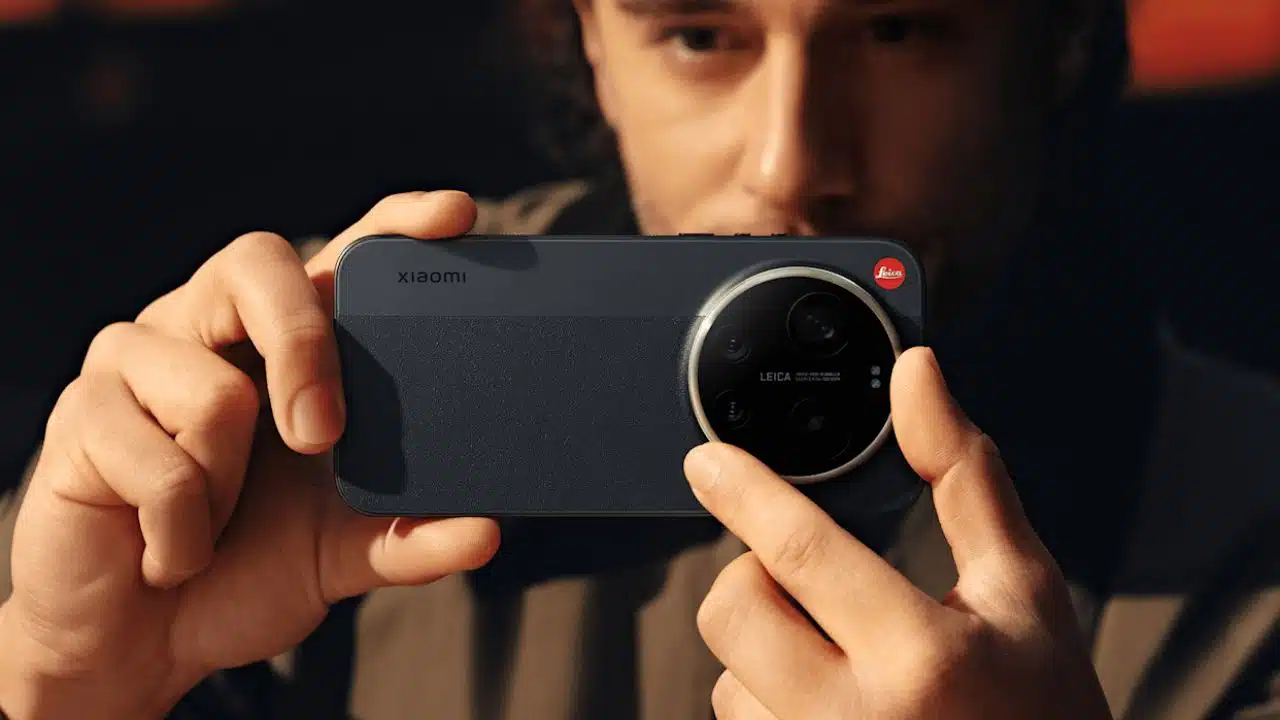
The Xiaomi 17 Ultra is Xiaomi’s latest “everything maxed out” flagship: a big 6.9-inch flat LTPO OLED screen, Qualcomm’s Snapdragon 8 Elite Gen 5, and a Leica co-engineered camera stack that leans hard into photography—especially zoom.
Right away, the vibe is different from recent Ultra models. Xiaomi has gone flatter and thinner, with an 8.29mm body that’s notably slimmer than the previous Ultra generation. It’s still a large phone, but it reads as more modern and less “bulky camera brick” in daily handling.
Who is this phone for?
- Tech enthusiasts who want performance headroom for years and a camera system built for variety (wide, ultrawide, and zoom).
- Content creators who shoot a lot of video and stills and want better zoom options than typical flagships.
- Regular buyers who don’t want to pay the highest “ultra-premium” prices but still want a true flagship—assuming your local pricing stays competitive.
| Overview | What it means in real life |
| 6.9-inch LTPO OLED, 1–120Hz | Smooth scrolling and gaming, with adaptive efficiency |
| Snapdragon 8 Elite Gen 5 | Flagship responsiveness for heavy apps and long-term use |
| Leica camera system with 1-inch main + 200MP tele | Strong zoom flexibility and better low-light potential |
| 6800mAh + 90W wired + 50W wireless | Less charging anxiety and faster top-ups |
| Big “Ultra” footprint | Great media/camera tool, less ideal for small hands |
Design and build quality
Materials and finish
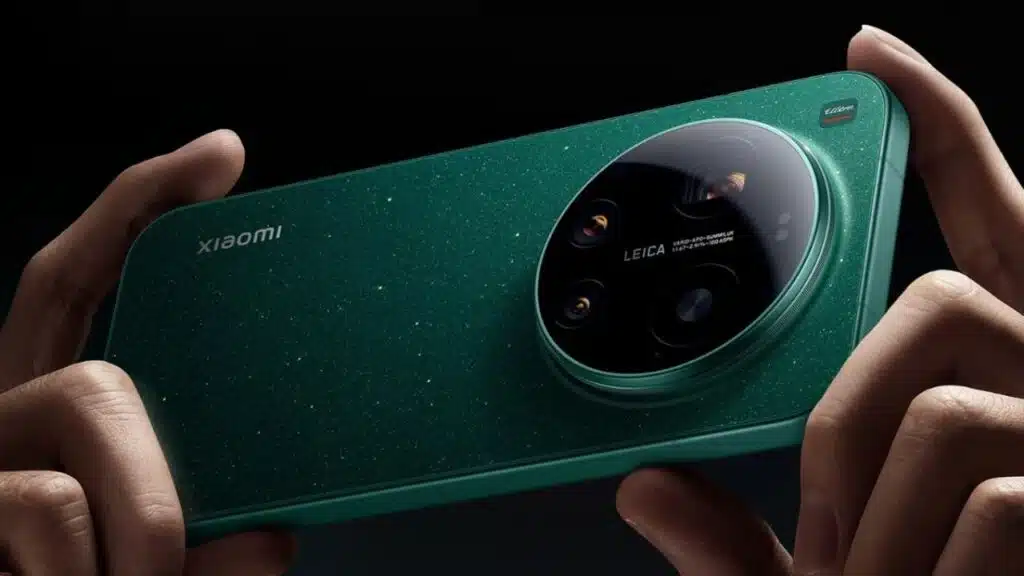
Xiaomi leans into a premium, flagship-first build. The front is protected by a high-end glass layer (marketing names can vary by market/edition), and the overall look is more symmetrical and modern thanks to the flat panel. The frame feels sturdy, and the phone’s “visual weight” is dominated by the camera module, which is large but clearly part of the Ultra identity.
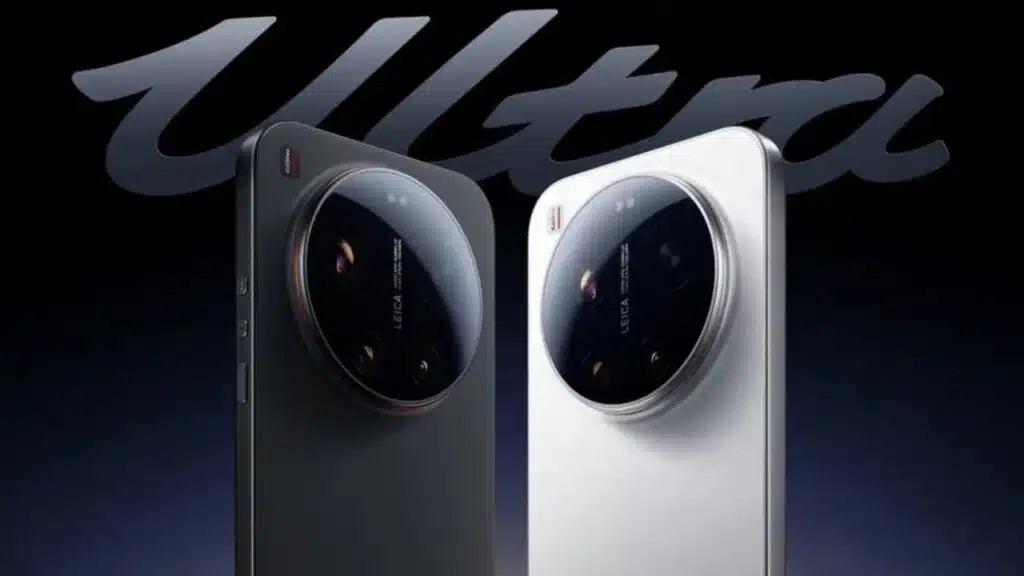
Color options typically include Black and White plus more characterful finishes like green and purple variants. The textured or matte-like options are the practical picks because they hide fingerprints and smudges better, especially around the large camera island where glossy surfaces tend to look messy fast.
Ergonomics, weight, and durability
This is not a small phone. You feel it in pocket and in one-handed use. That said, the move to a flatter display and a slimmer profile helps a lot when you’re actually holding it for long stretches—scrolling, reading, or shooting photos. Flat edges also make gesture navigation easier and reduce accidental edge touches compared to curved screens.
On durability, Xiaomi positions the 17 Ultra as a tough flagship with strong water and dust resistance ratings. That’s reassuring for daily life—rain, spills, dusty commutes—especially for users who travel or shoot outdoors.
| Design & build | Quick takeaway |
| Flat screen + flatter sides | Easier grip and cleaner gestures |
| Premium materials | Looks and feels like a true flagship |
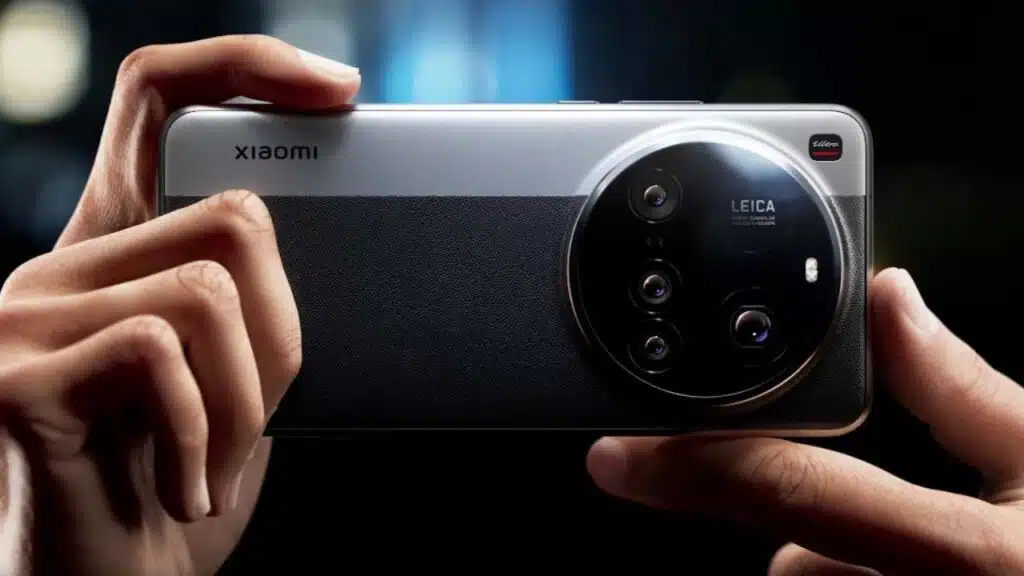
| Large camera module | Great for imaging hardware, less great for pocket comfort |
| Strong water/dust resistance | Better peace of mind for daily use |
| Big size overall | Best for two-handed use and media fans |
Display
Technology, resolution, and refresh rate
The 6.9-inch LTPO OLED is one of the phone’s strongest everyday features. LTPO enables an adaptive refresh range (typically down to 1Hz and up to 120Hz), which helps balance smoothness and battery life. The resolution sits in the “1.5K” range, which is a smart middle ground: it looks sharp but avoids some of the battery and heat costs associated with QHD+ panels.
This display is built for the way most people use phones today: lots of scrolling, lots of video, and frequent outdoor checks. High refresh makes even simple navigation feel more premium, and OLED contrast helps photos and HDR content look punchy without blasting brightness constantly.
Brightness, color accuracy, and outdoor visibility
Xiaomi advertises very high peak brightness numbers, which are most relevant for HDR highlights and direct-sun moments. In practical terms, the phone should be easy to read outdoors and strong for HDR video. What matters more than a single “peak” number is how stable brightness stays over time in heat and sunlight.
Color tuning on modern flagships is usually excellent, and Xiaomi typically includes multiple display modes (vivid, standard, adaptive). For most people, “adaptive” is the best set-and-forget option. If you edit photos or care about accuracy, the more natural mode is often the better choice.
Bezels and cutout
Bezels are slim and uniform, and there’s a centered punch-hole selfie camera. It’s a clean look, and it keeps the screen unobtrusive for video and gaming. With a big 6.9-inch panel, even small bezel improvements make the phone feel more “all screen.”
| Display | Quick takeaway |
| 6.9-inch LTPO OLED | Big, premium panel for media and daily use |
| 1–120Hz adaptive refresh | Smooth feel without constant battery drain |
| “1.5K” resolution | Sharp enough, more efficient than QHD+ |
| High peak brightness | Better outdoor readability and HDR highlights |
| Slim bezels + centered cutout | Modern look, minimal distraction |
Performance and software
Daily performance and chipset behavior
The Snapdragon 8 Elite Gen 5 is the kind of chip you buy when you want your phone to stay fast for years. Day-to-day, that shows up as instant app launches, smooth multitasking, and faster processing for camera shots—especially computational photography steps like HDR stacking and portrait processing.
The inclusion of LPDDR5X RAM and UFS 4.1 storage also matters. Fast storage reduces the “little pauses” that can make a phone feel older—installing apps, loading large games, importing big photo libraries, or moving video files.
If you’re a regular buyer, the key point is longevity: flagship silicon makes the phone feel “new” longer, even after software updates, larger apps, and heavier web pages.
Thermal management and gaming performance
Big camera flagships can get warm—camera sensors, image processing, bright displays, and 5G all generate heat. Xiaomi addresses this with an advanced cooling setup designed to spread heat from the CPU and camera hardware more effectively. In real use, that should translate to fewer performance dips during longer gaming sessions and less discomfort during extended 4K video recording.
For gaming, the experience should be excellent at high settings for today’s popular titles. The more important test is sustained play: does the phone keep stable frame rates after 20–30 minutes, and does it avoid aggressively dimming the display to control heat? A good cooling solution helps both.
Operating system, features, and bloatware reality
The Xiaomi 17 Ultra runs Android 16 with HyperOS 3. HyperOS aims to add a lot of Xiaomi’s ecosystem features—device tools, customization, cross-device options—while still delivering modern Android fundamentals.
There are two practical “software truths” with Xiaomi phones:
- HyperOS is feature-rich and highly customizable, which power users love.
- Depending on the region, you may see extra preloaded apps or Xiaomi services that you’ll want to disable or uninstall.
If you’re budget-conscious, software experience matters because it affects long-term satisfaction. The good news is that once you do the initial cleanup (notifications, duplicate apps, power management settings), the phone can feel very smooth and efficient.
Update promise and support can vary by market. If long-term OS updates are a priority, check the exact policy for your region before buying.
| Performance & software | Quick takeaway |
| Snapdragon 8 Elite Gen 5 | Fast today, strong longevity |
| LPDDR5X + UFS 4.1 | Smoother multitasking and faster file handling |
| Advanced cooling | Better sustained gaming and long video sessions |
| Android 16 + HyperOS 3 | Powerful features, may need cleanup by region |
| Update policy varies | Verify support commitment in your country |
Camera system
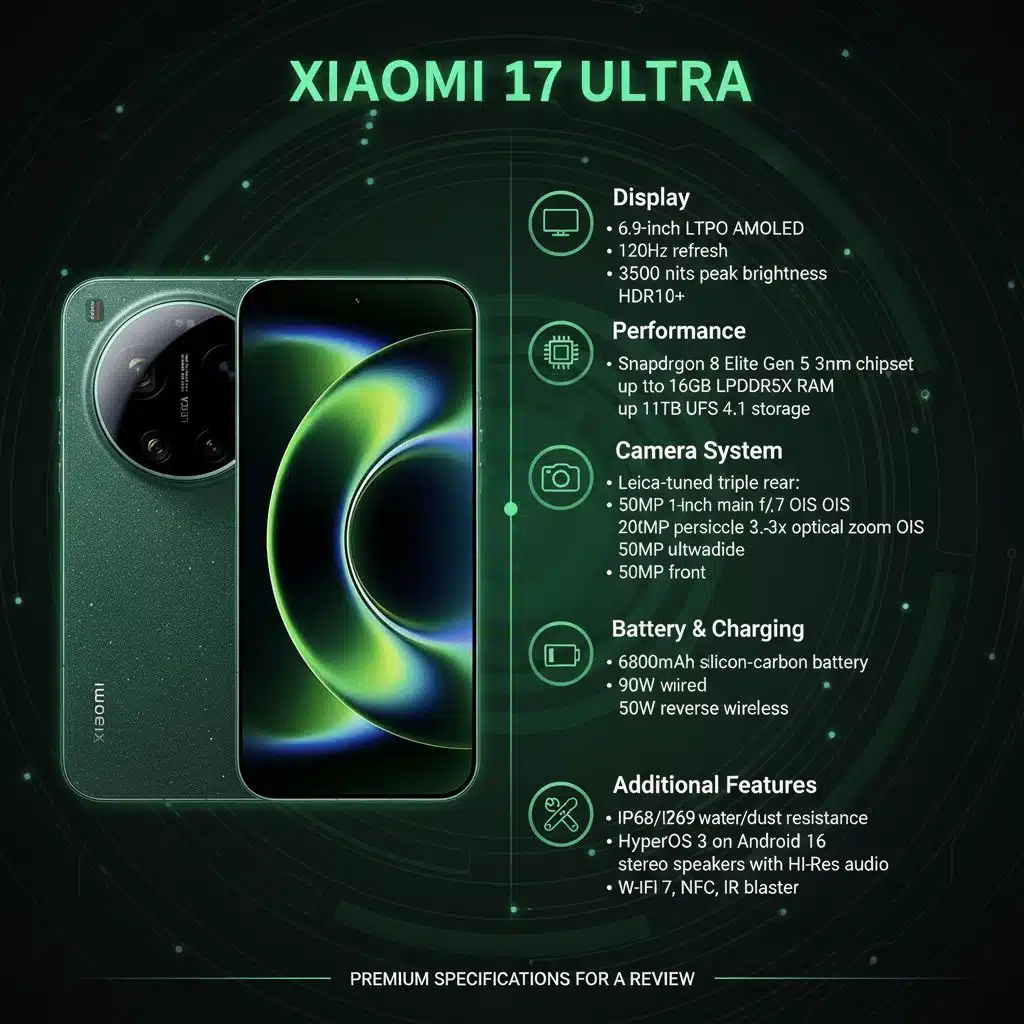
The Xiaomi 17 Ultra is designed around the idea that a flagship camera should be flexible: strong main camera results, a usable ultrawide, and a telephoto system that’s actually worth using beyond “just for fun.” Xiaomi’s Leica partnership shapes color profiles and shooting modes, aiming for a more “camera-like” feel rather than overly sharpened, artificial-looking images.
Main camera: the everyday workhorse
The main camera is built on a 50MP 1-inch-type sensor, which is a meaningful advantage for photography. A larger sensor generally captures more light, improves natural depth, and can produce cleaner shadows.
In real life, this helps most in two situations:
- Indoor photos where light is mixed and not very bright
- Night scenes with bright highlights (street lamps, signs) and dark shadows
Xiaomi also emphasizes enhanced dynamic range handling (often described through advanced HDR and sensor/processing tech). Practically, this should reduce blown highlights and keep more texture in bright skies and reflective surfaces.
For everyday photos—kids, pets, food, travel—the main camera is the one most users rely on. If Xiaomi’s processing is well-balanced, you’ll get photos that look great without heavy editing.
Ultrawide: wider scenes, better consistency
The ultrawide is a high-resolution 50MP lens designed for landscapes, groups, and tight indoor spaces. The key thing to watch in real use is consistency: some phones produce a dramatic color shift between main and ultrawide. Better-tuned systems keep color and exposure closer so switching lenses doesn’t feel like switching phones.
Macro capability (close focusing) is a bonus. It’s not a replacement for a dedicated macro camera, but it’s useful for flowers, textures, product shots, and small objects when you want a creative angle.
Telephoto and zoom: the headline upgrade
The 200MP telephoto is the standout spec. The goal here is simple: make zoom photos look like real photos, not like crops. Xiaomi also highlights an optical zoom range that aims to keep quality high across multiple focal lengths, rather than giving you just one “good” zoom point and a bunch of digital mush everywhere else.
In practical terms, this is where the 17 Ultra can pull away from many competitors:
- Portraits look better when you can choose flattering focal lengths (not just one fixed zoom).
- Travel shots benefit from clean detail at medium-to-long distances.
- Night city shots and stage/concert photos improve when the tele lens retains sharpness and controls highlights.
Zoom is also where budget-conscious buyers can feel the value difference. Cheaper phones often have decent main cameras but weak zoom. If you actually use zoom, the 17 Ultra’s tele system can justify the price.
Low light and night mode
Low light is where sensor size and processing matter most. A 1-inch main sensor can deliver brighter, cleaner images with more natural texture. The telephoto’s performance at night is the bigger question: tele lenses often struggle in low light because they capture less light than the main lens.
A strong night mode should help, but you’ll still want to use the main camera for the darkest scenes and rely on telephoto for well-lit night environments.
Video: stabilization, lens switching, and audio
Flagship phones now shoot excellent video, but the “experience” depends on:
- Stabilization consistency across lenses
- Exposure stability when panning from dark to bright
- Audio clarity in windy or crowded environments
The 17 Ultra’s hardware suggests it should do well, especially for creators who want detailed footage and strong HDR control. The most important real-world test is whether lens switching is smooth and whether the phone avoids sudden color shifts or exposure jumps.
Front camera quality
A high-resolution front camera with modern video support is a plus for video calls, vlogging, and social content. The main thing that determines selfie quality is processing: skin tones, HDR balance, and edge detection in portrait selfies.
| Camera system | Best for | Watch-outs |
| 50MP 1-inch main | Everyday photos, indoor shots, night scenes, portraits | Processing style (natural vs punchy) varies by mode |
| 50MP ultrawide | Landscapes, groups, tight spaces, macro-style close shots | Edge sharpness and color match to main |
| 200MP telephoto | Detailed zoom, portraits at multiple focal lengths, travel shots | Low-light tele performance depends on lighting |
| Video features | Creators who want stable, detailed footage | Lens switching consistency and audio handling |
| Front camera | Calls, vlogging, social | Skin tone accuracy and HDR balance |
Battery life and charging
Real-world endurance and screen-on time expectations
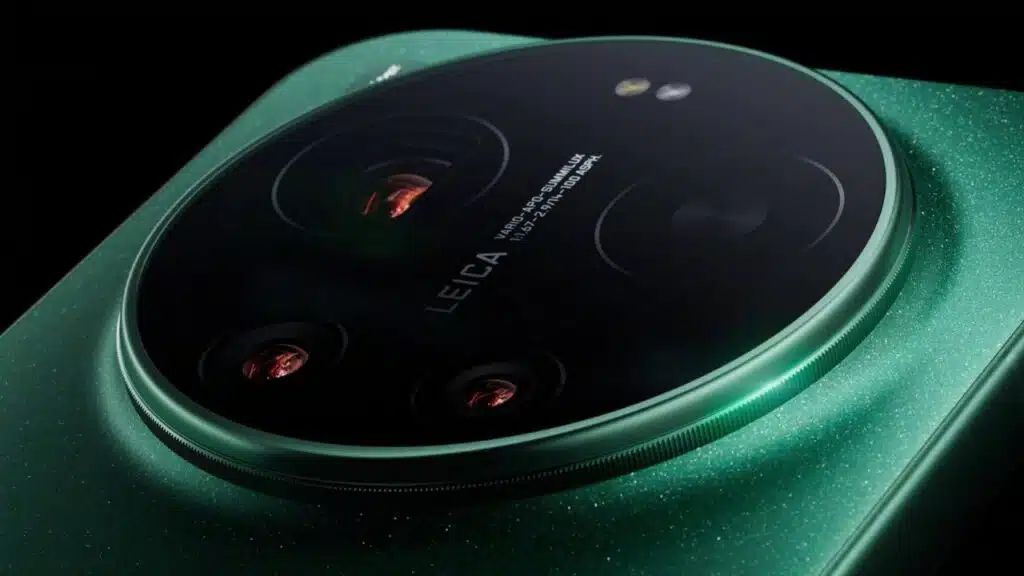
A 6800mAh battery is huge by flagship standards, and it changes how the phone feels day to day. Big batteries matter most when you do “real phone stuff” for hours: navigation, camera use, messaging, social media, and streaming—often all in the same day.
What you can realistically expect:
- Heavy users should get a full day comfortably, even with lots of camera usage.
- Moderate users can often push into a second day depending on brightness and network conditions.
- Gaming and 5G will still drain faster, but you start with a bigger tank.
Screen-on time varies wildly by usage, but the combination of LTPO (adaptive refresh), 1.5K resolution, and a large battery should produce strong endurance for most people.
Charging speed and time to full
Fast charging is where Xiaomi typically shines. With 90W wired charging, short top-ups become meaningful. Even if you only plug in for 15–20 minutes, you should get enough power to change your day’s plan without stress.
50W wireless charging is also a real convenience upgrade. It makes desk charging viable as a primary habit rather than a slow overnight-only option.
Reverse charging is the bonus feature you don’t use daily—but when you need it (earbuds dying, a friend’s phone at 5%), it’s genuinely useful.
| Battery & charging | Quick takeaway |
| 6800mAh | Strong all-day endurance for heavy users |
| LTPO + 1.5K display pairing | Better efficiency than many big-screen flagships |
| 90W wired | Quick top-ups that actually matter |
| 50W wireless | Fast enough to use regularly |
| Reverse charging | Emergency power-sharing for accessories |
Audio, haptics, and connectivity
Speaker quality and stereo performance
Stereo speakers are now a flagship baseline, but tuning matters. The best stereo setups deliver clear vocals, decent separation in landscape, and enough bass presence to avoid sounding thin. Xiaomi’s flagship audio features typically aim for high loudness without harshness.
In real life, you’ll notice speaker quality most when watching YouTube, taking calls on speakerphone, and gaming in landscape. If you do any of those often, better speakers are a meaningful everyday upgrade.
Haptic motor quality
A quality haptic motor makes a phone feel premium even when you’re doing boring tasks. Good haptics improve typing confidence, make UI interactions feel crisp, and reduce that cheap “buzz” sensation that midrange phones sometimes have.
If Xiaomi’s tuning is balanced, you’ll get satisfying taps without them feeling overly strong or distracting. Most users can keep haptics on without draining battery noticeably.
Connectivity: 5G/4G, Wi-Fi standard, ports
Wi-Fi 7 support is aimed at future-proofing and better performance on modern routers. For most people today, it’s not life-changing, but it can improve stability in busy home networks and reduce latency.
USB-C with fast transfer capability is useful for creators who move large video files. Even if you don’t transfer files often, it’s good to have when you need it.
Some markets may also highlight extras like ultra-wideband (UWB) and enhanced antenna systems. These features matter most if you use smart trackers, proximity-based controls, or if you spend time in signal-challenged environments.
| Audio & connectivity | Quick takeaway |
| Stereo speakers | Better media, calls, and gaming |
| Strong haptics | More premium feel in daily interactions |
| Wi-Fi 7 | Better future-proofing and network performance |
| USB-C with fast transfers | Helpful for creators and large file moves |
| Enhanced antennas (market dependent) | Potentially better signal stability in tough areas |
Summary and verdict
Pros and cons
Pros
- Flatter, slimmer design makes a big Ultra phone easier to live with
- Large LTPO OLED delivers a premium viewing experience with adaptive smoothness
- Snapdragon 8 Elite Gen 5 class performance offers excellent speed and longevity
- 1-inch main camera hardware supports stronger low-light and dynamic range potential
- 200MP telephoto zoom focus is a real advantage for travel and portrait shooters
- Very large battery paired with fast wired and wireless charging reduces daily stress
- Feature-rich software and ecosystem tools for users who like customization
Cons
- Still a big, heavy phone—one-handed use is limited
- Large camera module can create pocket bulk and table wobble
- HyperOS experience can require cleanup depending on region and preloads
- Zoom and night performance depend heavily on Xiaomi’s processing consistency
- Global pricing can change the “value” story significantly by country
Value assessment: price vs features and competitors
At its China launch pricing tier, the Xiaomi 17 Ultra looks like a strong value on paper for an Ultra-class flagship—especially if you care about zoom and battery life. A 6800mAh battery and a high-spec telephoto system are not common together, and they directly improve daily use for heavy users.
However, value is very region-dependent. In some markets, Xiaomi’s flagships are priced aggressively; in others, official distribution, taxes, and limited promotions can push pricing closer to ultra-premium rivals from Apple and Samsung. When that happens, the decision becomes more personal:
- If you want the iPhone ecosystem or long-term update clarity, Apple may feel safer.
- If you want the most mainstream “ultra” experience with strong resale and broad carrier support, Samsung tends to be the easier buy.
- If you want hardware-forward photography—especially zoom flexibility—and fast charging, Xiaomi becomes very attractive.
The best way to judge value is to compare the street price in your country against what matters to you. If you mostly shoot at 1x and you don’t zoom much, you may be paying for hardware you won’t use. If you zoom often, the 17 Ultra’s camera system can be worth it.
Final verdict: should you buy it?
The Xiaomi 17 Ultra is an excellent pick for tech enthusiasts and heavy users who want a large, premium display, top-tier performance, and a camera system that’s built to be used beyond the main lens. The combination of a 1-inch main camera approach, an ambitious telephoto setup, and a huge battery makes it feel like a real “Ultra” that’s designed for power and photography.
You should buy it if:
- You take lots of photos across different focal lengths (wide, ultrawide, zoom)
- You care about fast charging and long endurance
- You want flagship performance without relying on the biggest-name brands
You should skip it if:
- You strongly prefer a smaller phone
- You want the simplest software experience with minimal setup
- Your local price is too close to ultra-premium rivals and you value ecosystem/support more than hardware
| Verdict | Best for |
| Buy Xiaomi 17 Ultra | Power users, camera enthusiasts, zoom and battery lovers |
| Consider alternatives | Small-phone fans, “clean OS” buyers, ecosystem-first users |
| Best value case | When local pricing stays meaningfully below ultra-premium rivals |
FAQs on Xiaomi 17 Ultra
Is the Xiaomi 17 Ultra good for gaming?
Yes. The Snapdragon 8 Elite Gen 5 class performance, fast storage, and upgraded cooling should make it excellent for gaming. The bigger question is sustained behavior—how stable the phone stays during long sessions—but the hardware is clearly built for it.
How is the Xiaomi 17 Ultra camera for zoom photos?
Zoom is one of its main strengths. The 200MP telephoto system is designed to deliver more detailed zoom shots and more flexible portrait focal lengths than typical flagships, especially in good lighting.
Does the big battery make the phone bulky?
It’s still a large phone, but the slimmer, flatter design helps. You’ll feel the size and weight, yet the battery is a real advantage for heavy users who don’t want to charge midday.
Is wireless charging fast enough to rely on daily?
With 50W wireless charging support, it’s fast enough to become a daily habit, especially for desk charging or quick top-ups.
Should budget-conscious buyers consider this phone?
If your local price is competitive and you care about camera flexibility, battery life, and performance longevity, it can be a smart “buy once, use for years” flagship. If the price climbs close to ultra-premium rivals in your region, compare support, resale, and software preference before deciding.
Does HyperOS feel complicated?
HyperOS is feature-rich and can feel busy at first. Most users can make it feel clean by uninstalling/disable extras, adjusting notifications, and reviewing battery controls during setup.