Ever feel like our cities are getting a little too crowded and chaotic?
Between the traffic jams, the search for affordable housing, and the need for more green spaces, it’s easy to feel overwhelmed. With more people moving into cities every year, these problems aren’t going away on their own.
So, what’s being done about it?
That’s where World Cities Day 2025 comes in. Every year on October 31st, the United Nations hosts this global observance to tackle these exact issues head on. It’s a day for leaders, experts, and you to discuss real solutions for making city life better for everyone.
This year’s main event is in Bogotá, Colombia, and the conversation will be buzzing with ideas about creating smarter, greener, and more inclusive communities. We’ll explore what this day is all about and how it’s inspiring real change, from using artificial intelligence (AI) for cleaner streets to ensuring everyone has a voice in urban planning.
Let’s look at how this event is shaping the future of our neighborhoods.
An Overview of World Cities Day

Have you ever heard of Urban October? It’s a month-long focus on urban issues, and World Cities Day on October 31st is its grand finale.
The United Nations General Assembly officially established this day back in 2014 through Resolution 68/239 to highlight the challenges and opportunities of global urbanization. The goal was to promote sustainable urban development and foster international cooperation.
Each year, a different city takes the lead as the global host. For 2025, all eyes are on Bogotá, Colombia. This provides a unique platform for the host city to showcase its own urban innovations and challenges.
Organizations like the UN-Habitat, led by Executive Director Maimunah Mohd Sharif, work with local governments to turn these discussions into action. They focus on key areas like:
- Social Inclusion: Ensuring everyone, regardless of age, income, or background, has access to urban services and opportunities.
- Equitable Cities: Addressing inequalities in housing, healthcare, and education within urban areas.
- Data-Driven Decision Making: Using technology and data to make smarter choices in urban planning and management.
This global observance helps connect high-level goals with the everyday realities of people living in cities around the world.
Significance of the 2025 Celebrations
This year’s celebrations are all about building people-centred smart cities, and the choice of Bogotá as the host city is no accident.
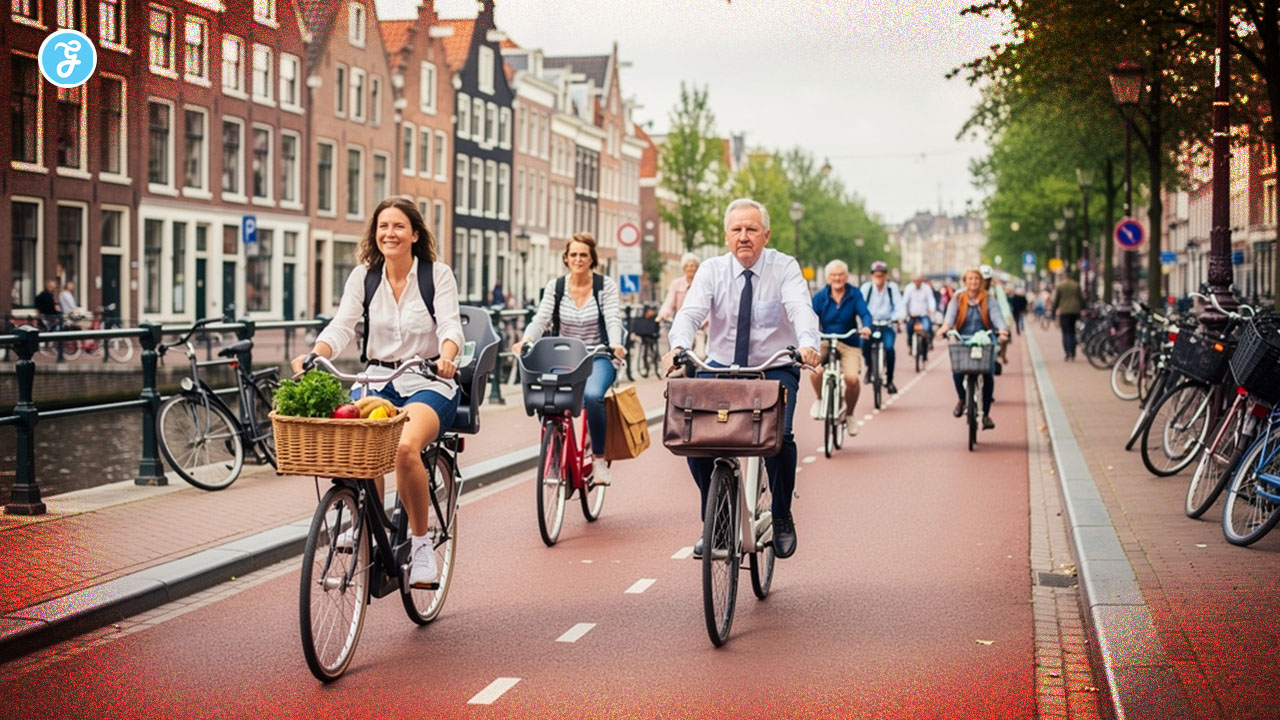
Bogotá has become a living laboratory for innovative urban solutions. For example, its famous “Ciclovía” program closes over 75 miles of city streets to cars every Sunday, turning them over to cyclists and pedestrians. This initiative not only reduces pollution but also promotes community health and social interaction.
The 2025 events will zero in on critical urban challenges, including:
- The Housing Crisis: Finding solutions for affordable and adequate housing is a top priority.
- Health Equity: Discussions led by partners like the World Health Organization (WHO) will tackle how to ensure everyone has access to quality healthcare services.
- Environmental Factors: From air pollution to green space access, the focus is on creating healthier urban environments.
These efforts directly support the United Nations’ Sustainable Development Goal 11, which aims to make cities inclusive, safe, resilient, and sustainable. A key target of SDG 11 is to ensure access for all to adequate, safe, and affordable housing and basic services by 2030.
Experts will also showcase how digital transformation can help. Artificial intelligence tools like MIT’s CityScope platform are being used to simulate urban planning decisions, allowing planners to see the potential impact of new developments before breaking ground. This kind of data-driven decision making helps create more efficient and livable cities for everyone.
Global Participation and Engagement
World Cities Day isn’t just a single event in Bogotá; it’s a worldwide movement. People from all corners of the globe come together to share ideas and celebrate their communities.
In past years, hundreds of events have taken place in over 80 countries, showing the incredible reach of this global observance. These gatherings range from high-level policy discussions to grassroots community activities.
Who Gets Involved?
The amazing thing about this day is how many different people it brings to the table.
You’ll find mayors and city leaders collaborating on strategies to tackle shared problems like traffic congestion and waste management. At the same time, local community groups organize events that make a direct impact on their neighborhoods.
Here are just a few examples of the engagement you might see:
- Community Clean-ups: In cities like Nairobi, residents have organized large-scale clean-up drives to improve their local environment.
- Public Art Installations: Many cities use art to spark conversations about urban identity and future development.
- Youth Forums: Young people are given a platform to share their vision for safer parks, better schools, and more engaging public spaces.
- Tech Showcases: Companies and startups present smart city initiatives, such as apps that help citizens report infrastructure issues or find public transportation options.
Online platforms also play a huge role, connecting people across continents. Live-streamed panels and virtual workshops allow experts and citizens to exchange ideas on everything from social inclusion to using artificial intelligence in urban planning.
Key Themes and Activities Planned for 2025
With Bogotá at the center, World Cities Day 2025 is set to be a hub of activity focused on creating a better urban life for all.
The events planned for Urban October are designed to be both inspiring and practical. They aim to turn big ideas into concrete actions that can be implemented in cities everywhere.
Focus on Smart and Sustainable Solutions
One of the central themes is the development of people-centred smart cities. This means using technology not just for efficiency, but to improve the quality of life for every resident. This includes:
- Digital Inclusion Workshops: Sessions focused on ensuring that as cities become “smarter,” no one is left behind. This involves training for digital literacy and ensuring access to online services for all.
- Sustainable Urban Development Panels: Experts will discuss how to design cities that are environmentally friendly, with a focus on green buildings, renewable energy, and sustainable transport. Bogotá’s TransMilenio bus rapid transit system is often cited as a model for other cities.
- Youth Creativity Labs: Special forums, similar to UNICEF’s “Youth Foresight” initiatives, will empower young people to design and propose their own solutions to local urban challenges.
Activities will also emphasize social inclusion, bringing neighbors together through cultural events, community gardening projects, and street fairs. These events celebrate diversity and strengthen the social fabric of the city.
Potential Impacts on Urban Development and Sustainability

So, what happens after the events are over and the banners come down? The real impact of World Cities Day is measured in the long-term changes it inspires.
This global observance acts as a catalyst, pushing cities to adopt more sustainable and inclusive policies. By sharing success stories and best practices, leaders can learn from one another and avoid reinventing the wheel.
For example, after hosting a previous event, a city might be inspired to implement a new recycling program or invest in public green spaces. The connections made between policymakers, experts, and community advocates can lead to lasting partnerships and new initiatives.
One of the key goals is to accelerate progress on the New Urban Agenda, a framework adopted at the Habitat III conference. This agenda provides a roadmap for sustainable urban development over the next 20 years.
The focus on artificial intelligence and data-driven decision making is also creating tangible benefits. Consider how smart traffic management systems can reduce congestion and pollution, or how predictive analytics can help cities allocate resources more effectively for services like sanitation and emergency response.
Ultimately, these efforts lead to real-world improvements: safer streets for children to walk on, cleaner air for everyone to breathe, and more equitable access to housing and jobs. It’s about turning the promise of sustainable development into a reality for the billions of people who call a city home.
Takeaways
World Cities Day 2025 is more than just a date on the calendar; it’s a global conversation about the future we want to build.
It’s a chance to celebrate the progress we’ve made and to confront the urban challenges that still lie ahead. From the bustling streets of Bogotá to neighborhoods across the globe, the day brings people together to imagine cities that are smarter, greener, and more inclusive.
The ideas shared and the connections made during this global observance can spark real change, leading to better urban planning and a higher quality of life for all.
It reminds us that everyone has a role to play in shaping the cities of tomorrow.
FAQs about World Cities Day 2025
1. What is World Cities Day 2025, and why does it matter?
World Cities Day, held annually on October 31st, is a United Nations observance promoting sustainable urban development to support the nearly 70% of people expected to live in cities by 2050. It encourages global cooperation on urban challenges, celebrating solutions that make cities more inclusive for all residents.
2. How do people-centred smart cities connect to World Cities Day?
People-centred smart cities use technology to directly improve the quality of urban life, which is a core goal of World Cities Day. For example, platforms like “Decide Madrid” in Spain use digital tools to involve residents directly in city planning, ensuring that new technologies create more equitable communities.
3. What role does Bogotá, Colombia play in the celebrations?
Bogotá, Colombia is often highlighted during Urban October for its innovative solutions to urban challenges. The city shares lessons from its world-renowned Ciclovía program, which closes streets to cars on Sundays, and its TransMilenio bus rapid transit system as models for sustainable urban development.
4. Why should we care about data-driven decision making in our towns?
Data-driven decision making allows cities like Barcelona to use sensor data to manage waste collection and street lighting more efficiently, directly improving services and saving resources for residents.
5. How are World Habitat Day and Urban October linked to these celebrations?
World Habitat Day on October 6th, 2025, kicks off the month-long Urban October initiative, which is capped by World Cities Day on October 31st. Both events support the UN’s Sustainable Development Goal 11, which focuses on making cities inclusive, safe, resilient, and sustainable.