
After a car accident, the road to recovery can involve more than just emergency care or physical therapy. Many people experience ongoing pain, muscle tightness, and stress that do not go away on their own. Massage therapy is often recommended to help with these symptoms, especially when soft tissue injuries are involved.
But getting this type of care raises an important question. Who is responsible for paying for it? Insurance coverage for massage therapy after an accident depends on several factors, and understanding those details can help you avoid unexpected costs and delays.
Understanding the Role of Massage Therapy in Injury Recovery
After a car accident, the body often reacts in ways that are not immediately obvious. Even if there are no broken bones or visible wounds, the muscles and soft tissues can suffer damage. This kind of trauma can lead to pain, stiffness, and limited movement. Massage therapy is one of the treatments that may help people recover from these effects. It is not just about comfort. It is a method used to support healing and reduce physical stress caused by the accident.
Massage therapy works by improving blood flow, easing muscle tension, and helping the body release built-up stress. When used as part of a medical recovery plan, it can help reduce inflammation and support the healing of soft tissue injuries. It may also help people regain movement and feel more at ease in their daily lives. For many patients, massage therapy becomes a key part of their recovery process.
In the context of insurance, it is important to understand how massage therapy fits into a treatment plan. Insurance companies are more likely to cover care that is considered necessary for recovery.
If massage therapy is recommended by a licensed medical provider and is part of a structured plan, it may be viewed as a valid medical expense. That is why the way it is documented and prescribed matters.
When Is Massage Therapy Considered a Medical Necessity?
Many people delay treatment, assuming the injury will heal on its own, but injuries can worsen without proper care. Make sure to treat your injuries before they turn into something more serious. While getting timely treatment is important, it is equally important to understand how the expenses will be covered.
Insurance companies do not cover every type of treatment. For massage therapy to be paid for after a car accident, it must be considered medically necessary. This means a licensed healthcare provider must decide that the therapy is needed to treat a specific injury caused by the accident. It cannot be something the patient chooses on their own without medical support.
Medical necessity is based on a few important factors. First, the injury must be connected to the accident. Second, the therapy must be expected to help the patient recover or prevent the condition from getting worse. Third, the treatment must be provided by someone who is licensed and trained to do the work.
For example, if a person has neck pain from whiplash and a doctor believes massage therapy will help reduce muscle tightness and improve movement, they may include it in the treatment plan. That recommendation becomes part of the medical record. It shows that the therapy is not just for comfort but is part of the effort to heal the injury.
Without a referral or prescription, insurance companies may see massage therapy as optional. That is why it’s important to have a clear diagnosis and a written plan that includes massage therapy. The more specific the recommendation, the better the chance that insurance will cover the cost.
How Auto Insurance Handles Post-Accident Medical Care
Auto insurance policies often include coverage for medical care after a crash. This coverage is meant to help pay for treatment related to injuries caused by the accident. Whether massage therapy is included depends on the type of policy and how the treatment is presented.
In some states, drivers are required to carry a type of coverage called Personal Injury Protection. This coverage pays for medical expenses no matter who caused the accident. It may include treatments like chiropractic care, physical therapy, and sometimes massage therapy. However, the treatment must be part of a medical plan and properly documented.
Other policies, such as Medical Payments Coverage, may also help with medical costs. These policies are not required in every state, and the amount they cover can vary. Still, they may be used to pay for massage therapy if it is recommended by a doctor or other licensed provider.
If the injured person was not at fault, the other driver’s insurance may be responsible for paying medical costs. This process can take longer and may involve legal steps, but it is another way to seek payment for care. In some cases, health insurance may also help if auto insurance does not cover everything. However, health plans often have their own rules about what is covered and what is not.
Does Personal Injury Protection Cover Massage Therapy?
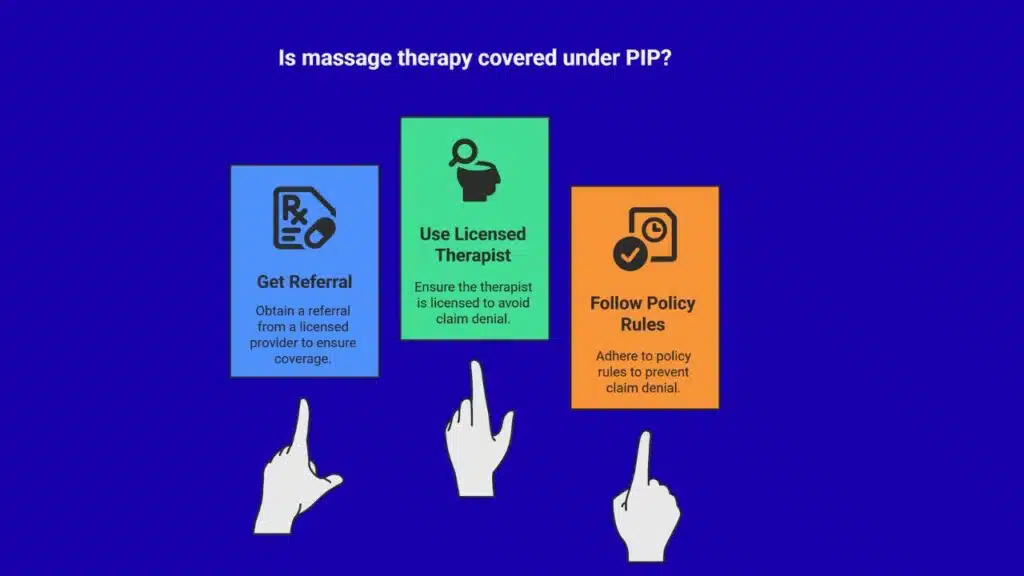
Personal Injury Protection (PIP) is one of the most common ways to get massage therapy covered after a car accident. This type of coverage is required in some states and is designed to pay for medical care, lost wages, and other costs related to the accident. It does not matter who caused the crash. The goal is to help the injured person recover.
Massage therapy may be covered under this protection if it is part of a treatment plan created by a licensed provider. That means a doctor, chiropractor, or physical therapist must examine the injury and decide that massage therapy is needed. The provider must then write a referral or prescription and include it in the medical records.
Once the therapy is approved, the insurance may pay for a certain number of sessions or a specific amount of money. The exact limits depend on the policy and the laws in the state. Some states allow more generous coverage, while others have stricter rules.
To use this coverage, it is important to follow the correct steps. That includes getting a referral, using a licensed massage therapist, and keeping records of each session. If the paperwork is not complete or the therapist is not properly licensed, the insurance company may deny the claim.
In some cases, the insurance company may require approval before the therapy begins. If that approval is not given, the claim may be denied even if the therapy is helpful. That is why it is important to understand the rules of the policy and follow them closely.
The Importance of a Doctor’s Referral for Insurance Approval
One of the most important parts of getting massage therapy covered by insurance is having a referral from a licensed medical provider. Insurance companies rely on doctors and other professionals to decide what care is needed. Without a referral, massage therapy is often seen as something optional or not related to the injury.
A referral shows that the patient has a real injury caused by the accident. It also shows that the provider believes massage therapy will help treat that injury. The referral becomes part of the medical record and can be used to support the insurance claim.
The referral should include details about the injury, why massage therapy is being recommended, and how many sessions are expected. If the referral is too general, the insurance company may not approve the treatment. The more clear and specific the referral is, the better the chance of getting coverage.
Sometimes the referral comes from a chiropractor or physical therapist instead of a medical doctor. This is usually fine as long as the provider is licensed and the treatment is within their area of practice. Still, some insurance companies have rules about who can give referrals, so it is important to check the policy.
Once the referral is in place, it is also important to choose a licensed massage therapist. Insurance companies usually require that the therapist be certified and follow state rules. If the therapist is not licensed, the claim may be denied even if the therapy is helpful.
Out-of-Pocket Costs and Reimbursement Options
Even if treatment is approved by a doctor and considered medically necessary, many insurance plans do not cover the full cost upfront. Some require patients to reach a deductible first, while others may only pay a portion of each session. As a result, you might need to pay the therapist directly and then file a reimbursement claim.
This process depends heavily on documentation. You should collect all receipts, referral letters, treatment notes, and proof of payment. These will be essential if the insurer asks for additional records or if a legal claim becomes necessary.
Understanding how your policy works, what is covered, and when reimbursement applies can help you avoid delays and unexpected bills. If there is ever confusion or resistance from an insurer, having a legal team assist can make a real difference.
Using Massage Therapy Records to Support a Claim
Keeping good records is a key part of getting insurance to pay for massage therapy after a car accident. Insurance companies want to see proof that the treatment is needed, that it is helping, and that it is related to the accident. That means every session should be documented carefully.
The records should include the date of each session, the name and license number of the therapist, the areas of the body that were treated, and the techniques that were used. They should also include notes about the patient’s symptoms and how they are responding to the therapy. These details help show that the therapy is part of a real recovery plan.
It’s also helpful to include the original referral from the doctor or other provider. This shows that the therapy was recommended by someone with the training to make that decision. If the referral says a certain number of sessions are needed, the records should match that number or explain why more sessions were added.
Sometimes the insurance company may ask for updates from the provider. These updates can explain how the patient is doing and why the therapy should continue. If the patient is not improving, the provider may need to change the plan or try something else.
Good records also help if the claim is denied and needs to be appealed. A complete file makes it easier to show that the therapy was needed and should be covered. It also helps the patient and their legal team understand what was done and why.
What to Do If Insurance Denies Coverage for Massage Therapy
Even when everything is done correctly, insurance companies sometimes deny claims for massage therapy. This can be upsetting, especially if the therapy is helping and the patient is making progress. But a denial does not always mean the end of the process. Some steps can be taken to try to get the decision changed.
The first step is to read the denial letter carefully. Insurance companies must explain why they denied the claim. Common reasons include missing paperwork, lack of medical necessity, or problems with the provider’s license. Knowing the reason helps decide what to do next.
If the denial is because of missing information, the patient or provider can send in the needed documents. This might include a better referral, updated treatment notes, or proof that the therapist is licensed. In many cases, sending the right paperwork is enough to get the claim approved.
If the denial is because the therapy is not seen as necessary, the provider may need to write a letter explaining why it is important. The letter should describe the injury, the symptoms, and how the therapy is helping. It should also explain why other treatments are not enough.
Sometimes it is necessary to file an appeal. This means asking the insurance company to look at the case again. The appeal should include all the documents and a clear explanation of why the therapy should be covered. Some people choose to work with a lawyer during this process, especially if the insurance company continues to deny the claim.
If the appeal does not work, there may be other options. Health insurance might help, or the patient may be able to recover the cost through a legal claim against the person who caused the accident. A lawyer can help explore these options and decide what steps to take next.