

Let’s face it trying to keep up with Microsoft’s licensing rules is basically a full-time job. Between the endless updates, shifting models, and ever-changing compliance requirements, it’s no wonder more businesses are saying: “Why are we still trying to manage this in-house?” And honestly? They’ve got a point. With Microsoft constantly adding new tools, services, and cloud-based products, the licensing landscape is only getting more complex. If you’re not careful, you’ll either end up paying way too much or end up non-compliant and neither of those outcomes is great for business.
Microsoft licensing is no walk in the park
Whether it’s Windows, Microsoft 365, Azure, or Dynamics, every product seems to come with its own confusing set of rules. The fine print changes regularly, and if you’re not keeping up, you risk penalties, overpaying, or worse unexpected service issues that hit you when you least expect it. The switch from traditional software to cloud-based services hasn’t made things any easier either. Moving from on-premise tools to cloud platforms like Microsoft 365 brings in a whole new set of licensing questions. What worked last year might already be outdated. And unless you’re a licensing expert, it’s easy to get lost in the details.
Stay compliant without the stress
Licensing audits aren’t just annoying they can be costly. When you work with a dedicated license management provider like Licenseq.com, they keep track of all the changes and make sure you’re always on the safe side. No guesswork, no nasty surprises.
Stop wasting money on licenses you don’t use
A lot of companies are paying for licenses that no one even needs. By outsourcing, you get a clear overview of what’s being used and what’s just collecting digital dust. That means real savings you can put back into things that actually grow your business.
Get expert advice without the learning curve
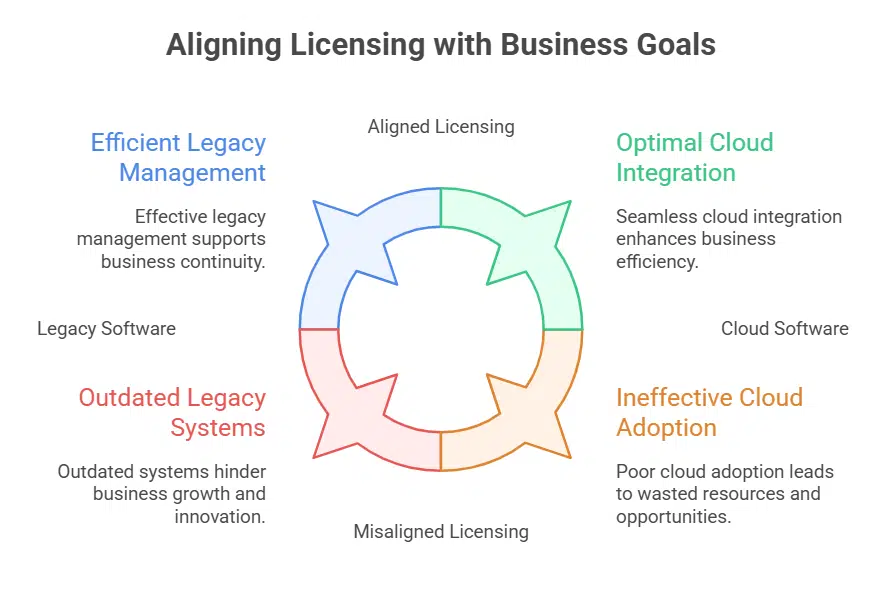
Let’s be honest, nobody has time to decode Microsoft’s licensing jargon. A specialist knows exactly how to align your licensing setup with your business goals. Whether you’re using legacy software or are fully in the cloud, they’ll help you make smarter decisions.
Free up your internal team
Do your IT people really want to spend hours reading through licensing contracts? Probably not. Outsourcing this work means your internal team can focus on strategy, security, innovation all the things that actually move the needle.
Grow without the growing pains
Expanding your team? Moving into new markets? Acquiring another business? All of that impacts your software needs. A good external partner helps you scale your licensing smoothly, so you’re never over- or under-covered.
Bottom line?
Trying to manage Microsoft licenses in-house sounds simple until it’s not. With the rules changing constantly and the risks getting higher, outsourcing isn’t just smart… it’s kind of a no-brainer. You get peace of mind, save money, and free up your people to focus on what they do best. And really, isn’t that the whole point?