From TikTok videos to Instagram Reels, short-form content has infiltrated nearly every corner of our digital lives. With platforms pushing us to watch shorter, more frequent bursts of entertainment, it’s clear that this form of content isn’t just popular—it’s addictive. But why? What makes these bite-sized videos so compelling, and why do we keep coming back for more? Is it a Short-form content addiction?
As we dive deeper into this digital phenomenon, it’s essential to understand the psychology behind short-form content, its algorithmic driving forces, and its broader societal impact.
The Rise of Short-Form Content: A New Era of Engagement
As digital platforms evolve, short-form content has become the dominant mode of engagement. With the rise of TikTok, Instagram Reels, and YouTube Shorts, quick and digestible videos are reshaping the way we consume media.
The Power of Visual Media
Gone are the days of reading long-form articles or scrolling through text-heavy posts. Today’s media landscape is dominated by visual-first content, with videos taking the lead. This shift can be attributed to the increasing dominance of platforms like TikTok, which not only allows for quick, digestible entertainment but also prioritizes video-based engagement.
The explosion of video consumption has redefined how brands, influencers, and everyday users create and interact online. With the ability to capture attention in seconds, short-form content has become the go-to format for both entertainment and information.
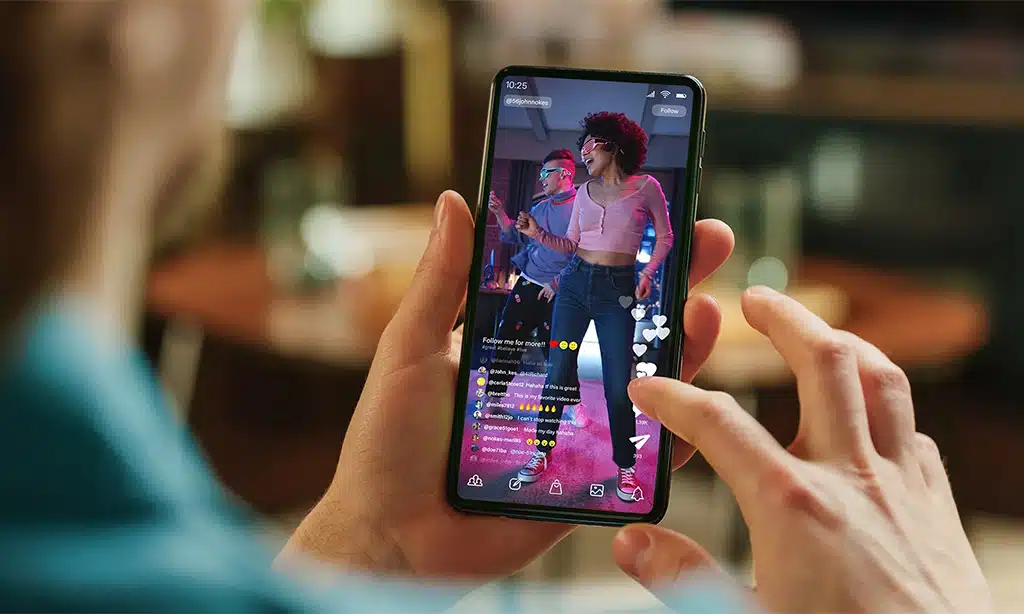
TikTok’s Revolutionary Impact
TikTok’s influence cannot be overstated. Launched in 2016, the app exploded in popularity, particularly among Gen Z, thanks to its highly addictive, algorithm-driven video feed. TikTok’s focus on short-form, user-generated videos has reshaped social media, inspiring Instagram and YouTube to adopt Reels and Shorts, respectively, mimicking TikTok’s formula.
What sets TikTok apart is its ability to keep users glued to the app with seamless content loops, making it almost impossible to stop watching. This cycle of endless entertainment isn’t by accident; it’s the result of highly refined algorithms that feed us videos tailored to our interests and preferences.
The Psychology Behind Short-Form Content Addiction
Why do we keep scrolling through endless short videos? Understanding the science behind our love for short-form videos and the instant gratification it provides, as well as its effects on our attention span, reveals why we can’t seem to put our phones down.
Instant Gratification: The Need for Quick Hits
Human brains are wired for instant gratification, which short-form content provides in spades. In just a few seconds, we get a rush of dopamine—an essential neurotransmitter tied to pleasure and reward. Every scroll, tap, and swipe brings a new opportunity for emotional satisfaction, from a funny video to an inspirational quote, creating a never-ending feedback loop.
This is why platforms like TikTok are so effective: they offer quick rewards, feeding our desire for immediate pleasure. As users, we’re addicted not just to the content itself, but to the promise of the next hit, constantly seeking something new and exciting.
Attention Span: Is It Really Shorter?
It’s commonly believed that short-form content is shortening our attention spans. However, research suggests that attention span isn’t necessarily getting shorter but is competing with multiple digital stimuli at once. The human brain is trained to multitask in today’s digital age, meaning we are constantly processing and absorbing information from different sources.
While short-form videos may give the impression of a fleeting attention span, it’s more accurate to say that our brains are becoming adept at quickly jumping between tasks, adapting to the fragmented nature of modern media.
Short-Form Content and the Algorithmic Machine
Behind every swipe and scroll lies a powerful algorithm designed to keep you hooked. This section explores how algorithms personalize our feeds and drive content consumption, making it harder to stop watching.
The Role of Social Media Algorithms in Content Delivery
At the core of this digital revolution are the algorithms that decide what content we see. Platforms like TikTok and Instagram leverage machine learning to personalize content feeds based on user preferences, behaviors, and interactions. These algorithms learn what you like, what keeps you engaged, and what drives you to take action, showing you more of the same.
This precision is what makes short-form content so addictive. The more we engage, the better the platform becomes at serving us exactly what we want—and this feedback loop only strengthens the addiction.
How Algorithms Shape What We Watch
Algorithms don’t just deliver content; they actively curate our media experience. By monitoring patterns in user behavior, these platforms are able to continuously adapt and refine what we see, creating an experience tailored to our individual interests.
Every swipe on TikTok or Reels is a signal to the algorithm. The more we engage, the more the platform gives us what it knows will keep us watching, whether it’s a funny video, an inspiring dance, or the latest viral challenge.
The Impact of Short-Form Content on Society
From changing how we communicate to influencing consumer habits, short-form content is reshaping societal dynamics. Let’s explore how this content format impacts not only our digital behavior but the world beyond the screen.
Changing How We Communicate
Short-form content has altered how we communicate in significant ways. It’s not just about sharing personal stories; it’s about creating an immediate connection with an audience. Micro-storytelling, delivered in seconds, has become a dominant form of digital communication, with influencers and brands shaping the conversation.
In this fast-paced world, we now rely on brief moments of engagement to connect with others. This shift has changed everything from marketing strategies to social interactions.
The Shift in Consumer Behavior
As short-form content drives more engagement, it also influences consumer behavior. Brands now understand the power of a 15-second video to reach audiences in ways traditional ads never could. Instant engagement leads to quick consumer action, which is why short-form content has become a key tool in modern marketing.
Are We Losing Depth in Our Content Consumption?
While short-form content offers instant enjoyment, it raises questions about the depth of engagement we’re losing. In this section, we’ll compare the benefits and drawbacks of quick videos versus long-form content.
The Case for Long-Form Content
While short-form content provides a quick hit of entertainment, it often lacks the depth of longer, more immersive content. Long-form content—like articles, documentaries, or feature-length videos—allows for more comprehensive storytelling and deeper connections with audiences.
The rise of short-form content has undoubtedly raised concerns about the erosion of deep engagement. In our pursuit of instant gratification, are we losing our ability to engage in long-form, thoughtful content?
The Hybrid Future: Blending Short and Long-Form Content
The future of content might lie in a balance between short and long-form formats. Creators and brands alike will need to adapt and blend these two forms to capture and retain audience attention. As consumers, we might find that the best experiences come from a mix of quick bursts of entertainment and thoughtful, deep dives into topics that matter.
Final Words
The addiction to short-form content is undeniable, and its addictive nature is fueled by a combination of psychology, algorithmic precision, and the constant desire for instant gratification. As we move forward, it’s important to reflect on how these patterns shape not only our media consumption but also our communication, attention spans, and consumer behavior.
While the rise of short-form content seems unstoppable, there is still room for long-form content to thrive, providing a deeper and more meaningful way to engage with the world. Finally, if we are to navigate this ever-evolving landscape, we must strike a balance that embraces both quick hits and immersive experiences.