I still recall the exact moment the screen faded to black at the end of Season 2. I was sitting on my couch, exhausted from a ten-hour binge, feeling a mix of relief and confusion. The game seemed over. Arisu and Usagi had fought their way through the Face Cards. They had survived the King of Spades. They had declined permanent residency. But just as I reached for the remote, one final image flashed on the table.
“A single card. The Joker.”
It didn’t come with an explanation or a villainous monologue. It just sat there, mocking every theory I had built up over the last eight episodes. Who is the Joker? Is he the mastermind, a god, or just another trick? If you are scratching your head, you are not alone.
I spent hours digging through manga chapters, Reddit threads, and interviews to find the answer. Here is everything I learned about that mysterious card and what it actually means for Arisu’s journey.
Who Is The Joker in “Alice in Borderland”?
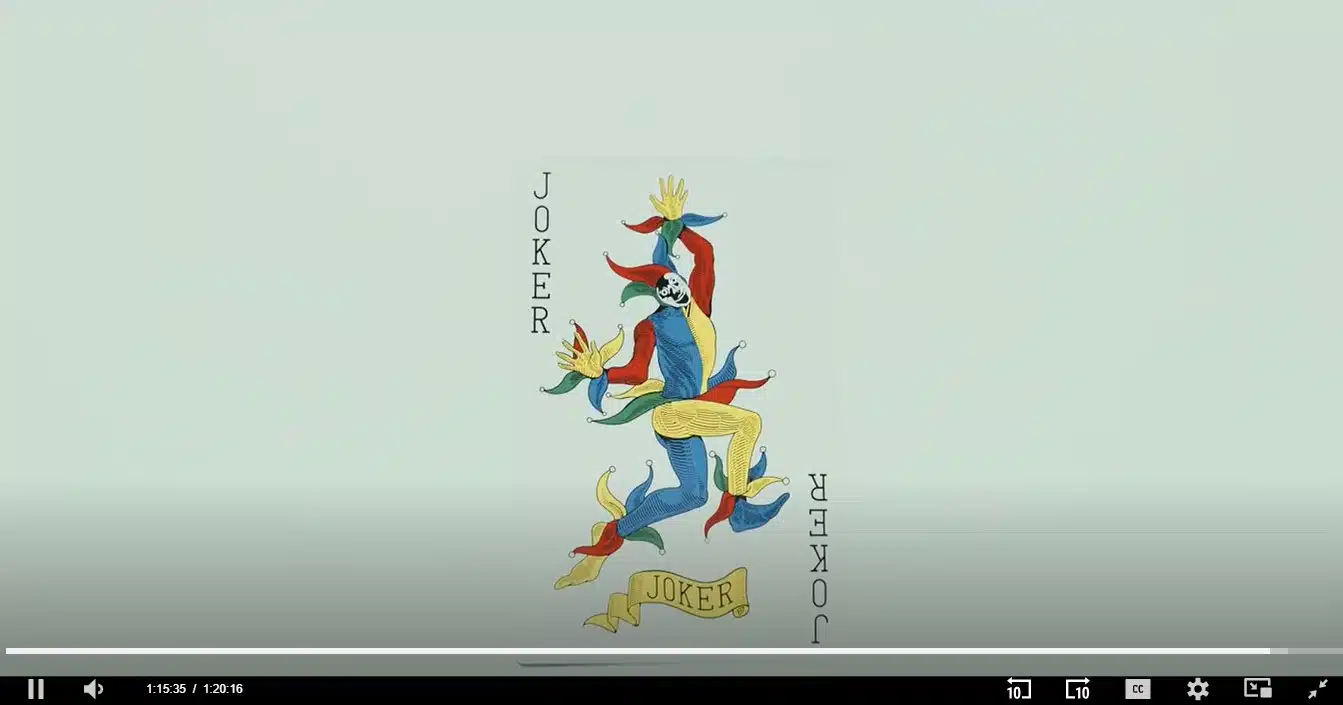
The Joker appears with a sly grin and an air of mischief. One moment, you think you have cracked the code, and then another mystery card lands on the table.
The mysterious appearance of the Joker card
In the final shot of Season 2, the camera zooms in on a table in the hospital gardens. The wind blows away all the other playing cards, leaving only the Joker. It feels like walking into an escape room, finding the exit key, and then realizing there is a second lock you never noticed.
This visual differs significantly from the original source material. In the manga series by Haro Aso, the Joker is not just a card. He is a shadowy figure who actually speaks to Arisu.
In the books, this entity appears in a void-like space and asks a haunting question: “Do I look like a god or a devil to you?” This interaction frames the Joker not as a villain, but as an observer.
Symbolism of the Joker in the story
The Joker card crashes into the story like a wild card nobody saw coming. It stands for chaos, uncertainty, and the gray area between two worlds.
I found that this specific card represents the concept of the Intermediary. In many card games, the Joker can be anything you need it to be. In the Borderland, it represents the entity that manages the transition from the games back to reality.
“The Joker is the wild card. It fills the gap between the game and the real world.”
Many fans, including myself, see this card as a symbol of the Sanzu River from Japanese Buddhism. This mythical river is the boundary between the living and the dead. The Joker is simply the Ferryman, guiding souls who have survived their trial back to the shore of the living.
The Role of the Joker in “Alice in Borderland”
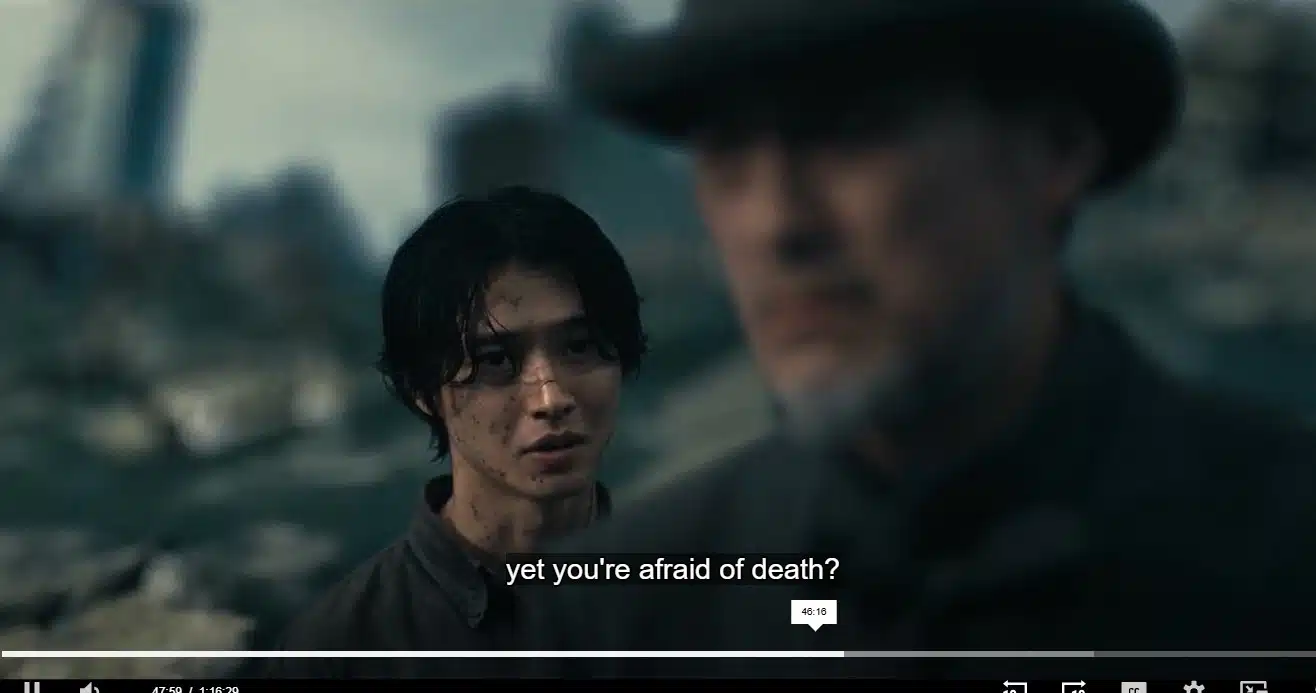
The Joker card pops up like an uninvited guest at a birthday party. It is confusing, strange, and impossible to ignore. Every scene where it appears feels charged with tension.
Connection to the Borderland world
In Alice in Borderland, the Joker acts as the administrator of the entire system. While the Face Cards (like the Queen of Hearts) were “citizens” and former players, the Joker is something else entirely.
You can think of the hierarchy like this:
- Number Cards: The difficulty of the game.
- Face Cards: The citizens defending their residency.
- The Joker: The system itself.
Director Shinsuke Sato made a specific choice to show only the card in the Season 2 finale. He wanted to leave viewers with the feeling that life itself is the wildest game of all. The Joker hints that even in the real world, danger and uncertainty are always present.
Representation of uncertainty and choice
The Joker card brings a sense of chaos and risk. Players cannot predict what will happen next. Each choice feels heavy.
The card shows that nothing is certain in this twisted alternate reality. Survival depends on guessing right, or maybe just being lucky. I felt dizzy imagining myself in Arisu’s shoes during that final scene. You think you have won, but the Joker reminds you that you don’t control the rules.
It is wild how the Borderland teases hope but tosses it aside with each new twist. The Joker represents the ultimate lack of control we have over our fate.
Key Themes Linked to the Joker
Some moments feel like you are standing at a crossroads. The Joker’s presence brings a sense of thrill and confusion.
Ambiguity and psychological challenges
Shadows stretch longer in the Borderland. The Joker card pops up like a dirty trick at the end of a long, mind-bending game. Every time players think they have predicted what happens next, this card flips all expectations upside down.
On my first watch-through, I paused constantly to check for hidden clues. That is how sneaky these challenges are. The Joker embodies the psychological concept of the Trickster Archetype. In psychology, the Trickster reveals the flaws in a society’s rules.
By appearing at the end, the Joker challenges Arisu’s belief that he has “beaten” the system. It suggests that the system was never something you could beat, only survive.
The concept of ultimate freedom or entrapment
Ambiguity sets the stage, but the idea of freedom puts characters on edge. In Alice in Borderland, choice acts like a wild animal.
The Joker card feels like a ticket to escape for some players. Yet for others, it is just another cage disguised as hope. During the release of Season 3 in September 2025, this theme was explored even further. The show doubled down on the idea that “true freedom” might just be an illusion.
Even outside the games, survival does not mean living freely. People carry invisible chains of fear. The Joker reminds us that we are always playing a game, whether we realize it or not.
The Ending of “Alice in Borderland” Explained
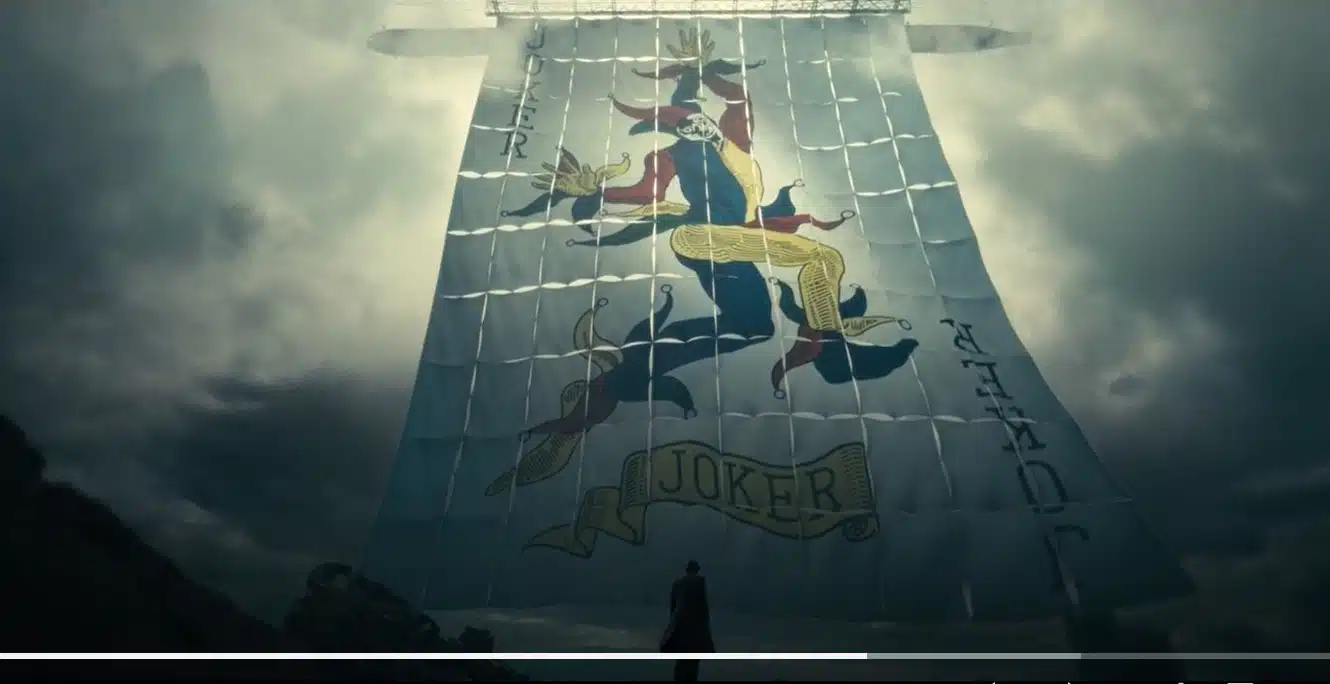
The final moments leave you staring at the screen. The last card appears, and suddenly, all those twists seem both clever and slightly cruel.
The final twist and the Joker’s role
Cards line the table. Then, right at the end, a Joker card slips into view. My first thought was, “Is this Level 2?”
The real twist of the ending is the Meteorite. We learn that the “fireworks” seen in Episode 1 were actually a meteor strike in Tokyo. The Borderland was a collective consciousness, a limbo where victims fought for the will to survive while their bodies lay in cardiac arrest.
The Joker does not rescue or destroy. He brings the survivors back. The card on the table signifies that the “Borderland” phase is complete. It is the stamp on their passport allowing them to return to the living world.
Significance of the game’s conclusion
Victory in the last game feels more like crossing a finish line breathless. Choices shape every outcome.
The Joker’s appearance at the end throws a curveball into this psychological thriller. It hints at deeper mysteries about identity and survival that linger after the final move is played. Even though Arisu and Usagi do not recognize each other in the hospital, the feeling of their bond remains.
The Joker is the reason they could return. He judged their will to live and opened the gate.
Symbolic Interpretations of the Joker Card
The Joker card sparkles with mystery. One moment it is a trickster, the next, a master of fate.
Metaphorical meaning in the series
A single Joker card floats in the final scenes. It does not follow any rules set earlier in the game. It does not fit into known categories of Clubs, Spades, Hearts, or Diamonds.
Instead, it lurks as a symbol of chaos. Some fans say its arrival is like getting dealt an extra wild card during your last hand. Your heart might skip a beat because nothing feels settled anymore.
This card reflects each character’s struggle with identity. In Tarot, the Fool card is often numbered “0” and represents new beginnings and infinite potential. The Joker is similar. It represents the “Zero” point where the survivors restart their lives.
How the Joker reflects the protagonist’s journey
The Joker card pops up just as Arisu finishes his last game. It mirrors how Arisu faces confusing choices at every turn.
Nothing feels certain for him. The Joker stands between two worlds, Borderland and reality. Just like Arisu hovers between hope and despair, the Joker exists in the gap.
Facing the Joker, Arisu meets the truth about himself. Survival means making hard decisions that blur right from wrong. The mystery never fades. Just like real life can feel unpredictable despite our best plans, the Joker leaves everyone guessing what is real.
Fan Theories About the Joker
Some fans see the Joker as more than just a card. Whispers online hint at wild links between this mystery and deeper game secrets.
The Joker as a representation of the Borderland itself
The Joker card sits at the edge of every game. Both are wild, unpredictable, and hard to control. Players never know if the next move brings freedom or traps them deeper.
As a symbol for the entire world of Alice in Borderland, the Joker blurs the lines between chaos and order. The fate of characters hangs in the balance of chance and choice. I recall reading a theory on Reddit suggesting the Joker is actually the collective trauma of the victims manifested into a single entity.
Connections to other characters or unseen forces
Some fans see the Joker card as a shadow hanging over every character. Its appearance seems to link Arisu and his friends with something deeper.
Here are the top three theories I found most compelling:
- The Gamemaster Theory: The Joker is the supreme ruler who created the Borderland simulation.
- The Psychiatrist Theory: The Joker is a manifestation of Arisu’s own mind, helping him process the guilt of surviving the accident.
- The Ferryman Theory: Based on the manga, the Joker is the Charon figure transporting souls across the Sanzu River.
The Psychological Impact of the Joker on the Players
The Joker lingers in their minds. It makes every choice feel like a trick. Heads spin, are they free or trapped?
How the Joker influences decision-making
Players spot the Joker card and feel their minds twist like a maze. Anxiety creeps in. Do they trust an ally or take a risky shortcut?
Confusion fills every move. Even calm thinkers act out of fear. The Joker represents the unknown variable. In game theory, this is the “Black Swan” event, the unpredictable occurrence that ruins every strategy.
The characters second-guess themselves more than ever before. Their hearts pound while fate decides whether they win another day.
Emotional consequences for the survivors
Nightmares become regular guests for survivors. Haunted by memories of each game, many struggle to trust others.
It is as if the Joker card still lingers in their minds. Some survivors guard their hearts with walls higher than Tokyo Tower. Others throw themselves into daily life, hoping routine can drown out fear.
In Alice in Borderland, characters’ faces show that same tension. The weight of survival presses down even after the final twist reveals who holds fate’s wildest card. Survival offers freedom but also leaves scars hidden behind tired smiles.
Comparison to the Joker Archetype
In this story, the Joker does not wear a purple suit or laugh maniacally. But don’t expect any less chaos.
How the Joker in “Alice in Borderland” differs from traditional portrayals
This Joker does not cackle or wear colorful suits. The card slips into the plot quietly. You will not see a flashy villain causing chaos or delivering long monologues here.
Instead, the Joker works as a symbol of neutrality. It stands for things you cannot control, more like nature than a person. I created this comparison to help clarify the difference:
| Feature | Batman’s Joker | Alice in Borderland Joker |
|---|---|---|
| Goal | Create Chaos & Anarchy | Maintain Balance & Order |
| Nature | Malicious Villain | Neutral Administrator |
| Role | Antagonist | Gatekeeper / Ferryman |
Commonalities with the chaotic nature of the Joker in popular culture
Wild, unpredictable choices tend to follow the Joker wherever he goes. That mix of madness and fun chaos lurks behind every card.
The Joker here also twists fate for game characters. Survival hangs on wild tricks. Sitting at a table with any version of the Joker feels risky. You never know if you are playing cards or running for your life.
What the Joker Card Means Moving Forward
The Joker card dangles like a question mark. It teases fans with endless possibilities.
Potential implications for future seasons or spin-offs
New seasons might take the Joker card’s mystery and push it even further. One simple card can turn a calm afternoon into chaos.
Since Season 3 premiered in September 2025, we have finally seen how the showrunners decided to tackle this mystery. They expanded on the idea that the Joker is not just a card, but a necessary force to balance the world of the Borderlands.
Fans buzzed online for years about possible plot twists. The reality was that the Joker served as the bridge to the next phase of the story.
Open-ended questions left by the Joker’s presence
After peeking at the possible future twists, the Joker’s appearance lingers like a riddle. Does this card mean another round of death games for the survivors?
Some fans wonder if the Borderland itself is alive. Others suspect that new characters could appear at any time. Questions swirl around whether anyone truly escaped. Could survival have been only one phase?
The mysterious card sits at the end like an unsolved puzzle. For every answer it gives about identity or choice, two more mysteries pop up under its shadowy smile.
Final Words
Who is the Joker in Alice in Borderland? Throughout this wild game, the Joker card teases us with mystery and a little chaos at every turn. We saw how the card’s meaning ties to choice, fate, and maybe even freedom.
The series uses simple symbols like cards to create big questions. If you have ever made a tough decision or felt lost in a confusing situation, maybe you can relate more than you thought.
What do you think the Joker means for future stories? For curious minds eager for more twists, there are lots of theories and behind-the-scenes details online waiting to be explored. So grab some popcorn and keep those eyes peeled. Because sometimes the game is just getting started.