We live in a loud, fast world. Work, family, notifications, and endless scrolling can make every day feel like a race. Many of us feel busy from the moment we wake up to the moment we fall asleep.
Yet once a year, Thanksgiving Day quietly invites us to do something basic and very powerful: stop and give thanks.
This is more than a tradition. It is a reminder of a way of living that our busy world often pushes aside. In this article, we will explore what Thanksgiving gratitude really means today, why it still matters, and how we can practice gratitude not only on the holiday but all year long.
We will keep things clear and easy to read, backed by research and real history, so you can trust what you’re reading and use it in your life.
Why Gratitude Matters More Than Ever at Thanksgiving
Many people feel that life is more rushed now than ever. Surveys show that Americans spend around five hours a day on their phones, which adds up to about 2.5 months a year spent on a small screen. Other reports show that people check their phones more than 100 times per day.
All this time looking at screens makes it hard to slow down and notice what is good in our lives.
That is why Thanksgiving gratitude is so important today.
- It reminds us to pause.
- It helps us look up from our screens.
- It gives us a reason to connect with people in real life.
- It brings us back to the meaning of Thanksgiving today: giving thanks, not just eating and shopping.
Thanksgiving is not only about turkey and travel. At its heart, it is about the importance of gratitude and community.
A Short Look Back: The Original Spirit of Thanksgiving
Understanding the past helps us understand what Thanksgiving can still teach us.
From Harvest Festival to National Holiday
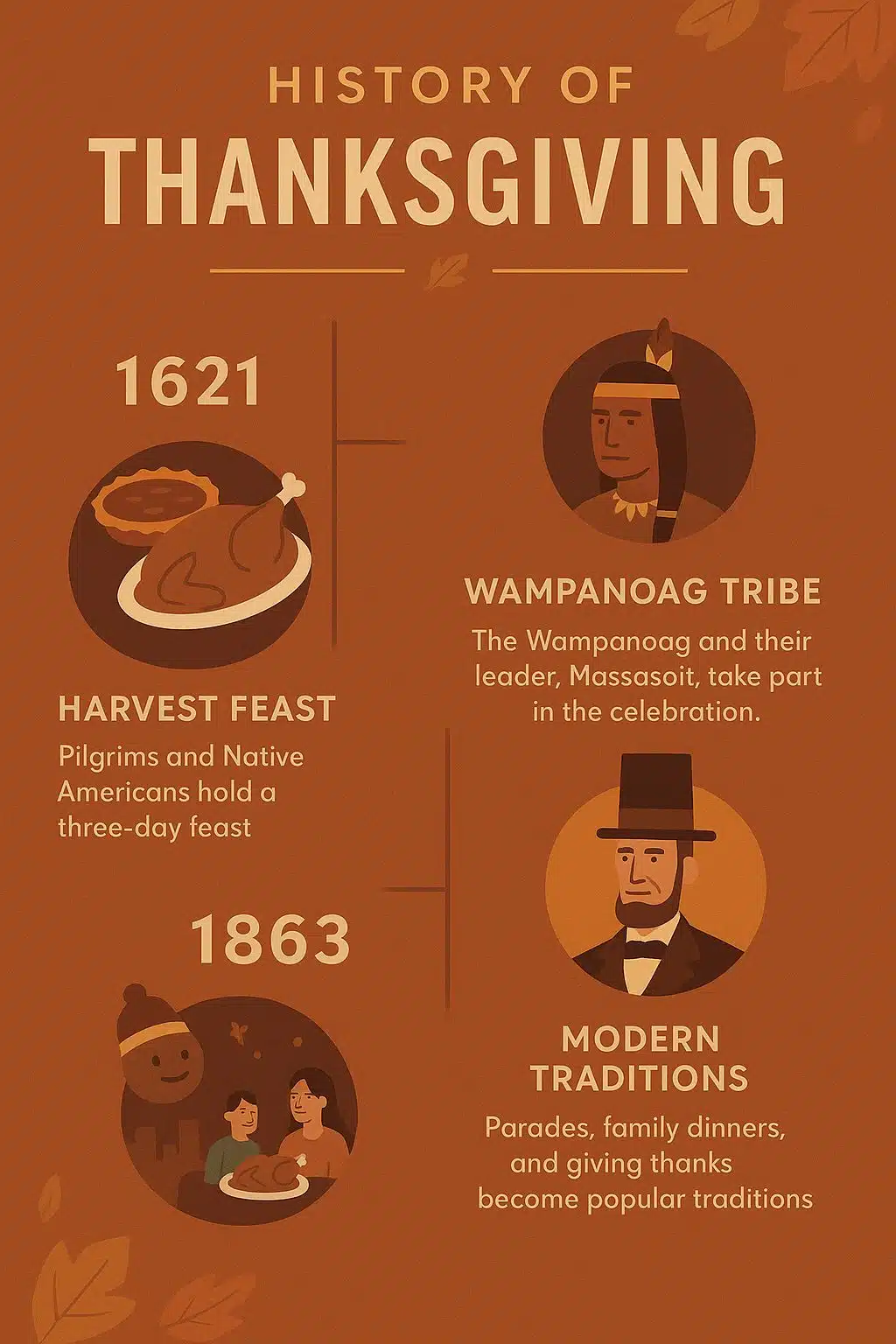
The story most people know goes back to 1621, when English settlers in what is now Massachusetts held a harvest celebration with members of the Wampanoag Nation. Historians point out that this event was a harvest feast, not yet an official “Thanksgiving Day” as we know it today, but it has become part of the holiday’s origin story.
Later, in 1789, President George Washington issued a proclamation calling for a national day of thanksgiving. Other presidents did the same from time to time.
Thanksgiving became a regular national holiday much later. On October 3, 1863, during the American Civil War, President Abraham Lincoln proclaimed a national day of Thanksgiving, to be held on the last Thursday of November.
He hoped it would help bring unity and remind people to give thanks even in a time of conflict and loss.
So from the beginning, the holiday mixed:
- Harvest and survival
- Community and sharing
- National reflection and gratitude, even in hard times
What We May Have Lost Along the Way
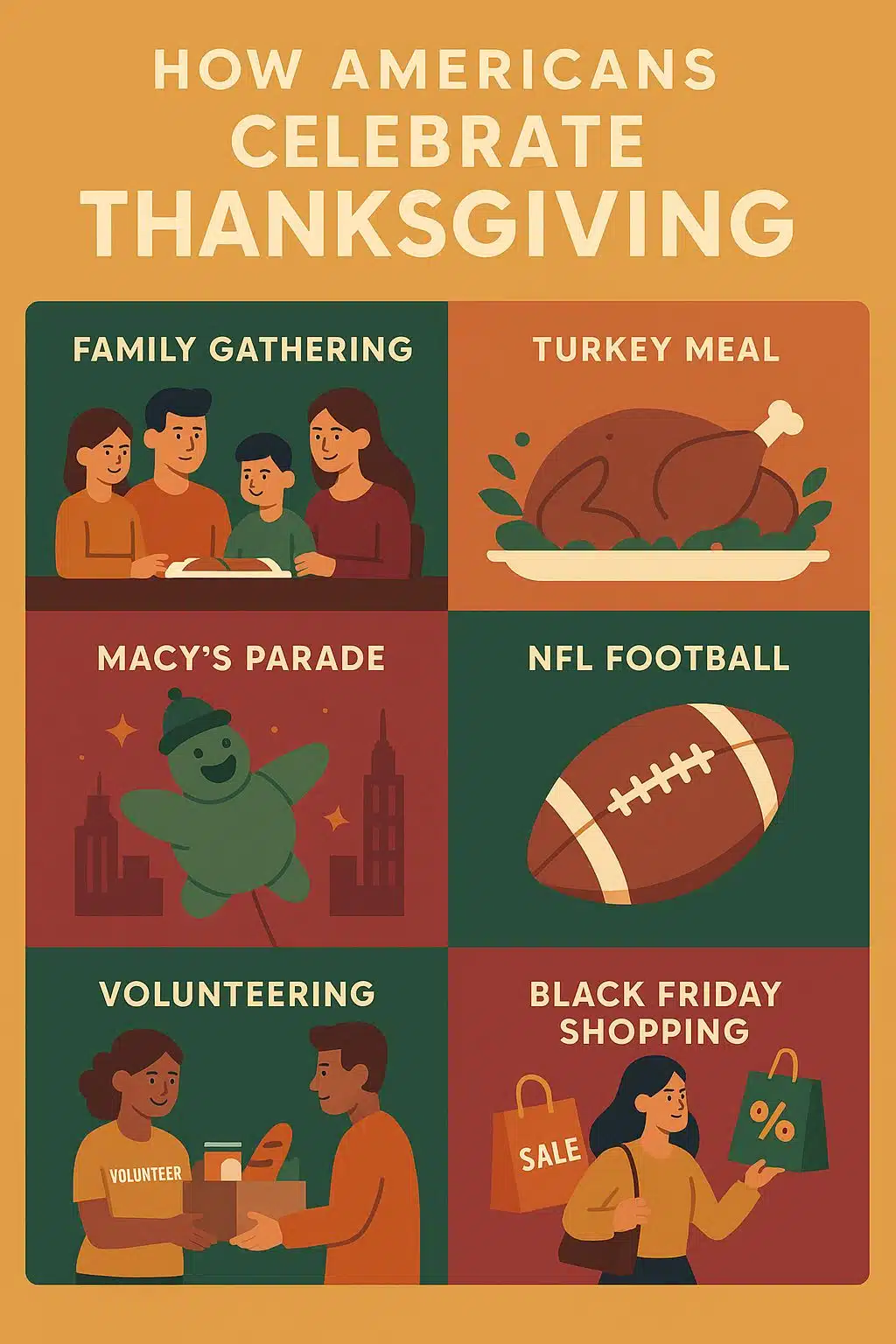
Over time, Thanksgiving has also become linked with:
- Big family meals
- Travel stress
- Football games
- The start of the shopping season and Black Friday
For many people, the day feels more like a logistics challenge than a peaceful holiday. The pressure to create a “perfect” meal or a “perfect” family moment can cause stress, not gratitude.
This is where it helps to ask:
What is the modern Thanksgiving meaning for us?
Is it about a perfect table and a perfect photo? Or is it about sharing food, giving thanks, and being honest about our history and our lives?
When we remember the original spirit—gratitude, community, and reflection—it becomes easier to cut through the noise.
The Science of Gratitude: Why Giving Thanks Actually Works
Gratitude is not just a warm feeling. It has real, measurable effects on our minds and bodies.
How Gratitude Impacts the Brain and Emotions
Psychologists who study gratitude have found that regular gratitude practices can:
- Improve mood and overall happiness
- Reduce symptoms of depression and anxiety
- Strengthen relationships
- Help people feel more hopeful about the future.
In one well-known study, people who kept a weekly gratitude journal—writing down things they were thankful for—reported:
- Fewer physical symptoms
- More regular exercise
- Better feelings about their lives
- More optimism about the coming week
Compared to those who wrote about hassles or neutral events, their feelings of gratitude were significantly higher.
Other research on the neuroscience of gratitude shows that when people feel and express gratitude, parts of the brain linked to reward, decision-making, and empathy become more active. This can make us more likely to help others and contribute to charity.
So the benefits of practicing gratitude are not just emotional. They are also physical and social.
Gratitude vs. Busyness: Why We Feel Too Rushed to Be Thankful
Therefore, if gratitude is so powerful, why is it so hard to practice it in daily life?
One big reason is busyness.
- Many people feel they need to be “always on.”
- Work follows us home through email and chat apps.
- Social media and news feeds never end.
Studies show that heavy smartphone use can hurt focus, increase stress, and even affect sleep and overall mental health.
When our attention is split all the time, it becomes harder to notice and appreciate the good things around us. Gratitude is a skill that needs time and attention, and busyness steals both.
The good news is that even small, simple gratitude habits can make a significant impact.
What Thanksgiving Still Teaches Us in a Busy, Digital World
Thanksgiving can be more than a once-a-year event. It can be a teacher.
Slowing Down Is a Radical Act
In a culture that values speed and productivity, slowing down can feel strange—or even wrong. But taking time to:
- Cook and share a meal
- Sit and talk without rushing
- Reflect on what went well this year
is almost like a mini-rebellion against constant busyness.
Thanksgiving reminds us that how to be grateful in a busy world often starts with a simple step: stop for a moment.
Eating together is one of the oldest human traditions. A shared meal builds trust and connection.
During Thanksgiving, we can:
- Put devices away
- Look at the people at the table
- Ask real questions and listen to the answers
This simple act can change the whole feeling of the day. It brings back the link between Thanksgiving traditions and gratitude—not just food for the body, but also food for relationships.
Remembering Who Helped Us Get Here
Gratitude is not only about things. It is about people. Thanksgiving provides us a chance to remember:
- Who supported us in a hard time
- Who taught us something valuable
- Who stayed beside us when we were struggling
When we think about who we are grateful for, not just what, our sense of connection grows. Telling someone, “I’m grateful for you because…” is one of the simplest, most powerful things we can say.
Practical Ways to Practice Gratitude This Thanksgiving (And Beyond)
Now let’s make this real and practical. Here are some simple, evidence-informed ways to practice Thanksgiving gratitude and bring it into everyday life.
A Simple Thanksgiving Gratitude Ritual for the Table
At your Thanksgiving meal, you can try a short, meaningful ritual. For example:
Go around the table and have each person share:
- One challenge they faced this year
- Identify one person or group who assisted them in overcoming that challenge.
This does three things:
- It keeps the sharing honest, not fake or forced.
- It highlights support and kindness, not just achievements.
- It builds empathy as people hear each other’s struggles.
You can also ask everyone to share one thing they are grateful for that money cannot buy—such as health, time, friendship, or peace of mind. You might even invite readers or guests to reflect on the topic and share their answer in conversation later.
Gratitude Journaling: 5 Minutes a Day
A gratitude journal is a basic practice with a strong research base behind it.
Try this basic routine:
- Once or twice a week, sit down with a notebook.
- Write down 3 things you are grateful for.
- For each one, add one sentence about why it matters to you.
For example:
- “I am grateful for my friend Sam, because he checked on me when I was stressed at work.”
- “I am grateful for my health, because it allows me to play with my kids.”
Studies show that people who do this regularly feel happier, more optimistic, and more satisfied with their lives compared to people who focus on problems or neutral events.
This is a simple gratitude exercise that takes only a few minutes but has lasting effects.
Digital Detox: Creating a “Phone-Free” Hour on Thanksgiving
Our devices are not harmful by themselves, but constant use can get in the way of real connection.
You can try a small digital detox during Thanksgiving:
- Pick one hour during the day—often during the main meal.
- Ask everyone to put their phones in another room or in a basket.
- Use this hour for real conversation, games, or storytelling.
Research suggests that reducing phone and social media use, even for a short period, can improve mental health, reduce loneliness, and help people feel more in control of their time.
This small step can also show children and teens that being present is valuable.
Extending Gratitude Beyond the Holiday
Thanksgiving can be the starting point, not the end, of your gratitude practice. Here are a few ideas for keeping the spirit of practicing gratitude in daily life:
- Weekly gratitude check-in
- Choose one evening a week.
- Ask yourself or your family, “What went well this week?”
- Specific thank-yous
- Instead of saying only “thanks,” add a detail.
- For example: “Thank you for cooking dinner; it made my day easier.”
- Gratitude reminders
- Put a small note on your fridge, mirror, or phone wallpaper that says, “What am I grateful for right now?”
- Put a small note on your fridge, mirror, or phone wallpaper that says, “What am I grateful for right now?”
These small habits help us live with gratitude year-round, not only in November.
Including Others: Expanding Gratitude to Community and Those in Need
Gratitude often grows when we share it.
Acts of Service as a Form of Thanksgiving
One powerful way to express gratitude is through service.
This might include:
- Volunteering at a food bank or community kitchen
- Donating food, money, or warm clothing to local organizations
- Checking on a neighbor who lives alone
- Supporting small local businesses during the holiday season
These Thanksgiving service ideas turn thankfulness into action. They show that we are grateful not only for what we have but also for the chance to help others. Research on gratitude and altruism suggests that feeling thankful can make us more willing to help, give, and support others.
Teaching Kids the Real Meaning of Thanksgiving
Thanksgiving is also a chance to teach children about gratitude and history in a thoughtful way. Some simple activities for teaching kids gratitude on Thanksgiving:
- Gratitude jar
- Place a jar and small slips of paper on a table.
- Ask kids (and adults) to write things they’re thankful for and place them in the jar.
- Read them aloud at the end of the day.
- Thank-you cards
- Have kids write or draw thank-you cards for teachers, grandparents, or community helpers.
- Story time
- Read age-appropriate stories that show kindness and sharing and also touch on Native American perspectives and the real history of the holiday.
- Read age-appropriate stories that show kindness and sharing and also touch on Native American perspectives and the real history of the holiday.
These simple acts can help children see Thanksgiving as more than just food and a break from school.
Balancing the Narrative: Acknowledging the Full History of Thanksgiving
To truly honor the meaning of Thanksgiving today, we also need to look at the parts of the story that are often left out.
Understanding Indigenous Perspectives Respectfully
For many Native American and Indigenous communities, Thanksgiving is not a simple day of celebration. It is often considered a National Day of Mourning.
Many school stories and popular images link the holiday to the arrival of settlers. For Indigenous peoples, that arrival marks the beginning of:
- Loss of land
- Broken treaties
- Violence and disease
- Destruction of cultures and ways of life
Organizations such as the United American Indians of New England hold a National Day of Mourning on the same day as Thanksgiving to remember these truths and to protest continuing injustices.
At the same time, Indigenous cultures have long traditions of giving thanks, often every day or at each harvest season, independent of the U.S. holiday. For example, Wampanoag communities have seasonal rituals like Cranberry Day and ongoing practices of gratitude for the land and water.
Recognizing these perspectives does not destroy Thanksgiving’s meaning. Instead, it makes our understanding more complete and more honest.
Practicing Gratitude Without Ignoring History
How can we practice Thanksgiving gratitude while also honoring these truths?
Some ideas:
- Learn more about Indigenous history and present-day issues from reliable Native-led sources.
- Consider starting your meal with a short land acknowledgment, recognizing the Indigenous nation whose land you live on, following local guidance.
- Include a moment of silence or reflection for those who have suffered and those who still face injustice.
This approach allows us to hold both gratitude and responsibility. We can be thankful for what we have while working toward a more just future.
Real-Life Examples: How People Bring Thanksgiving Gratitude into Everyday Life
Sometimes it helps to see how real people use gratitude in their daily routines. These simple, human examples can inspire readers and make the idea of “living with gratitude” feel more practical.
Example 1: A Family Gratitude Tradition That Lasts All Year
Imagine a family of four who live very busy lives. Both parents work full-time. The children have school, sports, and homework. Everyone is tired by the end of the day. One Thanksgiving, they decide to start a “gratitude board” in their kitchen. They hang a small whiteboard on the wall and place a marker next to it.
Their simple rules:
- Anyone can write on it at any time.
- You only write one short sentence that starts with “I’m grateful for…”
- You don’t erase old messages until the end of the week.
Over time, the board fills with small notes like:
- “I’m grateful for Grandma’s phone call.”
- “I’m grateful for warm soup on a cold day.”
- “I’m grateful that my friend helped me with homework.”
This takes less than a minute a day, but it changes how the family talks. Instead of only discussing problems, they also talk about small blessings. This is a very simple way to extend Thanksgiving gratitude beyond one day.
Example 2: A “Thank-You Monday” Ritual at Work
At a small office, a team of 12 employees works in a high-pressure environment. Deadlines are tight, and it’s easy to feel stressed and unappreciated.
Their manager decides to introduce a “Thank-You Monday” email. Every Monday, each person sends one short thank-you note to a colleague. It can be for something that happened last week or something more general, such as:
- “Thank you for helping me with that presentation.”
- “Thank you for making the new hire feel welcome.”
- “Thank you for staying late to finish the project.”
Over time, this simple ritual builds a culture of recognition and gratitude at work. People feel more seen and valued. Research suggests that workplace gratitude can increase employee engagement, motivation, and loyalty, because feeling appreciated makes people more emotionally invested in their jobs.
This echoes the message of Thanksgiving: see the people around you and appreciate what they do.
Example 3: A Bedtime Gratitude Moment with Children
Parents often struggle to find calm moments with their kids. Schedules are full, and bedtime can be chaotic. Some families use one simple bedtime question:
“What are three good things from today?”
Psychologists and parenting experts note that gratitude practices can help children:
These small bedtime reflections can become a comforting ritual that children look forward to. Over time, kids learn to look for small positives in their day, not just problems.
Gratitude vs. Toxic Positivity: Being Honest About Hard Times
A powerful addition to your article is a short section explaining that gratitude is not about pretending everything is fine.
Gratitude Is Not Denial
Sometimes, people feel guilty for struggling because they think, “I should be grateful; other people have it worse.” But mental health experts warn that this can turn into toxic positivity, where people feel pressure to be happy all the time and ignore real pain.
In your article, you can gently remind readers:
- It is possible to feel grateful and sad at the same time.
- Gratitude does not mean ignoring injustice, grief, or hardship.
- The healthiest form of gratitude is honest: it sees both the good and the bad.
This connects well with your section on Indigenous perspectives and the National Day of Mourning. We can be thankful while also being truthful about history and present-day problems.
How to Practice Healthy, Honest Gratitude
You might offer a few tips:
- Allow yourself to name what is hard this year.
- After naming the difficulty, ask, “Is there anything or anyone that helped me through it?”
- Use gratitude to highlight support and strength, not to erase pain.
This balanced view makes your article more trustworthy and aligned with real human experience.
Final Thoughts: Let Thanksgiving Change the Way You Live
Thanksgiving comes only once a year, but its lesson is simple and timeless: slow down, notice the good, and say thank you.
You do not need a perfect table, a perfect family, or a perfect life to live with gratitude. You only need a few quiet moments and a willing heart. A kind word. A short list in a notebook. A real conversation with someone who matters to you.
When you practice gratitude, you train your mind to see more than stress and noise. You start to see support, kindness, and small gifts that were always there. You remember the people who helped you, the lessons you learned, and the strength you found in difficult times.
This Thanksgiving, choose one small step: a gratitude ritual at the table, a phone-free hour, a thank-you message, or a simple bedtime reflection. Then try to repeat it next week and the week after that.
Over time, these tiny choices can change the way you work, love, and live. Thanksgiving is one day on the calendar. Gratitude can be the way you move through the world.