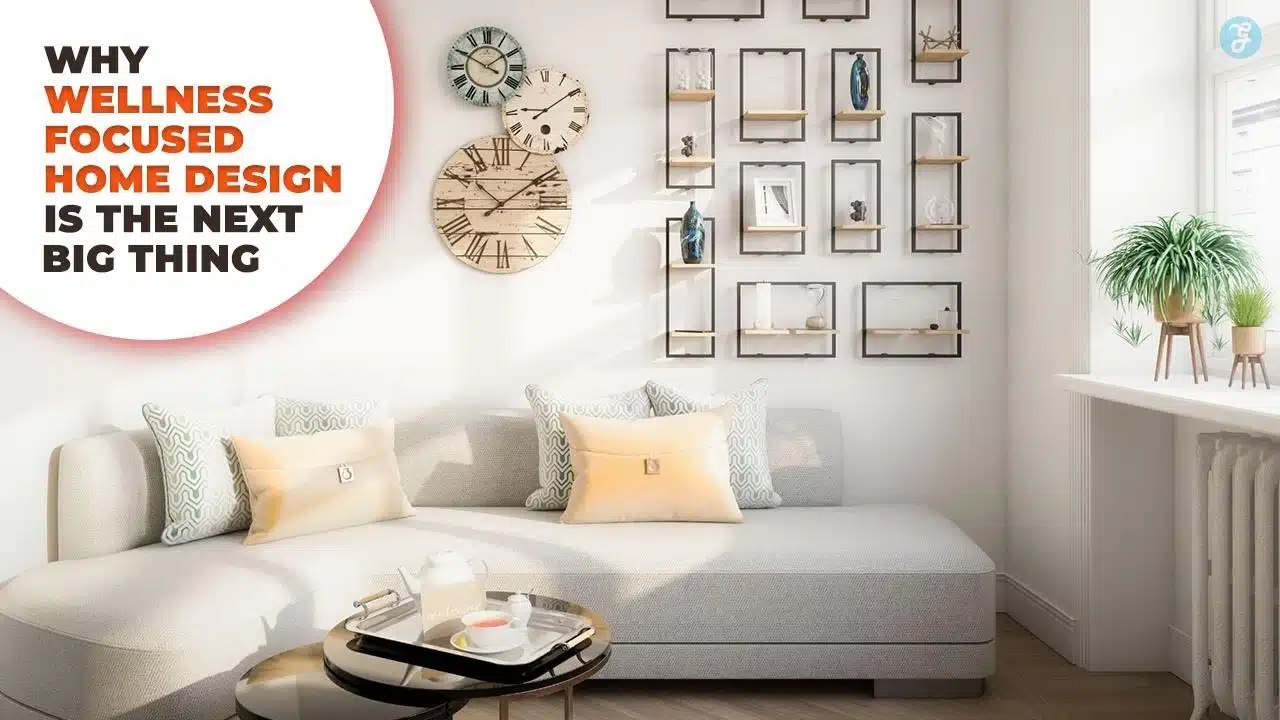
For years, home design revolved around style and status. The right finishes, the right layout, the right photograph for a glossy spread. Today, the conversation sounds different. Owners, renters, and developers talk about sleep, air quality, stress levels, and the need for a home that feels like a refuge rather than a showroom.
This shift sits at the heart of wellness-focused home design. In place of purely visual upgrades, the focus moves to health, comfort, and how a space actually supports daily life. The home becomes a platform for wellbeing. Walls, windows, materials, and even tech choices form part of a quiet but powerful health strategy.
As wellness culture matures, it no longer belongs only to gyms, retreats, or spas. It has moved into kitchens, bedrooms, and balconies. That is why wellness-focused home design is increasingly described as the next big thing in residential architecture and interiors.
From Aesthetics to Wellbeing: How Home Design Priorities Are Shifting
The wellness wave moves inside the home
Wellness once meant subscriptions, memberships, and scheduled activities elsewhere. Now it increasingly means how people eat, work, rest, and recover within their own four walls. The home is where most sleep, most meals, and a large share of screen time actually happen. As a result, it becomes the most influential “wellness venue” in everyday life.
Designers report that clients are no longer satisfied with spaces that simply look contemporary. They want homes that feel calm after a long day, support focus during working hours, and encourage better habits almost by default. Wellness home design responds to that brief by treating air, light, sound, and layout as health tools, not decorative extras.
This change is visible across the design ecosystem. Paint companies promote soothing palettes. Furniture brands emphasise ergonomics. Architects talk about daylight studies and acoustic comfort alongside floor area and resale value. In that environment, wellness-focused home design is less a niche and more a new baseline.
Data points: demand for healthier, calmer spaces
Market signals mirror that cultural shift. Property listings increasingly highlight wellness features: home gyms, saunas, spa-style bathrooms, adaptive lighting, and sunrooms. Developers frame amenities in terms of recovery, sleep, movement, and mindfulness rather than simple luxury.
Trend reports point to reading nooks, cocooning bedrooms, and restorative living rooms as growth areas. Calm, layered interiors replace the “showhome” look of identical grey finishes and rigid layouts. Buyers, especially younger ones, ask about materials, ventilation, and outdoor access as much as about islands or walk-in closets.
Taken together, these indicators suggest that wellness home design is not just a stylistic preference. It is a response to lived pressures: long work hours, digital saturation, climate stress, and the feeling that life rarely slows down. The home becomes the one space where people can attempt to reset the balance.
What Is Wellness-Focused Home Design?
Wellness-focused home design blends architecture, interior planning, and behavioral science to create living spaces that actively support physical and emotional well-being.

Core principles: air, light, sound, materials, and mind
Wellness-focused home design starts from a simple question: Does this household feel better because of this space? Instead of beginning with trends, it begins with evidence around how environments shape health and mood.
Several pillars usually recur:
-
Air and water quality: Ventilation, filtration, and material choices aim to reduce pollutants and allergens. Plumbing and fixtures support safe, good-tasting water.
-
Light: Daylight access, glare control, and layered artificial lighting support alertness by day and rest at night.
-
Sound: Acoustic comfort matters as much as visual appeal. Walls, floors, and textiles work to soften noise and create quiet zones.
-
Materials: Low-tox, low-odor paints, adhesives, and finishes help limit off-gassing. Natural materials such as wood, stone, and wool feel pleasant to touch and to live with.
-
Mind and emotion: Spaces consider routines, privacy, connection, and the need for calm. Layouts and cues encourage mindfulness, not constant stimulation.
In this sense, wellness home design is not a single style. It is a way of prioritising health outcomes when making design decisions, from the position of a desk to the type of flooring in a child’s room.
How wellness design differs from traditional “luxury.”
Traditional residential “luxury” leans on spectacle. Oversized spaces, high-gloss surfaces, dramatic lighting, and statement pieces signal investment. Wellness-focused home design can still be high-end, but its priorities differ.
Instead of asking whether a finish photographs well, it asks how it feels at the end of a long week. Rather than maximising volume, it often emphasises human scale and comfort. A wellness-focused bedroom might be smaller than a conventional master suite yet outperform it through better light control, acoustic treatment, and a layout that separates screens from sleep.
Luxury kitchens once focused on rare stone and professional-style appliances. A wellness kitchen adds ventilation, non-slip surfaces, easy-to-clean materials, and a layout that supports cooking habits rather than clutter. The design may still look beautiful, but beauty serves function, not the other way around.
The Science Behind Wellness-Focused Homes
A growing body of research shows that elements like air quality, light, sound, and natural materials have measurable effects on sleep, stress, and overall health.
Indoor air quality and respiratory health
Indoor air quality sits near the top of any wellness home design strategy. People spend most of their time inside buildings, so any pollutants present indoors—dust, combustion by-products, volatile organic compounds from finishes, mold spores, or outdoor pollution that has seeped in—can accumulate.
Healthy home design tackles this through several levers:
-
Ventilation: Fresh air is introduced in a controlled way, often through mechanical systems with heat recovery.
-
Filtration: Filters in HVAC systems, and sometimes standalone purifiers, capture fine particles and allergens.
-
Source control: Low-VOC paints, adhesives, and sealants reduce emissions at the source. Solid woods, ceramics, and metals stand in for high-off-gassing plastics where possible.
-
Moisture management: Bathrooms, kitchens, and basements use exhaust, drainage, and materials that resist mold growth.
By treating clean air as a core design requirement, wellness-focused home design protects respiratory health in a quiet, continuous way.
Light, sleep, and circadian rhythms
Light sets the body’s internal clock. Bright, cool light in the morning helps with alertness; low, warm light in the evening signals that it is time to wind down. Poorly designed lighting can scramble those signals and undermine sleep.
Wellness home design pays close attention to:
-
Daylight: Window size, placement, and shading offer abundant natural light without harsh glare. Workspaces receive more daylight; bedrooms prioritise darkness at night.
-
View: Access to a view of the sky, greenery, or a wider horizon supports mental restoration.
-
Circadian lighting: Tunable fixtures adjust color temperature and intensity across the day, aligning indoor light more closely with natural patterns.
-
Light pollution: Blackout blinds, thoughtful external lighting, and careful placement of bright screens help protect night-time darkness.
Better sleep is one of the most tangible benefits of wellness-focused home design. Even small shifts—such as dimmable bedroom lighting and smart shades—can have outsized effects on rest and mood.
Nature, biophilic design, and mental health
Biophilic design works on the premise that humans respond positively to cues from nature. In a residential setting, this can appear through direct and indirect means.
Direct connections include plants, roof gardens, courtyards, terraces, and even small water features. Indirect ones involve natural materials, textures, colors, and patterns that echo landscapes. Spatial strategies, such as providing both cozy refuges and broader views, also reflect how people move through natural environments.
Studies associate such features with lower stress markers, better concentration, and even faster recovery from illness. In a wellness-focused home, these ideas become practical design moves: a living wall near a workspace, timber floors in social areas, stone in bathrooms, and framed views that draw the eye toward greenery instead of screens.
Drivers Making Wellness-Focused Home Design the Next Big Thing
Several cultural, economic, and environmental shifts are accelerating interest in wellness-focused home design, pushing it from a niche preference into a mainstream expectation.
More time at home and hybrid work
The shift towards flexible and hybrid work means that homes now serve as offices, studios, classrooms, and gyms. This intensifies every flaw: poor acoustics, bad lighting, inadequate ventilation, and cramped layouts feel more punishing when people spend entire weeks inside.
Wellness home design treats this not as an annoyance but as a design brief. Work zones receive daylight, ergonomic furniture, and acoustic separation where possible. Circulation routes prevent constant interruption. Shared spaces allow for collaboration and family connection without overwhelming any one area.
When home and work lives blur, a wellness-focused layout becomes a form of protection. It helps people switch modes, set boundaries, and avoid the feeling that life has collapsed into a single, overused room.
Growing mental health awareness
Mental health, once a marginal topic in design discussions, now sits closer to the centre. Stress, anxiety, and burnout have become familiar words. People notice the link between their environment and their state of mind.
Calming palettes, softer textures, rounded forms, and layered lighting are part of the response. So are design decisions that reduce friction: adequate storage lowers visual clutter; clear circulation reduces constant dodging; thoughtful privacy keeps household members from feeling watched or overheard.
Wellness-focused home design does not claim to solve mental health challenges. It simply removes environmental stressors where it can, and inserts cues for recovery: a meditation corner, a reading chair near a window, a bathroom that feels like a small spa.
Climate, pollution, and the sustainability link
Sustainability and wellness converge in the home. Insulation, airtightness, and high-performance windows can reduce energy bills, but they also stabilise temperatures and improve comfort. Efficient systems lower noise from mechanical equipment. Non-toxic, durable materials cut both environmental and health risks over the long term.
Wellness-focused home design often borrows tools from green building practice, then layers additional attention to human experience on top. A shaded terrace, for example, offers passive cooling, extends living space, and provides a restorative outdoor room. A rainwater garden manages stormwater while adding greenery and habitat.
As climate risks become more visible, resilient design features such as shading, cross-ventilation, and disaster-aware detailing start to look like wellness features as well. Safety and comfort become intertwined.
Property value, buyer expectations, and regulation
The market is learning to speak the language of wellness. Listings mention air filtration, water purification, smart thermostats, home gyms, cold-plunge baths, saunas, and spa-like bathrooms. Photos highlight greenery, daylight, and cozy corners as much as high-end finishes.
Third-party frameworks and certifications bring structure to these efforts. They give developers, architects, and investors a checklist of health-focused strategies, from sound insulation and stair design to community spaces and outdoor access. For buyers, they provide a shorthand: a way to trust that wellness claims rest on more than marketing.
As these standards gain traction, wellness features move from “nice to have” to “expected.” Refusing to address them risks making a property feel outdated even if it is brand new.
How Wellness-Focused Home Design Shows Up in Real Homes
Across different budgets and styles, wellness-focused home design appears in practical features that make rooms calmer, healthier, and easier to live in every day.
Layouts that reduce stress and support routines
Wellness home design often begins with the plan. Instead of a single open space that must serve every function, many schemes now favour a mix of connected and separated zones.
Common strategies include:
-
Soft zoning: Partial walls, shelving, level changes, or sliding screens subtly divide areas without shutting them off.
-
Quiet cores: Bedrooms, studies, and reading nooks sit away from high-traffic zones, reducing noise and interruption.
-
Clear circulation: Paths between rooms avoid tight bottlenecks and constant obstacle courses.
Routines guide the layout. Morning routes from bedroom to bathroom to kitchen receive special attention. Evening wind-down paths avoid harsh lights and noisy areas. The result is a home that feels easy to use, even when life feels demanding.
Materials, finishes, and low-tox choices
Materials sit at the intersection of touch, air quality, and mood. Wellness-focused home design prefers finishes that age gracefully, feel pleasant, and emit little or no harmful chemicals.
Paints and sealants with low or zero volatile organic compounds help protect air quality. Solid woods or high-quality engineered woods replace cheap laminates where budgets allow. Natural fibers in rugs and upholstery reduce static and can be more comfortable against the skin.
Texture also matters. Soft textiles in bedrooms, rounded edges on furniture, and warm, matte finishes in living areas all contribute to a sense of ease. Cold, glossy surfaces still appear, but they are balanced by materials that invite contact rather than resist it.
Quiet, acoustics, and digital balance
Noise is an underestimated stressor in the home. Loud neighbours, traffic, household appliances, and constant notifications can make rooms feel more like transit hubs than sanctuaries.
Wellness home design uses several tools to respond:
-
Acoustic insulation: Heavier walls, insulated interior partitions, and solid-core doors help block sound between rooms.
-
Soft finishes: Curtains, rugs, upholstered furniture, and even acoustic panels absorb echoes.
-
Zoning for sound: Noisy functions—laundry, entertainment, cooking—sit apart from quiet spaces.
Digital balance forms a related theme. Rather than scattering screens in every room, some wellness-focused homes concentrate them in shared areas and leave bedrooms free of electronics. Others use furniture layouts that pull focus away from the television and toward windows, fireplaces, or conversation.
Flexible spaces for movement and recovery
Movement and recovery anchor many wellness routines. Homes that support both gain an advantage.
A dedicated room for a gym or yoga studio is helpful but not essential. Designers increasingly carve out modest niches: a wall with a mirror and storage for mats, a wide corridor that doubles as a stretching zone, a balcony with enough space for morning exercise.
Bathrooms evolve into micro-spas, with generous showers, soothing lighting, and, where possible, soaking tubs or steam options. Bedrooms prioritise darkness, quiet, and breathable bedding over elaborate decoration. Each of these moves reinforces the idea that wellness is not a separate activity; it is woven into how spaces are used every day.
Accessible Wellness: It’s Not Just for High-End Projects
While luxury developments helped popularize wellness design, many of its most meaningful benefits come from simple, affordable decisions that anyone can implement.
Low-cost upgrades for renters and small spaces
One common misconception is that wellness-focused home design belongs only to large houses or luxury developments. In practice, many of its principles can apply at any scale and budget.
Simple, accessible steps include:
-
Improving air quality: Portable air purifiers, regular filter changes, and well-placed houseplants can help.
-
Maximising daylight: Sheer curtains, clean windows, and strategic mirror placement bring light deeper into rooms.
-
Softening noise: Rugs, curtains, and fabric wall hangings reduce echo in hard-surfaced apartments.
-
Managing clutter: Storage solutions that hide visual noise lower background stress.
-
Carving out a calm corner: A small chair, a lamp, and a plant can turn a spare corner into a micro relaxation zone.
These moves may not transform a rental into a fully certified wellness residence, but they can significantly improve how it feels to live there.
Smart tech that actually supports wellbeing
Smart home technology can either enhance or erode wellness, depending on how it is used. Constant alerts, bright screens, and complicated interfaces can raise stress rather than lower it.
Wellness home design tends to favour quiet, supportive tech:
-
Air and water sensing: Discreet sensors monitor air quality, humidity, and leaks, alerting occupants only when action is needed.
-
Adaptive lighting: Connected systems adjust brightness and color temperature over the day, without demanding constant user input.
-
Thoughtful climate control: Smart thermostats maintain comfortable temperatures efficiently, easing both physical and financial strain.
Crucially, a wellness-focused approach avoids turning the home into a control centre. Interfaces remain simple. Manual overrides stay available. Technology follows the rhythm of the household instead of dictating it.
What This Trend Means for Homeowners, Designers, and Developers
As wellness becomes a central design value, it is reshaping how homes are planned, marketed, and evaluated across the residential landscape.
A new language for value in residential projects
As wellness-focused home design moves from trend articles into mainstream practice, it reshapes how stakeholders talk about value. Instead of focusing solely on square footage or finish level, conversations now include sleep quality, acoustic comfort, daylight access, and long-term resilience.
For homeowners, this encourages more strategic spending. Upgrading to low-tox finishes, better windows, or improved ventilation may deliver more day-to-day benefits than a high-end appliance suite. For designers, it shifts briefs away from replicating images on social media and toward understanding how a specific household lives.
Developers and investors also adjust. Amenities that once served as differentiators—fitness rooms, communal gardens, meditation spaces—begin to feel like necessities in competitive markets. Projects that ignore wellness risk look out of step, especially to buyers who plan to live and work in the same space.
The rise of standards like WELL for Residential
Formal standards provide structure in this evolving field. Frameworks tailored to residences gather research on air, water, nourishment, light, movement, sound, comfort, and mental health into a single set of strategies. They translate abstract wellness goals into concrete design, construction, and operational targets.
For design teams, these standards function as a checklist and a common language. For owners and occupants, they provide reassurance that a home’s wellness claims rest on more than good intentions and marketing. Certification processes also encourage measurement and verification rather than assumptions.
As more residential projects engage with such frameworks, wellness-focused home design moves further into the mainstream. It becomes less a stylistic choice and more a recognised dimension of building quality.
Conclusion: Designing Homes Around How People Actually Feel
The rise of wellness-focused home design reflects a simple truth: people now ask more from their homes. They want spaces that do more than impress visitors or follow trends. They want environments that help them breathe easier, sleep more deeply, focus better, and recover from the demands of daily life.
This does not require a single aesthetic. A wellness home can be minimal or maximal, urban or rural, compact or expansive. What matters is the underlying logic: air, light, sound, materials, and layout all work together to support wellbeing.
As science, market demand, and lived experience converge, wellness home design looks less like a fad and more like a structural shift. The next big thing in residential design is not a color or a countertop. It is the idea that the most successful homes are those that leave their occupants healthier, calmer, and more at ease in their own lives.