Washington Still Seeking Federal Approval to Eliminate Daylight Saving Time

Washington state daylight saving time

In 2019, Washington legislators almost unanimously voted to get rid of daylight saving time. However, they still need approval from Congress. Most of the country will turn clocks back an hour this Sunday, November 5th. The state continues waiting for federal action.

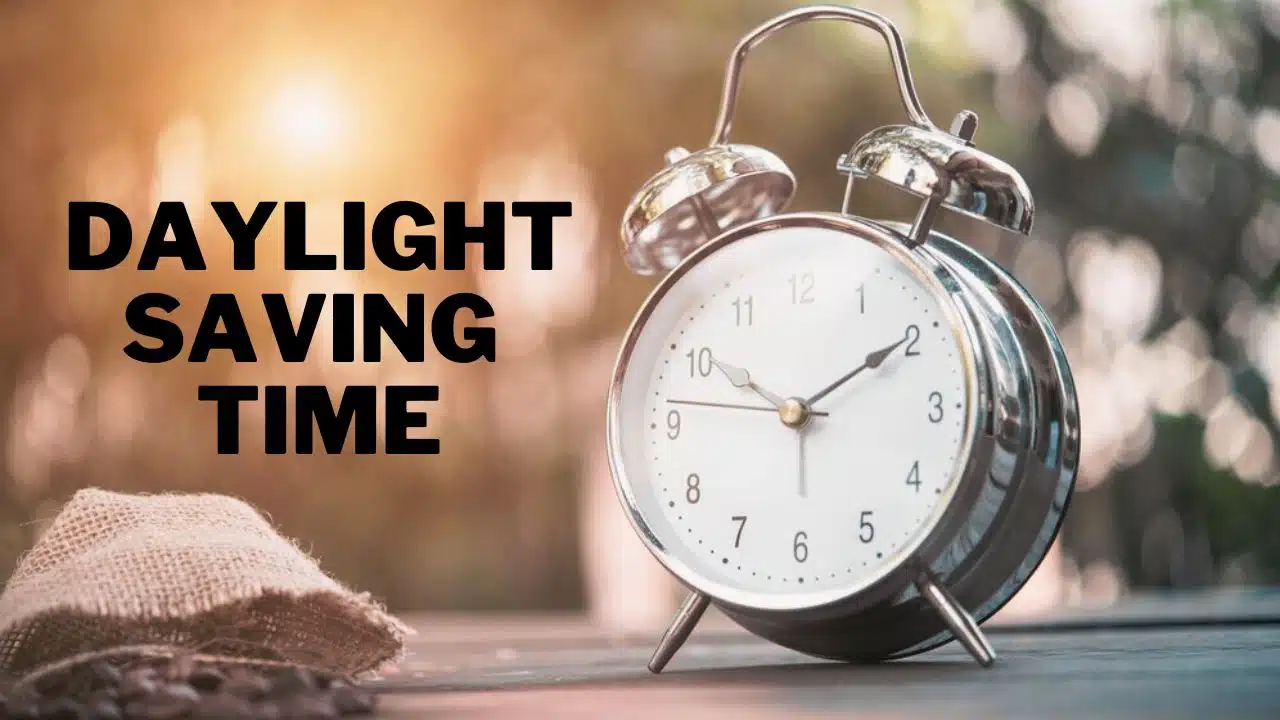
When 2 AM hits on November 5th, clocks will “fall back” one hour. People gain an extra hour of sleep. Sunrise also comes earlier and night falls well before 7 PM. It won’t be until March that we change clocks forward again. 

Last March, the U.S. Senate unanimously passed the “Sunshine Protection Act.” However, the House has yet to address it.

Washington Representative Marcus Riccelli sponsored the state bill. He said the issue was the number one thing colleagues emailed him about. 

Riccelli doesn’t know why Congress hasn’t passed a bipartisan bill. He thinks the public wants an easy win to show Congress isn’t broken.

Why Was Daylight Saving Time Created?

Germany first introduced daylight saving during World War I to conserve power by extending daylight hours. 

In 1918, the U.S. passed the Standard Time Act, the first national daylight saving time. The temporary “war time” lasted spring to fall, cutting energy costs in World War I. It also created the five time zones still used.

In 1966, the Department of Transportation got power over time zones and daylight saving. The Uniform Time Act of 1966 standardized daylight saving time from April’s last Sunday to October’s last Sunday.

Few changes have happened since. Most recently, in 2005 former President Bush extended daylight saving a few weeks. It now goes from the second Sunday in March to the first Sunday in November.

Despite the national rule, Arizona and Hawaii don’t do daylight saving. States can opt out of daylight saving and stay on standard time. But they can’t remain on daylight time. If you want you can also read- Arizona Time Zone: Always on Mountain Time [The Reasons Behind]

The U.S. has tried year-round daylight saving twice before – during World War II to conserve fuel and in 1974 as an “energy crisis trial run.”

While some believe daylight saving reduces energy use, traffic and crime, studies from 1975 and 2005 found the changes were “statistically insignificant.” The 2005 study did find each extra day of daylight saving lowered electricity use by 0.5%.

You May Find Interest: USA Time Zone Map: The Simplest Way to Know What Time It Is in the USA


Subscribe to Our Newsletter

Related Articles

Top Trending

Decreto Supremo 160
Decreto Supremo 160: Understanding Chile's Ministry Of Economy Supreme Decree
Top Countries with the most AI Patents
Top 12 Countries With the Most AI Patents in 2026
Tale of Naruto Uzumaki
The Tale of Naruto Uzumaki: The Complete Story of His Journey from Outcast to Hokage
Family trust tax planning Canada
15 Practical Tips to Use a Family Trust for Tax Planning in Canada Legally
On This Day March 31
On This Day March 31: History, Famous Birthdays, Deaths & Global Events

Fintech & Finance

Ai In Financial Services
How AI Is Making Financial Services More Accessible: Unlocking Opportunities
crypto remittances New Zealand
17 Critical Facts About How New Zealanders Are Using Crypto for International Remittances
Smart Contracts
Smart Contracts Explained: Real-World Applications Beyond Crypto
Tokenization Of Real-World Assets
Tokenization Of Real-World Assets: The Next Big Crypto Trend!
how to spot Crypto Scam
How to Spot a Crypto Scam Before It's Too Late: Protect Your Investment!

Sustainability & Living

Green Building Certifications For Schools
Green Building Certifications For Schools: Boost Learning Environments!
Smart Water Management
Revolutionize Smart Water Management In Cities: Unlock the Future!
Homesteading’s Comeback Story, Why Americans Are Turning Back To Self Reliance In Record Numbers
Homesteading’s Comeback Story: Why Americans are Turning Back to Self Reliance In Record Numbers
Direct Air Capture_ The Machines Sucking CO2
Meet the Future with Direct Air Capture: Machines Sucking CO2!
Microgrid Energy Resilience
Embracing Microgrids: Decentralizing Energy For Resilience [Revolutionize Your World]

GAMING

Geek Appeal of Randomized Games
The Geek Appeal of Randomized Games Like Pokies
Best Way to Play Arknights on PC
The Best Way to Play Arknights on PC - Beginner’s Guide for Emulators
Cybet Review
Cybet Review: A Fast-Growing Crypto Casino with Fast Withdrawals and No-KYC Gaming

online gaming
Why Sign-Up Bonuses Are So Popular in Online Entertainment
How Online Gaming Platforms Build Trust
How Online Gaming Platforms Build Trust With New Users

Business & Marketing

Top Countries with the most AI Patents
Top 12 Countries With the Most AI Patents in 2026
Procurement Analytics
The Rise of Procurement Analytics: A Data-Driven Approach [Revolutionize Your Strategy]
Operations Management
Operations Management Best Practices For 2026: Future-Proof Your Business!
Supplier Diversity
Supplier Diversity: Why It Matters And How To Implement It
Top European Startup Ecosystems to Watch
Top European Startup Ecosystems to Watch in 2026

Technology & AI

Top Countries with the most AI Patents
Top 12 Countries With the Most AI Patents in 2026
Mental Health Impacts Of AI Companions
The Psychological Impact of AI Companions on Mental Health [All You Need to Know]
App Development For Startups With Garage2Global
iOS and Android App Development For Startups With Garage2Global
AI Data Privacy In Smart Devices
AI and Privacy: What Your Smart Devices are Collecting?
tech giants envision future beyond smartphones
Tech Giants Envision Future Beyond Smartphones: What's Next in Technology

Fitness & Wellness

Regenerative Baseline
Regenerative Baseline: The 2026 Mandatory Standard for Organic Luxury [Part 5]
Purposeful Walk Spaziergang
Mastering the Spaziergang: How a Purposeful Walk Can Reset Your Entire Week
Avtub
Avtub: The Ultimate Hub For Lifestyle, Health, Wellness, And More
Integrated Value Chain
The Resilience Framework: A Collaborative Integrated Value Chain Is Changing the Way We Eat [Part 4]
Nutrient Density Scoring
Beyond the Weight: Why Nutrient Density Scoring is the New Gold Standard for Food Value in 2026 [Part 3]