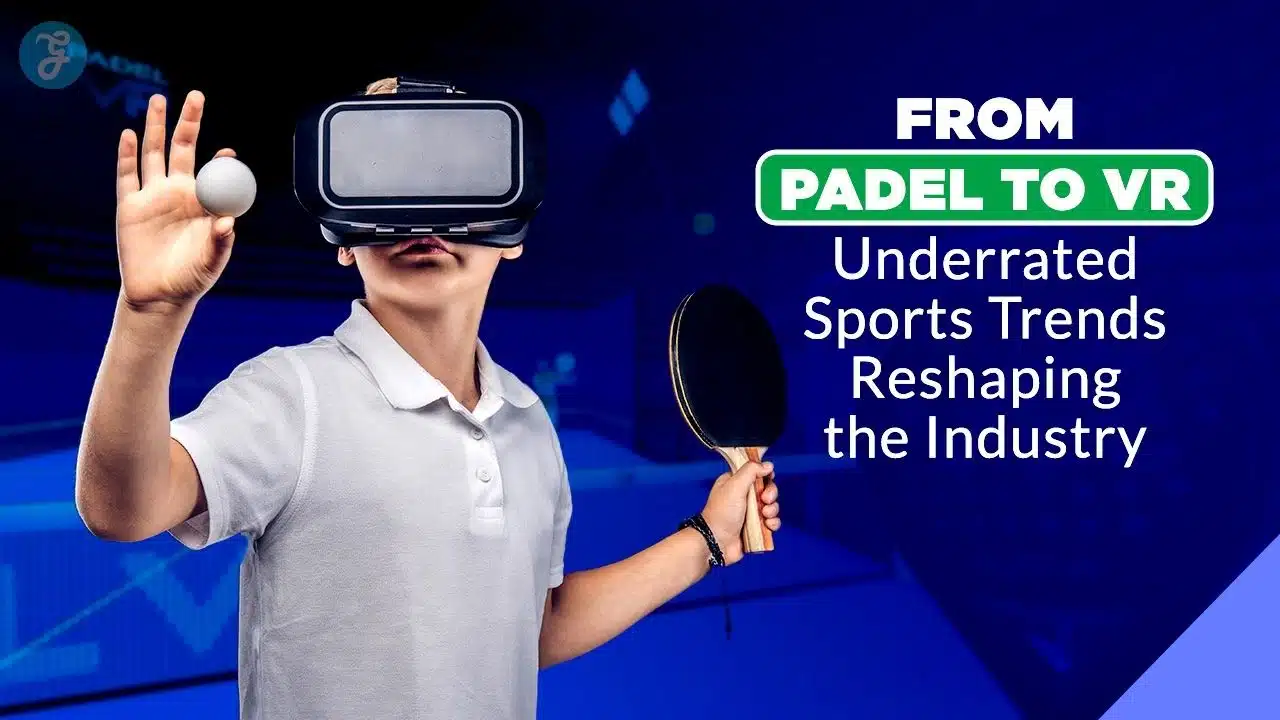
Everyone pays attention to the Super Bowl, the World Cup, and the Olympics. But if you look closely at the margins of the industry, you’ll notice a shift that major outlets haven’t fully grasped yet. The most significant underrated sports trends are emerging quietly in local run clubs, on niche streaming platforms, and inside research labs. These aren’t just fleeting fads; they represent a fundamental change in how we move, what we wear, and how we consume competition.
While the mainstream media focuses on massive player contracts and championship results, the real innovation is happening underground. From the collision of gaming and athletics to the sudden rise of “aesthetic” recovery, the sports landscape is evolving faster than traditional analysis can keep up.
Below is a deep dive into the 30 specific movements that are rewriting the playbook right now.
The Great Fragmentation: What Is Driving These Underrated Sports Trends?
For the last fifty years, sports were a “broadcast” experience: a few major leagues beamed a signal to millions of passive viewers. That model is breaking. We are witnessing a “Great Fragmentation” where mass culture is splintering into thousands of highly specific, passionate niches.
The driving force behind these underrated sports trends isn’t just technology; it is a fundamental change in human behavior. We no longer want to just watch; we want to participate. We don’t just want to exercise; we want a social experience. And we certainly don’t want to engage with content that feels mass-produced.
Three massive cultural waves are crashing together to create this new landscape:
-
The Death of the “Off-Season”: With the rise of recovery tech and year-round niche leagues, sports are now a 24/7 lifestyle, not just a seasonal hobby.
-
The “Main Character” Energy: Gen Z and Gen Alpha view fitness as a form of self-expression. If a sport doesn’t offer a way to showcase personality or aesthetic (online or offline), it is being left behind.
-
The Trust Shift: Trust has moved from institutions (the NFL, the IOC) to individuals (YouTubers, run club leaders, influencers).
This list captures the result of these collisions. These aren’t just random cool things; they are the answers to a new set of consumer demands.
Part 1: The “Phygital” Revolution & The Tech Frontier
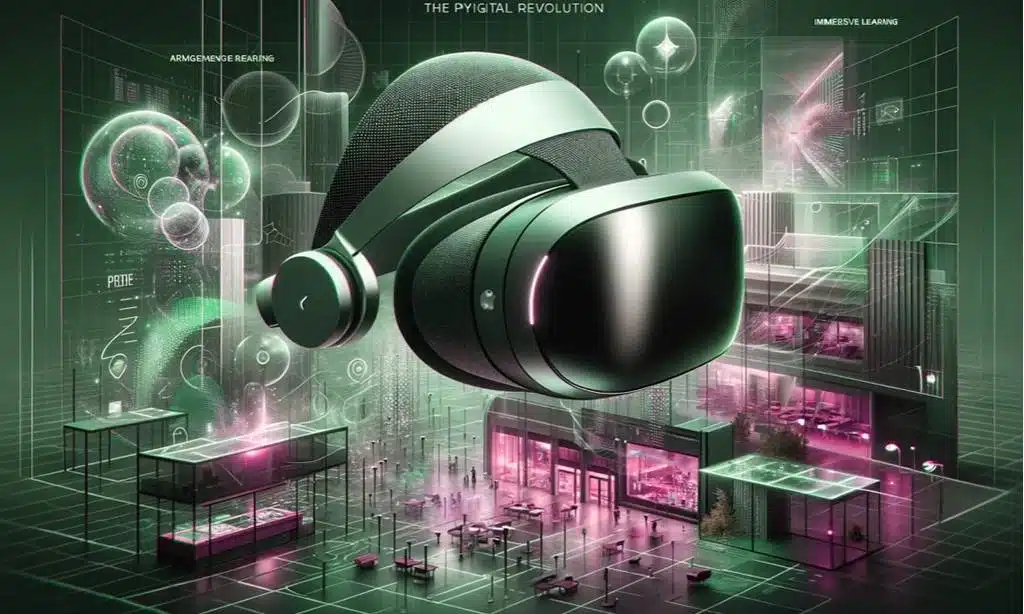
The era of “wearable tech,” meaning just a Fitbit on your wrist, is over. We have entered the “Phygital” age—a seamless blend where physical sweat meets digital environments. This is no longer science fiction; it is the new baseline for training and entertainment.
1. True “Phygital” Leagues
We are seeing the birth of sports that cannot exist without augmented reality. Take Hado, for example. It looks like dodgeball, but players wear AR headsets and throw digital energy balls at each other. On the professional side, golf leagues like the TGL are moving the sport into simulators with moving floors and massive screens.
This isn’t just a video game; it involves real physical exertion, bridging the gap for a generation raised on esports who still crave physical activity.
2. Virtual Stadium Seats
Sold-out game? That concept is becoming obsolete. Teams are beginning to sell “virtual tickets.” Using VR headsets, fans can sit courtside or in a luxury box from their living room. Unlike a standard TV broadcast, this allows you to turn your head, look at the bench, or watch the crowd, creating an immersive sense of presence that television cannot replicate.
3. Smart Eyewear HUDs
For decades, runners and cyclists have had to break their stride to look down at a watch. The new wave of smart eyewear integrates Heads-Up Displays (HUDs) directly into the lens. Critical metrics—pace, heart rate, power output—hover in your peripheral vision. This safety feature allows athletes to keep their eyes on the road while staying dialed into their performance data.
4. Gamified Fitness Communities
Fitness apps are evolving into Massively Multiplayer Online Games (MMORPGs). Platforms like Zwift and Strava have long used leaderboards, but the new trend is deeper “quest” mechanics. Newer apps are prioritizing consistency streaks and “clan” battles over pure speed, making fitness sticky for people who aren’t naturally competitive athletes.
5. Exoskeleton Hiking
Robotics is moving from the warehouse to the wilderness. Lightweight, battery-powered exoskeletons (like the Hypershell) are being adopted by hikers. These devices clip onto your legs and offset the weight of a heavy pack, effectively reducing gravity’s toll. This technology is opening up difficult trails to older demographics or those with minor mobility issues.
6. AI-Powered Niche Training
Major sports like basketball have always had high-tech analytics. Now that tech is trickling down. We are seeing robots designed specifically to feed badminton shuttles with precise spins, and apps that use computer vision to analyze the stroke of a table tennis player. The “Moneyball” effect has finally reached the rec center.
7. Sleep as a Competitive Sport
Recovery is the new cardio. With the ubiquity of trackers like Whoop and Oura, athletes are now competing on their “recovery scores” rather than just their workout intensity. “Sleep hygiene” is discussed with the same seriousness as nutrition, and we are seeing the rise of “recovery lounges” that focus entirely on napping and nervous system regulation.
| Trend Category | The Old Way | The New Trend |
| Competition | Physical field only | Phygital (AR/VR integrated) |
| Spectating | TV Broadcast | Virtual Reality “Courtside” Seats |
| Data Tracking | Smartwatch (Wrist) | Smart Eyewear (HUD) |
| Hiking | Trekking Poles | Exoskeleton Assist |
| Recovery | Rest Days | Data-Driven Sleep Scores |
Part 2: Cultural Shifts – How We Look and Move
The aesthetic of sports is changing. The days of neon yellow running jackets and “performance at all costs” are fading. A new, style-conscious generation is prioritizing how fitness feels and looks over pure functionality.
8. “Snowga” (Snow Yoga)
One of the more unique, underrated sports trends is the embrace of cold. “Snowga” combines snowshoeing or winter hiking with outdoor yoga sessions. It capitalizes on the benefits of cold exposure (popularized by figures like Wim Hof) but packages it in a mindful, nature-centric activity.
9. Tuxedo-Inspired & High-Fashion Kits
The line between high fashion and sports apparel is gone. We are seeing “Bloke Core” evolve into something surreal. Football (soccer) clubs are releasing special edition jerseys that feature denim textures, tuxedo prints, or baroque art patterns. The jersey is no longer just for the stadium; it is a statement piece for the nightclub.
10. Run, Sun, and Snacks
The “bootcamp” vacation is dying. Travelers no longer want to pay to be yelled at by a drill sergeant on a beach. The new trend is “active relaxation”—trips organized around a morning run followed immediately by high-end dining and lounging. It is a gentler, more hedonistic approach to fitness tourism.
11. Quiet Performance
Logo fatigue is real. A massive shift is occurring toward “stealth” sportswear. Consumers are seeking out premium, earth-toned apparel with no visible branding. The flex isn’t wearing a giant logo; it’s wearing a fabric that looks expensive and performs perfectly without shouting about it.
12. Gorpcore 2.0
“Gorpcore” (wearing hiking gear in the city) has graduated. Brands like Arc’teryx and The North Face are now the standard uniform for creative professionals and tech workers. It represents a desire for utility and preparedness, even if the most treacherous terrain you face is a wet sidewalk.
13. Aesthetic Strength Training
Driven largely by TikTok, the motivation for lifting weights has shifted for Gen Z. It is less about “functional fitness” (like CrossFit) and more about “bodybuilding” aesthetics. The focus is on specific muscle groups to achieve a visual look, moving away from the “movement is medicine” narrative back toward physique crafting.
14. Domestic Micro-Adventures
With rising travel costs and eco-consciousness, skiers and climbers are looking closer to home. The “Micro-Adventure” trend involves finding challenges—a hill climb, a trail run, a kayak route—within 50 miles of home. It’s about squeezing adventure into a Tuesday evening rather than waiting for a yearly trip to the Alps.
15. The “Ilona Maher Effect.”
Personality is driving viewership. Women’s rugby and contact sports are seeing surges in interest, not because of TV deals, but because of viral personalities like Olympian Ilona Maher. Athletes who are authentic and funny on social media are single-handedly dragging niche sports into the mainstream spotlight.
| Feature | Traditional “Activewear” | Modern “Quiet Performance” |
| Colors | Neon, Bright, High-Vis | Earth Tones, Matte Black, Olive, Navy |
| Branding | Large Chest Logos | No Visible Logos / Subtle Tags |
| Use Case | Gym Only | Office to Gym to Dinner |
| Target | Performance Metrics | Comfort & Aesthetic |
Part 3: The Evolution of Fan Experience
The way we consume sports is undergoing a radical fragmentation. The 3-hour broadcast is struggling to hold the attention of younger demographics, leading to shorter, interactive, and personality-driven media.
16. “Altcasts” Dominance
The traditional play-by-play announcer is being replaced by the “Altcast.” Fans prefer watching their favorite comedians, former players, or influencers commentate on a game. The ManningCast set the standard, but now every league is trying to offer a broadcast where the vibes matter more than the technical analysis.
17. Snackable Highlights
For Gen Alpha, if it didn’t happen on a vertical video feed, it didn’t happen. The consumption of sports is moving almost entirely to “snackable” 30-second clips. Leagues are now editing content specifically for vertical screens, prioritizing the viral dunk over the context of the game.
18. In-Game Retail Media
This is the holy grail of sports marketing. Technology now allows fans to tap their screen during a live stream to purchase the shoes a player is wearing. It collapses the funnel between “inspiration” and “purchase” to mere seconds.
19. Micro-Influencer Athletes
Brands are realizing that a global superstar with 100 million followers is expensive and distant. They are shifting budgets to local college athletes and niche sport stars (like a pro pickleballer or a trail runner) who have smaller but highly engaged audiences. These “micro-influencers” convert sales better because their followers trust them implicitly.
20. Viral Stadium Concessions
Food at stadiums is no longer just sustenance; it is content. Venues are creating “stunt food”—like beer infused with French Onion Dip or hot dogs topped with bizarre ingredients—solely to get fans to post photos on social media. It is free marketing driven by culinary curiosity.
21. Women’s Specific Biometrics
For decades, women’s sports gear was just men’s gear made smaller and pinker. That is finally ending. We are seeing a surge in “female-first” engineering, such as soccer cleats designed to reduce ACL injuries (which women are more prone to) and training apps that adjust intensity based on menstrual cycles.
22. Fan-First Production
Leagues like the Kings League are experimenting with “democracy in sports.” Fans can vote in real-time on rule changes, substitutions, or camera angles. It turns the passive act of watching into an active role in the outcome of the entertainment product.
Part 4: New Business Models & Niche Sports
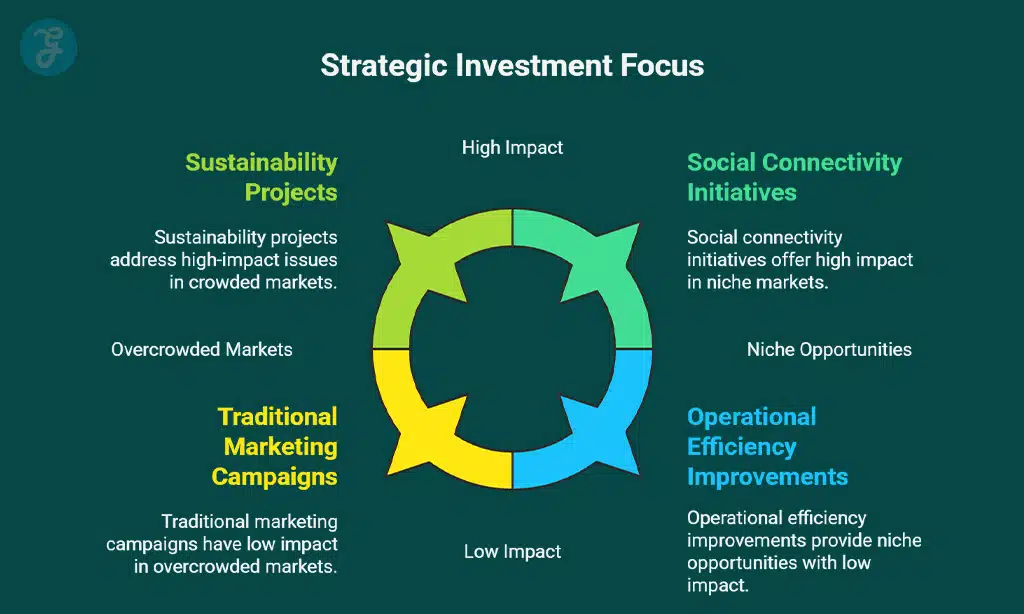
Where is the money going? The smart capital is moving away from saturated markets and finding value in social connection, sustainability, and efficiency.
23. Padel Over Pickleball
While Pickleball gets all the headlines in the US, Padel is the global giant. It is often seen as the more “upscale” cousin, with a club culture that appeals to high-net-worth individuals. In Europe and the Middle East, Padel courts are replacing tennis courts at a rapid pace.
24. Run Clubs as Dating Apps
Dating app fatigue is real. Young professionals are deleting the apps and joining run clubs. These clubs are explicitly marketing themselves as social mixers. The “Wednesday Evening 5K” is the new Friday night date, providing a low-pressure environment to meet people with shared interests.
25. F1 Sim Racing to Pro
The pathway to motorsport is changing. Historically, you needed millions of dollars for karting to become a race car driver. Now, “Sim Racing” is a legitimate funnel. Teams are scouting gamers who have never sat in a real car, proving that the skills transfer from the virtual track to the asphalt.
26. Corporate “Athletes”
The corporate wellness program is getting a rebrand. Companies are beginning to treat their executives like athletes, providing “prehab” (physical therapy to prevent pain), mental performance coaching, and nutrition planning. The goal is to maximize productivity using the same tools pro athletes use to maximize performance.
27. Eco-Stadiums
Sustainability is moving beyond recycling bins. The new standard for venues is “Net Zero” operations. We are seeing innovations like kinetic floor tiles that generate electricity from the footsteps of fans, and stadiums built entirely from sustainably sourced timber.
28. Short-Format Racing
Attention spans are shortening, and endurance sports are adapting. Triathlon and cycling are introducing “Super League” formats—short, intense, multi-round races that fit into a one-hour broadcast window. It strips away the long, slow middle of the race and keeps the action constant.
29. Cold Plunge Socials
The bar scene is losing its monopoly on Friday nights. “Social Bathhouses” are popping up in major cities, where groups of friends gather to cycle between saunas and ice baths. It offers a social high without the hangover, appealing to the “sober curious” movement.
30. Private Equity in Youth Sports
This is the most controversial of the underrated sports trends. Large investment firms are buying up local youth travel leagues, tournament operators, and facilities. Youth sports are being consolidated into a high-stakes business, raising questions about access and cost but bringing professional-level organization to kids’ games.
| Trend | Target Demographic | Primary Driver |
| Run Club Dating | Gen Z / Millennials | Dating App Fatigue |
| Padel | Global Urbanites | Social Status & Fitness |
| Cold Plunge Socials | Health Optimizers | Sober/Wellness Culture |
| Sim Racing | Gamers / Gen Alpha | Accessibility to Motorsport |
Frequently Asked Questions (FAQ)
What is the fastest-growing niche sport right now?
While Pickleball has volume, Padel and Sim Racing are seeing the highest “stickiness” and global growth rates. Padel is dominating the social club scene, while Sim Racing is revolutionizing how athletes are discovered.
What does “Phygital” mean in sports?
“Phygital” refers to the blending of physical and digital worlds. In sports, this means activities like Hado (AR dodgeball) or Zwift (cycling in a virtual world), where physical exertion controls a digital avatar or interacts with digital elements.
Why are running clubs becoming so popular?
They solve two problems at once: loneliness and fitness. With the decline of “third places” (affordable places to hang out) and the frustration with dating apps, run clubs offer a consistent, low-stakes community environment.
Final Thought: Underrated Sports Trends Beyond the Hype
The landscape of athletics is far more diverse than just the major leagues shown on cable TV. From the underrated sports trends of bio-hacking sleep to the rise of “Snowga,” the future of sports is personalized, digitized, and deeply integrated into our social lives.
We are moving away from a one-size-fits-all model of fandom and fitness. Whether you are a gamer looking to go pro via a simulator, a traveler seeking a “run and sun” vacation, or a fan voting on the next play from your phone, the barriers between athlete, fan, and technology are dissolving. These 30 trends are not just passing fads; they are the early signals of a healthier, more connected, and more immersive future.