We all know brushing is the cornerstone of keeping our teeth clean. But here’s the thing: brushing alone isn’t enough. Sure, it’s important, but there’s a whole lot more to keeping your mouth in tip-top shape. Total oral care is about going beyond brushing and paying attention to all the little details that help protect your teeth, gums, and mouth as a whole. So, let’s dive into the ultimate guide to oral care, where you’ll discover how to take your dental routine to the next level and truly start caring for your smile.
1. The Power of Flossing: Why It’s Essential
You probably hear it all the time—“Don’t forget to floss!” But why is it such a big deal? Here’s the simple truth: brushing alone can’t get into all those tight spots between your teeth where plaque and food tend to hide. That’s where flossing comes in.
Flossing is the only way to clean those areas and prevent gum disease and cavities. By skipping it, you’re leaving your mouth open to all kinds of problems. So, how often should you floss? The magic number is once a day—yes, just once. It doesn’t matter if it’s in the morning, at night, or whenever works best for you. The key is consistency.
And if you’re wondering whether there’s a right or wrong way to floss—well, there is! Avoid snapping the floss down hard between your teeth. Instead, gently slide it up and down, curving it around each tooth in a “C” shape. Easy, right? But here’s the catch: most people don’t floss properly, or they skip it altogether. Don’t be one of them!
2. Mouthwash: The Extra Layer of Protection
Brushing and flossing are like the foundation of your oral care routine, but mouthwash? That’s the finishing touch. Think of mouthwash as an extra layer of protection that helps kill bacteria, freshen breath, and even prevent plaque buildup. It’s like giving your mouth an extra boost, and who doesn’t want that?
There are different types of mouthwash, so let’s break them down quickly. Some mouthwashes are antibacterial, which means they target the bacteria that cause bad breath and gum disease. Others have fluoride to help strengthen your teeth. So, which one should you choose? It really depends on what you’re looking for. If your goal is fresh breath, go for an antiseptic mouthwash. If you’re aiming for long-term tooth protection, a fluoride rinse is your best bet.
And, of course, use mouthwash correctly—swish it around your mouth for 30 seconds, making sure it gets to all those hard-to-reach areas. It’s that simple. Just remember, mouthwash isn’t a replacement for brushing or flossing; it’s an extra tool in your oral care arsenal.
3. The Importance of a Healthy Diet for Oral Health
You might be surprised to learn that what you eat plays a huge role in your oral health. It’s not just about avoiding candy and soda (though that’s definitely part of it). A healthy diet can actually help protect your teeth and gums from damage.
For starters, make sure you’re eating foods rich in calcium, like dairy products, leafy greens, and almonds. Calcium helps strengthen your enamel, which is your teeth’s first line of defense against cavities. Foods that are high in fiber, like apples, carrots, and celery, can also keep your teeth clean by naturally scrubbing them as you chew.
On the flip side, sugary and acidic foods (looking at you, soda and candy) can wreak havoc on your enamel and lead to cavities. And let’s not forget about hydration—drinking plenty of water helps wash away food particles and bacteria in your mouth, keeping your mouth moist and healthy.
So, the next time you’re choosing a snack, think about how it might impact your teeth. A little bit of thought can go a long way in preventing problems down the road.
4. Tongue Scraping: A Step You Shouldn’t Skip
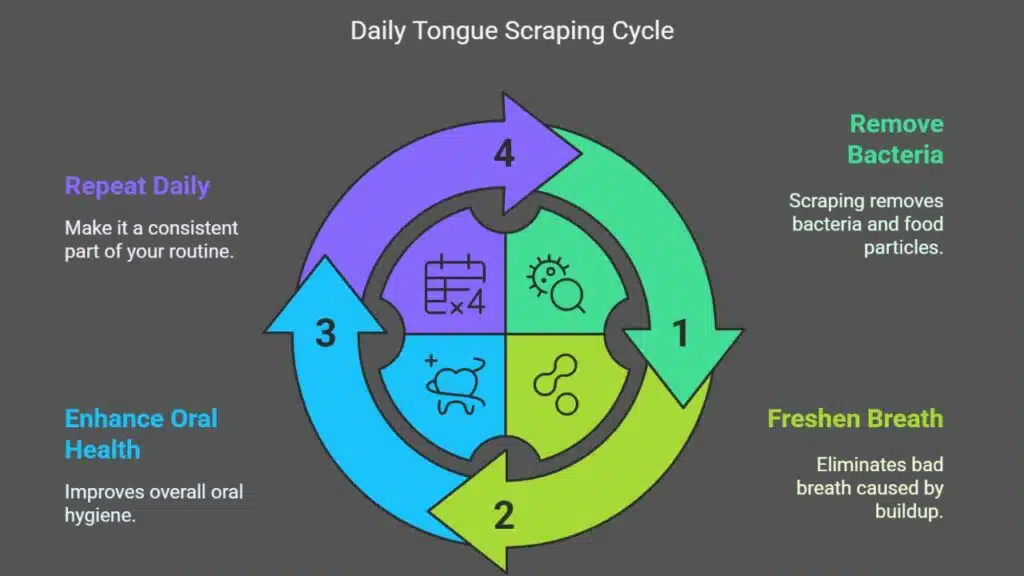
We brush our teeth, we floss, we rinse with mouthwash… but what about our tongue? Believe it or not, your tongue can hold onto bacteria and food particles, which can contribute to bad breath and even affect your overall oral health. That’s where tongue scraping comes in.
Using a tongue scraper (or even the back of your toothbrush) to clean your tongue every day is an easy way to remove buildup and keep your mouth fresh. You’d be amazed at how much better your breath will smell and how much cleaner your mouth will feel once you make this simple habit a part of your routine.
Don’t just scrape once in a while—make it part of your daily routine, just like brushing your teeth. It only takes a few seconds, and your mouth will thank you for it.
5. Regular Dental Checkups: Why You Shouldn’t Skip Them
You might think that if your teeth feel fine, there’s no need to visit the dentist. But here’s the thing: many dental problems don’t show obvious symptoms until they’ve already gotten pretty serious. Regular dental checkups are your chance to catch problems early, before they become costly or painful issues.
Your dentist will check for things like cavities, gum disease, and signs of oral cancer. They’ll also clean your teeth to remove any buildup of plaque or tartar that you can’t get rid of at home. And if you’re one of the many people who’s afraid of the dentist, remember this: regular visits actually make dental appointments less scary. The sooner you catch any issues, the less likely they are to cause you pain or stress.
If you’re in the Skokie, IL area, you’re in luck. There are many experienced and trusted dental professionals right at your fingertips. Dentists in Skokie IL offer comprehensive care, including preventive treatments and educational guidance to help you maintain optimal oral health. It’s worth getting familiar with local practices, so you can make an informed choice and keep your smile healthy for years to come.
So, how often should you go? It’s generally recommended to see your dentist every six months, but your dentist might suggest more frequent visits if you’re prone to dental problems.
6. The Role of Your Gums: Keeping Them Healthy
We often focus so much on our teeth that we forget about our gums, but they’re just as important! Healthy gums help support your teeth, and without them, you’re at risk for gum disease, which can lead to tooth loss if left untreated.
Gum disease doesn’t happen overnight—it starts with gingivitis, which causes redness, swelling, and bleeding of the gums. If you catch it early, you can reverse it with good oral hygiene. But if it progresses to periodontitis, that’s when the real problems start. That’s why it’s crucial to maintain healthy gums by brushing gently, flossing daily, and getting regular checkups.
And remember, if your gums bleed when you brush or floss, that could be a sign of gum disease, so don’t ignore it. The sooner you address it, the better.
7. Protecting Your Teeth: Tips for Preventing Damage
We all have bad habits that can be harmful to our teeth—chewing ice, using our teeth to open packages, or biting our nails. But here’s the thing: these little habits can cause serious damage over time.
For instance, teeth grinding (often caused by stress) can lead to worn-down teeth, jaw pain, and even fractures. If you think you grind your teeth at night, talk to your dentist about getting a mouthguard to protect them.
Also, if you play sports, make sure to wear a mouthguard. It’s a simple step that can save you from broken or knocked-out teeth.
8. The Role of Fluoride: What You Need to Know
Fluoride is one of the most effective ways to prevent tooth decay. It strengthens your enamel, making it more resistant to cavities. But here’s a question: how do you get fluoride in your routine?
Most toothpaste contains fluoride, so brushing with a fluoride toothpaste is one easy way to protect your teeth. But there are also fluoride mouthwashes and even professional fluoride treatments your dentist can apply during checkups. If you’re prone to cavities, ask your dentist about fluoride treatments to give your teeth an extra layer of protection.
9. Special Considerations for Different Age Groups
Oral care needs change as we age, and it’s important to adjust your routine accordingly.
For kids, dental care starts early—teething, teaching them how to brush, and limiting sugary snacks are key. For adults, maintaining gum health and cavity prevention are top priorities. And as we get older, we may face challenges like dry mouth or weakened enamel, which require extra attention.
No matter your age, your oral care needs will evolve. But the goal remains the same: keep your teeth and gums healthy for a lifetime.
Conclusion: Total Oral Care Starts Now
Total oral care isn’t about one single thing—it’s about taking a well-rounded approach to your health. Brushing, flossing, mouthwash, and regular checkups all work together to keep your mouth in great shape. And by paying attention to what you eat, how you care for your gums, and protecting your teeth from damage, you can ensure a lifetime of healthy smiles.
So, what are you waiting for? Start incorporating these tips into your daily routine and watch your oral health improve in no time!