Many people feel lost in a sea of streaming platforms, unsure which shows truly matter. TV critic Maureen Ryan wrote in 2015 that ten series, from crime drama to anthology series, shaped how we watch TV.
This blog will guide you through key titles like game of thrones, the sopranos, breaking bad and the office to clear the fog. Keep reading.
Key Takeaways
- The Sopranos (HBO, Jan 1999) mixed mafia crime, family drama, and therapy. It lifted cable drama Nielsen ratings and inspired shows like Mad Men and The West Wing.
- Breaking Bad (AMC, Jan 2008) traced Walter White’s turn from teacher to drug kingpin. Netflix streaming boosted its final season by 50% and set a new depth mark for TV.
- Game of Thrones (HBO, Apr 2011) spanned continents with dragons, politics, and epic battles. It drew millions per episode and defined prestige Sunday night TV blocks.
- Twin Peaks (ABC, Apr 1990) drew 18 million viewers with its eerie style, and The Twilight Zone (CBS, 1959) fused sci-fi, horror, and moral tales under Rod Serling. They launched prestige and anthology TV and led to American Horror Story (FX, Oct 2011).
- The Office (NBC, 2005) used no laugh track, handheld cameras, and confessional interviews to create the mockumentary style. It inspired Parks and Recreation (NBC, 2009) and Modern Family (ABC, 2009).
The Sopranos: Redefining the Antihero in Television
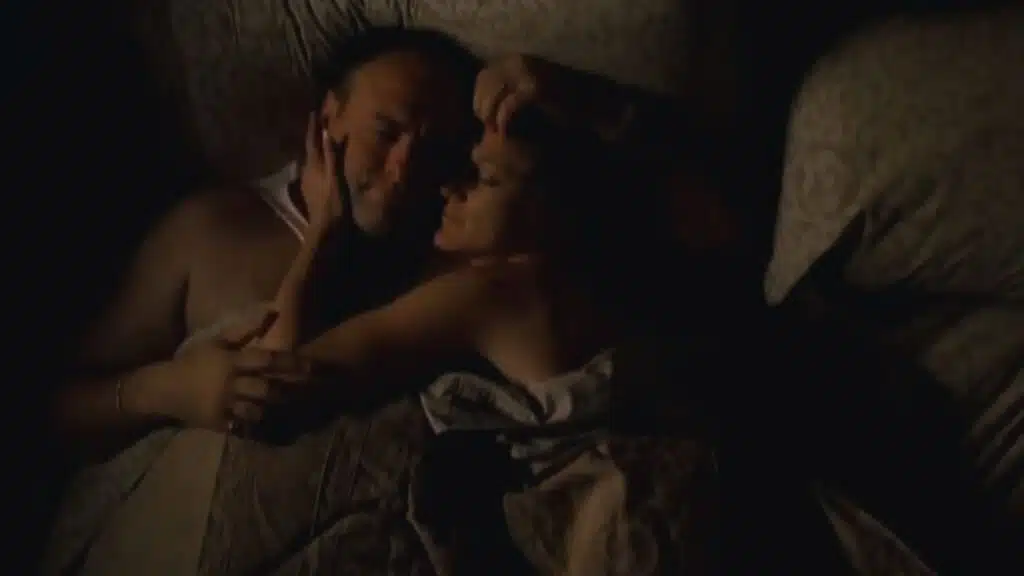
HBO aired The Sopranos in January 1999. Writers built on Hill Street Blues’ serialized plots from 1981. They layered Tony Soprano with family scenes and therapy sessions. This broke the mold for a crime drama lead.
Viewers found themselves rooting for a mob boss.
The show forced networks to chase darker plots and deep character arcs. Nielsen ratings soared for cable dramas. Fans then backed revivals of older series. Binge watching rose on streaming platforms.
Mad Men and The West Wing adopted its character-first style.
Breaking Bad: Revolutionizing Character Arcs
The cable network aired Breaking Bad in January 2008. AMC saw low viewership at first. Walter White starts as a mild high school teacher. A cancer diagnosis drives him into the drug market.
The writers strike paused the show in season two. Fans found the series on Netflix, and they grew hooked. His partner rides a dark path by his side. The plot digs into personal identity and moral choices.
Critics hailed the series for deep plot shifts. Its form changed how TV tells crime drama tales. Streaming platforms raised final season ratings by fifty percent. Viewers on streaming services caught every twist.
The series set a new bar for distribution, content, and character complexity. It reshaped TV dramas with moral ambiguity front and center. Breaking Bad proved TV could match film in depth and grit.
Game of Thrones: Epic Storytelling on a Grand Scale
HBO premiered Game of Thrones in April 2011. Critics doubted its scale at first. Fans soon filled social feeds with excitement. Writers used dragons and schemes to explore politics and power.
Viewers tuned in on Sunday night prestige TV blocks. The show shaped the Golden Age of television.
Storm scenes and conflict sequences spanned continents and kept hearts racing. Each season stacked shocks, from the Red Wedding to the Battle of the Bastards. Drama around the Iron Throne earned massive ratings, drawing millions per episode.
It proved that long, serialized plots could thrive on premium cable. Streaming platforms chased epic dramas after noting its massive success.
Twin Peaks: The Birth of Prestige TV
ABC aired Twin Peaks in April 1990. David Lynch and Mark Frost created a strange crime drama. They shot each episode with film cameras. They added eerie music by Angelo Badalamenti.
The pilot drew 18 million viewers. Fans built a cult following.
That bold style shifted network thinking. AMC rode this wave and debuted Mad Men in July 2007. The show became a cultural phenomenon and critical favorite. It set high standards for prestige TV.
Streaming platforms began to offer more artistically bold series.
I Love Lucy: The Foundation of Sitcoms
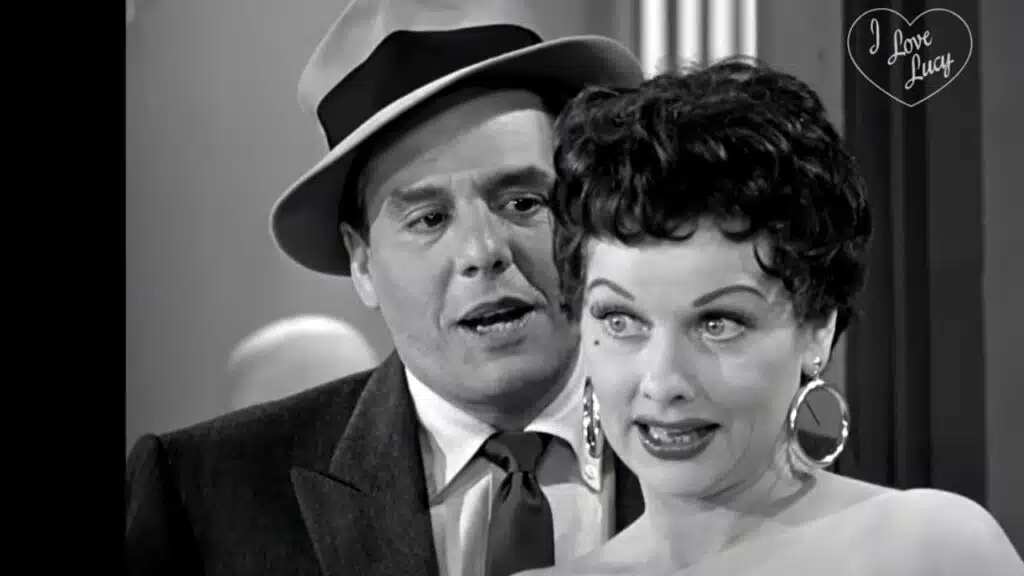
Laughs popped from the screen when i love lucy first aired in 1951. Jess Oppenheimer used three cameras before a live audience to capture every priceless glance. Desi Arnaz built a new studio setup, he filmed action like a stage play, on film reels you could rerun.
Sitcom structure leaned on those bright lights and canned laughter. Comedy style took shape around Lucy Ricardo’s slapstick and charm.
Lucille Ball stole hearts and sparked women’s liberation with riotous timing. That bold lead role flipped gender scripts on TV. Writers wrote smart gags for a female star, a daring idea back then.
Mary Tyler Moore Show and Carol Burnett Show picked up Lucy’s torch and raced with it. Amy Poehler and Tina Fey still nod to Lucy’s fearless spirit. Networks saw huge ratings, and sitcoms claimed their spot as America’s go-to prime time snack.
Star Trek: Pioneering Diversity and Sci-Fi Narratives
Star Trek premiered in 1966 on NBC. William Shatner led the USS Enterprise crew. Nichelle Nichols played Lieutenant Uhura, a rare black woman in a prime role. The show used speculative futures to mirror social hopes.
It coined “to boldly go where no man has gone before.” Fans saw a united federation of planets as a call for real unity.
That blueprint forced networks to widen their lens. In 2005, Battlestar Galactica rolled out, proving viewers craved deep sci-fi. Streaming services now chase diverse casts and bold plots.
Writers mix tech ideas and social commentary in many new shows, including anthology series. That legacy still shapes how we watch today.
The Office: Popularizing the Mockumentary Style
NBC launched The Office in 2005 as a single-camera sitcom that skipped the laugh track. The crew shot workdays with handheld cameras and confessional interviews. This mockumentary style tapped into reality TV fatigue and gave viewers a peek behind cubicle walls.
Actors, like Steve Carell, played scenes off the cuff and added improvisational comedy. Writers then built scenes around those spontaneous moments, turning plain office talk into classic gags.
This show rewrote the playbook for comedy on TV. It led to new documentary-style comedies such as Parks and Recreation and Modern Family. Creators added interview segments and shaky camera moves to catch real reactions.
Fans saw themselves in awkward bosses, break room dramas, and bingo nights. Networks hungry for hits then greenlit more workplace comedies with a reality feel.
The Twilight Zone: Pushing the Boundaries of Anthology Television
The Twilight Zone jolted viewers with standalone episodes. It fused sci-fi, horror, and social commentary. Rod Serling’s vision brought moral tales to broadcast. It carved a path for modern anthology series on streaming platforms.
Pioneers on cable and streaming services now owe a debt to its daring ideas.
American Horror Story debuted October 2011 on FX with a fresh anthology series model. It used non-linear storytelling to shock at every turn. Season two won praise for its artistry and style.
It showed how ambition and experimentation still drive TV forward. Fans found it on cable and on streaming services. This modern model draws on the groundwork laid by The Twilight Zone.
The Simpsons: Shaping Animated Comedy and Social Commentary
Fox aired The Simpsons in 1989. The show mixed adult humor and sharp social commentary. It showcased a dysfunctional family format, via Homer, Marge, and Bart. Viewers laughed, then paused to reflect.
Staff used basic cartoon cels to craft bold satire. This move changed cartoons into smart commentary.
This series shaped modern animated comedy. It drove later adult shows like South Park. Writers hit big on real-life jabs and biting critique. It holds a record for longest running primetime scripted series, with over 30 seasons.
Cultural impact runs deep across pop culture and fan sites. Streaming platforms still host fresh episodes. Episodes spark debate and social insight.
Black Mirror: Exploring the Dark Side of Technology
Black Mirror hooks viewers with dark tales about artificial intelligence and social media, then flips the script on our own habits. It builds on the legacy of The Twilight Zone and American Horror Story, using non-linear narratives and creative storytelling.
Each episode feels like a cautionary tale about digital privacy, morality, and personal identity. The anthology series format lets writers tackle fresh scenarios. It shines a harsh light on how tech can twist our own reflections back at us.
Streaming platforms gave Black Mirror wings in 2016, after Channel 4 dropped it. Netflix added six episodes that year and pushed more seasons to global audiences. Fans flocked for its social commentary on mobile device addiction and virtual reality fantasies.
Writers spin each story in a tight hour, no fluff, just hard truth. This series taps into our tech anxieties and holds a mirror up to society.
Saturday Night Live: Redefining Sketch Comedy for Generations
Monty Python’s Flying Circus shook up sketch comedy. The British troupe used absurd humor and satire. Producers at NBC took note of that style. Saturday Night Live hit airwaves in October 1975.
Creators staged live bits before a studio audience. Cast members ran from one quick sketch to the next. That bold playbook carried social commentary. The show rose to an American TV institution.
Comedians like John Belushi and Bill Murray became household names. Weekend Update delivered sharp spoofs on politics, reality tv and pop culture. Stefon earned a cult following with his quirky tips.
Fans catch clips on streaming services or on cable reruns. Inbox alerts light up after viral sketches. Writers wove in parodies of Nixon and Walter Cronkite. The Simpsons felt that influence in its own satire.
Saturday Night Live still shapes TV and pop culture today.
Takeaways
These ten shows reshaped how we click play and settle in. Mob drama The Sopranos taught us to cheer for the bad guy. Meth saga Breaking Bad proved deep arcs can live on streaming platforms.
Epic saga Game of Thrones raised the bar on scope and social commentary. Sketch comedy Saturday Night Live still sparks cult following decades later. Each series built a new path for anthology series, mockumentary style, and animation.
We now binge at dawn, chat live online, and argue over cliffhangers like never before.
FAQs
1. What made All in the Family so bold?
It broke fresh ground with social commentary, put Archie Bunker on screen, used Carroll O’Connor’s comic flair. It let viewers talk back to TV.
2. How did The Sopranos shift crime drama?
It mixed mob life with real talk. Tony Soprano grappled with family, therapy sessions with Dr. Melfi, and James Gandolfini’s raw power. It set a new bar.
3. Why do we still watch I Love Lucy?
Lucille Ball’s comic timing still sparks laughs. The live show, sketch comedy roots, and homey vibe made it a classic on CBS.
4. How did Game of Thrones redraw epic tales?
It drove streaming platforms to new heights. Fans binged every twist from George R. R. Martin’s world, cheered Jon Snow, and formed a huge cult following.
5. What did Breaking Bad teach us about dark shows?
This meth tale dug deep into character pain, and showed us how far a crime drama can bend. It thrilled viewers and raised the bar.
6. What did Star Trek, Twin Peaks, and The Twilight Zone add to TV?
The science show Star Trek gave us Mr. Spock and hope for space. The odd mystery Twin Peaks from David Lynch built a cult scene. The anthology series The Twilight Zone taught us to expect the weird.