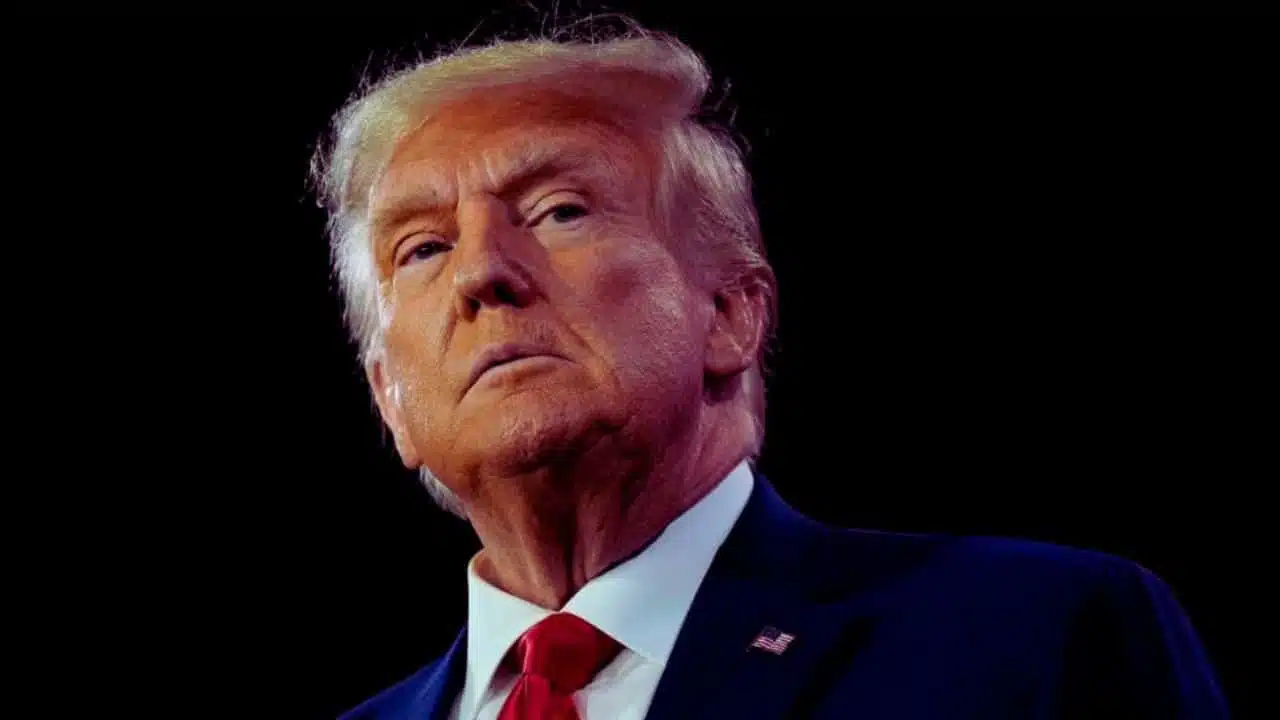
The ongoing controversy involving Donald Trump and the late Jeffrey Epstein has intensified dramatically, revealing cracks within Republican ranks and drawing increased attention to Trump’s efforts to control the political narrative. A series of explosive developments—including newly revealed briefings, congressional subpoenas, and shifting statements by top officials—have deepened public scrutiny of Trump’s past connection to Epstein and his administration’s handling of related documents. Despite the absence of any confirmed criminal conduct by Trump, the political stakes are growing.
Pam Bondi Warned Trump About His Name Appearing in Epstein Documents
In a significant development, Attorney General Pam Bondi reportedly informed Trump during a private briefing in May 2025 that his name appeared in files connected to the Epstein investigation. Deputy Attorney General Todd Blanche was also present. The meeting was described as a general overview of the Justice Department’s findings rather than a focused discussion on Trump. The documents mentioned numerous individuals from high-profile circles, making it difficult to isolate specific legal implications without full disclosure.
The importance of this revelation lies in its timing and context. Just months earlier, in February, Bondi had publicly claimed to possess a so-called “Epstein client list,” a comment that energized Trump’s base and fueled conspiratorial narratives. Her sudden shift to downplaying the content of the documents raised doubts about whether the administration ever intended to release them in full.
Trump’s Past Ties to Epstein Come Under Renewed National Focus
Trump’s social and professional ties to Jeffrey Epstein date back to the 1990s and early 2000s, a period when both men frequently interacted within elite circles in Florida and New York. Photographs and public records confirm that the two attended social events together. Trump’s name has also been found in Epstein’s private flight logs, although no evidence has surfaced indicating that he traveled to any of the locations implicated in Epstein’s criminal conduct.
Nonetheless, these historical associations have fueled ongoing speculation about the depth of their relationship and whether Trump had knowledge of any of Epstein’s illegal activities. The administration’s refusal to fully release related documents has only intensified the public’s curiosity and suspicion. Critics argue that these delays undermine earlier promises of transparency and instead suggest political motivation to suppress potentially damaging information.
GOP-Led House Oversight Committee Votes to Subpoena DOJ and Ghislaine Maxwell
Amid rising tensions, the House Oversight Committee took a bold step by voting to issue subpoenas to the Department of Justice for all files connected to the Epstein investigation. Notably, this bipartisan vote saw several Republicans, including vocal supporters of Trump, joining Democrats to demand accountability. This rare act of defiance within the party underscores a growing concern that the administration is withholding information for political reasons.
In a separate but related move, the committee also voted to subpoena Ghislaine Maxwell, Epstein’s long-time associate who is currently serving a 20-year prison sentence. This decision followed reports that Deputy Attorney General Blanche, who previously served as Trump’s personal attorney, planned to visit Maxwell in prison. There are growing concerns that this visit may be politically motivated, especially given Trump’s authority to grant pardons or commutations, raising ethical questions about possible back-channel deals.
Administration Faces Backlash for Backpedaling on Epstein Document Release
The administration’s credibility took another hit when Bondi and FBI Director Kash Patel, both of whom previously called for the full release of Epstein-related documents, issued a joint statement claiming that there was no evidence of a client list or that Epstein’s death was anything other than a suicide. This stark reversal has fueled frustration and suspicion, particularly among supporters who had rallied around the idea that Epstein’s secrets would soon be made public.
Adding to the controversy, Trump himself appeared to contradict the reported briefing from Bondi. In public statements, he denied being informed that his name appeared in the documents and suggested that the files were part of a broader conspiracy orchestrated by figures like Barack Obama and James Comey. These contradictory claims have created confusion, fed media speculation, and damaged the administration’s efforts to appear consistent and truthful.
Department of Justice Seeks to Unseal Grand Jury Testimony
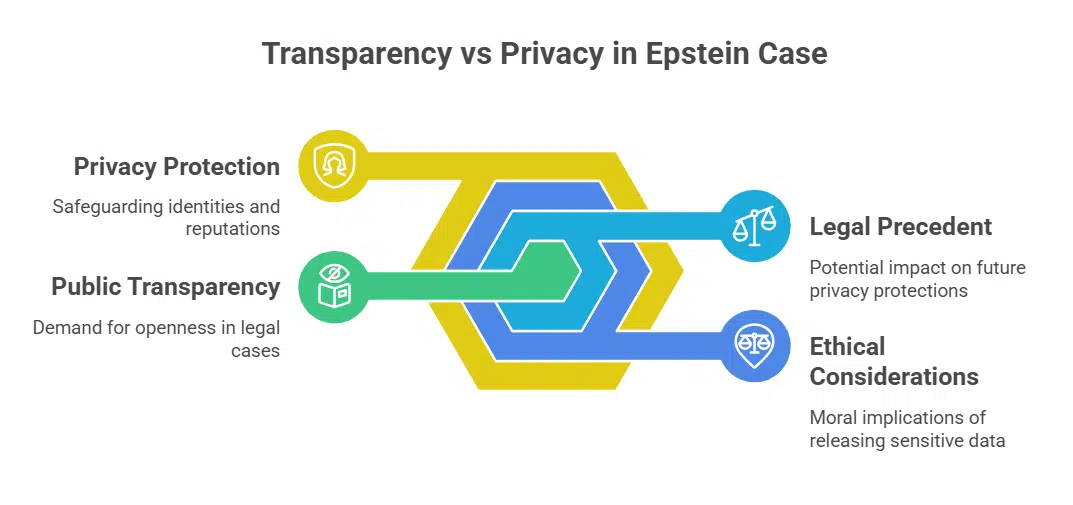
Facing increasing pressure, the Department of Justice has filed a request with a federal court in Florida to unseal parts of the grand jury testimony related to the Epstein case. While the motion was denied for a small subset of the documents, the DOJ’s legal maneuver appears to be an attempt to demonstrate a willingness to cooperate with public demands for transparency.
Legal experts, however, caution that grand jury materials are typically sealed to protect the identities and reputations of individuals who may not be charged with any crimes. The selective release of such materials could set a precedent that endangers privacy protections in future investigations, complicating the legal and ethical considerations surrounding this case.
Tulsi Gabbard Escalates Political Distraction Campaign by Targeting Obama
As pressure mounted, the Trump administration pivoted to a familiar political tactic—attacking former President Barack Obama. In a dramatic appearance at the White House, Director of National Intelligence Tulsi Gabbard presented a newly declassified report that aimed to implicate the Obama administration in what she characterized as a coordinated effort to undermine Trump’s first presidency.
The report, originally produced by Republican members of Congress, questioned the reliability of the intelligence community’s 2016 assessment that Russian interference in the election was intended to benefit Trump. Gabbard’s narrative claimed that Obama personally directed intelligence agencies to produce misleading conclusions.
National security experts and intelligence veterans have strongly disputed these claims. Multiple bipartisan investigations, including a 2020 Senate Intelligence Committee report, confirmed that Russian operatives did in fact attempt to influence the 2016 election in favor of Trump. Gabbard’s assertions were widely criticized for cherry-picking evidence and undermining the credibility of U.S. intelligence agencies.
Fallout from Intelligence Declassification Draws National Security Warnings
The decision to declassify sensitive documents has also triggered alarms in the intelligence community. Critics warn that the move could reveal sources and methods, compromise ongoing operations, and endanger international cooperation with allied agencies. Some experts also fear that it sends a chilling message to intelligence personnel, discouraging them from reporting politically sensitive information.
While the administration argues that the declassification promotes transparency, others believe it serves more as a political distraction meant to shift attention away from the Epstein controversy. The timing of the release, coinciding with the intensification of public scrutiny over Epstein, lends weight to that interpretation.
Mike Johnson Struggles to Maintain GOP Unity as Subpoenas Move Forward
House Speaker Mike Johnson has tried to downplay the growing rebellion within his party over the Epstein documents. He insists that Republicans are not blocking document release but are instead resisting Democratic attempts to politicize the issue. However, his influence appears to be waning as more GOP lawmakers support public disclosure and accountability measures.
Johnson also attempted to delay further votes on the issue until after the summer recess, a move that critics see as an effort to defuse political pressure. Senate Minority Leader Chuck Schumer criticized Johnson for leaving Washington early, calling it a transparent attempt to sideline an issue that is gaining momentum within both parties.
MAGA Base Reacts with Mixed Sentiment as Public Opinion Splits
Public opinion polls reveal that Trump’s support base is not monolithic in its response to the Epstein controversy. A Quinnipiac poll conducted in July 2025 found that 40% of Republicans approved of Trump’s handling of the issue, while 36% disapproved. A separate CBS/YouGov poll found that only 11% of Republican respondents considered the Epstein matter highly important in their evaluation of Trump’s presidency.
These findings suggest that while the controversy has become a dominant media story and a source of political unrest within the GOP, its impact on grassroots voter opinion remains limited—for now. However, summer recess town halls and campaign events may soon test the durability of that support as lawmakers engage directly with constituents.
A Scandal That Keeps Growing in Complexity
The Epstein controversy has evolved into a full-blown political crisis for Trump, one that is no longer limited to past associations or document delays. It now involves internal Republican dissent, legal maneuvering, intelligence disclosures, and a renewed focus on partisan distrust.
Despite assurances from the administration that no wrongdoing occurred, its inconsistent messaging, sudden reversals, and reliance on political distractions have only deepened suspicion. The episode highlights the challenges of governing in a hyper-partisan, conspiracy-driven political climate, where promises of transparency are often entangled with political calculations.
As subpoenas are enforced, legal rulings unfold, and public sentiment continues to shift, the story is far from over. What began as a side controversy is now shaping up to be one of the defining political flashpoints of Trump’s current term—and one that could leave a lasting impact on public trust, national security, and the future of government transparency.