The printing industry continues to evolve as businesses adopt new technologies to meet increasing demand for customization, speed, and consistent quality. Traditional printing methods, while effective for large-scale production, often struggle to support flexible workflows required by modern businesses. As a result, transfer-based printing technologies have become a key driver of innovation in professional production environments.
Among these technologies, Direct to Film (DTF) printing has emerged as a practical solution for businesses seeking reliability, scalability, and creative flexibility.
The Changing Needs of Modern Production
Modern production workflows prioritize efficiency and adaptability. Businesses are no longer focused solely on high-volume output; instead, they must accommodate short production runs, personalized designs, and rapid turnaround times.
Transfer-based printing allows designs to be prepared digitally and applied to products only when required. This approach reduces waste, minimizes setup complexity, and enables businesses to respond quickly to market changes.
The Importance of Transfer Materials in Print Quality
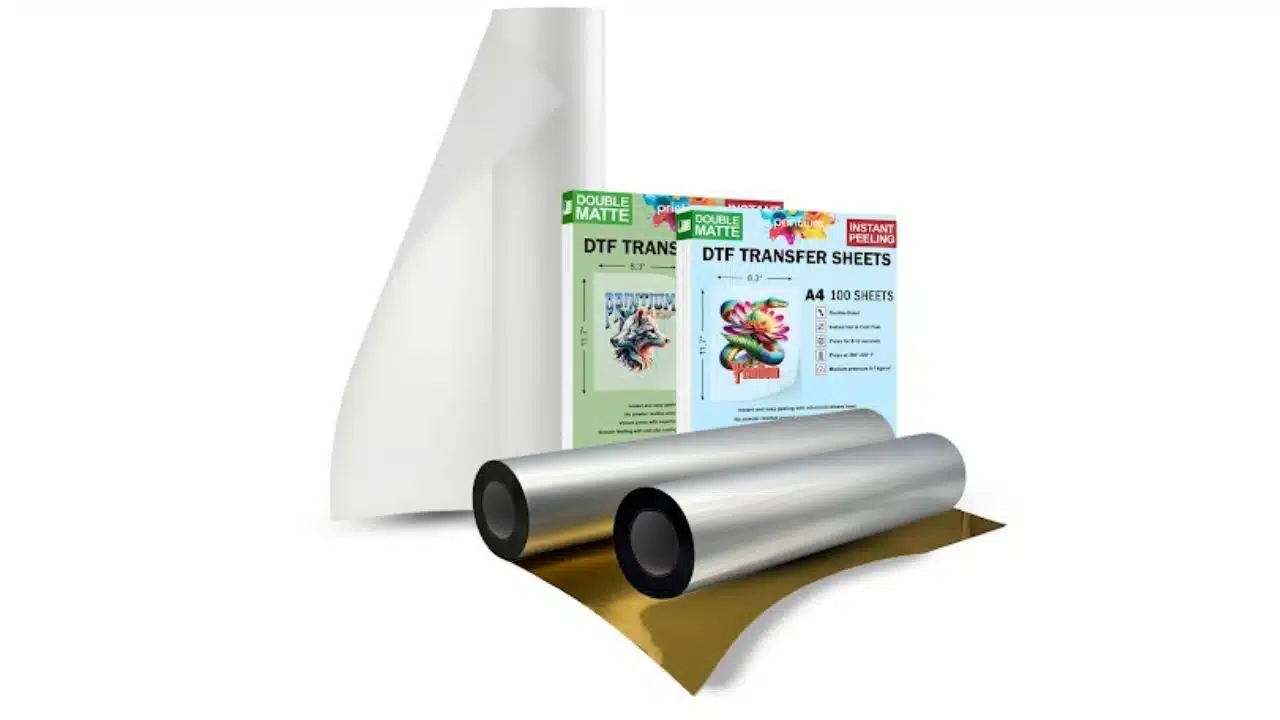
In any transfer-based workflow, the materials used play a decisive role in determining final output quality. The transfer film must support accurate color reproduction, clean release, and strong adhesion during the application process.
Using professional dtf film helps ensure stable performance across different surfaces and production conditions
High-quality transfer materials contribute to consistent results, reducing the likelihood of defects such as color distortion or peeling after washing.
Supporting Consistency and Scalability
Consistency is essential for professional printing operations. Businesses handling repeat orders or branded merchandise must ensure that every item meets the same quality standards. Transfer-based workflows supported by reliable materials help achieve this level of consistency.
DTF printing also supports scalability. As production volumes increase, workflows can be expanded without significant changes to existing equipment or processes. This makes DTF technology suitable for both growing businesses and established production facilities.
Integration Into Professional Workflows
One of the strengths of transfer-based printing technologies is their ability to integrate into existing workflows. Businesses can incorporate DTF printing alongside other production methods, creating hybrid systems that maximize efficiency.
By aligning design preparation, printing, curing, and heat application stages, production teams can build workflows that are repeatable and efficient. This integration supports long-term reliability and reduces operational disruptions.
Enhancing Creative Capabilities
Beyond efficiency and consistency, DTF printing enhances creative capabilities. The ability to produce detailed graphics, vibrant colors, and layered designs allows businesses to expand their product offerings and explore new markets.
Creative flexibility is increasingly important as customers seek unique and personalized products. Transfer-based technologies provide the tools needed to meet these expectations without compromising production efficiency.
Long-Term Value for Printing Businesses
Adopting modern printing technologies is not just about immediate output; it is also an investment in long-term operational stability. Reliable workflows reduce waste, lower error rates, and improve customer satisfaction.
By selecting materials and processes that support durability and consistency, businesses can build production systems that scale sustainably and remain competitive over time.
Final Thoughts
Transfer-based printing technologies have become an integral part of modern professional workflows. By combining digital preparation with high-quality transfer materials, businesses can achieve reliable, scalable, and creative production outcomes.
As customization and efficiency continue to shape the printing industry, technologies such as DTF printing offer a practical path forward for businesses aiming to meet evolving demands while maintaining high standards of quality.