
You pay high bills for home internet, and you get slow speeds. You face surprise fees and dropped connections. T-Mobile ranks as the second largest wireless carrier in the United States.
It shakes up the broadband industry and offers a new option among internet providers. This post lists 10 Ways T-Mobile Is Disrupting Home Internet With Fixed Wireless in 2025.
Our guide cuts through the tech. It shows how T-Mobile home internet can power your house with a simple home gateway and 5G millimeter wave. This move can boost customer satisfaction.
You skip contracts, test your speed, and end hidden fees. You find tips to fix dropouts and boost your internet connection with a MiFi device, IoT gear, and green tech. Keep reading.
Key Takeaways
- T-Mobile, the second largest U.S. carrier, sells home internet in 2025 for $50/mo on autopay with no hidden fees, no overage, and no contract.
- A plug-and-play 5G gateway plus the T-Life app guides you to the best mmWave signal and lets you set up in under 10 minutes without a pro install.
- T-Mobile taps its national 5G cell sites for fixed wireless so rural homes get fast internet using a small router and an antenna booster.
- The service streams on 2.4 GHz and 5 GHz Wi-Fi bands, beats legacy wireless speeds, and cuts startup costs by using 5G towers instead of new fiber.
- The T-Life app tracks your data in real time, enforces clear fair-use rules, blocks surprise slowdowns, and gives you same-day support via chat or call.
Simple Plug-and-Play Setup
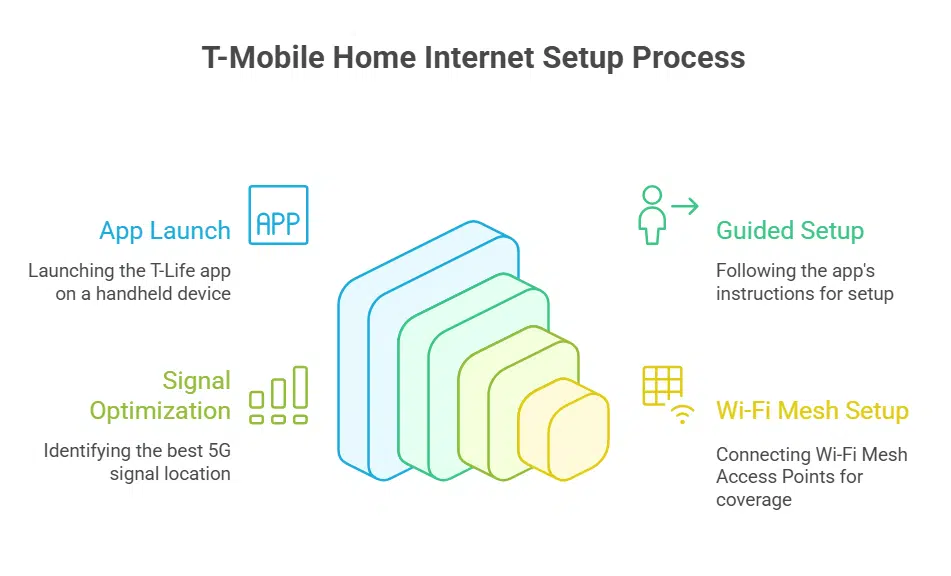
T-Mobile home internet service uses a plug-and-play gateway device. It needs no professional install. You plug it in and launch the T-Life app on any handheld gadget. The software guides you through setup in minutes, and it spots where a 5G signal flows best.
After the merger with Sprint’s mobile network, the wireless network beams strong fixed-wireless internet access inside homes. Wi-Fi Mesh Access Points hook up for broader Wi-Fi coverage.
Tutorials cover models like G4AR, G4SE, Arcadyan KVD21, Nokia 5G21 and Sagemcom. Swapping to a new gateway just needs moving the SIM card. This fuss-free install raises customer satisfaction in the broadband industry.
Affordable Pricing with No Hidden Fees
Home internet customers pay a flat monthly rate on autopay. Bills never include hidden taxes or fees. The plan skips contracts and overage charges. The t-mobile home internet plan rivals pricey wifi hotspot deals from verizon’s or sprint’s.
Mike Katz at fool.com calls it a game-changer. It shakes up the broadband industry. It boosts customer satisfaction and trims ISP profits.
Setup costs stay at zero with no pro install fees. Users plug in the router then surf. Skinny bundles stay optional extras. The billing portal shows every charge. That clear finance beats cable bills.
People use free cash on pizza night or a new game.
No Contracts or Long-Term Commitments
People hate lock-in agreements, they feel trapped. T-Mobile’s home internet drops all contracts and long-term commitments. You can cancel or switch at will, with zero early termination fees.
Overage fees play no part, they vanish from your bill.
Traditional ISPs still push multi-year pacts, they cling to old norms. T-Mobile shakes up the broadband industry, it shows service can be free of chains. Mike Katz counts every smile, customer satisfaction climbs.
New users see this freedom and pull the trigger, ditching sprint’s or verizon’s old ties.
Expanding Access to Underserved Rural Areas
Mike Katz pushes t-mobile home internet deep into silent counties. His team rigs a 5G gateway and sends fast data over wireless waves. Farmers in cornfields, ranchers in valleys, and small towns light up web cams, video calls, and streaming shows.
Rival networks like Sprint’s and Verizon’s left these spots blank, but a small dish and a smart modem bridge miles of dirt roads.
This change shakes up the broadband industry with a rebel spirit. Millions who faced a deep digital divide now get reliable home internet. A 5G router sits by the living room TV, plus a signal booster on the attic rafters.
Rural kids log into distant classrooms and pop open video games. Customer satisfaction grows with each click, as neighbors toast to faster speeds under wide open skies.
Leveraging 5G Infrastructure for Faster Connectivity
T-Mobile home internet uses its nationwide 5G mobile network to deliver service. Its advanced fixed wireless tech taps existing cell sites. It needs no new fiber or towers, which cuts cost vs sprint’s and verizon’s offerings.
Customers ride the fastest network in the country, per independent tests.
The gateway device sits in your home, linking to T-Mobile’s 5G cellular infrastructure. It streams data on both 2.4 GHz and 5 GHz Wi-Fi bands. You can move the home router near a window or add extra antennas to boost signal.
That setup delivers faster speeds than legacy wireless broadband and drives customer satisfaction in the broadband industry. T-Mobile executive Mike Katz says this model slashes startup costs and cuts complexity for new users.
Improved Competition in the Broadband Market
Consumers win as fresh rivals shake the broadband industry. Mike Katz leads the launch of t-mobile home internet, using 5G for fixed wireless. Cable and DSL giants feel real heat, as sprint’s old footprint shifts gear.
verizon’s and other ISPs tweak plans, and lower fees, to keep pace.
Home users plug in a small device, and see bars pop up right away. A smart antenna hunts towers, then beams data fast. This push lifts customer satisfaction, and gives choice in home internet services across crowded markets.
Folks chat about clearer calls and steady speeds.
Addressing Common ISP Complaints, Like Poor Customer Service
This home internet plan tackles top gripes in the broadband industry. Agents answer calls and chats fast, cut wait times, and halt hidden fees. Mike Katz leads a team. They post clear fixes inside the application and on r/tmobile subreddit.
Users share step by step tips for dropouts or slow speeds.
Customers report glitches by phone or via the tool and get same day help. The customer first approach cuts through red tape and stops hold loops. T-Mobile home internet runs contract free plans and honest rates to boost customer satisfaction.
Sprint’s and Verizon’s old support models struggle next to this method.
Energy-Efficient and Compact Hardware Solutions
T-Mobile home internet uses a Nokia cylinder with passive cooling to save power. It sits snug on a shelf, keeping signal strong and airflow clear. Putting it in a cramped closet can let heat build up and slow your signal.
Users enjoy one SSID on both 2.4 GHz and 5 GHz to manage devices with ease.
Mike Katz points out a small fan or a secondary device can keep gear cool. Plug-and-play setup trims energy use over old cable modems and equipment. That trick cut power use and boosted customer satisfaction in the broadband industry.
Enhanced Network Reliability with Advanced 5G Technology
Gateways may drop when they switch cell towers or bands. Fans of t-mobile home internet report random connection drops and frustration. Network upgrades and quick software updates can cause short, odd gaps in service.
DNS server issues on gateways leave devices stuck in a no internet limbo. Mike Katz tests DNS servers to fix no connection flags.
Optimal gateway placement boosts signal strength. Extra antennas can cut random dropouts. The T-Life app walks you through fixes step by step. Separate SSIDs on 2.4 and 5 GHz stops odd band switching.
Peers share hacks on forums to fight quirks. Support reps field calls to raise customer satisfaction. This drive shakes up the broadband industry by nudging sprint’s and verizon’s old setups.
Focus on Data Transparency and No Throttling Policies
T-Mobile home internet sets a clear road map, with no hidden fees, no surprise slowdowns. The plan spells out its fair use rules, so you dodge old sprint’s and verizon’s trick of throttling at dinner time.
Some users saw upstream speeds dip during peak hours, but Mike Katz and the support crew step in with help for congestion issues. They treat on-device data as highest priority, so your video calls and game streams stay solid.
The T-Life app shows your data tally in real time and nudges you before any soft cap hits on the Internet Lite plan. One reader moved his gateway closer to a window, and his upload speed jumped, faster than he expected.
T-Mobile shines in the broadband industry with total policy clarity and no throttling talk. This fresh path in home internet wins big on customer satisfaction.
Supporting Smart Homes and IoT Integration
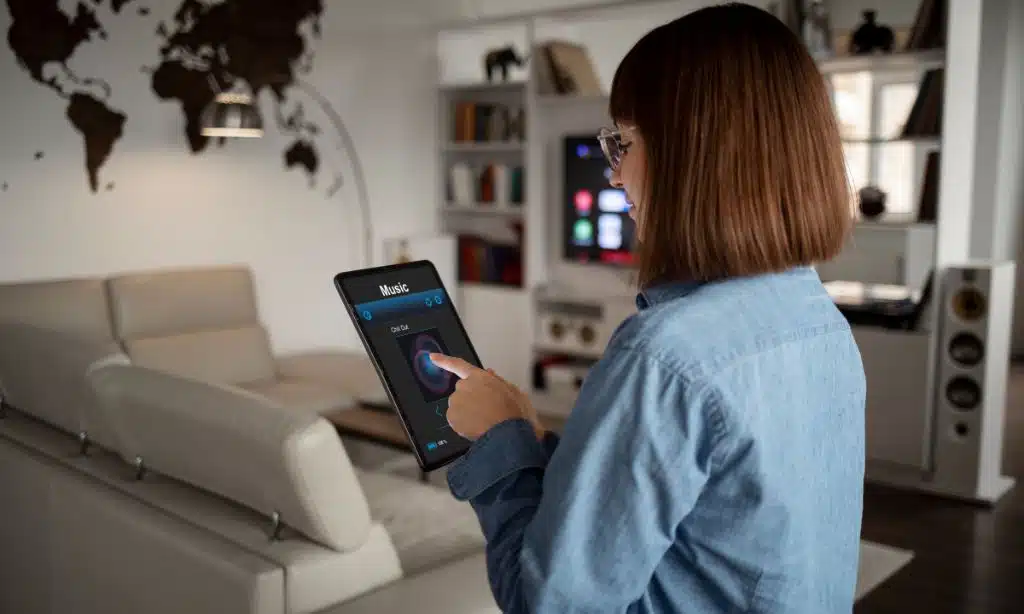
The t-mobile home internet gateway plugs in and blinks green. It shares 2.4 GHz and 5 GHz Wi-Fi. It adapts to cameras, locks, bulbs and speakers. You may split SSIDs for each band.
That boosts gadget performance. The system caps devices to prevent overload. It stops lag during video calls. Satellites, or range extenders, push signal into dead zones.
The T-Life app guides you to tweak Wi-Fi and fix hiccups. It logs errors and suggests steps for each gadget. You may chat with a chatbot or call a rep. Leaders like Mike Katz in the broadband industry praise the smooth blend of tech.
It feels like a breeze and lifts customer satisfaction over sprint’s or verizon’s service.
Prioritizing Customer-Centric Innovations
T-Mobile home internet uses a customer-first plan. Mike Katz highlights clear data on no hidden fees. It includes the T-Life app for easy troubleshooting. Online guides list step-by-step fixes.
Community forums on the r/tmobile subreddit help users swap tips. The team seeks feedback on speed tests and setup. This data drives new ideas fast.
Technicians update routers over the air. The model gives flexible upgrades without service calls. Customer satisfaction beats typical broadband industry ratings. T-Mobile cuts contracts from its fixed wireless plan.
Users rate support higher than sprint’s or verizon’s. They get monthly updates and simple policy texts. This focus speeds fixes and wows users.
Takeaway
Fixed wireless brings fast, plug and play internet to many homes. You get clear pricing, no contracts, and zero overage fees. Rural areas see new 5G signals, no more dead zones. Big cable firms feel real pressure to improve service.
Compact 5G routers cut power use, tie in IoT gadgets, and set clear data rules.
FAQs on T-Mobile Is Disrupting Home Internet With Fixed Wireless
1. How is t-mobile home internet different from other home internet services?
It uses fixed wireless to beam data from nearby towers. This t-mobile home internet skips cables, you plug the box and go online in minutes.
2. Can t-mobile home internet beat sprint’s and verizon’s networks?
Yes, it taps a robust 5G grid, so it can eclipse sprint’s patchy service and leave verizon’s slow spots in the dust. It even fills holes where cables fail.
3. What does mike katz say about customer satisfaction?
Mike Katz, head of t-mobile home internet, says customer satisfaction is sky high. He notes people love the quick setup and reliable speed. He jokes it feels like magic.
4. Will t-mobile home internet change the broadband industry?
Yes, t-mobile home internet shakes up the broadband industry, it forces old carriers to step up. It drives prices down and speeds fixes up. It makes everyone rewrite their playbook.