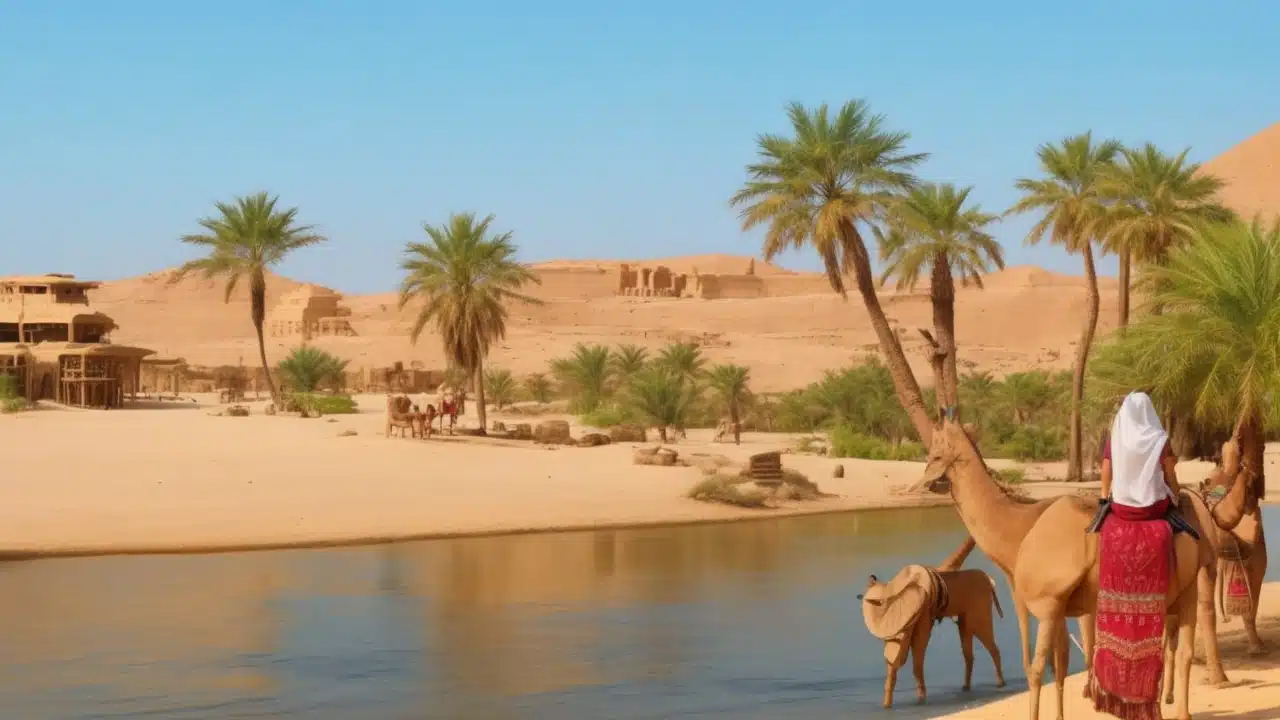
Egypt, a land steeped in history and mystique, has long captivated the imagination of travelers from around the world. With its iconic pyramids, ancient temples, and vibrant culture, the country’s historical and natural treasures are a testament to its rich heritage.
However, as the popularity of tourism in Egypt continues to grow, concerns over the impact of mass tourism on these precious sites have also risen. In response, a wave of sustainable tourism initiatives is sweeping across the country, aimed at safeguarding Egypt’s treasures for future generations. These conservation efforts and responsible tourism practices are not only preserving the past but also ensuring that Egypt’s legacy endures for years to come. Here is a look at all the initiatives that are ensuring the longevity of the country’s many reassures, ensuring that future generations can visit Egypt for centuries to come.
A Counteracting the Impact of Mass Tourism
The allure of Egypt’s historical wonders is undeniable, drawing millions of visitors each year. The Great Pyramids of Giza, the Sphinx, Luxor’s temples, and the intricate tombs of the Valley of the Kings have become iconic symbols of ancient civilization. However, the sheer number of visitors, coupled with inadequate infrastructure and unsustainable practices, has raised concerns about the long-term preservation of these sites.
Restoring and Preserving Ancient Sites
To address the threats posed by mass tourism, numerous restoration and preservation projects have been launched across Egypt. The Ministry of Antiquities has been actively collaborating with international organizations, such as UNESCO, to restore and protect historical sites. The completion of the Grand Egyptian Museum, set to open in Giza, will provide state-of-the-art facilities for the conservation and display of Egypt’s priceless artifacts. This museum is not only a showcase of the country’s heritage but also a testament to Egypt’s commitment to preserving its treasures.
Limiting Access and Sustainable Visitor Management
Many sites have implemented measures to control visitor numbers and ensure a sustainable flow of tourists. The Valley of the Kings, for example, limits the number of visitors entering certain tombs to prevent overcrowding and minimize wear and tear. The introduction of time slots and ticket quotas helps distribute visitor traffic throughout the day. These measures not only protect the integrity of the sites but also enhance the quality of the visitor experience.
Eco-Friendly Transportation and Infrastructure
As part of the sustainability drive, efforts are being made to promote eco-friendly transportation options for tourists and locals. There are several projects underway that are aimed at improving public transportation but also introducing alternative methods. The Cairo metro is undergoing extensive reparations and monorails are also being introduced. The government is also working on green roads that will help offset carbon emissions and divert centralized traffic in the city.
Empowering Local Communities and Sustainable Practices
Sustainable tourism initiatives extend beyond the preservation of historical sites; they also empower local communities and promote responsible practices that benefit both residents and visitors.
Community Involvement and Cultural Preservation
Engaging local communities in the preservation and management of cultural heritage is crucial for the long-term success of sustainable tourism. Many projects involve local artisans and craftsmen in restoration efforts, creating a sense of ownership and pride in the sites. By supporting community-based initiatives, tourists not only contribute to the preservation of heritage but also gain insight into the authentic traditions and way of life of Egypt’s people. Bedoine-based tourism projects are the most popular way to connect tourists with local communities and traditions.
Supporting Sustainable Livelihoods
Sustainable tourism initiatives aim to create economic opportunities for local communities that are both environmentally and socially responsible. By promoting traditional crafts, local cuisine, and cultural experiences, tourists can contribute to the economic well-being of the regions they visit. From purchasing handmade souvenirs to participating in workshops, these actions help sustain livelihoods and ensure that local communities benefit from tourism in a meaningful way.
Eco-Friendly Accommodations and Responsible Tourism
The hospitality industry in Egypt is also embracing sustainability. Eco-friendly accommodations and resorts are implementing energy-efficient practices, waste reduction measures, and responsible sourcing of materials. These establishments offer visitors the chance to experience luxury while minimizing their ecological footprint, aligning with the principles of responsible tourism.
As the world continues to explore the wonders of Egypt, the importance of sustainable tourism becomes ever more apparent. By implementing responsible practices, limiting the impact of mass tourism, and engaging with local communities, Egypt is taking significant strides toward preserving its heritage for future generations.
The efforts being made today will ensure that the Great Pyramids, ancient temples, and cultural richness of Egypt remain intact, allowing travelers to not only marvel at the past but also become stewards of its legacy. As Egypt’s treasures endure, so too does the commitment to sustainable travel that protects and cherishes the country’s unparalleled heritage.