We all reach for our sunglasses on bright days. But many cheap shades let uv rays slip through. That can lead to cataracts and photokeratitis.
A quality pair of shades can block up to 100% of uv radiation, like sunscreen for your eyes. In this post we share Sunglasses That Are Actually Good for Your Eye Health, from polarized sunglasses to wraparound sunglasses, plus photochromic lenses to fit all needs.
Keep reading.
Key Takeaways
- Sunglasses with a UV400 label block 95–100% of UVA and UVB rays. Oakley Flak 2.0 XL, Ray-Ban Aviator Large Metal, and Kate Spade Raglan G S meet 100% UV protection and FDA impact-resistance.
- Polarized lenses stop glare on roads and water to ease eye strain and show true colors. Always pick polarized versions with 100% UV labels and store them in a hard case.
- Wraparound frames curve near your temples to block side UV rays from eyes and nearby skin. The American Academy of Ophthalmology recommends wraparounds for full coverage.
- Photochromic lenses darken in bright UV light and clear indoors. Polycarbonate versions block all UVA/UVB rays and often add anti-reflective or mirror coatings for extra glare defense.
- Polycarbonate lenses meet FDA impact tests, resist strong hits, and weigh less than glass. Oversized and mirror-coated styles give extra coverage for activities like skiing, sailing, or hiking.
Sunglasses with 100% UV Protection
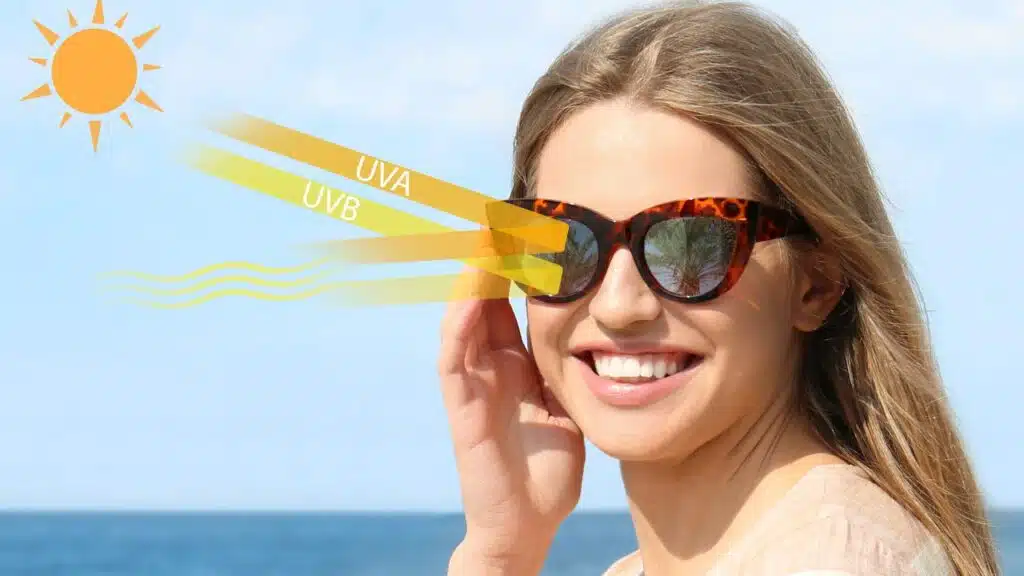
Sunglasses with UV400 labels block 95 to 100 percent of ultraviolet (UV) light, they protect eyes from UVA and UVB rays. These lenses use a clear coating that stops ultraviolet light from reaching your retina, this barrier lowers the risk of cataracts and macular degeneration.
A photometer, a form of light meter at some retail shops or eye clinics, helps you check the UV protection. Polycarbonate lenses already shield you from UVB radiation, while glass or plastic lenses need a special UV protection coating.
Oakley Flak 2.0 XL, Ray-Ban Aviator Large Metal and Kate Spade Raglan G S meet 100 percent protection against UVA and UVB, they offer strong eye protection in bright sun exposure. FDA impact-resistance standards cover these frames, they guard your eyes from debris on sunny days.
Each pair also lowers glare, and cuts snow blindness on reflective surfaces.
Polarized Sunglasses for Glare Reduction
Glare-blocking glasses cut glare off flat roads and water surfaces. Polarization filters stop bright reflections that cause eye strain, pterygium, or sunburned eyelids on lake and road trips.
Eye doctors at The Village Eye Care recommend them for driving and water sports since polarized lenses reveal natural colors and sharp details outdoors.
Check that sunglass lenses carry labels for 100 percent UV protection, covering UVA and UVB radiation. These glasses can hide smartphone or GPS screen images, so you might struggle to see maps outside.
Harsh chemicals, extreme heat, and deep scratches can erode the polarization layer, so store protective eyewear in a hard case.
Wraparound Frames for Maximum Coverage
Wide frames curve close around temples, blocking side rays of ultraviolet radiation. They trap UV-A and UV-B light, shielding both eyes and the skin next to them. Optical experts and ophthalmologists at the American Academy of Ophthalmology recommend wraparound styles over small eyeglasses to cut side UV exposure.
Children benefit from snug polycarbonate frames. These lightweight glasses still block stray rays at the sides. Lens filters in curved lenses keep glare low on roads, water, and snowy ground.
Photochromic Lenses for Versatile Protection
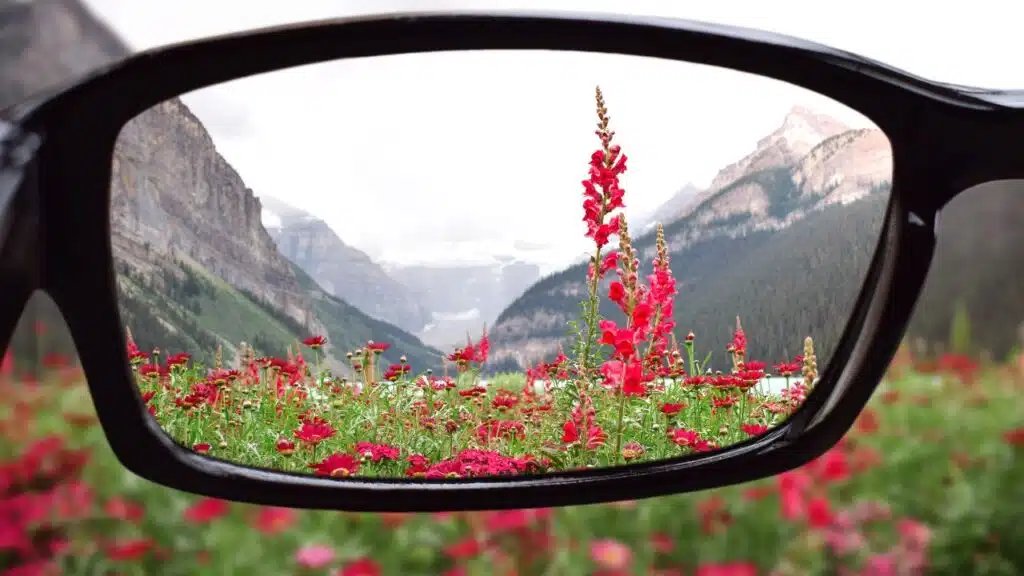
Photochromic lenses automatically darken in bright UV light. They clear up on grey, cloudy days or indoors. Transition lenses protect eyes from ultraviolet radiation and visible light without the hassle of swapping glasses.
Polycarbonate versions block all UVA and UVB rays when fully activated outdoors, and they resist impact better than normal plastic.
Some models add an anti-reflective coating, mirror finish and tinted sunglasses film to cut glare from headlights or tanning beds. Eyecarecenter sells these options for varied lifestyles, and they meet strict UV rays tests in eye exams.
People who wear contacts stay protected too with this all-in-one design.
Tinted Sunglasses for Specific Activities
Gray lenses cut glare and keep true colors. Brown tints boost contrast and depth, great for driving and hiking under ultraviolet radiation. Green lenses sharpen details and ease eye strain in bright light.
Blue or purple shades help anglers and water sports fans spot fish under glare. Match the tint to the task for best eyes protection, using colorimetry data and an optical meter.
Darker shades ease eye comfort, but they do not add protection from UV rays. Labels should show 100% UV protection from ultraviolet radiation and ultraviolet rays. Strong UV guards also help reduce pinguecula and skin cancers around eyelids.
Opticians use a light meter to test blocking of UVA radiation and UVB rays. Ray-ban aviators offer classic style and complete UV defense in gray or brown. Pick tinted glasses that fit your activity and block harmful rays.
Gradient Lenses for Style and Comfort
Gradient lenses have a darker tint at the top, a lighter shade at the bottom. They shield eyes from ultraviolet (uv) radiation, yet let you read the car’s dashboard with ease.
Many designer sunglasses, like Kate Spade Raglan/G/S, combine gradient filters with anti-reflective coating; they mix style with eye health. You can pick bold colours like amber, rose, or teal to match your mood.
These lenses add comfort in sun and shade during bright drives.
Mirror Coated Lenses for Extra Glare Defense
Mirror coatings deflect excess light, making lenses ideal for coastal outings or snowfields. Coatings reflect more sunlight away from eyes. They suit alpine skiing, sailing, rock climbing in bright sun.
You can find them on polycarbonate, glass, or plastic lenses. Always check the label for 100% UV protection. Eyecarecenter models add polarization with mirror coatings for full glare defense.
These sunglasses often include scratch-resistant and anti-reflective treatments. They cut glare and help ease eye strain under intense sunlight. They do not block blue light from screens so you may still need a different pair for digital use.
Wear them over contact lenses to guard against glare while you drive or hike.
Blue-Blocking Sunglasses for Digital Eye Strain
Blue light sunglasses cut glare and ease eye strain during long browsing sessions. These frames work like a browser filter without targeting cookies, adverts, or targeted advertising.
They guard eyes on the internet, and they keep privacy and personalisation settings intact.
Indoor screen light does not cause real eye damage, but it can bring headaches after hours of use. FL-41 tinted lenses lower light sensitivity and can help migraine sufferers. You can find oversized sunglasses with blue light filter lenses and extra coverage for those with visual disabilities.
Ask an eye doctor before you wear these lenses, since they may alter color perception or not suit all situations.
Impact-Resistant Sunglasses for Durability

Polycarbonate lenses resist strong hits and deliver UV protection in one, they weigh less than glass and last longer. All models sold in the US meet FDA impact resistance standards, so you can wear them during fast sports or outdoor work without worry.
Kids get full coverage from these lenses thanks to their toss-proof design. Nike built the EV1110 Rabid M to fit active lives with tough frames and lenses that won’t crack.
Scratch resistant coatings add another layer of defense on top of the lens surface. Factories now use artificial intelligence systems to catch any tiny crack before glasses leave the line.
Blind people who have some residual vision find these frames helpful for safe outdoor moves. People with lighter skin and melanoma survivors lean on these lenses to block UV rays. Doctors suggest wearing them even during a solar eclipse moment to shield fragile sight.
Oversized Sunglasses for Enhanced Sun Shielding
Oversized sunglasses cover a larger area around the eyes and upper cheeks. They protect delicate skin from UV exposure, lowering skin cancer risk. People with chronic eye conditions gain constant shading all day.
Wraparound curves and wide shapes block side UV rays too. Design size determines comfort, fit and coverage in intense light. Wearers use a sizing guide to find the right fit for head shape.
A metal aviator style frame blends fashion with 100 percent UV filter power. Lenses block glare from water, snow, and sand surfaces. Temples with gripped ends keep frames from slipping during activity.
Users can test lens effectiveness using a UV meter tool from optical shops. Medical experts recommend these large styles for people needing full sun defense.
Takeaways
Your eyes need solid UV shields for summer glare. Polarized sunglasses cut bright spots on roads or water. Photochromic lenses adapt when light levels shift. Blue-blocking sunglasses ease screen strain.
A UV meter can test lens strength. Wear shades daily for healthy vision.
FAQs
1. What features make sunglasses good for eye health?
Look for strong UV protection, lenses that cut glare, a wrap fit around your face, and a sturdy frame. They all work to keep your eyes safe.
2. How does UV protection in sunglasses protect my eyes?
UV rays can harm your eye surface, lens, and retina. Sunglasses with lenses rated for high UV protection block those rays. This helps you avoid long term eye harm.
3. Are polarized lenses better for eye health than tinted lenses?
Polarized lenses cut glare from roads, water, and snow, so you can see better. They ease eye strain in bright light.
4. How can I pick the best pair from the top 12 sunglasses for eye health?
Check for lenses with high UV protection, and look for a scratch resistant coating. Make sure the frame fits well. Pick a lens color that suits the light you face. This helps you choose a pair that works best for your eye health.