You may feel stuck asking for a loan with a shaky credit score. A secured loan asks you to pledge collateral like a vehicle to get lower interest rates. We walk you through both loan types, use Bankrate’s financial calculators, and compare borrowing limits, repayment terms, and risk factors to help you decide.
You might find the loan you need right here.
Key Takeaways
- Secured loans ask for collateral like a car or house. They offer 4–15% APR, run up to 30 years, and let borrowers with FICO scores near 500 qualify. Lenders may fund 50–100% of asset value but can seize it if you default.
- Unsecured loans ask no collateral. They cap at $100 000, run 3 months to 10 years, and can hit 30% APR. You can get funds in as few as 24 hours, but lenders often want FICO 680+ and a personal guarantee.
- Secured loans cut rates about 2 points below unsecured and ease credit checks. They let you fund big projects or consolidate credit-card debt at a lower cost. Unsecured loans fund faster with less paperwork but carry higher fees and tougher credit rules.
- Use Bankrate’s loan calculators to compare APR, loan size, repayment terms, and risk. Check your FICO score, debt-to-income ratio, and available assets, then pick the best option for your budget.
What Are Secured Capital Loans?
Secured capital loans provide financing and ask for collateral, such as business equipment, real estate, vehicles, accounts receivable, or inventory. Lenders hold claim on a house loan, car loan, or property line of credit.
These loans offer low interest rates and high borrowing limits. Loan terms can last up to thirty years. Borrowers with low credit score or thin history often qualify. Lenders set amounts at fifty to one hundred percent of asset value.
These deals may require less revenue than unsecured debt.
Lenders can seize collateral if you default on payments. Many use these funds as business capital to buy gear or cover bills. These loans link to your equity, so they carry more weight than a plain loan.
Compare cost and term details before you sign any papers.
What Are Unsecured Capital Loans?

Small companies can tap unsecured financing to fund new projects. These business loans skip collateral, but lenders often demand a personal guarantee, so founders risk their own assets.
Approval hinges on creditworthiness, with lenders weighing credit score and cash flow. Borrowing limits usually range from $1,000 to $100,000. Expect interest rates that run higher than on secured options.
Term loans, revolving credit lines, POS funding and bill factoring make up common loan types. You also find cash advances at sales terminals and fixed installment plans with no asset tie.
Repayment terms run from three months up to ten years, with set monthly payments. Medical bills, credit cards and installment contracts all serve as examples of unsecured debt.
Key Differences Between Secured and Unsecured Loans
Take a look at the main differences.
| Feature | Secured Loan | Unsecured Loan |
|---|---|---|
| Collateral |
|
|
| Credit Check |
|
|
| Interest Rate (APR) |
|
|
| Loan Size |
|
|
| Default Risk |
|
|
| Support Tools |
|
|
Pros of Secured Loans for Bad Credit Borrowers
Secured loans ask for collateral like a house or a car. Lenders may lower credit score bars.
- Collateral drives lower interest rates, often two points below unsecured options, so borrowers save money over time.
- Lenders allow high loan caps, as large as your collateral value, so you can fund bigger projects with more borrowing capacity.
- Cash from secured debt can clear pricey credit card balances, so you use debt consolidation to cut monthly bills.
- Creditworthiness standards ease with secured debt, and lenders may accept FICO scores near 500 plus steady revenue proof.
- Longer loan terms, up to 30 years, let you lower monthly payments, and you can use a loan calculator to map out repayment options.
Cons of Secured Loans for Bad Credit Borrowers
Bad credit borrowers face real danger with secured debt. Collateral demands can pile on hidden costs.
- A default can cost your house, car or savings under assetbacked financing.
- Slow approval emerges from the lengthy appraisal process, where lenders use valuation software.
- Paperwork demands proof of title and valid insurance on your collateral, verified by title examiner services.
- High fees can bite hard in origination and appraisal costs.
- Value limits cap your loan size and restrict your loan terms.
- Ongoing upkeep can drain your wallet through insurance and maintenance bills.
- Borrower restrictions often bar you from selling or renting your asset.
- Steep interest rates raise your financial risk and can spike your monthly bill.
- Missing a payment brings default risk, and lenders can seize your collateral without warning.
Pros of Unsecured Loans for Bad Credit Borrowers
Unsecured loans fit tight budgets. Banks and digital lenders approve them fast.
- Lenders grant funding without collateral. Skip asset checks.
- Quick approval sends funds in as few as 24 hours. Funds land fast.
- You can pick a fixed-rate loan or revolving credit line. Loan calculators help you compare options.
- Online apps ask few documents. You avoid long bank visits.
- Funds hold no strings. You may handle car fixes, rent, or a medical bill.
- A personal loan knocks out several cards at once. Debt consolidation can cut total interest.
- A risk assessment on creditworthiness sets your terms. You may score lower interest if you boost your FICO score.
Cons of Unsecured Loans for Bad Credit Borrowers
An unsecured loan feels like a gamble for anyone with a low credit score. Lenders guard against high risk with tough terms.
- Steep interest rates pack a risk premium that swells your unsecured debt.
- Financing comes with fees, like origination or late charges, that pile on costs.
- Borrowers hit tight caps, usually from $1,000 to $100,000 per loan.
- Personal guarantees make you liable with your house, car, or savings.
- Underwriting demands high credit scores and strong revenue, so new firms often lose out.
- Lenders fear default on loans without collateral, so they set tougher approval rules.
Impact of Credit Score on Loan Types
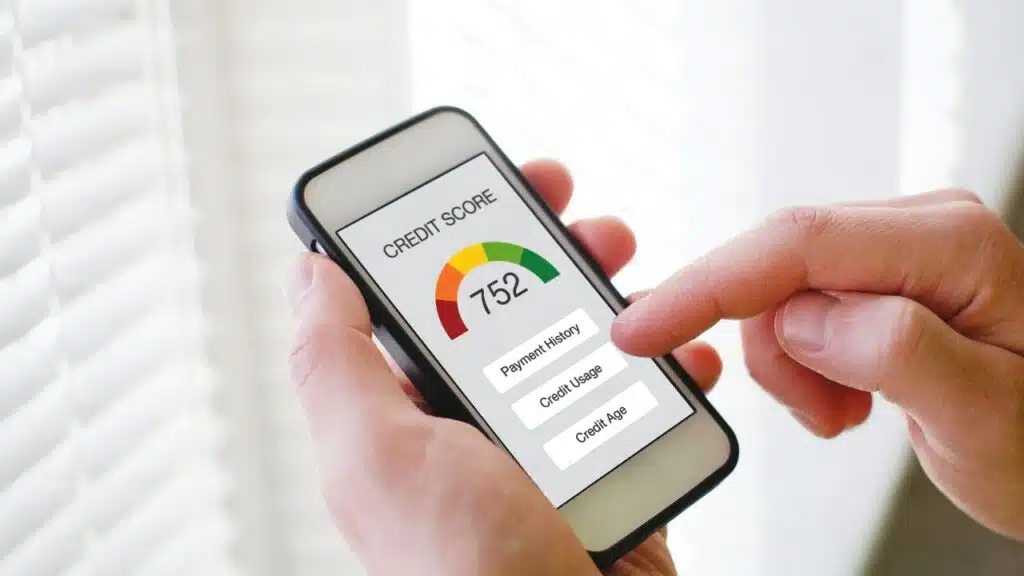
Credit scores shape loan approval for secured vs unsecured deals. Financial institutions use risk assessment to set interest rates and financing terms. They probe credit history, overall creditworthiness and debt levels.
A FICO credit score of 600 or more can open doors to secured loans. Conventional mortgages ask for at least 620, while FHA loans lower that requirement to 500. Unsecured loans face the highest hurdle, often requiring a 680 score for the best rates.
Lenders rely on credit reports and income data for unsecured financing. Borrowers with very low scores often turn to secured credit cards, tying up a cash deposit to rebuild credit.
Strategic use can nudge that score upward. Poor credit makes it tough to secure unsecured loans with favorable interest rates.
Collateral Requirements for Secured Loans
Lenders ask for assets worth at least the loan amount. They value property, business equipment, cars, boats, jewelry, unpaid bills, or stock. Underwriting teams check how much the collateral is worth and set a loan-to-value ratio from fifty to one hundred percent.
Borrowers must hand over title documents and proof of maintenance, like insurance papers. SBA 7(a) loans under fifty thousand dollars need no collateral, but those above five hundred thousand dollars require assets up to the full loan.
This asset-backed loan system cuts default risk and keeps secured financing safe for both sides.
Interest Rates: Secured vs. Unsecured Loans
Rates shift based on loan type and credit quality.
| Loan Type | APR Range | Core Concept | Tool |
|---|---|---|---|
| Secured Loans | 4%–15% | Collateral, Risk Premium | Loan Calculator |
| Unsecured Loans | Up to 30% | FICO Score, Default Risk | Credit Monitoring |
| U.S. T-bills | Around 4% | Government Debt | TreasuryDirect |
Repayment Terms: Which Is More Flexible?
Secured loans offer loan terms up to 30 years. These long terms cut monthly payments. Lenders can set schedules that shift dates or due amounts. You get more wiggle room. A mortgage is a classic example.
It may use a repayment chart to track each installment. Borrowers can plug numbers into a calculator tool to test repayment plans.
Unsecured loans run from 3 months to 10 years. They come with fixed monthly payments. You cannot change the pace without a fee or refinancing. A budget spreadsheet can show fixed costs.
Small business owners use it to plan. This strict plan suits those who prefer steady due dates.
Choosing the Best Option for Your Financial Situation
Ask your lender for your FICO Score. Use a DTI calculator to check your debt load. If your debt-to-income ratio sits under 40% and you lack assets, try an unsecured Personal Loans option for fast cash.
Folks with a FICO above 680 can win quick Loan Approval. Borrowers without that score can tap Business Financing with Collateral, to snag lower Interest Rates and bigger amounts.
Draft a Loan Application and gather a simple business plan or financial statements. Keep Debt Management top of mind, and tweak your Financial Planning to free up more income. Lenders scan your papers, your Credit Score, and your Collateral.
Present clean docs, and they will slice those rates even more.
Tips for Getting Approved for a Loan with Bad Credit
Bad credit can stall a loan application. You can still win approval with smart steps.
- Set up a separate business bank account and register for a tax ID to prove you run a legit firm.
- Collect at least one year of income records to meet standard lending criteria.
- Draft clear financial statements with details on how you plan to spend the funds.
- Identify and document collateral you can pledge, such as equipment, inventory, or real estate.
- Use a credit card backed by a deposit and pay each bill on time to raise your credit score.
- Consolidate high-interest debt under a secured loan to cut interest rates and aid debt management.
- Track your debt-to-income ratio and cut unneeded expenses or boost sales to keep it low.
- Check your credit report early, contest any mistakes, and build creditworthiness before you apply.
- Review your loan application form, fill every field accurately, and attach all required papers to speed approval.
Takeaways
This guide shows options even with low FICO marks. Secured loans ask for a home or car as security, so they charge low APR and let you borrow more. Unsecured loans skip your house or ride, but they hike APR and cut borrowing limits.
You can use Bankrate financial calculator to compare APR, borrowing options, and risk levels. You will pick the best path for your debt mix and budget.
FAQs
1. What are secured capital loans?
Secured capital loans need collateral, like a car or a house, and funders keep that item as backup. You often get lower interest rates, since you show skin in the game.
2. What are unsecured capital loans?
Unsecured capital loans require no item, so lenders look at your credit file and income. Rates run higher, and fees can climb fast.
3. How do secured vs. unsecured capital loans differ for bad credit borrowers?
With bad credit, secured loans give more wiggle room, you pledge something you own, and you may snag a better deal. Unsecured loans still cost sky-high fees, but you risk no personal stuff.
4. Which option works best for a bad credit borrower?
If you own an asset and can handle the risk, go secured to trim costs. If you’d rather keep your gear safe and sleep well, pick unsecured—but brace for steeper charges.