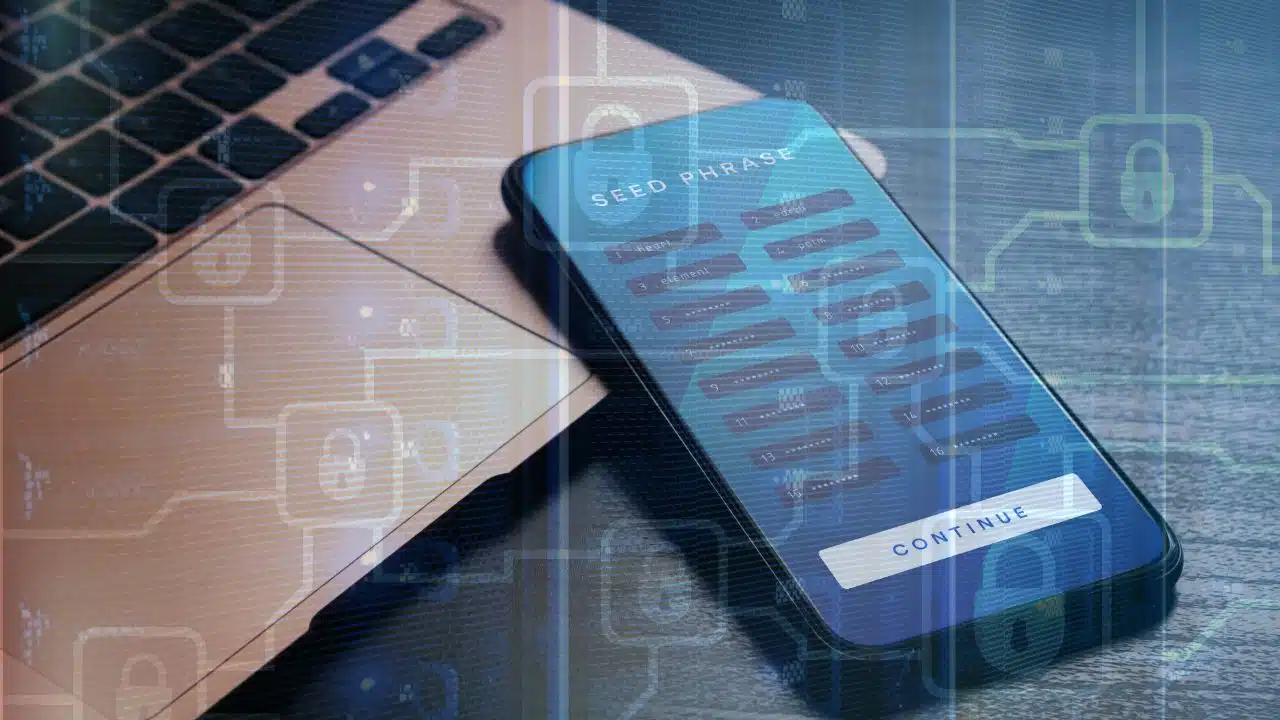
You may worry that someone will steal your seed phrase and drain your crypto wallet. Many people save their recovery phrase on a smartphone, in cloud storage, or as a photo. Those moves invite phishing attacks, viruses, and data breach, they feel like leaving the front door open.
They put private keys and crypto assets at risk.
A seed phrase has 12, 18, or 24 words, it acts as the master key to a cryptocurrency wallet and to recovery of private keys. This post lists seven clear ways to protect your recovery phrase.
You will learn about offline storage, metal backups, hardware wallets and cold wallets, adding a passphrase, safe places, and how to avoid risky cloud copies, email scams, and WhatsApp traps.
Read on.
Key Takeaways
- Seed phrases come in 12, 18, or 24 words; add a memorized passphrase as a 25th word to lock wallet access.
- Store seed phrases offline on paper or engraved steel, hide multiple backups in separate fireproof safes to protect private keys and crypto assets.
- Never save photos or cloud copies; Ledger’s 2020 breach exposed over 270,000 customers and highlights cloud storage risks.
- Never share your seed phrase; QuadrigaCX’s 2018 key custody failure and $190 million loss shows irreversible theft risk.
- Use hardware wallets (OneKey, Ledger Nano, Trezor), update firmware, enable 2FA, and keep most funds in cold wallets for long-term safety.
Store Your Seed Phrase Offline
Keep your recovery phrase offline, away from phones, PCs, and web services. Write your seed phrase on acid-free paper, use waterproof ink, or stamp it into steel as a durable backup.
This physical storage shields private keys and crypto assets from hacking, digital theft, and phishing attacks.
Make multiple offline backups, and hide them in separate secure locations to support disaster recovery. Never save your recovery phrase to email, cloud storage, or any online platform, and do not store copies on USB drives or mobile wallet apps.
Use a hardware wallet or cold wallet for signing, keep one device for day-to-day use, and lock the recovery phrase in a safe or steel backup.
Use Physical Security Measures, Such as a Safe or Steel Backup
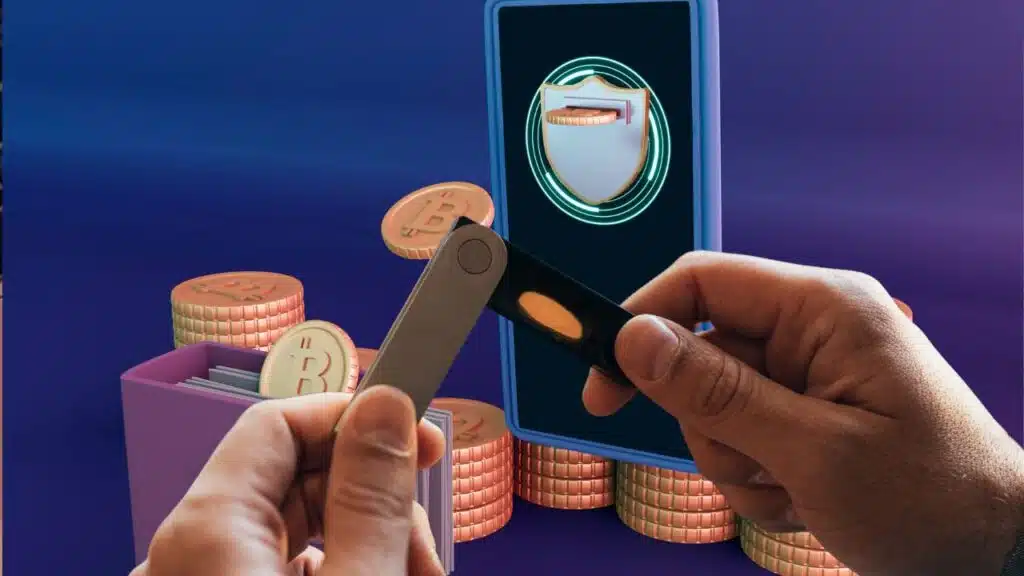
Store your recovery phrase or seed phrases offline, in a fireproof, waterproof safe or lockbox, to protect crypto assets and private keys. Engrave seed phrases into metal, a metal plate or tag survives heat and water far better than paper, like insurance for your crypto wallet.
Commercial metal backup solutions, such as stainless plates built for backup and recovery, add extra protection for a cold wallet or hardware wallet.
Place multiple physical backups in separate, secure locations, spread them across towns or states to cut single point of loss. Check the condition of each backup, inspect them periodically for legibility and integrity, and swap damaged copies.
Shred or burn any temporary printouts or notes after you make the primary backup, do not leave loose copies lying around. Select a durable marking tool, waterproof ink beats pencil for long term legibility of a recovery phrase, and tell a trusted family member or lawyer the general backup locations, give them no direct access, this helps heirs recover crypto wallet holdings without exposing private keys.
Enhance Security with a Passphrase
Add a passphrase as a 25th word to lock your seed phrase, it acts like a second password for your crypto wallet. That passphrase gives extra protection for private keys and the recovery phrase, it can stop access even if the base seed gets exposed.
Keep most crypto assets in wallets protected by a passphrase, move only small balances to wallets that rely solely on the base seed.
Hardware wallet OneKey supports passphrase integration, the mechanism works with BIP39 wallets and fits cold wallet, offline storage routines. Choose a strong, memorized passphrase, or back it up separately in a secure copy, do not write it next to your recovery phrase or on keyboards that might be logged.
Pair the passphrase with two-factor authentication and biometric authentication on exchanges or wallets, this lowers risk from phishing attacks, cookies, keyloggers, and other cyber threats.
Treat passphrases as best practice for long term crypto investments, include them in security audits for blockchain networks and third party services like Coinbase or other cryptocurrency exchanges to cut data loss and avoid MT.
GOX style failures.
Avoid Saving Your Seed Phrase on Digital Devices
Storing your seed phrase on a computer, phone, or tablet puts your private keys at risk to hacking, malware, and phishing attacks. Never save digital notes, screenshots, or email copies of your recovery phrase, cloud backups and email have been breached in major hacks.
Ledger’s 2020 data breach exposed personal information of over 270,000 customers, and attackers used that data to target seed phrases.
Hardware wallets like OneKey generate and store seed phrases offline, they cut digital exposure for cold wallet users. Physical-only storage protects the secrecy and integrity of your crypto assets and digital assets, think steel plates in a safe, not files on a device.
Digital compromise remains a leading cause of large-scale crypto theft and loss, so keep passwords and devices far from your recovery phrase.
Sharing a recovery phrase gives full control of your crypto assets to another person, it is like handing over your house keys. Phishing attacks, often impersonating support channels, trick users into sending seed phrases and emptying crypto wallets.
Support teams will never ask for your seed phrase, and irreversible theft usually follows any disclosure.
QuadrigaCX’s CEO was the sole custodian of private keys. His sudden death in 2018 led to loss of over $190 million in crypto. Do not hand a friend full access to your recovery phrase; only include it in a legal inheritance plan.
Use a cold wallet or hardware wallet like Ledger Nano or Trezor, and store the recovery phrase in offline storage inside a safe or steel backup, this protects your digital assets, your crypto investments, and helps spread crypto security through education.
Periodically Review and Update Your Security Practices
Check offline storage locations often. Inspect the physical condition of each copy, paper or metal backup, and test access to your seed phrase, recovery phrase, and private keys. Securely dispose of insecure or outdated copies, shred paper or melt damaged metal backups, no shrine needed.
Update your crypto wallet software, and update firmware on a hardware wallet to patch vulnerabilities. Enable two-factor authentication on all associated accounts, use a 2FA app or hardware token to block phishing attacks.
Stay informed about advances in backup solutions, cold wallet methods, and hardware wallet security. Proactive security reviews minimize the risk of operational errors and loss of crypto assets and digital assets.
Avoid Taking Photos or Storing Seed Phrases on the Cloud
Never take photos of your seed phrase, recovery phrase, or private keys. Images on phones or in cloud backup services can be hacked, stolen by malware, or grabbed in phishing attacks.
Cloud breaches and email leaks make digital copies a top target for cybercriminals. Storing keys on the cloud or in email remains a leading cause of seed compromise.
Human error, like accidental uploads or unwanted sharing, can wipe out your crypto assets. That quick photo feels handy, but it trades convenience for risk to your crypto investments and digital assets.
Use offline storage only, such as paper backups, steel plates, or a safe, kept with your crypto wallet, cold wallet, or hardware wallet. Keep split copies in separate secure places, never on phones, cloud backups, or email.
Takeaways
You now have seven practical ways to guard your seed phrase. Store copies offline, on paper or engraved metal, and in a hardware device that holds private keys. Add a passphrase, think of it as a 25th word that locks your recovery phrase.
Put backups in a fireproof safe, and spread them across different locations for safety. Do not save photos or cloud copies, phishing attacks prey on careless uploads. Check your setup often, delete insecure copies, and update weak storage methods.
Keep most crypto in separate wallets, and use a cold wallet for large amounts. This keeps private keys offline, and gives your digital assets a better shot at survival.
FAQs
1. What is a seed phrase, and why does it matter?
A seed phrase, also called a recovery phrase, is a set of words that opens your crypto wallet. It links to your private keys, and those keys control your crypto assets and digital assets. Lose the phrase, and you lose the wallet, plain and simple.
2. How should I store my seed phrase?
Write it down, and keep it offline, in safe places. Use a hardware wallet, or a cold wallet, for long term holding. Consider metal backups, and split copies, so one fire or theft does not wipe out all your backups.
3. How do I avoid phishing attacks?
Never type your seed phrase into a website or app, no matter how real it looks. Scammers copy pages, they send urgent emails, and they love to ask for private keys. Pause, check the URL, call the company if you must, and use your hardware wallet to sign, not your phrase.
4. What happens if I lose my recovery phrase?
If you lose the recovery phrase, you may lose access to your crypto assets and crypto investments. There is usually no one to call for help, no bank to restore your keys. I once lost a note, I cried, then I built a better backup, learn from that.
5. How can I protect my crypto wallet and its security long term?
Treat crypto security like locking a vault, and keep keys off the web. Use offline storage, use a hardware wallet, spread backups, and keep private keys separate. Watch for phishing attacks, audit your backups, and review holdings often, your digital assets will thank you.