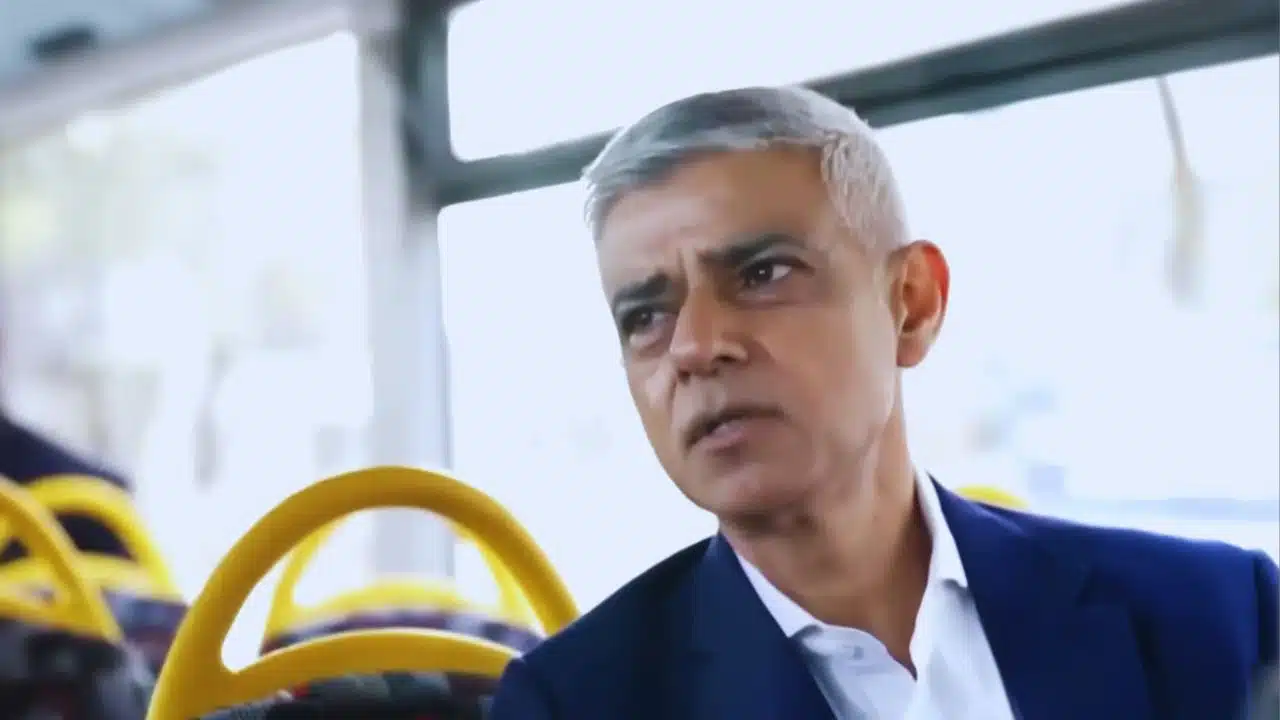
The political rivalry between London Mayor Sadiq Khan and former U.S. President Donald Trump reignited this week after Trump used part of his United Nations General Assembly address to attack Khan. Speaking before world leaders in New York, Trump branded Khan a “terrible, terrible mayor” and went further by claiming that London was moving toward adopting “Sharia law.”
Trump’s remarks quickly drew international attention, not only for their tone but also for their factual inaccuracy. In the U.K., British law applies across the country, and there is no legal framework for Sharia law to override national legislation. While some Sharia councils exist, they operate informally, advising within Muslim communities on personal matters such as marriage or inheritance, but they hold no legal authority. A 2018 government review confirmed this, dismissing the “Sharia takeover” narrative often circulated in far-right conspiracy theories.
Khan Hits Back: “Trump Is Racist and Islamophobic”
Responding the next day, Sadiq Khan delivered one of his sharpest rebukes yet. Speaking from the top deck of a London bus, he told reporters:
“Donald Trump has shown that he is racist, he is sexist, he is misogynistic, and he is Islamophobic.”
Khan argued that Trump’s obsession with him seemed rooted in prejudice. He added pointedly:
“People are wondering what it is about this Muslim mayor who leads a liberal, multicultural, progressive, successful city that means I appear to be living in Donald Trump’s head, rent-free.”
Khan’s comments went beyond personal insult. He positioned London as a global city thriving on diversity, pointing to record numbers of Americans choosing to move there in recent years — the highest since official records began. He noted that foreign investment, international education, and cultural influence remained strong under his leadership, challenging Trump’s portrayal of the city as unsafe or mismanaged.
A Feud That Dates Back to 2016
The exchange is not new. Khan and Trump have been engaged in a bitter war of words since Khan first became mayor in 2016.
- Travel Ban Dispute (2016–2017): Khan criticized Trump’s campaign promise — later implemented — to ban entry from several Muslim-majority countries. He warned that such policies stigmatized entire communities. Trump responded by calling Khan “nasty.”
- London Attacks (2017): After terrorist attacks in London, Trump accused Khan of downplaying the threat of terrorism, taking his words out of context. Khan condemned Trump’s misrepresentation and reassured Londoners of their safety.
- State Visit (2019): When Trump visited the U.K., protests filled London’s streets. Activists flew the famous “Trump baby blimp” over Parliament Square. Khan refused to retract his criticism, saying Britain should not “roll out the red carpet” for Trump.
This latest round shows the feud remains alive despite Trump no longer being president.
Political Reactions in the U.K.
Government Response
British Prime Minister Keir Starmer took a measured but firm stance. He called Trump’s suggestion that London wanted Sharia law “complete nonsense.” Starmer also defended Khan, saying he was “a very good man and a very good mayor.”
Other senior Labour politicians went further. Health Secretary Wes Streeting praised Khan’s leadership and accused Trump of inflaming racial and religious divisions.
Calls for Diplomatic Action
Some Labour MPs called for stronger measures. Rosena Allin-Khan, who now represents Khan’s former parliamentary constituency in south London, demanded that Britain summon the U.S. ambassador to formally protest Trump’s remarks. She argued that unchecked Islamophobic rhetoric from high-profile figures risked fueling hate crimes.
Labour Party’s Balancing Act
At the same time, Labour’s Pat McFadden, Secretary for Work and Pensions, avoided directly criticizing Trump. However, he stressed that “London is governed by British law, not Sharia law,” seeking to reassure both domestic and international audiences.
The U.S. Reaction
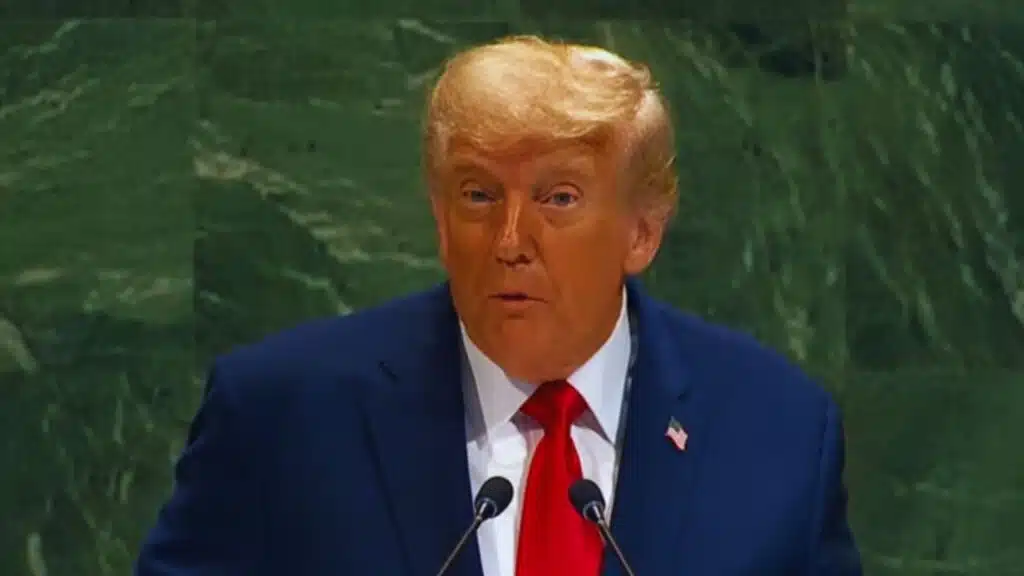
From Washington, Trump’s allies quickly defended him. Davis Ingle, a White House spokesman, dismissed Khan’s remarks, accusing the mayor of suffering from “Trump Derangement Syndrome.” He claimed Khan’s “open border” policies had worsened violent crime in London — a narrative often repeated in U.S. conservative media despite mixed evidence.
Why the Dispute Matters
The feud is more than personal insults. It touches on:
- Diplomatic Relations: Britain and the United States maintain what is often called a “special relationship,” marked by close economic, military, and cultural ties. Khan argued that true friendship means being honest, even when criticism is uncomfortable. “If you have a best friend, you should expect more from them,” he said.
- Identity and Representation: As the first Muslim mayor of a major Western capital, Khan’s leadership symbolizes London’s multicultural identity. Trump’s repeated focus on him taps into broader global debates on Islam, immigration, and diversity.
- Populist Rhetoric vs. Facts: Trump’s claim about Sharia law plays into conspiracy theories about “no-go zones” in European cities, narratives debunked by multiple studies and government reviews. The persistence of these claims shows how misinformation can shape political attacks.
Khan’s Record in London
Sadiq Khan, from Britain’s Labour Party, secured a third term as London mayor in 2024. His administration has focused on affordable housing, transport, and climate initiatives. While critics have accused him of failing to tackle knife crime effectively, Khan remains one of the most visible Labour leaders on the international stage. His identity as a practicing Muslim of Pakistani heritage continues to make him a target for far-right rhetoric, both in Britain and abroad.
As Trump remains a dominant figure in U.S. politics and Khan leads one of the world’s most influential cities, their feud is unlikely to fade soon. The latest clash shows how rhetoric at a global stage like the UN can spill into domestic politics, spark diplomatic headaches, and inflame cultural debates.
The controversy also raises questions about how Britain balances its alliance with the U.S. while resisting narratives that threaten its social cohesion. For Khan, the fight is both personal and political — a defense of London’s image, its multicultural values, and his own leadership.
The Information is Collected from NBC News and CNN.