Every business owner wants their brand to stand out in local markets. But, winning over your town or city is not as easy as it seems. Maybe you spend money on ads, yet the phone hardly rings, and foot traffic feels like tumbleweeds rolling by.
Here’s something interesting: Walmart earns almost $750 million each year just from selling locally grown produce. That means big players know how much people love buying local too.
In this post, you will see real stories of brands that rule their regional spaces and what tricks they use to stay ahead. Curious who is crushing it close to home? Keep reading!
What Makes a Brand Dominate Local Markets?
What makes a brand stand out in local markets? It’s all about connecting with the community. Brands that understand local tastes and needs win big. They become part of the neighborhood, not just another name on a storefront.
Understanding Hyper-Regional Strategies
Hyper-regional strategies focus on small, local areas instead of national ones. Brands like Wal-Mart show how this works big time, selling $749.6 million in “locally grown” produce every year.
Supervalu’s chains—Jewel-Osco, Albertsons, and Lucky—also scoop up local food to win shoppers’ trust and boost business visibility in their communities. Michelin-star chefs love this idea too; Noma in Denmark changed fine dining by using ingredients foraged from Danish forests or cheese from nearby farms.
India offers a tasty case study as regional and hyper-local cuisines become more popular each year. Culinary tourism helps these flavors travel far beyond state borders, thanks to smart marketing campaigns filled with geographic targeting and consumer insights.
Local agriculture has deep roots in places like South Korea as well—a country that moved from farm fields to high-tech cities over just 60 years. Strong regional engagement creates success factors for brand awareness here at home too; top local SEO firms help brands pop up first when someone searches online near them.
Local is the new global, says chef René Redzepi of Noma, proving even one field or forest can spur worldwide trends if you know your neighborhood well enough!
Leveraging Local Consumer Insights
Knowing what people want in each town helps brands win big. Wal-Mart makes a whopping $749.6 million a year just from “locally grown” produce, proving folks like homegrown carrots over faraway ones.
Supervalu, the parent of Jewel-Osco and Albertsons, buys food straight from nearby farms to meet local tastes head-on. In India, small businesses are booming because spicy snacks or sweets change state by state—regional flavors now grab all the attention.
Noma in Denmark changed fine dining forever; it forages wild herbs right outside its doors and works with nearby farmers only. South Korea transformed itself fast—from farming roots in the 1960s to buzzing city markets today—all thanks to tracking consumer trends closely and adapting products as needed along the way.
Local SEO firms help neighborhood bakeries or corner stores pop up higher on Google searches, so hungry shoppers find them first. Regional strategies use these insights so brands can serve exactly what their customers crave right where they live, not halfway across the country.
Key Strategies for Local Market Success

Key Strategies for Local Market Success can make a big difference! Brands need to target their audience right where they live. They should create ads that speak directly to local folks.
Personalized content helps grab attention and build loyalty.
Geo-Targeted Advertising
Geo-targeted advertising puts a brand in front of local buyers right where they live, work, or shop. Wal-Mart sells $749.6 million of “locally grown” produce every year by using smart location-based ads.
Supervalu stores like Jewel-Osco and Albertsons boost business by showing local food deals to nearby shoppers on their phones.
Local marketing leaders know exactly who they’re talking to because geo-targeting uses real places and habits. Brands push out special offers only to customers within set zip codes or neighborhoods, drawing people into nearby locations fast as a flash sale.
This approach builds quick trust and highintent leads since folks spot what is near them without hunting all over the web for answers. With strong geographic targeting, brands spend less but reach the right eyes—like catching fish with bait made just for your creek—not someone else’s river.
Localized Content Marketing
Localized content marketing speaks directly to local audiences. It uses words and themes that resonate with them. Brands should reflect the culture, traditions, and needs of their area.
For example, Wal-Mart sells $749.6 million of “locally grown” produce each year to appeal to shoppers who care about fresh food.
Supervalu buys local food for its stores like Jewel-Osco and Albertsons; this draws in community support while boosting sales. Also, chefs are creating regional cuisines that attract tourists.
They share flavors unique to places like India and Denmark’s Noma restaurant. These efforts build brand awareness and create a sense of belonging among consumers.
Think global, act local.
Optimizing Google My Business (GMB)
Localized content marketing helps brands connect with their audience. It builds trust and engagement. One vital tool in this effort is Google My Business (GMB). GMB boosts business visibility online.
It makes it easy for customers to find local services.
Claim your GMB listing if you haven’t already. Fill out every detail, like your address, phone number, and hours of operation. Adding photos showcases what you offer and attracts attention.
Responding to reviews also builds rapport with customers. Businesses can gain high-intent leads by optimizing their presence on platforms like GMB; Supervalu buys local food while Wal-Mart sells $749 million of “locally grown” produce yearly.
These actions help create a strong local brand image and engage consumers effectively.
Building Local Partnerships
Optimizing Google My Business helps a brand get noticed. Building strong local partnerships can take this a step further. Working with nearby businesses creates trust and connection in the community.
For example, Wal-Mart sells $749.6 million of locally grown produce each year. They source from regional farms to boost local economies.
Local food brings people together and supports small business growth. Supervalu, which owns Jewel-Osco, Albertsons, and Lucky chains, buys food from local farmers; this shows how regional links matter.
These ties create shared benefits for all involved in the partnership. As brands work closely with their communities, they build brand awareness and make lasting impacts on local markets.
Personalizing Offers for Local Audiences
Personalizing offers helps brands connect with local audiences. This approach makes consumers feel valued and understood. For example, Wal-Mart sells $749.6 million of locally grown produce each year to meet local preferences.
Supervalu supports local food systems by buying from nearby farmers.
Such strategies boost brand awareness and customer loyalty. Local flavors are rising in popularity too. Unique regional cuisines attract more diners and shoppers alike. Focusing on community needs can lead to success in hyper-local markets.
Utilizing Geofencing and Beacon Technology
Building on personalized offers for local audiences, geofencing and beacon technology take things further. Geofencing uses GPS or RFID to create a virtual boundary. When someone enters this area, businesses can send targeted ads right to their phones.
This makes marketing more direct and effective.
Beacons are small devices that connect via Bluetooth. They send alerts to smartphones nearby. This helps brands engage customers in real time as they shop or explore local areas. For example, Wal-Mart sells $749.6 million of locally grown produce annually because it connects with the community’s needs using modern tech tools like these.
Hyper-local strategies gain more traction when brands utilize these technologies; they can keep customers informed about local offerings and events while increasing brand awareness effectively.
Success Stories of Hyper-Regional Brands
Local brands have found ways to shine brightly in their own neighborhoods. They connect deeply with their communities and cater to local tastes. You’ll see how varied approaches help these businesses thrive right where they are planted!
Case Study #1: Kalyan Jewelers
Kalyan Jewelers is a major player in the jewelry market. They focus on local tastes and preferences. This strategy helps them connect with customers in various regions. Kalyan sells gold, diamonds, and other jewelry that appeals to local buyers.
The brand uses regional advertising to catch attention. Their ads highlight local culture and traditions. Kalyan Jewelers has stores all over India, showing their commitment to community engagement.
Customers appreciate this personal touch. In fact, they have seen impressive growth by adapting to what local shoppers want.
Case Study #2: Bridgestone
Bridgestone found success in local markets by focusing on community needs. They prioritize regional engagement through customized products and services. Bridgestone creates tires that fit the unique driving conditions of each area, boosting consumer trust.
Their efforts also support small businesses and local economies. By investing locally, they help to create jobs and enhance community growth. These strategies ensure better brand awareness and customer loyalty.
Bridgestone’s approach shows how important it is to connect with local consumers directly.
Case Study #3: Schneider Electric
Transitioning from Bridgestone, let’s look at Schneider Electric. This company focuses on energy management and automation. They aim to make energy safe, reliable, and efficient for everyone.
Schneider Electric uses local strategies to connect with customers. Their efforts help them understand what people need in different regions. The brand is known for its smart technologies that save energy while improving efficiency.
By adapting their products to local markets, they have become a strong player in many areas around the globe.
Case Study #4: VLCC
VLCC has made a big impact in local markets. This brand focuses on wellness and beauty services. They offer treatments that cater to local needs. VLCC knows the importance of understanding its customers.
They use local consumer insights to shape their services.
In India, regional and hyper-local cuisines are growing fast. VLCC taps into this trend by offering locally inspired health programs. Their success comes from connecting with the community.
Customers see them as more than just a service provider; they feel like part of a family working toward better health together. As they continue to grow, they show how vital it is to adapt offerings for regional tastes and trends.
The next section explores important lessons from these success stories.
Case Study #5: Grohe
Grohe is a brand known for bathroom and kitchen fixtures. They focus on quality and design. Grohe uses local insights to create products that fit regional tastes. They also leverage technology to enhance customer experience.
This helps them stand out in local markets.
Grohe’s success shows the power of understanding local needs and preferences. Their attention to detail resonates with customers, leading to strong brand loyalty. The company has become a leader by staying connected to its audience, ensuring they meet their expectations well.
Next up we’ll look at another successful case study: Mahindra Tractor.
Case Study #6: Mahindra Tractor
Mahindra Tractor is a leader in the farming equipment market. This brand understands local needs well. They offer tractors suitable for Indian fields, adapting to what farmers require.
Mahindra sells many models that fit different farm sizes and tasks.
This company has worked hard to build trust with farmers. Their products are known for reliability and performance. Mahindra also supports local economies by creating jobs and boosting agricultural growth.
As a result, their sales reflect strong consumer loyalty in regional markets.
Case Study #7: Domino’s
Continuing from Mahindra Tractor, Domino’s is another strong player in local markets. They focus heavily on delivery services. This strategy helps them reach customers quickly. People love pizza, and Domino’s makes it easy to order online or through an app.
In India, they adapt to local tastes by offering unique flavors. Regional food trends are growing fast there. Domino’s uses local ingredients too, enhancing their menu with popular items that locals enjoy.
Their success comes from understanding what each community wants and delivering it right at their doorsteps!
Case Study #8: Gulf Oil
Gulf Oil shines in local markets by tapping into community needs. They focus on strong relationships with customers and suppliers. Gulf Oil promotes its brand through local partnerships and events.
They leverage geographic targeting to reach nearby consumers effectively. This helps build brand awareness in specific areas. Their strategy fits well with rising local food trends, similar to the success of Michelin-starred chefs promoting regional flavors.
By understanding consumer insights, Gulf Oil connects better with customers. They adapt their offerings to meet local preferences, driving growth and loyalty within communities.
Case Study #9: Natural Ice Cream
Continuing from Gulf Oil, Natural Ice Cream has carved its niche in the local market. This brand stands out for its focus on regional flavors and ingredients. It sources fresh produce from local farms.
This practice helps connect with communities.
Natural Ice Cream reflects trends in Indian cuisine as it champions hyper-local dining. The rise of such brands indicates a shift using locally sourced products. People desire authentic tastes tied to their roots.
With this approach, Natural Ice Cream fosters strong customer loyalty and boosts brand awareness within its markets.
Case Study #10: Aurelia
Natural Ice Cream shows how a brand can thrive locally. Now, Aurelia also follows this path. Aurelia is a fashion brand known for its ethnic wear. They focus on local tastes and cultural styles to attract customers.
Aurelia connects with the community through its designs. The brand uses regional colors and patterns that resonate with buyers. It adjusts its marketing strategies based on local insights, making it more relatable.
Customers feel understood when they see clothes that reflect their culture. By engaging with locals, Aurelia creates strong bonds in the market while increasing brand awareness at the same time.
Lessons From These Success Stories
These brands show the power of knowing your local audience. Their success comes from using smart tech and staying consistent in all their locations.
Adapting to Local Preferences
Adapting to local preferences is key for businesses. Wal-Mart sells $749.6 million of “locally grown” produce each year. This shows that people like fresh, local food. Supervalu also buys local food for its stores like Jewel-Osco and Albertsons.
These companies know that locals want products they can trust.
In India, regional cuisines are growing in popularity. Chefs are mixing local flavors with global trends. For example, Noma in Denmark sources ingredients from nearby farms and forests.
This focus on local goods builds strong ties between businesses and communities, helping them thrive together.
The Role of Technology in Hyperlocal Strategies
Technology plays a big role in hyperlocal strategies. Brands use tools to reach local customers effectively. For example, geo-targeting helps businesses send ads to nearby shoppers.
This makes marketing more focused and personal.
Tools like Google My Business can boost visibility for local stores. These platforms help customers find relevant information quickly. Companies also use analytics to understand consumer trends better.
They learn what people want and adapt their offers accordingly, ensuring strong connections with their communities. Local entrepreneurship thrives as tech breaks down barriers between stores and shoppers, fostering growth in niche markets across regions, from the fields of South Korea’s economy to Michelin-starred meals inspired by local ingredients at Noma in Denmark.
Ensuring Consistency Across Multiple Locations
Consistency builds trust. Brands that operate in many places must show the same message everywhere. For example, Kalyan Jewelers provides the same gold quality and service across all its stores.
Customers know what to expect, whether they’re in Delhi or Chennai.
Technology helps keep this consistency. It ensures that promotions and offers match across locations. Local partnerships also play a role; they help brands maintain their image while adapting to local tastes.
This balance keeps customers happy and encourages loyalty across different regions, strengthening brand awareness further.
The Role of Hyperlocal Marketing Tools
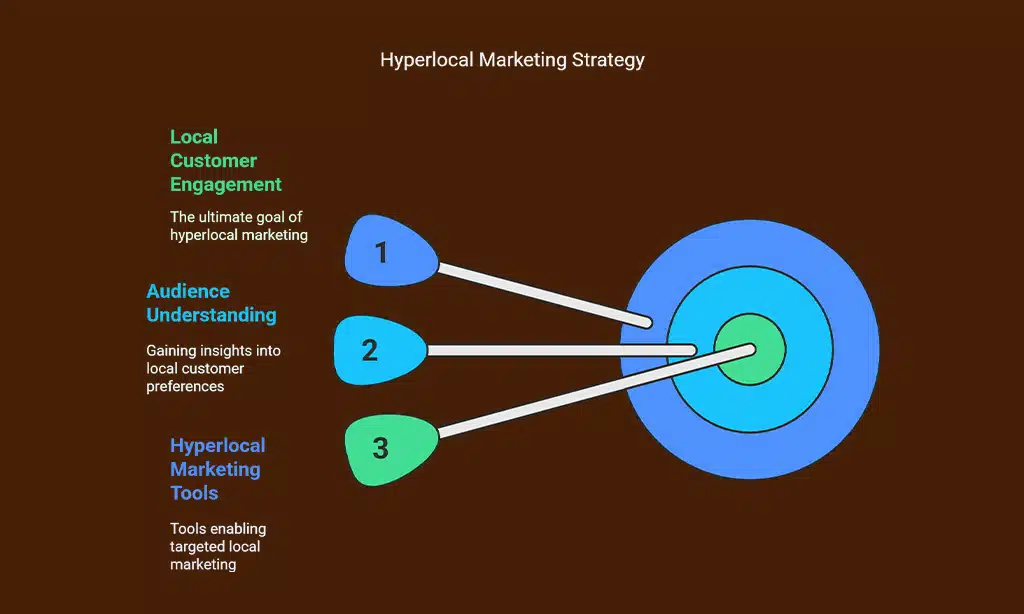
Hyperlocal marketing tools play a big role in reaching local customers. They help businesses understand their market better and find the right audience quickly.
Importance of Analytics in Targeting Local Audiences
Analytics matter for targeting local audiences. They help brands understand what people want. For example, Wal-Mart sells a lot of “locally grown” food every year. That number reaches $749.6 million! This shows that knowing local tastes can drive sales.
Using data from local consumers gives brands an edge. Businesses can see which products are popular in their area. Supervalu buys food that matches the cravings of its customers. Strong insights lead to better marketing campaigns and increased visibility.
Local SEO firms also play a part by helping businesses show up in searches near them, boosting customer acquisition and making sure they stand out in crowded markets.
Features of Tools like Sekel Tech for Local Marketing
Tools like Sekel Tech help local businesses thrive. They offer strong analytics for targeting customers. With data at hand, you can see what people want in your area. This helps improve marketing campaigns.
The tools also allow for easy tracking of customer interactions. You can manage Google My Business profiles seamlessly. Local SEO support boosts visibility too. Features like geofencing let brands reach audiences right when they are nearby.
All these aspects help build brand awareness and drive sales in local markets.
Future Trends in Hyperlocal Marketing
AI will play a bigger role in personalizing messages for local customers. Social media will shape how businesses connect with their communities, driving more targeted campaigns that stand out.
Increasing Role of AI in Personalization
AI plays a big part in making shopping personal. It helps brands understand what customers want. With smart tools, businesses can tailor offers to fit local tastes. For instance, Wal-Mart sells $749.6 million of “locally grown” produce each year.
Supervalu buys local food for its chains too.
These actions show how AI meets the needs of shoppers right in their neighborhoods. Local and regional flavors are growing popular in India and beyond, thanks to chefs exploring nearby ingredients.
This approach makes dining unique and connects people with their communities even more!
Impact of Social Media on Regional Campaigns
Social media greatly impacts regional campaigns. It helps brands reach more people in local markets. For example, Wal-Mart sells $749.6 million of “locally grown” produce every year.
This shows how local marketing can thrive online.
Local businesses can use social media to connect with their communities. They share updates about products and events. They engage customers directly, forming strong relationships that build brand loyalty.
This helps small businesses grow and adapt to changing consumer trends quickly. Social media also allows brands to showcase unique regional offerings, like Michelin-starred chefs promoting local flavors globally, expanding market reach and awareness for hyper-local strategies.
Takeaways
Local brands are winning big by thinking small. Success comes from knowing people, their habits, and their wants. To give a deeper lens on these stories, meet Rahul Deshmukh.
Rahul Deshmukh has spent 20 years building and advising local businesses in India and Southeast Asia. He holds an MBA from IIM Ahmedabad and a master’s in marketing analytics from NYU.
Rahul led teams for major consumer giants like Unilever and Walmart before founding his own consulting group focused on regional strategy. His work has been published in several business journals, covering topics like market localization and consumer insight-driven growth.
Rahul explains that hyper-regional brands thrive by reading the pulse of their neighborhoods. They use geo-targeted ads to connect with buyers nearby, not just anyone online. Brands also invest in local SEO so shoppers find them first—whether searching for idlis or engine oil.
Companies listen close to what families need right now; this helps shape products, messages, even store hours or delivery times.
He notes many use technology carefully—like geofencing—to reach only those within walking distance or who travel a certain route daily for work or school runs. Data tools bring sharper targeting but demand care with privacy laws like GDPR as well as truthfulness about how data is used.
Safety rules matter no less than freshness at the neighborhood dairy shop! Honest advertising builds trust—a must for any street-corner champion aiming long-term loyalty over quick wins.