

The way we work has changed dramatically in recent years, with hybrid and remote models becoming the new standard across industries. For employees, this shift has created both freedom and new challenges, particularly when it comes to where they live.
Especially in dynamic cities, with renting in London serving as a clear example, the connection between work and housing is no longer incidental but essential. Real estate platforms now sit at the heart of this change, shaping how professionals find homes that align with the future of work.
Work and Home Are No Longer Separate Worlds
In the traditional nine-to-five office model, location was dictated by commuting distance. Workers typically lived close to offices, with housing decisions shaped around a predictable routine. Hybrid and remote work have transformed this dynamic. Professionals today seek homes that provide more than proximity: they want flexibility, comfort, and a lifestyle that supports productivity.
This is where digital real estate platforms come in. By providing access to a wide range of listings, intuitive filters, and personalized alerts, these platforms allow people to find homes that suit not just their commute, but also their evolving working lives.
The Rise of Hybrid Living Needs
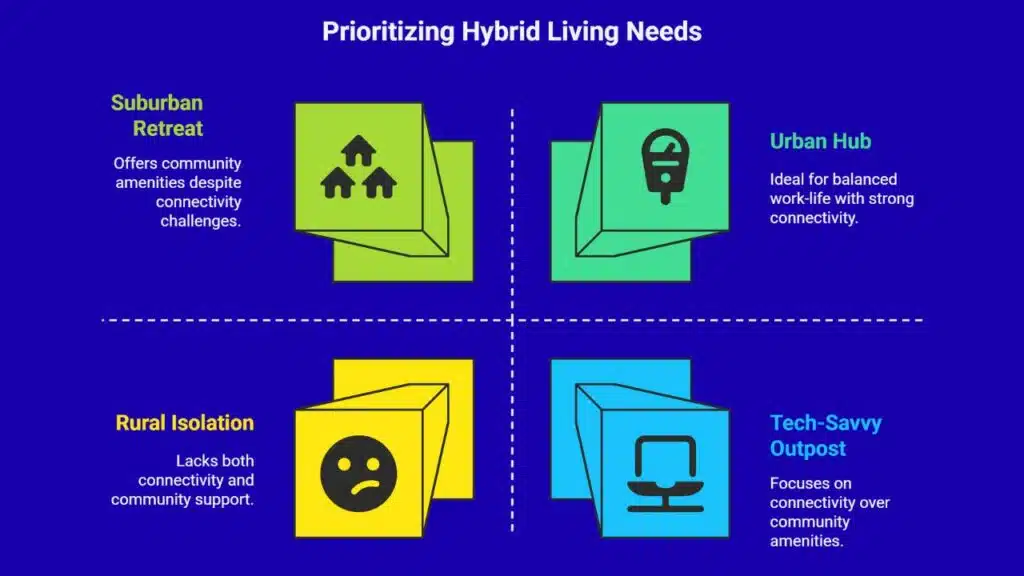
Hybrid working has introduced new requirements for renters. A spare bedroom can double as a home office, strong internet connectivity is now non-negotiable, and local amenities that support work-life balance are more valuable than ever. In high-demand markets like London, Bristol, or Manchester, professionals are not only comparing price and size, but also weighing how well a property fits into their hybrid lifestyle.
For instance, a tenant might prioritize:
- Dedicated Workspace: Homes with enough space for an office setup.
- Connectivity: Proximity to transport hubs for occasional office days.
- Community and Well-being: Neighborhoods with cafés, gyms, and green spaces that support productivity and balance.
Real estate platforms that offer transparent, filterable options make these choices easier and less stressful.
Digital Platforms as Enablers of Flexibility
Flexibility has become the defining feature of modern work, and the same is true for housing. Renters want the ability to explore multiple options quickly, compare them side by side, and act fast when the right property becomes available.
By offering property alerts, comprehensive coverage of the market, and user-friendly tools, platforms help renters adapt to the fluid nature of today’s work environment. This level of transparency also reassures users that they are making informed decisions, which is essential in an increasingly competitive rental market.
The Business Case for Trust and Transparency
From an economic perspective, the link between housing and work is stronger than ever. Companies embracing remote and hybrid work models depend on employees being able to access housing that supports productivity. Employees, in turn, expect platforms to provide reliable, transparent listings that reflect real availability.
Trust and transparency are therefore no longer optional, they are competitive advantages. A platform that delivers accurate listings and empowers users with the right tools directly supports the future of work by making living choices less uncertain.
Renting in Global Cities: A Competitive Landscape
Major cities such as London highlight how real estate platforms are becoming indispensable. With soaring demand, limited supply, and intense competition, traditional search methods are simply not efficient enough for modern renters. Platforms that aggregate listings across agents and landlords reduce friction and create clarity in a market that can often feel overwhelming.
For professionals navigating hybrid work, this clarity is more than convenience: it directly impacts career opportunities, lifestyle choices, and overall well-being.
How Platforms Bridge Work and Lifestyle
Real estate platforms do more than show listings, they connect two essential aspects of life: work and home. By centralizing all rental options, simplifying the search process, and providing instant updates, these platforms empower renters to align their housing decisions with their professional goals.
The result is a more balanced lifestyle where individuals can thrive both at work and at home. In this sense, platforms are no longer just digital tools, they are enablers of modern living.
Takeaways
The future of work is flexible, hybrid, and deeply connected to housing. Renting decisions are now shaped not only by affordability and location but also by how a home supports productivity, balance, and mobility. Real estate platforms stand at the center of this transformation, bridging the gap between professional and personal life.
By offering transparency, comprehensive listings, and user-friendly tools, these platforms ensure that modern professionals can find homes that truly match their evolving work needs. In cities like London, where competition is fierce, the role of digital platforms is not just helpful, it is essential.





























