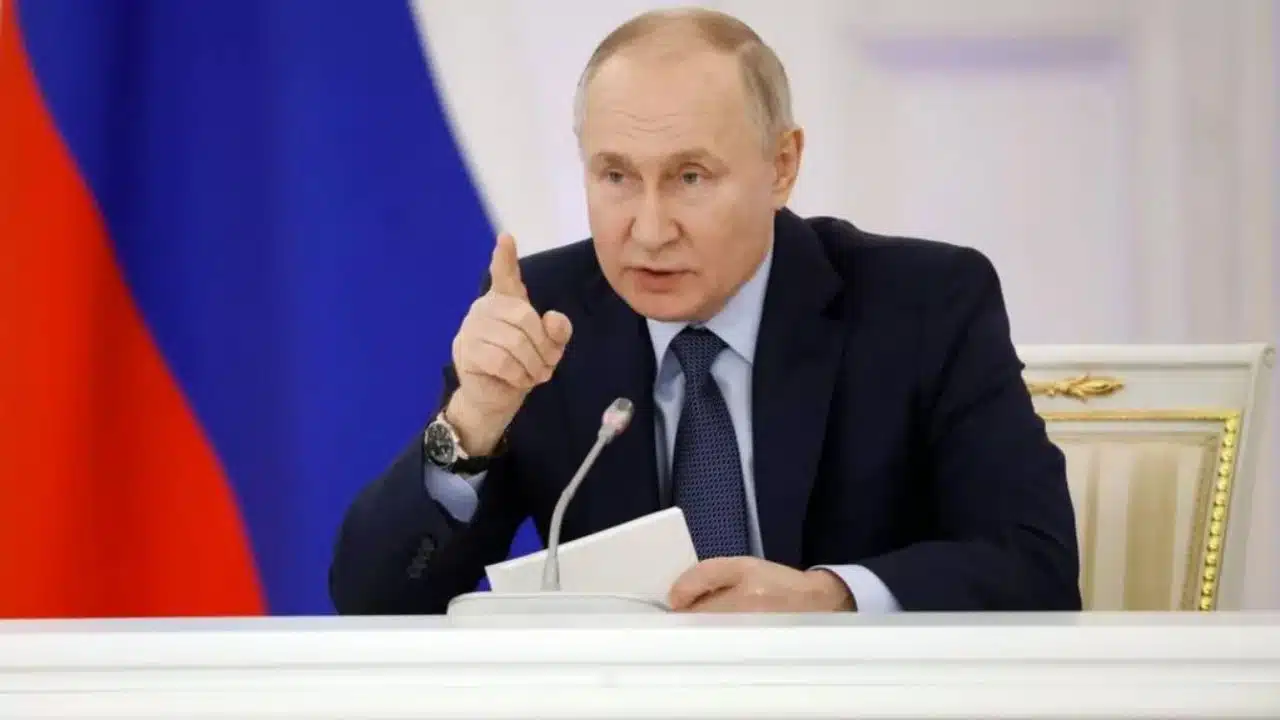
In a New Year’s address broadcast across Russia’s 11 time zones, President Vladimir Putin told Russians he believes Moscow will prevail in Ukraine, while Ukrainian President Volodymyr Zelenskyy marked the turn to 2026 by urging unity and continued work toward peace.
What Putin said in his New Year’s address
Putin used his annual televised message to frame Russia as a united “family” moving “only forward,” linking national strength to solidarity at home.
He singled out Russian troops fighting in Ukraine, wishing “soldiers and commanders” a happy New Year and declaring: “We believe in you and our Victory!”
The Kremlin’s published text did not announce a policy shift or a timeline for the war, but it clearly reinforced the message that Russia intends to sustain its campaign into 2026.
Putin’s message was released as the New Year arrived first in Russia’s Far East and then rolled westward, a longstanding broadcast format for the annual address.
In parallel New Year messaging, the Kremlin also issued seasonal greetings to foreign leaders ahead of 2026, underscoring that Moscow continues diplomacy even as the war continues.
What Zelensky said as Ukraine entered 2026
Ukraine’s New Year messaging emphasized endurance and national cohesion after another year of full-scale war, with official channels describing 2025 as a year carried by Ukrainians’ “dedication and resilience” and “daily work.”
Zelensky’s public New Year sentiment also repeated a central theme of Kyiv’s wartime communications: peace remains the goal, but it must be pursued actively and protected by security guarantees.
Ukrainian government platforms simultaneously highlighted the idea that national unity—civil society, the military, and international backing—remains essential as the calendar turns to 2026.
War context heading into 2026
Russia’s full-scale invasion of Ukraine began in February 2022, and the conflict has continued into a fourth year with sustained frontline combat and long-range strikes.
Entering late 2025, UN reporting documented a sharp rise in civilian harm compared with earlier periods, reflecting the war’s continued intensity and the growing threat to civilians in multiple regions.
The UN’s human rights monitoring also found that a large share of casualties occurred near the frontline, where short-range drones and shelling have been major drivers of harm.
Key New Year moment timeline
| Date (UTC) | Event | What it signaled |
| Dec. 29–31, 2025 | Putin’s New Year address released for the 2026 turn, including the line “We believe in you and our Victory!” | Moscow’s intent to keep public support aligned with war aims. |
| Dec. 30–31, 2025 | Ukraine’s New Year messaging stressed resilience and work toward peace | Kyiv’s focus on unity, endurance, and a peace outcome shaped by security. |
| Late Dec. 2025 | Public statements in the US described an intensified diplomatic push involving calls with Putin and talks with Zelensky | A stronger international negotiating track running alongside ongoing fighting. |
Civilian impact and humanitarian stakes
UN reporting on civilian protection in Ukraine showed that October 2025 saw at least 148 civilians killed and 929 injured, with most casualties occurring near the frontline and a significant share linked to long-range weapons impacting urban areas.
For November 2025, UN monitoring recorded no fewer than 226 killed and 952 injured, and it reported that from January to November 2025 civilian casualties totaled 2,311 killed and 11,084 injured—higher than comparable periods in 2024 and 2023.
A separate UN update covering 1 December 2024 to 31 May 2025 reported 986 civilians killed and 4,807 injured, describing a 37% rise versus the same period a year earlier.
Recent UN-verified civilian casualty snapshots
| Period | Killed | Injured | Notes |
| Oct. 2025 | At least 148 | 929 | Majority near frontline; long-range strikes a major contributor. |
| Nov. 2025 | At least 226 | 952 | Short-range drones highlighted as a leading cause in frontline areas. |
| Jan–Nov. 2025 | 2,311 | 11,084 | UN noted increases compared with 2024 and 2023. |
| Dec. 2024–May 2025 | 986 | 4,807 | UN reported a 37% increase year-on-year for that window. |
Diplomacy and the political backdrop
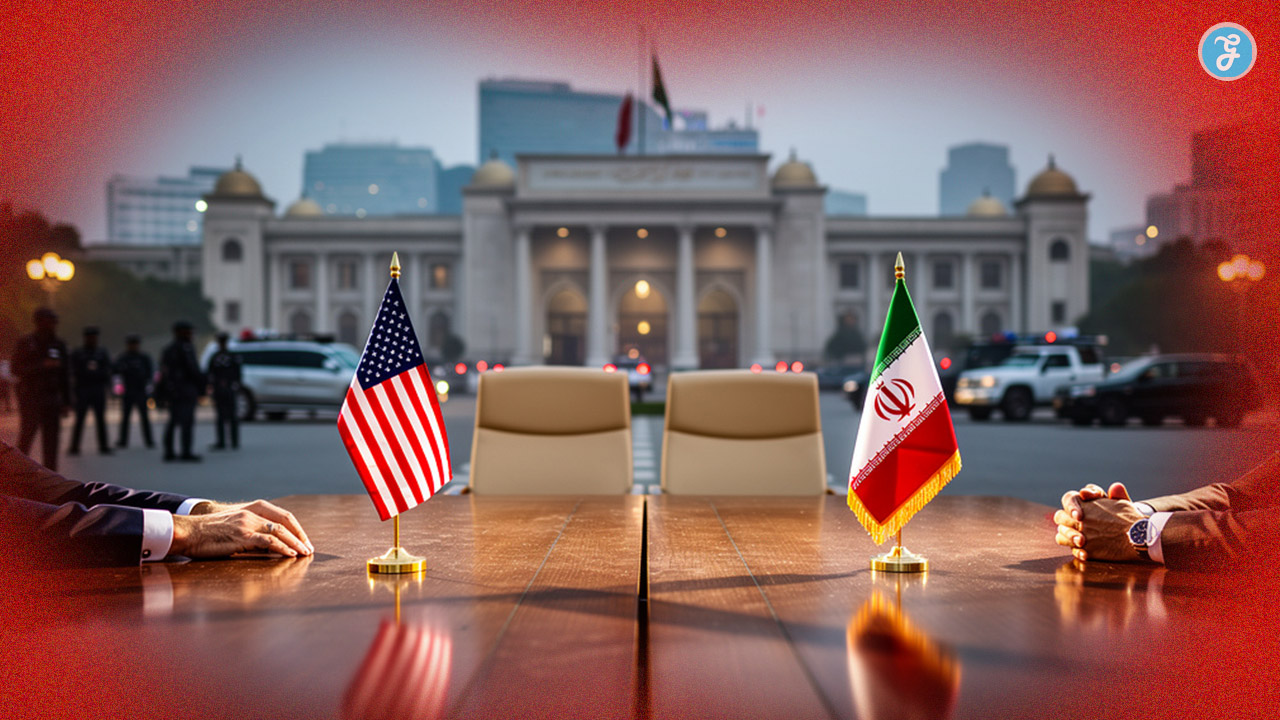
Public reporting in late December 2025 described an accelerated US diplomatic effort—under President Donald Trump—aimed at exploring terms for stopping the war, including calls with Putin and talks with Zelensky.
Those same reports suggested major issues remained unresolved, including territory and the structure of any ceasefire and security guarantees, even as US officials indicated they expected more clarity “in weeks.”
Against that backdrop, the New Year messaging from Moscow and Kyiv underlined how far apart the two sides remain on core questions of war aims and the definition of an acceptable peace.
Final thoughts
Putin’s New Year’s address reinforced Russia’s commitment to its war narrative and sought to rally public support around troops and national unity going into 2026.
Ukraine’s New Year messaging focused on resilience and the pursuit of peace while maintaining the stance that peace requires sustained effort and protection for the country’s security and sovereignty.
With UN data showing civilian harm remains high, the next phase of diplomacy will unfold under intense battlefield pressure and deepening humanitarian costs.