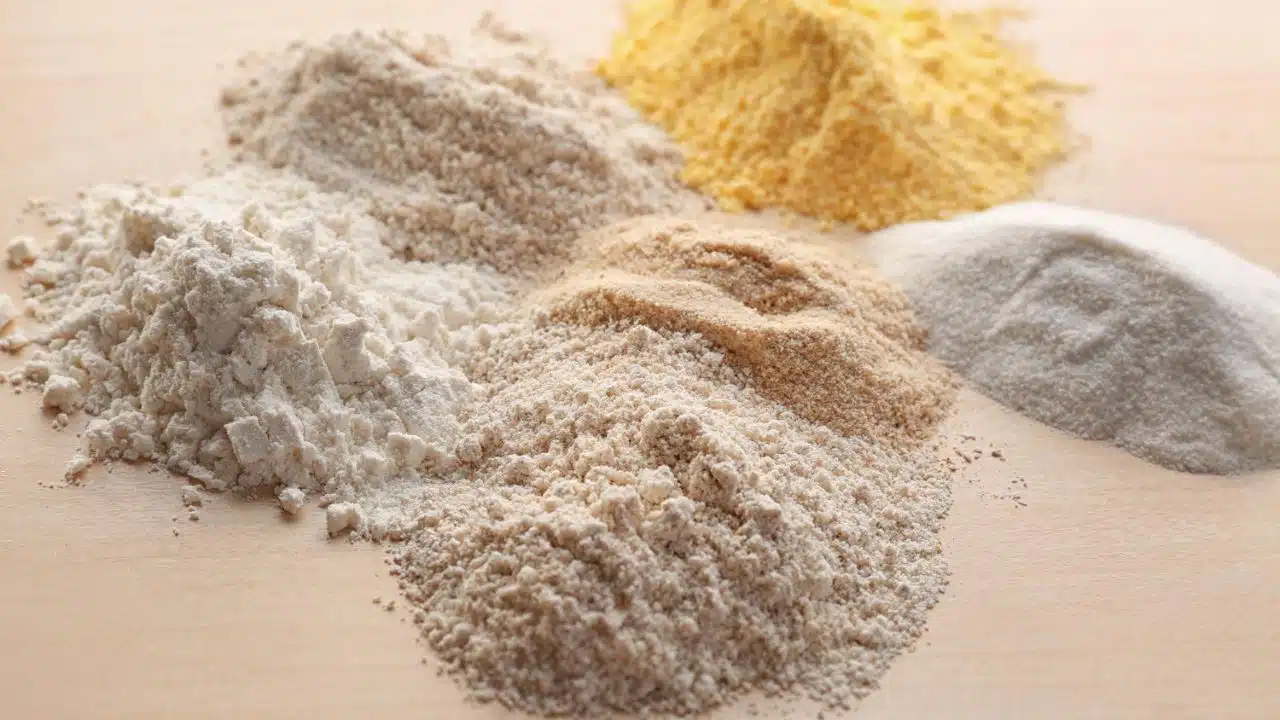
Plant protein has become the leading alternative to traditional animal-based sources. Just a few years ago, the debate plant protein vs animal protein was mostly limited to vegans and vegetarians. Today, it’s mainstream.
More and more people reduce meat and dairy, choosing plant protein products for health, sustainability, and clean-label nutrition. Consumers are asking: does plant protein build muscle, is plant protein complete? Research confirms that well-designed blends of plant protein sources can match the quality of animal protein.
The best plant protein sources
Where can you find plant protein? Legumes, nuts, seeds, and grains are the foundation. The most widely used plant protein products include:
- Pea protein – highly digestible and neutral in taste.
- Soy protein – one of the few complete plant proteins.
- Hemp protein – rich in fiber and healthy fats.
- Rice and almond protein – often used in blends for improved amino acid profile.
These plant protein sources dominate the supplement and functional food industry. Any plant protein products chart highlights them as the most versatile and in-demand.
Plant protein powder and supplements
One of the fastest-growing categories is plant protein powder. Available as concentrates and isolates, it’s easy to use in shakes, bars, and sports nutrition. Today’s market offers countless options, like vanilla plant protein, sugar-free plant protein, or unsweetened plant protein.
The question plant protein or whey comes up frequently, but increasingly, consumers choose plant-based. Modern plant protein supplements from peas, rice, or blends answer the needs of athletes, lactose-intolerant individuals, and health-conscious consumers alike.
Differences that matter
The debate plant protein vs animal protein centers around amino acid profiles and bioavailability. Which is better, animal protein or plant protein? In reality, both have value. The key differences between animal and plant protein lie in completeness. Most plant sources need to be combined to deliver all essential amino acids. That’s why manufacturers use hydrolyzed plant protein or textured plant protein to improve digestibility and functionality.
Consumers also ask which plant protein is best, where is plant protein found, is plant protein complete? The answer is – a well-designed blend can deliver a complete, high-quality protein profile.
Nutri Partners is dedicated to providing premium raw materials designed to meet the specific demands of the food and industrial sectors, with an emphasis on quality, safety, innovation, and customized support.
The future belongs to plant protein
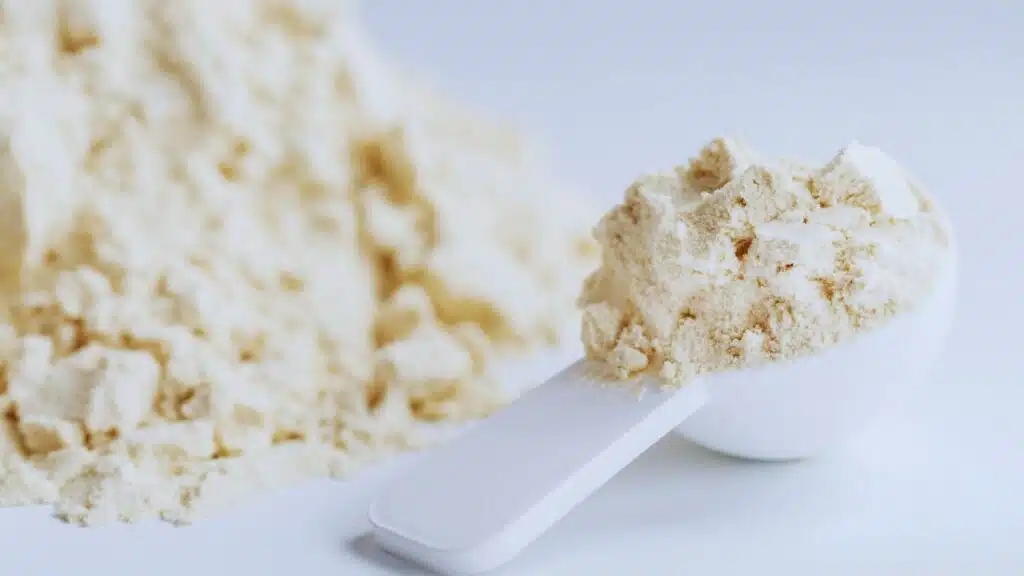
Experts agree that complete plant protein will be one of the cornerstones of supplements, sports nutrition, and functional food in the coming years. Already, leading brands are expanding their portfolios with pea protein, hemp protein, and blended plant protein powders. With online access through any plant protein shop and competitive plant protein prices, demand will only grow.
“We often hear the question if plant protein build muscle. The answer is yes, provided you choose the right blend of sources. That’s why at Nutri Partners we deliver the best plant protein. Pure, certified, and standardized. It’s the future of supplements, protein powders, and the entire functional food industry.”
— explained a Nutri Partners expert.
The plant protein revolution is accelerating. High plant protein digestibility, diverse the sources, and innovative solutions such as hydrolyzed plant protein or flavored plant protein powders make plant protein the top choice for modern consumers.
Plant-based products rich in protein will dominate supplements, nutrition shakes, and functional foods in the years to come.
Nutri Partners is the trusted partner helping brands step into this future with confidence. From pea protein to soy and hemp, we provide certified, high-quality raw materials tailored to market needs.
Discover our full range and elevate your products with the best plant protein for a growing consumer base.