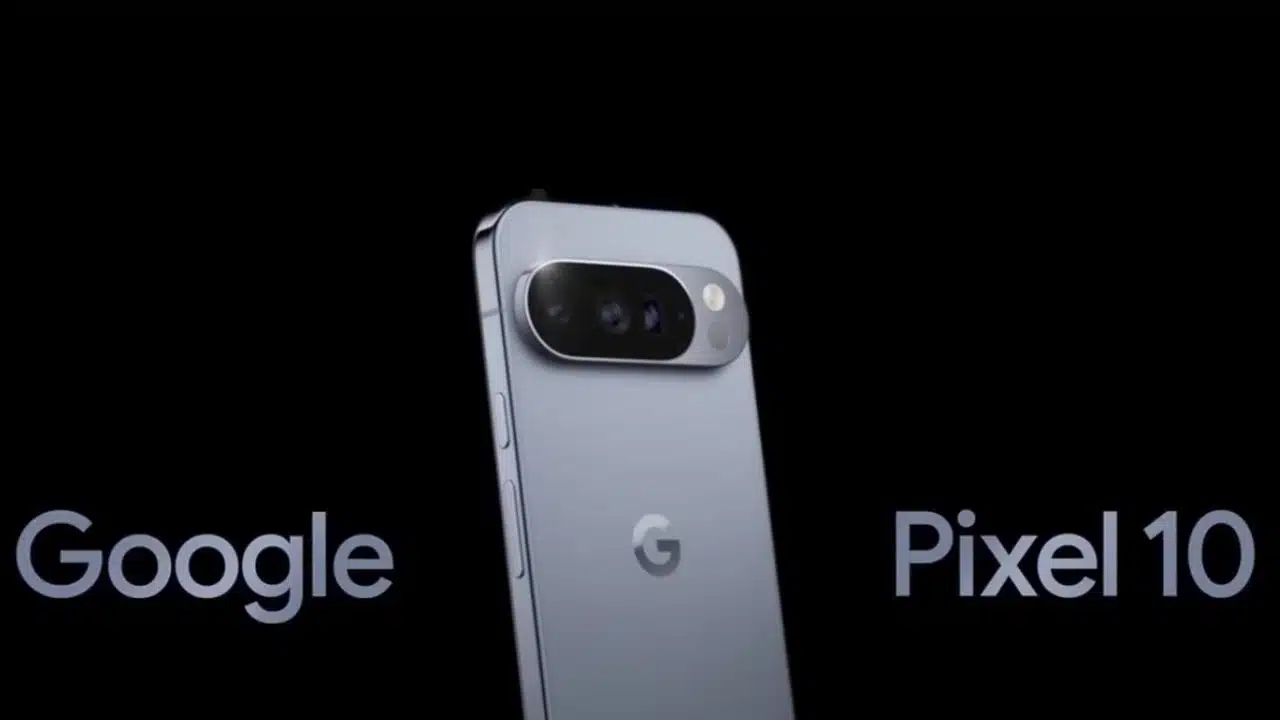
In a bold marketing move, Google has launched a new advertisement for its upcoming Pixel 10 smartphone, using it as an opportunity to highlight Apple’s repeated delays in rolling out its promised AI features. The ad isn’t just a tech product teaser — it’s a carefully crafted critique aimed at Apple’s ongoing struggles with Siri upgrades, which were announced in 2024 but still haven’t fully materialized.
The ad is powered by a combination of clever messaging, visually sleek production, and a nostalgic, culturally relevant soundtrack — Dr. Dre and Snoop Dogg’s “The Next Episode” — signaling both confidence and charisma as Google prepares to launch the Pixel 10.
Google’s Message: “Why Wait for ‘Soon’ When You Can Have It Now?”
The core message of the ad is sharply directed at customers who might feel frustrated after buying new Apple devices in anticipation of features that are still “coming soon.” According to Google’s narrative, these features haven’t arrived even a year later — leaving users with high expectations but little to show for it.
In the ad, viewers are asked to reconsider what “soon” really means. Google suggests that instead of waiting indefinitely for Apple to catch up, users should simply switch to a phone that delivers AI features now — namely, the Pixel 10.
This marketing strategy highlights a key differentiator Google believes it has over Apple: AI features that are already functional, user-ready, and tightly integrated into the smartphone experience.
Apple Intelligence: Big Promises, Slow Delivery
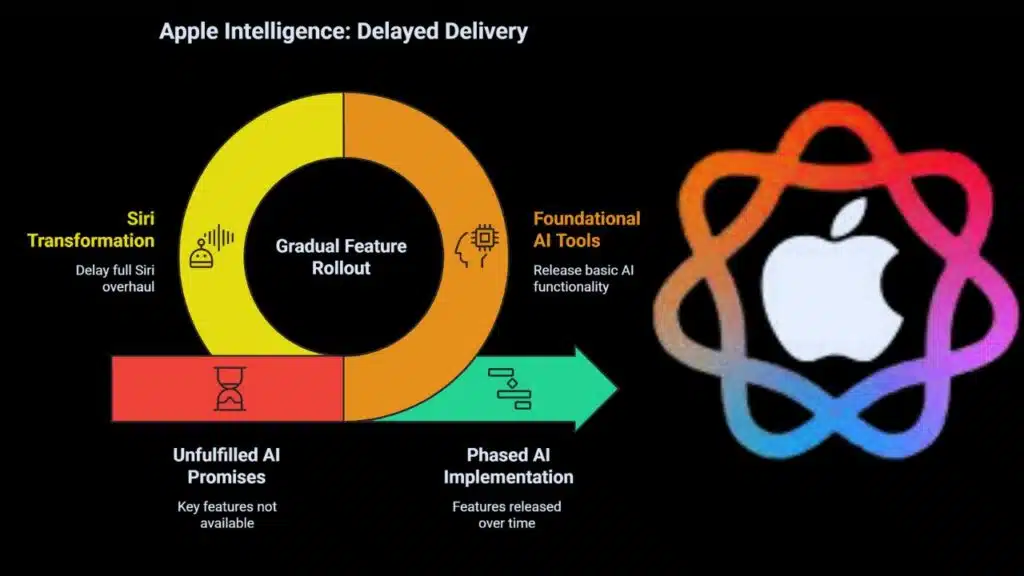
To understand the jab, it’s important to revisit what Apple announced at WWDC 2024 (Worldwide Developers Conference). The company unveiled its new Apple Intelligence suite, a set of AI-powered tools designed to revolutionize how users interact with their devices. The centerpiece was an overhauled, more responsive Siri, said to be deeply integrated into iOS apps and capable of providing personalized, context-aware assistance.
At the time, Apple received global praise for finally entering the AI race with meaningful upgrades. However, not all the promised features were available when iOS 18 launched in September 2024. While the operating system included some foundational AI tools, the full Siri transformation — the most anticipated feature — was not ready for release.
Delay Confirmed: Apple Pushes Siri Overhaul Into 2026
What began as vague delays eventually turned into public acknowledgment. In March 2025, Apple confirmed that the more advanced Siri features, part of its Apple Intelligence roadmap, would not arrive as planned. This marked an unusual moment for a company known for meeting deadlines with precision.
Apple stated that while internal development was progressing, the rollout of the next-generation Siri needed more time. They expected the features to become available sometime in 2026, but no specific month or release schedule was provided.
The admission signaled more than just a technical hiccup — it suggested deeper integration issues or testing delays, possibly related to performance, privacy, or user experience. For many users who purchased the latest iPhone 16, this became a frustrating wait for features they believed they had already paid for.
Marketing Missteps: Apple Faces Legal Action Over AI Ads
The delayed rollout did not just damage Apple’s timeline — it also triggered a lawsuit. Legal action was filed against Apple for allegedly misleading advertising, particularly for promoting the AI-powered Siri on the iPhone 16 without clarifying that the feature was not yet available.
The lawsuit argued that Apple marketed these AI capabilities as if they were live or imminent, prompting users to buy the device under false expectations. Apple later removed a YouTube advertisement featuring actor Bella Ramsey, in which the yet-to-be-released Siri features were demonstrated. The ad quietly went private, adding further weight to criticism that Apple had overpromised.
This case is still unfolding, but it has put pressure on Apple to be more transparent about AI product readiness, especially when launching premium devices at premium prices.
Google’s Advantage: AI Features Already Working in Pixel Phones
While Apple delays, Google is moving fast. The company has already deployed a wide range of AI tools through its Gemini AI system, which powers features on Pixel 8 and Pixel 8 Pro — including smart transcription, context-aware call screening, AI-powered photo editing, and even live translation.
With the Pixel 10 set to launch on August 20, 2025, Google is doubling down on the message that it delivers practical, working AI experiences now — not next year. This strategy positions the Pixel line as a forward-ready and user-first device for those who don’t want to wait for “innovation in progress.
The Pixel 10 ad is part of this push. Featuring a jet-black phone rotating in slow, elegant shots, the advertisement mimics Apple’s minimalist design language but flips the script by presenting Google as the innovator and Apple as the brand playing catch-up.
Google’s Track Record With AI Integration
Google has a longer history with AI in consumer products compared to Apple. Over the years, Google has embedded machine learning in many of its services — Gmail’s Smart Compose, Google Assistant, Google Lens, and live captions on YouTube and Android. This long-term investment is now giving it a competitive edge in the AI smartphone battle.
The Pixel series has become a testbed for AI features that not only function smoothly but are actively used by millions of people every day. The confidence shown in its recent ad campaign reflects this history — unlike Apple, Google doesn’t need to talk about what’s “coming” because the tools are already here.
Tim Cook Speaks Out: Apple Still Optimistic About Siri Upgrade
Apple CEO Tim Cook addressed the Siri delay during the company’s most recent quarterly earnings call in July 2025. While he acknowledged that the upgraded Siri features are still in development, he expressed confidence in the work being done and reassured stakeholders that the features would roll out in 2026.
Cook highlighted that the company is focusing on creating a more personalized experience that aligns with Apple’s privacy standards, which often slows down AI implementation due to stricter data handling policies.
Despite the delay, Apple remains committed to making Siri competitive with AI assistants like Google Assistant and OpenAI’s ChatGPT integrations — but for now, the delivery date remains uncertain.
Pixel 10 Launch Date and Expectations
The Pixel 10 is scheduled to launch on August 20, 2025, and is expected to feature the latest iteration of Google’s Tensor G4 chip, enhanced integration with Gemini AI, and improvements in camera and battery performance. Here’s a quick overview of expected specifications:
| Feature | Expected Details |
|---|---|
| Processor | Google Tensor G4 |
| Display | 6.7” LTPO OLED, 120Hz refresh rate |
| Operating System | Android 15 |
| AI Integration | Gemini AI, smart assistant, AI call screen, live edit |
| Camera System | Advanced triple lens, AI photo correction |
| Battery Life | Optimized for AI processing and extended use |
| Release Date | August 20, 2025 |
With a clear focus on real-world AI applications, the Pixel 10 is being marketed as the smartphone that delivers on AI today, not tomorrow.
The Bigger Picture: Apple vs Google in the AI Age
This ad war reflects a deeper trend — the transition from hardware wars to AI ecosystems. In the 2010s, smartphone competition centered on screens, processors, and cameras. Today, the AI experience is emerging as the new battleground.
Apple, traditionally cautious with new tech rollouts, is now under pressure to deliver faster without compromising its hallmark privacy standards. Google, with its bold ad campaigns and working AI features, is trying to capture users who are growing impatient with Apple’s slow pace.
It’s a clash of philosophies: Google believes in deploying AI tools early and refining them over time, while Apple prioritizes privacy, polished integration, and cautious innovation — sometimes at the cost of speed.
As we approach the launch of the Pixel 10, Google’s aggressive strategy is putting Apple’s delays under a spotlight. With AI now becoming the center of the mobile experience, the question for users is no longer which phone has the best camera or design — but which one can do more with AI right now.
For now, it looks like Google is ahead in that race.
The Information is Collected from Business Today and AOL.