Paramount Skydance has launched a $77.9 billion hostile takeover bid for Warner Bros. Discovery, directly challenging Netflix’s recently agreed deal to acquire Warner’s film and streaming businesses. This sets up an unprecedented three-way battle that could reshape Hollywood, the global streaming market, and traditional television.
Hostile bid details
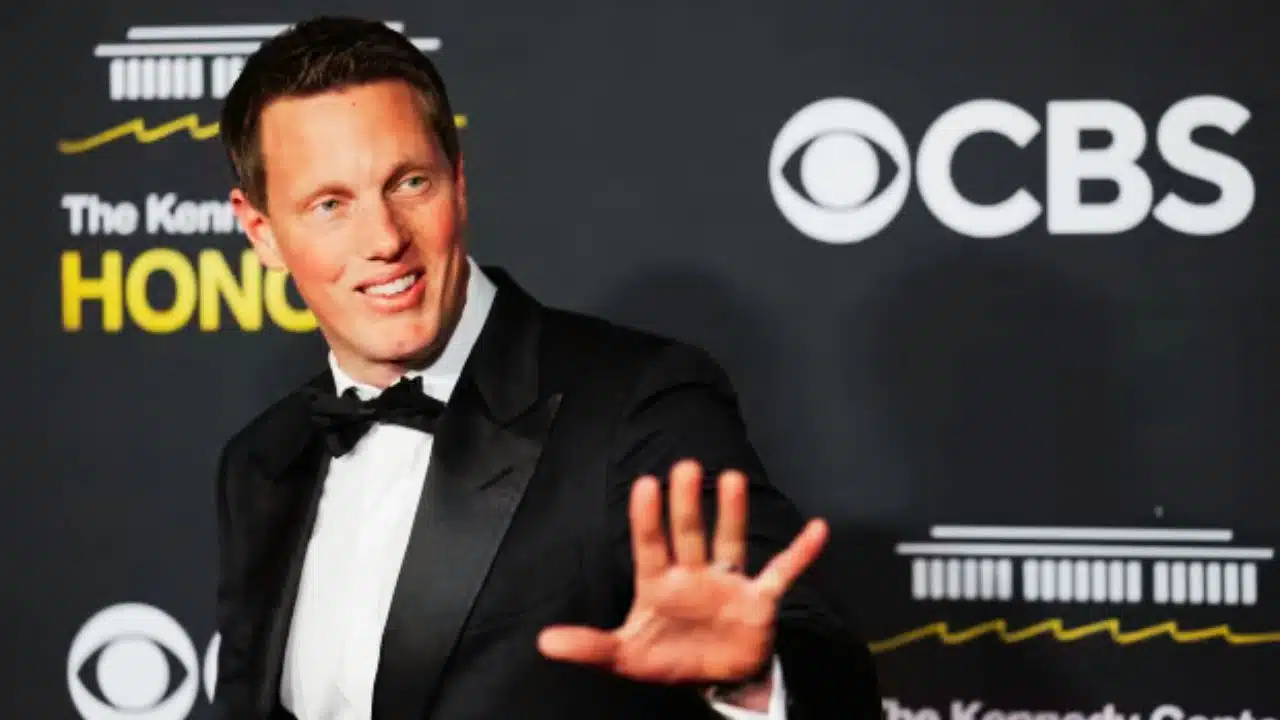
Paramount Skydance, led by CEO David Ellison, has taken its case directly to Warner Bros. Discovery shareholders with an unsolicited, all-cash offer of 30 dollars per share for the entire company, valuing the equity at about 77.9 billion dollars and the overall deal at roughly 108.4 billion dollars including debt. The move is classified as a hostile takeover because Paramount went around Warner’s board after it rejected earlier approaches and endorsed a competing offer from Netflix. If successful, Paramount would gain full control of Warner’s film studio, HBO and HBO Max, and a broad portfolio of cable networks including CNN, TNT and HGTV, vastly increasing its scale against rival media and tech giants.
Netflix deal that sparked the fight
Just three days before Paramount’s hostile bid, Netflix and Warner Bros. Discovery announced an agreement for Netflix to acquire Warner’s film and streaming assets for an enterprise value of about 82.7 billion dollars, in a mix of cash and Netflix shares. Under that plan, Warner’s traditional TV networks such as CNN and Discovery would be separated into a different entity, while Netflix would take over the studio, HBO-branded services and key streaming operations, with an implied per‑share value around 27 to 28 dollars at signing. Warner’s leadership had described the Netflix arrangement as more attractive, emphasizing Netflix’s global streaming reach and the perceived execution risks around a full-scale merger with Paramount.
Key terms of the rival bids
| Bidder / Deal | Target assets | Headline value | Per‑share offer | Cash vs. stock | Announcement date |
| Paramount Skydance hostile bid | Entire Warner Bros. Discovery, including film studio, HBO/HBO Max, and linear TV networks such as CNN, TNT, HGTV and Discovery. | About 77.9 billion dollars equity value and around 108.4 billion dollars including debt. | 30 dollars per share, presented directly to shareholders. | 100% cash offer, with no stock component. | Announced 8 December 2025. |
| Netflix agreed deal | Warner’s film studio and streaming assets, including HBO and HBO Max, but not the global cable network business that would be spun off. | About 82.7 billion dollars enterprise value for the assets being acquired. | Earlier disclosures pointed to a value of roughly 27.75 dollars per share, combining cash and Netflix stock. | Mix of cash (around 23.25 dollars per share) and Netflix shares. | Announced 5 December 2025. |
Why Paramount says its offer is better
Paramount argues that its all‑cash proposal delivers more immediate and certain value than the Netflix deal, emphasizing that shareholders would receive significantly more cash per share and avoid exposure to Netflix’s future stock price swings. In letters and public statements, the company has accused Warner’s board of running a flawed sale process, saying it made six formal proposals over roughly twelve weeks that were not, in Paramount’s view, fairly considered before Warner chose Netflix. Ellison is pitching the bid as a way to keep a major Hollywood asset anchored in a traditional studio group rather than a pure‑play streamer, promising ongoing theatrical releases and closer alignment with established creative and cinema ecosystems.
Politics, regulation and financing
Both the Netflix transaction and Paramount’s hostile bid are expected to face detailed antitrust reviews in the United States and abroad, with regulators likely to examine how each combination would affect streaming competition, cable TV markets and consumer prices. U.S. President Donald Trump has already criticized the Netflix deal, warning that such a large tech‑driven acquisition could threaten jobs and raise costs for viewers, comments that Paramount is using to argue its own path to approval is cleaner. Paramount disclosed in federal filings that its offer would be partly financed by sovereign wealth funds from Saudi Arabia, Qatar and other Gulf states, a structure that strengthens its cash position but may draw additional political and regulatory scrutiny over foreign influence in U.S. media.
What the battle means for Hollywood and viewers
Paramount’s move escalates a consolidation wave that has been building for years as legacy studios and tech platforms race to assemble larger content libraries and global streaming scale. If Netflix prevails, it would gain one of Hollywood’s most storied studios and HBO’s prestige brand, potentially cementing its lead in streaming but intensifying concerns about concentration; if Paramount wins, it would create a mega‑studio spanning film, premium TV, cable networks and streaming, likely triggering further dealmaking across the industry. For audiences, both scenarios could eventually change how and where Warner titles are released—across cinemas, cable and apps—and may influence subscription prices and the number of competing services in the market.