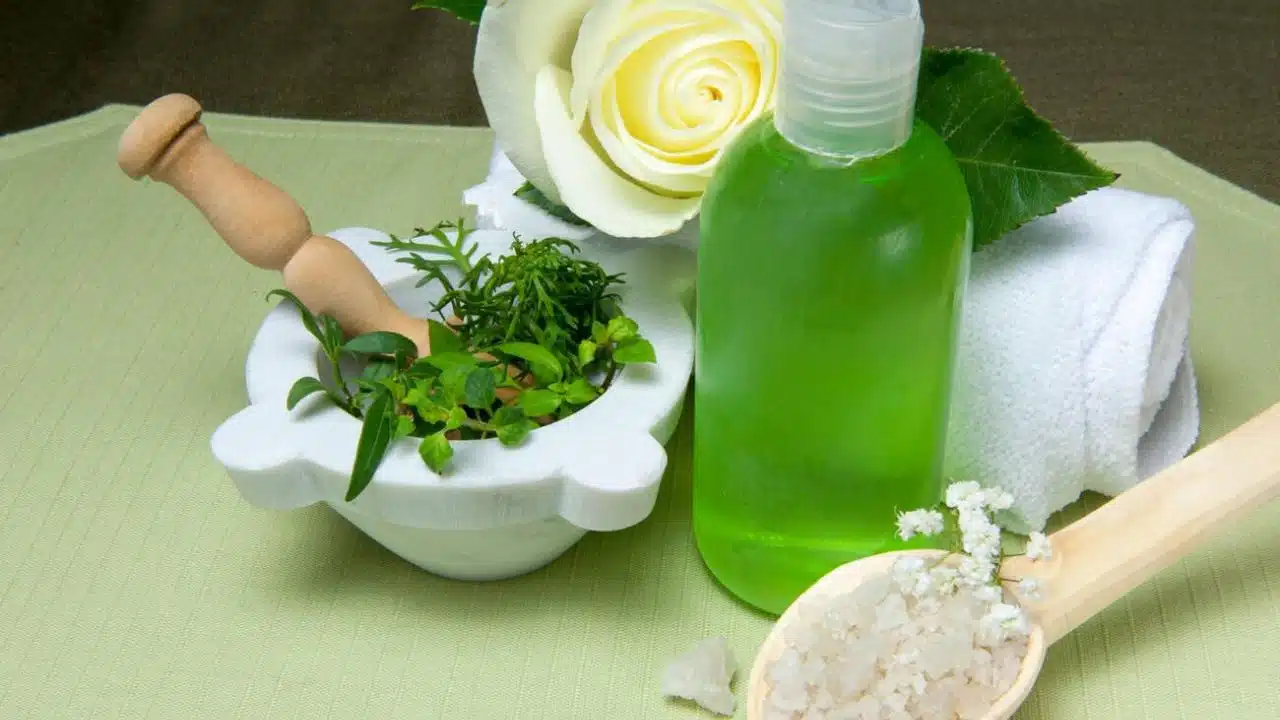
The use of fabric softener has become essential when washing. With organic fabric softeners, we manage to protect the fabrics of our favorite clothes, neutralize bad odors and also make them feel more pleasant to use.
Now, like any industrial product, we can always make fabric softener at home that is more ecological and cost-saving.
If you want to learn how to make organic fabric softeners, we recommend that you read the ideas that we are going to show you below.
How to Make Fabric Softener: Step by Step
Although today we can easily purchase countless commercial fabric softeners that are offered in different sizes, with a number of extra benefits for our clothes, in a variety of scents and prices, there are still many who prefer homemade options for these products. For this reason, we are going to give you some ideas so you can learn how to make homemade fabric softener.
Homemade Liquid Fabric Softener
Ingredients
-
1 cup of vinegar (250 ml)
-
2 cups of water (500 ml)
-
⅓ cup of baking soda (6 gr)
-
6 drops of essential oil
-
Bowl
Preparation
-
Mix the cup of alcohol vinegar with two parts of water and put it in a container.
-
Add the baking soda to the mixture. The baking soda will generate an effervescent effect, so it is advisable to add it little by little.
-
Mix with a spoon until everything is well combined and homogeneous.
-
Add drops of your favorite essential oil to give it a more special aroma.
-
Add the mixture to a clean container. And ready! You now have your fabric softener made for you.
Apply the same amount of this fabric softener as you would with commercial fabric softener. If you want to know more uses for baking soda, we recommend this article.
Dry Organic Softener
Ingredients:
-
2 cups of sea salt
-
½ cup baking soda
-
20 or 30 drops of essential oil
Preparation:
-
Mix the sea salt and baking soda in a container using a wooden spoon.
-
Add the essential oil drop by drop while stirring the preparation.
-
Add it to a clean container.
The powder can be diluted inside the washing machine or placed in tablespoons inside the washing machine dispenser.
In addition to working as a fabric softener, it also serves as a bleach, as it helps remove stains from fabrics naturally.
How to Make Fabric Softener: Useful Tips
-
If you want the product to have a thicker consistency, you can add hair conditioner.
-
If the clothes have stains in the armpits or on the neck, we recommend that you soak the garment in the fabric softener for about 30 minutes before regular washing. Also, you can apply white vinegar to the affected areas.
-
To set colors on dyed items, add a cup of white vinegar to the last rinse of the wash cycle.
Making homemade fabric softener is a different and environmentally friendly way to take care of our clothes and also leave them soft. And if you love the smell of freshly washed clothes.
Top 10 Benefits of Using Organic Fabric Softener
1. Gentler on skin: Organic fabric softeners often use plant-based ingredients, which tend to be less irritating than synthetic fragrances and chemicals. This makes them a good option for people with sensitive skin.
2. Reduce static: Fabric softeners can help reduce static cling by leaving a thin coating on fabrics. This helps them hold on to moisture better.
3. Soften fabrics: organic softeners contain ingredients like jojoba oil and aloe vera that leave fabrics feeling smoother and softer.
4. Pleasant natural smells: organic softeners rely on essential oils, plant extracts and herbs to provide fragrance. These can smell fresher than synthetic fragrances.
5. Hypoallergenic formulas: Organic brands avoid common allergens and irritants like dyes, parabens and phthalates. This makes them less likely to cause reactions.
6. Better for the environment: Organic softeners are biodegradable and made of renewable materials like plant oils and citric acid. They have less impact when washed into water systems.
7. Retain brightness: Natural softeners are less harsh than chemical ones, so they help fabrics maintain vibrancy and brightness longer.
8. Gentle for baby clothes: The delicate skin of babies benefits from softeners with gentle plant-based ingredients instead of dyes and perfumes.
9. No residue buildup: organic softeners rinse cleaner without leaving much chemical residue behind on fabrics.
10. Long-lasting fragrance: essential oils in organic products provide fragrances that cling nicely to fabrics and release subtly over time with movement.
Conclusion
Organic fabric softeners have several notable benefits over traditional chemical-based brands. They tend to be gentler on the skin, reduce static, soften fabrics, and provide pleasant natural fragrances. Additionally, organic softeners are often hypoallergenic, better for the environment, help retain fabric brightness, are gentle for baby clothes, leave little residue, and provide long-lasting fragrance. With advantages for people, fabrics, and the planet, organic fabric softeners are a wise choice over harsher synthetic options in many circumstances. Adopting their use can make laundry kinder all around.
Frequently Asked Questions (FAQs) about Organic Fabric Softeners
How are organic fabric softeners different?
Organic softeners use plant-derived ingredients and natural essential oils instead of synthetic fragrances, preservatives, and chemicals. This makes them gentler and less irritating.
Are organic softeners really better for the environment?
Yes. Organic softeners use biodegradable ingredients like citric acid and plant oils instead of chemicals that persist in ecosystems. They have less impact on waterways and soil.
Do organic softeners clean as effectively?
Organic softeners clean just as effectively as standard ones. They populate fabrics, reduce static, and soften as well as synthetic brands without harsh chemicals.
Do organic softeners still eliminate static?
Yes. Natural softeners like those made with jojoba oil, aloe vera, and other plant ingredients lubricate fabric fibers effectively to eliminate cling and static shock.
Are scent options limited for organic brands?
Not necessarily. Many organic softener brands offer multiple scent options derived from essential oils. Scents include floral, citrus, herb and more.
Can you use them in dryer sheets?
Yes. Most organic softener liquids can be diluted and applied to fabric sheets for use in home dryers as an all-natural static remover and scent booster.
Are organic softeners more expensive?
They sometimes cost more due to the higher price of natural plant-based ingredients. But prices continue to come down with increasing consumer demand.
Do organic softeners leave residue?
Quality organic softeners rinse cleaner and leave little to no residue compared to chemical brands. They contain cleansing ingredients like vinegar, citric acid, and plant oils.