Off-grid energy solutions are revolutionizing the landscape of developing nations, dismantling the century-old assumption that progress requires a massive, centralized power grid. For decades, the energy model was linear: build a giant power plant, string high-voltage cables across thousands of miles, and hope the infrastructure eventually reaches the poorest villages.
By 2026, that model will have been inverted. These decentralized technologies are no longer a temporary stopgap for the “last mile”; they have evolved into a primary, permanent infrastructure class that is leapfrogging the traditional grid entirely. Just as mobile phones bypassed landlines in the early 2000s, decentralized renewable energy (DRE) is bypassing the need for fossil-fuel-heavy centralized power, delivering electricity that is cleaner, cheaper, and more reliable.
Key Takeaways
- Paradigm Shift: Off-grid energy is no longer “second-class” power; it is often more reliable and cleaner than the central grid in developing nations.
- Economic Engine: The sector has moved from providing light to providing livelihoods through Productive Use of Energy (PUE) assets like mills, pumps, and freezers.
- Tech Maturity: LFP batteries and AI-driven load management have solved the reliability and longevity issues that plagued early solar projects.
- Financial Inclusion: The PAYG model has brought credit scores and financial services to millions of unbanked people, unlocking broader economic participation.
- Critical Risk: E-waste management and currency instability remain the two biggest threats to the sector’s sustainability.
The High Stakes: From Energy Apartheid to Economic Engine
The stakes could not be higher. Despite global progress, the “energy apartheid” of the early 2020s persists in pockets where grid extension is economically unviable. However, the narrative has shifted from “charity” to “market opportunity.” The latest data from early 2026 reveals that off-grid solar sectors in Nigeria, Kenya, and Bangladesh are not just powering lightbulbs; they are powering economies.
From solar-run grain mills to refrigeration units for vaccine storage, off-grid energy is the silent engine behind a new wave of rural industrialization. This article explores how this transformation is happening, the technologies driving it, and why the decentralized model is the only viable path to universal energy access.
The State of Energy Poverty in 2026
In 2026, the definition of energy poverty has shifted from a simple lack of infrastructure to a more complex crisis of reliability and sufficiency. While global connectivity stats have improved, they often mask the reality of “paper connections” where physical grids exist but usable power does not. We must look beyond the wire to understand the true depth of the modern energy deficit and why traditional metrics no longer tell the whole story.
The Scope of the Crisis: Beyond Just Lighting
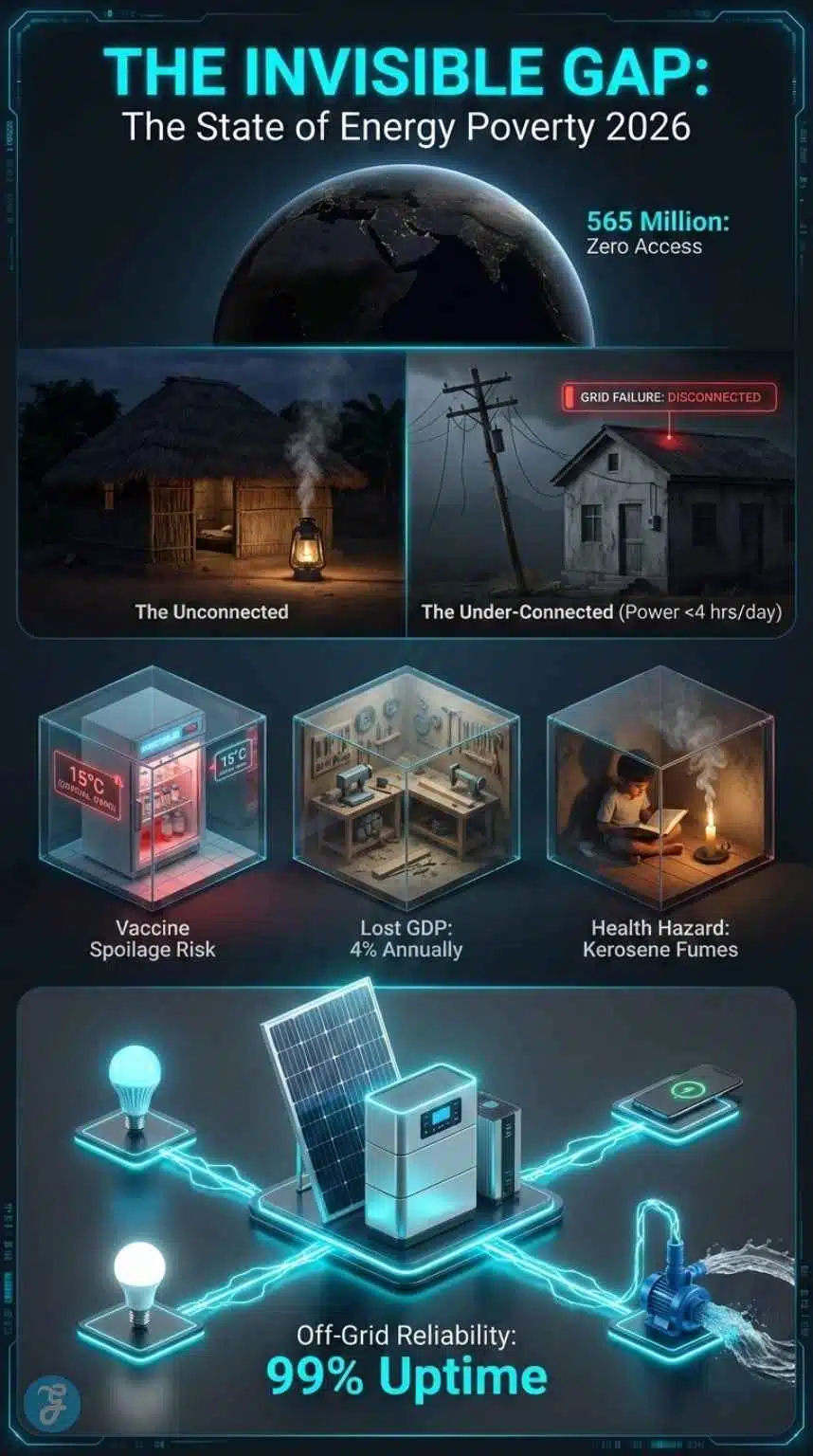
As we navigate 2026, the global energy deficit has shrunk, yet it remains stubbornly concentrated. Approximately 565 million people, mostly in Sub-Saharan Africa, still lack basic access to electricity. But the raw numbers hide a more complex reality known as the “reliability gap.” Millions of people are technically connected to a national grid but receive power for less than four hours a day. In these “weak grid” areas, businesses are forced to run expensive, polluting diesel generators to stay operational.
The “Bad Grid” Phenomenon
The “bad grid” phenomenon creates a paradox where a village might have transmission poles but no power. This unreliability destroys economic potential. A welder cannot work if the power cuts out every hour; a clinic cannot store insulin if the fridge turns off at night. Off-grid energy solutions have stepped into this breach, not just for the unconnected, but for the “under-connected.”
Table 1: The Energy Reality Gap [2026]
| Metric | Central Grid (Traditional) | Off-Grid / Mini-Grid (Modern) |
| Uptime Reliability | 40–60% in rural areas (frequent blackouts) | 98–99% (Solar + Battery Storage) |
| Deployment Speed | 5–10 years for transmission lines | 3–6 months for a Mini-Grid |
| Cost to Connect | $1,500+ per household (infrastructure cost) | $50–$100 connection fee (or PAYG) |
| Energy Source | Often Coal/Gas heavy mix | 100% Renewable (Solar/Wind/Hydro) |
The economic cost of this deficit is staggering. The World Bank estimates that power shortages cost developing nations 2–4% of their GDP annually. By solving the reliability issue, off-grid systems are reclaiming this lost economic value.
The Core Technologies Driving the Shift
The explosion of off-grid energy is not a miracle; it is the result of three specific technological convergences that hit maturity between 2024 and 2026.
1. From Solar Lanterns to Smart Mini-Grids
The days of dim, flickering solar lanterns are over. The standard unit of off-grid energy is now the Solar Home System (SHS) capable of powering a 32-inch TV, a fan, and a refrigerator.
- Plug-and-Play Architecture: Modern SHS kits are modular. A user can start with a 50W panel and a small battery, and later “daisy-chain” more panels to upgrade their capacity without throwing away the old hardware.
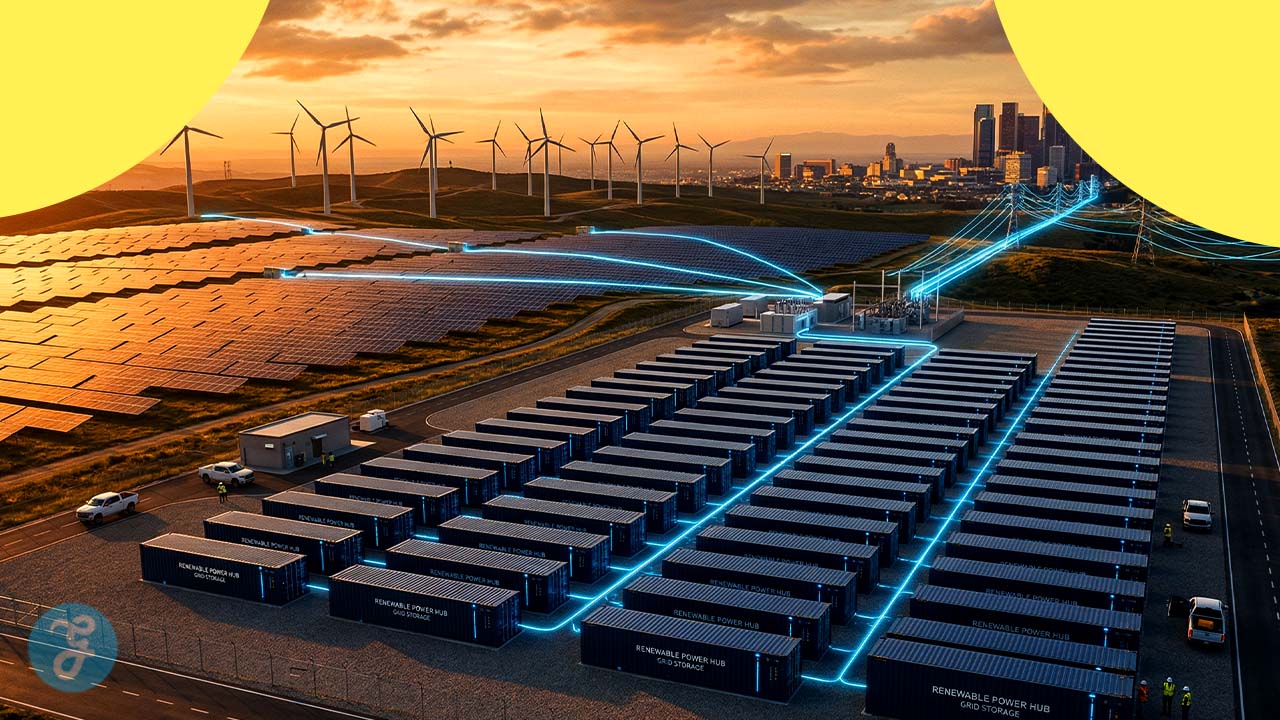
- The Mini-Grid Boom: Unlike SHS, which powers one home, a mini-grid is a localized power plant (10kW to 1MW) that wires up an entire village. These grids operate autonomously but can sync with the national grid if it ever arrives, preventing asset redundancy.
2. Battery Chemistry: The Shift to LFP
For years, the “Achilles’ heel” of solar was storage. Lead-acid batteries died after two years, and traditional Lithium-Ion (NMC) struggled in the blistering heat of the Sahel or the Thar Desert.
- LiFePO4 Revolution: By 2026, Lithium Iron Phosphate (LFP) batteries have become the industry standard. They offer a cycle life of 6,000–8,000 charges (approx. 15–20 years) and are thermally stable up to 60°C. This longevity drastically reduces the levelized cost of energy (LCOE) for rural consumers.
- Emerging Sodium-Ion: We are also seeing the first commercial pilots of Sodium-Ion batteries in India. These batteries use abundant sodium (salt) instead of expensive lithium, promising to cut storage costs by another 30% by 2028.
3. AI-Driven Energy Management Systems (EMS)
Managing a standalone grid is complex. Clouds pass over panels, and demand spikes when everyone turns on their TV at 7 PM.
- Predictive Load Balancing: Modern inverters now come equipped with AI chips that learn the village’s consumption patterns. If the AI predicts a rainy week, it automatically throttles non-essential loads (like streetlights) to ensure households have power for cooking and phone charging.
- Remote Monitoring: A technician in Nairobi can monitor the voltage of a battery in a remote village in Turkana. If a fault is detected, they can reset the system remotely or dispatch a local agent before the customer even realizes there is an issue.
The Economic Revolution: Financing & Productive Use
The technology works, but the real breakthrough is the business model. How do you sell a $500 solar system to a farmer earning $2 a day?
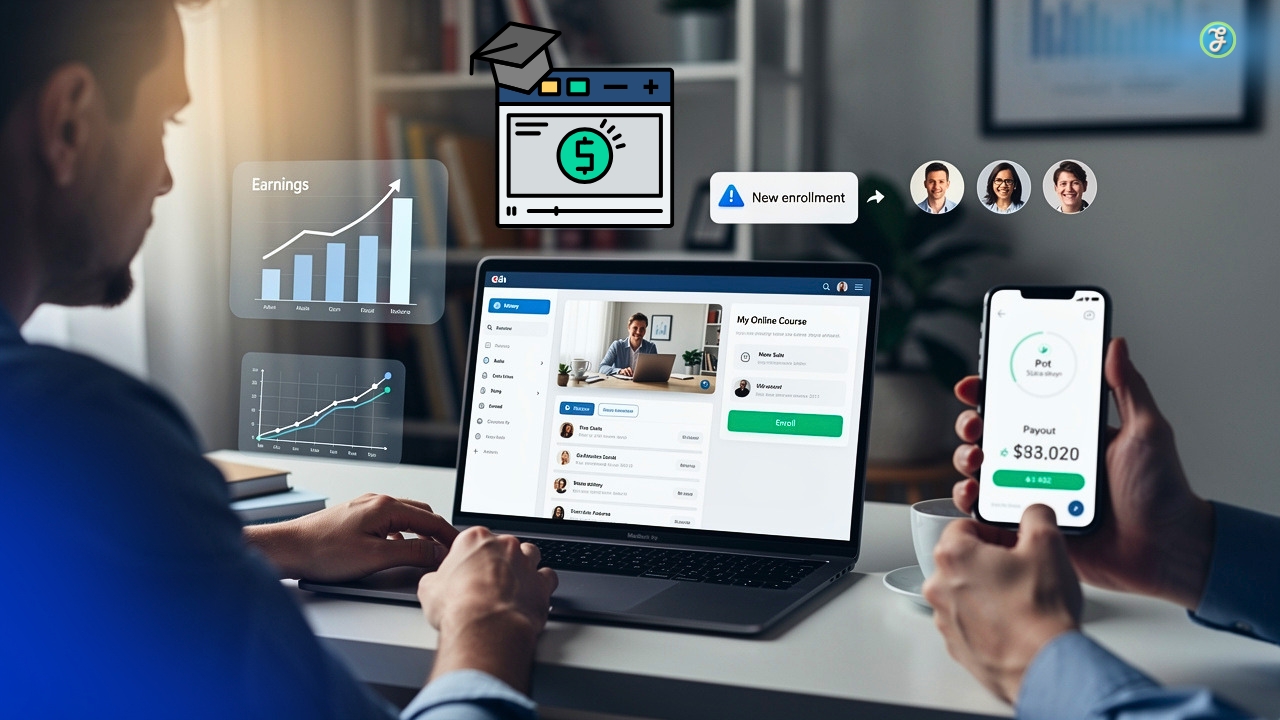
The Pay-As-You-Go (PAYG) Model
PAYG has effectively turned solar energy into a service rather than a product.
- The Mechanism: The customer pays a small deposit (e.g., $10) to take the system home.
- The Installment: They make daily or weekly payments (e.g., $0.50) via mobile money platforms like M-Pesa or bKash.
- The IoT Lock: If the payment is missed, the battery automatically locks via a GSM signal. Once paid, it unlocks instantly.
- The Ownership: After 18–24 months of payments, the system unlocks permanently. The user now owns the energy source.
This model has built a massive “credit history” for the unbanked. Solar companies are now using this data to offer users loans for school fees or agricultural inputs, effectively becoming the first “bank” these customers have ever had.
Productive Use of Energy (PUE)
The buzzword of 2026 is “Productive Use.” Donors and investors realized that giving people light is good, but giving them the power to earn money is better.
- Solar Water Pumps: Replacing diesel pumps, these allow farmers to irrigate crops year-round, doubling their harvest cycles.
- Cold Chains: Solar-powered freezers allow fishermen in Indonesia to keep their catch fresh, selling it at higher market prices rather than being forced to sell cheaply at the dock to avoid spoilage.
- E-Milling: In East Africa, diesel grain mills are being replaced by high-efficiency solar mills. This reduces the cost of grinding maize by 40%, keeping more money in the local economy.
The Gender Multiplier: Women at the Center of the Transition
To view the energy transition solely through a technological lens is to miss its most powerful human engine: women. In 2026, the narrative has shifted from viewing women merely as “beneficiaries” of electricity (e.g., better lighting for cooking) to recognizing them as the most effective Energy Entrepreneurs.
- Women as Last-Mile Distributors: Research consistently shows that in conservative rural societies, male sales agents cannot easily enter homes to demonstrate products to female decision-makers. Female energy entrepreneurs—often called “Solar Sisters” or “Energy Mamas”—have bridged this trust gap. By selling solar kits to their networks, they earn commissions that frequently exceed the national minimum wage, reinvesting that income into their families.
- Health and Safety: The replacement of kerosene lanterns and open-fire stoves with solar power and electric cooking (e-cooking) is a public health triumph. It has drastically reduced the incidence of upper respiratory diseases and eye infections among women and children, who historically spent hours daily inhaling toxic fumes. Furthermore, solar-lit community toilets and pathways have measurably reduced gender-based violence in off-grid settlements by eliminating dangerous, unlit walks at night.
Regional Case Studies: Success Stories from the Global South
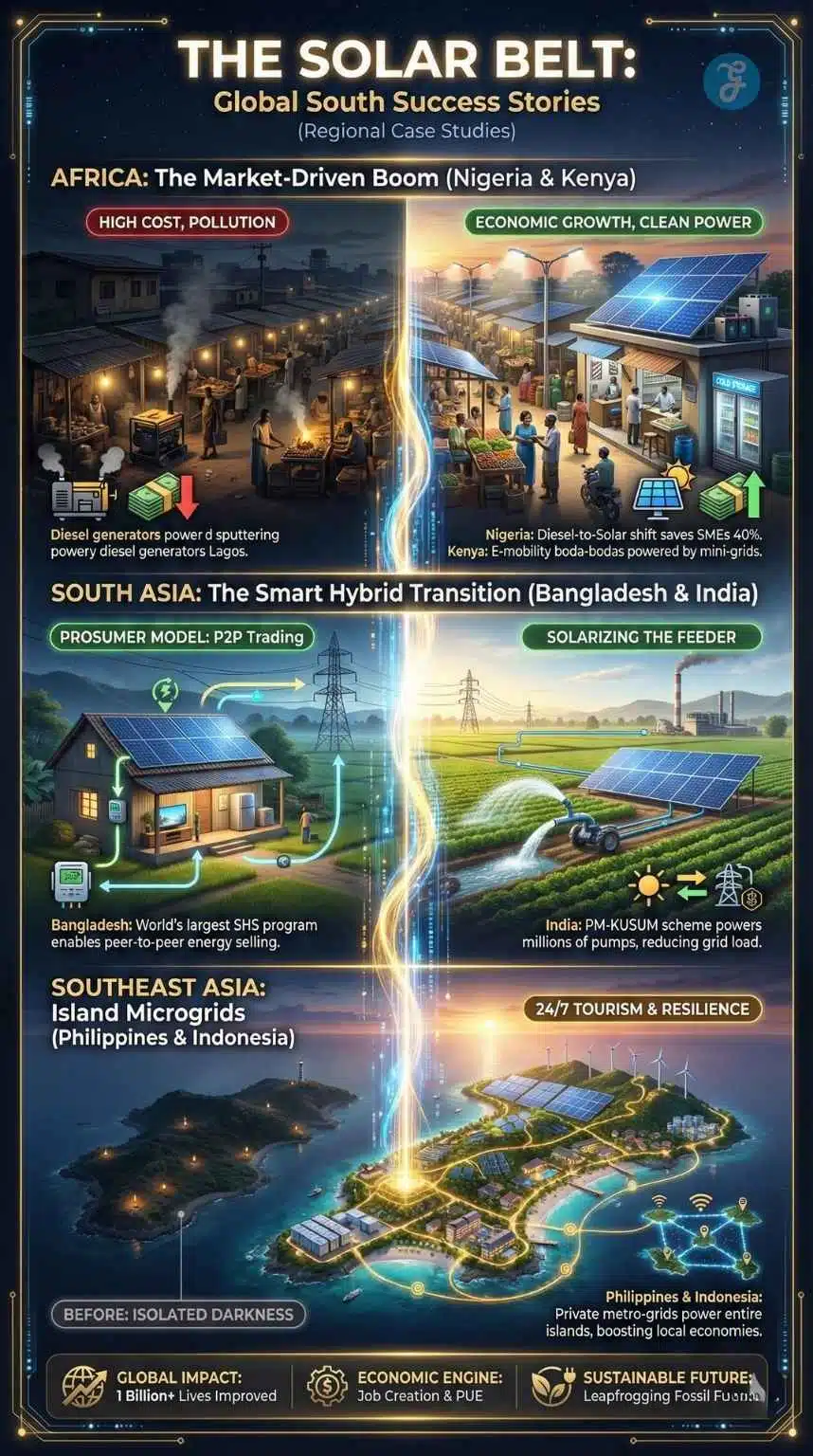
Across the Global South, the theory of off-grid energy is being battle-tested and refined, with each region developing unique specializations based on local geography and policy. From market-driven regulatory frameworks in Africa to island-hopping microgrids in Southeast Asia, these diverse ecosystems are proving that one size does not fit all. The following case studies highlight how distinct strategies are solving the universal challenge of electrification.
Sub-Saharan Africa: The Laboratory of Innovation
- Nigeria: The “Energizing Economies Initiative” has deployed hundreds of mini-grids in large markets. Shop owners in places like Ariaria Market used to burn diesel generators costing $0.70/kWh. Solar mini-grids now provide silent, clean power at $0.40/kWh, boosting profit margins for thousands of SMEs.
- Kenya: Kenya remains the mature giant of the sector. With over 75% of the population having access to electricity (much of it off-grid), the focus has shifted to e-mobility. Solar companies are now swapping batteries for electric motorbike taxis (boda-bodas), creating a synergy where the grid charges the bikes during the day (soaking up excess solar) and the bikes generate income.
South Asia: The Transition to Smart Hybrids
- Bangladesh: Once the home of the world’s largest Solar Home System program (IDCOL), Bangladesh is now facing a different challenge: grid integration. As the national grid expands, it often reaches areas that already have solar. The solution? Peer-to-Peer (P2P) trading. Pilot projects are allowing households with solar panels to sell their excess electricity back to the national grid or to their neighbors, turning passive consumers into “prosumers.”
- India: The PM-KUSUM scheme has successfully solarized millions of agricultural pumps. By 2026, the focus is on “solarizing the feeder,” where small 1–2 MW solar plants are connected directly to the agricultural distribution lines, ensuring farmers get daytime power without burdening the central coal-fired grid.
Southeast Asia: Island Microgrids
- Philippines & Indonesia: With thousands of islands, a central sub-sea cable is impossibly expensive. Private developers have built “metro-grids”—large, hybrid solar-diesel-battery systems that power entire islands. These systems operate 24/7 and have sparked tourism booms on islands that previously had no power after sunset.
Challenges & Barriers to Scale
Despite the optimism, the path is not without friction.
1. The E-Waste Tsunami
We are approaching a critical tipping point. The millions of solar lanterns and first-generation Lead-Acid batteries sold in 2018–2020 are reaching end-of-life.
- The Issue: Without formal recycling centers, toxic lead and lithium are leaking into soil in rural dumpsites.
- The Solution: 2026 has seen the rise of “Circular Solar” policies. Governments are beginning to mandate “take-back” schemes where companies must collect old batteries to sell new ones.
2. The “Affordability Ceiling”
PAYG is affordable, but not for everyone. The “ultra-poor” (bottom 20%) cannot afford even the $0.15 daily payment for a basic light.
- Subsidy Need: To reach universal access (SDG 7), purely commercial models have hit a wall. “Results-Based Financing” (RBF) subsidies are critical, where donors pay companies a bonus for every “pro-poor” connection they make in deep rural areas.
3. Currency Volatility
Most solar hardware is bought in USD or Chinese Yuan, but revenue is collected in Nigerian Naira, Kenyan Shillings, or Indian Rupees. When local currencies devalue (as seen frequently in 2024–2025), solar companies lose their margins. Local manufacturing of batteries and panels is the only long-term hedge against this forex risk.
Beyond Electrons: Energy as a Shield Against Climate Change
While the Global North discusses “mitigation” (reducing carbon), the Global South is focused on “adaptation” (surviving the climate crisis). Off-grid systems are proving to be far more resilient to climate shocks than centralized infrastructure.
- The Fragility of Big Grids: When a cyclone hits a centralized grid, it can topple high-voltage transmission towers that take months to repair, leaving millions in the dark. In contrast, modular mini-grids are “islandable.” If one section is damaged, the rest of the village remains powered. Furthermore, solar panels can be removed and secured before a storm and reinstalled the next day—a feat impossible with a coal power plant’s infrastructure.
- Cooling as Survival: As global temperatures rise, access to cooling is becoming a matter of life and death. Off-grid solar cooling technologies are protecting agricultural harvests from heat spoilage and providing “cooling shelters” for vulnerable elderly populations during heatwaves in regions like South Asia and the Sahel. In this context, energy access is not just about GDP; it is about human survival in a warming world.
Future Trends: The Grid of 2030
As we look toward 2030, the line between “off-grid” and “on-grid” will blur. We are moving toward a “Mesh Grid” architecture.
- Interconnected Mini-Grids: Instead of isolated islands of power, mini-grids will connect to each other. If Village A has excess power and Village B has a shortage, the energy will flow automatically between them.
- Vehicle-to-Grid (V2G) in Rural Areas: The electric 3-wheelers and motorbikes proliferating in rural areas will act as mobile batteries. At night, they can plug into the home to run lights; during the day, they charge from the sun.
- Carbon Credit Monetization: New blockchain platforms are allowing a woman in rural Zambia to sell the “carbon credits” from her solar stove directly to a corporation in Europe looking to offset emissions. This micro-transaction revenue stream will further subsidize the cost of hardware.
Final Thought: The Sun Also Rises… For Everyone
The narrative of off-grid energy solutions is ultimately a story of democratization. For the first time in industrial history, the tools of power generation are in the hands of the users, not a state monopoly. As technology costs continue to plummet and efficiency rises, we are witnessing the construction of a new kind of energy internet, one that is distributed, resilient, and inherently equitable.
The developing world is not just catching up to the developed world’s energy transition; in many ways, by embracing decentralization first, they are leading it.