Have you ever wondered why some foods make you feel energized and satisfied while others leave you hungry an hour later? The secret lies in nutrient density – how much goodness is packed into each bite of food. In this friendly guide, we’ll explore 10 amazing foods that give you the most nutritional bang for your buck. Whether you’re trying to boost your energy, improve your health, or just eat better, these powerhouse foods will help you get there. Let’s discover how simple changes to your shopping list can transform your health!
What Makes a Food “Nutrient-Dense”?
Before diving into our top 10 list, let’s understand what nutrient density means. A nutrient-dense food provides high levels of vitamins, minerals, protein, healthy fats, and other beneficial compounds relative to its calorie content. Think of it as getting the most nutritional “bang for your buck” from every bite.
The Essential 10: Your Guide to Nutrient-Dense Foods
1. Wild-Caught Salmon: The Ocean’s Golden Gift
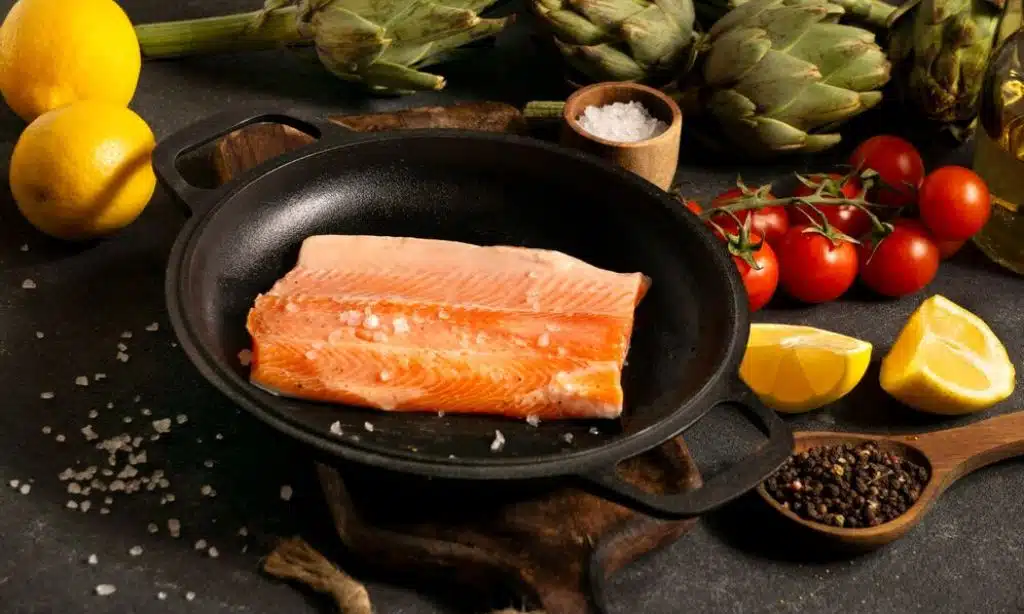
Often called “brain food,” wild-caught salmon is like nature’s own supplement pill. Swimming freely in cold ocean waters, these fish develop rich stores of omega-3 fatty acids that our brains and hearts crave. Unlike their farm-raised cousins, wild salmon get their distinctive pink-orange color from a natural diet of krill and small crustaceans. Think of it as the difference between free-range and caged chickens – wild salmon simply packs more nutritional punch.
Why It’s Special:
- Highest quality omega-3 fatty acids
- Complete protein source
- Natural vitamin D content
Nutritional Profile (per 3 oz serving):
- Protein: 22g
- Omega-3s: 1,800mg
- Vitamin D: 447 IU
- Vitamin B12: 236% DV
- Selenium: 85% DV
Best Ways to Eat:
- Baked with lemon and herbs
- Grilled with olive oil
- Added to salads
- Made into patties
Storage Tip: Use within 2 days fresh or freeze for up to 6 months
2. Kale: The Queen of Greens
Once a humble garnish, kale has risen to superfood stardom – and for good reason. This rugged leafy green is like a natural multivitamin growing straight from the earth. Its curly leaves are nature’s armor, developed to protect precious nutrients from harsh weather. This toughness means kale retains more nutrients than its more delicate cousins like lettuce. Each leaf is practically bursting with vitamins, making it the heavyweight champion of the vegetable world.
Why It’s Special:
- Highest nutrient density of all leafy greens
- Exceptional vitamin K content
- Powerful antioxidants
Nutritional Profile (per cup raw):
- Vitamin K: 684% DV
- Vitamin A: 206% DV
- Vitamin C: 134% DV
- Fiber: 2.4g
- Calcium: 90mg
Best Ways to Eat:
- Massaged in salads
- Added to smoothies
- Baked into chips
- Sautéed as a side dish
Storage Tip: Wrap in paper towel and store in sealed container
3. Eggs (Pasture-Raised): Nature’s Perfect Package
Think of eggs as little miracle capsules. Each one contains everything needed to create and nourish new life – that’s how nutrient-complete they are! Pasture-raised eggs come from hens that roam freely, eating insects and plants as nature intended. The result? Eggs with deeper yellow yolks and significantly more nutrients than their conventional counterparts. They’re like nature’s original superfood capsule.
Why It’s Special:
- Complete protein source
- Rich in brain-boosting choline
- Contains all B vitamins
Nutritional Profile (per large egg):
- Protein: 6g
- Choline: 147mg
- Vitamin D: 41 IU
- Vitamin B12: 0.6mcg
- Selenium: 15.4mcg
Best Ways to Eat:
- Soft-boiled
- Scrambled with vegetables
- Added to salads
- In omelets
Storage Tip: Keep in original carton in refrigerator
4. Sweet Potatoes: The Underground Superfood
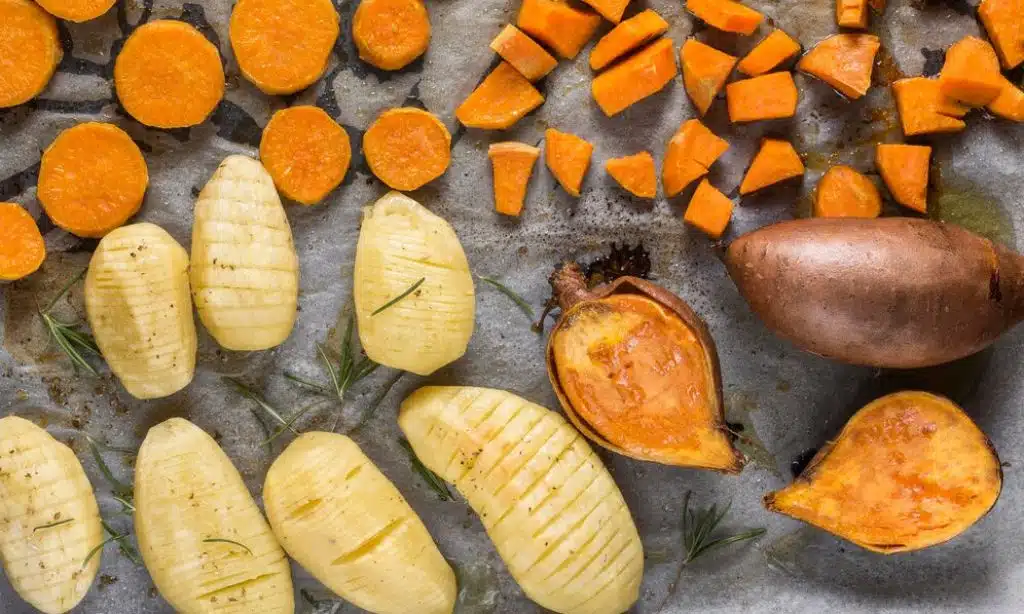
Don’t let their humble appearance fool you. Sweet potatoes are like underground treasure chests of nutrition. Their vibrant orange color comes from beta-carotene, the same compound that gives carrots their hue. But sweet potatoes often pack more of this vital nutrient than their orange cousins. They’re like nature’s candy with a serious nutritional boost.
Why It’s Special:
- Rich in beta-carotene
- Good source of complex carbs
- High fiber content
Nutritional Profile (per medium potato):
- Vitamin A: 438% DV
- Fiber: 4g
- Potassium: 542mg
- Vitamin C: 37% DV
- Magnesium: 32mg
Best Ways to Eat:
- Baked whole
- Cut into fries
- Mashed
- Roasted with herbs
Storage Tip: Store in cool, dark place up to 2 weeks
5. Blueberries: Tiny Blue Health Bombs
These small berries pack such a mighty punch that scientists often use them as a benchmark for antioxidant content in other foods. Each little berry is like a natural medicine cabinet, loaded with compounds that protect your brain and fight aging. Wild blueberries, in particular, develop even more protective compounds as they brave harsh growing conditions.
Why It’s Special:
- Highest antioxidant content of common fruits
- Brain-boosting properties
- Low glycemic impact
Nutritional Profile (per cup):
- Antioxidants: Highest among fruits
- Fiber: 4g
- Vitamin C: 24% DV
- Manganese: 25% DV
- Vitamin K: 36% DV
Best Ways to Eat:
- Fresh by themselves
- Added to yogurt
- In smoothies
- Mixed into oatmeal
Storage Tip: Don’t wash until ready to eat
6. Greek Yogurt: The Protein-Packed Probiotic Powerhouse
Think of Greek yogurt as regular yogurt’s stronger, more nutrient-dense cousin. The straining process that makes it “Greek” removes excess water, concentrating both protein and beneficial bacteria. It’s like getting the benefits of three cups of regular yogurt in one creamy serving. This ancient food has been nourishing humans for thousands of years.
Why It’s Special:
- High protein content
- Probiotic benefits
- Excellent calcium source
Nutritional Profile (per 6 oz):
- Protein: 17g
- Calcium: 20% DV
- Probiotics: Multiple strains
- Potassium: 240mg
- Vitamin B12: 21% DV
Best Ways to Eat:
- Plain with fruit
- As a sour cream substitute
- In smoothies
- Mixed with herbs for dips
Storage Tip: Keep refrigerated and check date
7. Almonds: The Tree’s Gift of Health
These nuts are actually seeds of the almond tree, and like all seeds, they’re packed with everything needed to create new life. Each almond is like a tiny storage vault of healthy fats, protein, and minerals. Their sweet, subtle flavor made them prized by ancient civilizations, and modern science has confirmed what traditional cultures knew about their health benefits.
Why It’s Special:
- Heart-healthy fats
- Good plant protein source
- Rich in vitamin E
Nutritional Profile (per oz/23 almonds):
- Protein: 6g
- Vitamin E: 37% DV
- Magnesium: 76mg
- Fiber: 3.5g
- Healthy Fats: 14g
Best Ways to Eat:
- Raw as snacks
- Added to trail mix
- Sliced on salads
- Made into almond butter
Storage Tip: Store in airtight container in fridge
8. Quinoa: The Ancient Grain That’s Not a Grain
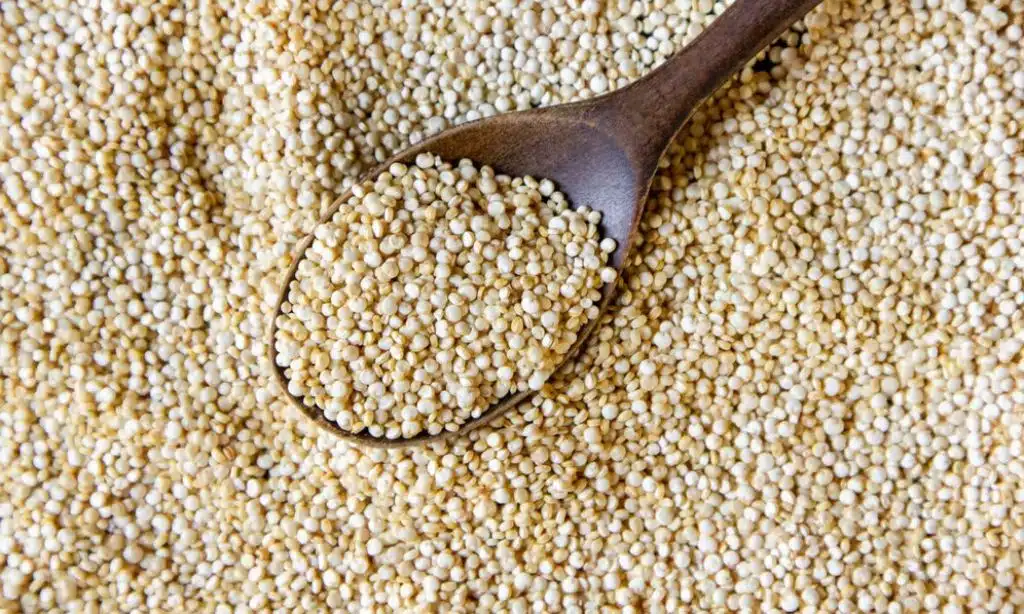
Called “the mother grain” by the Incas, quinoa isn’t actually a grain at all – it’s a seed. This ancient food source sustained civilizations in the harsh conditions of the Andes Mountains. Each tiny seed contains a perfect balance of proteins, making it one of the few plant foods with complete protein. It’s like rice that went to nutrition school and got all A’s.
Why It’s Special:
- Complete plant protein
- High in fiber
- Rich in minerals
Nutritional Profile (per cup cooked):
- Protein: 8g
- Fiber: 5g
- Iron: 15% DV
- Magnesium: 30% DV
- Zinc: 13% DV
Best Ways to Eat:
- As a rice substitute
- In breakfast bowls
- Added to soups
- Made into salads
Storage Tip: Store dry in airtight container
9. Lentils: The Tiny Time Capsules of Nutrition
These small but mighty legumes have been nourishing humans for over 11,000 years. Each lentil is like a miniature disk packed with fiber, protein, and minerals. Their ability to last for years while maintaining their nutritional value made them a staple food throughout human history. Think of them as nature’s longest-lasting multivitamin.
Why It’s Special:
- High plant protein content
- Excellent fiber source
- Rich in iron
Nutritional Profile (per cup cooked):
- Protein: 18g
- Fiber: 15g
- Iron: 37% DV
- Folate: 90% DV
- Potassium: 731mg
Best Ways to Eat:
- In soups
- As a side dish
- In salads
- Made into patties
Storage Tip: Store dry in sealed container
10. Liver (Grass-Fed): Nature’s Most Concentrated Superfood
Often overlooked in modern diets, liver is perhaps the most nutrient-dense food on Earth. It’s like nature’s vitamin supplement, concentrated into meat form. Grass-fed liver comes from animals that lived as nature intended, eating their natural diet, which results in higher nutrient content. Traditional cultures prized liver as sacred food, often reserving it for pregnant women and warriors.
Why It’s Special:
- Most nutrient-dense organ meat
- Highest natural B12 source
- Rich in iron and vitamin A
Nutritional Profile (per 3 oz):
- Vitamin A: 836% DV
- Vitamin B12: 1386% DV
- Iron: 61% DV
- Copper: 730% DV
- Protein: 20g
Best Ways to Eat:
- Pan-seared
- Made into pâté
- With onions
- In shepherd’s pie
Storage Tip: Use within 2 days or freeze
Comprehensive Nutrient Comparison Table
| Food (per 100g) | Protein | Fiber | Iron | Vit C | Calcium | Key Benefit |
|---|---|---|---|---|---|---|
| Wild Salmon | 22g | 0g | 0.8mg | 0mg | 9mg | Omega-3s |
| Kale | 4.3g | 3.6g | 1.5mg | 93.4mg | 150mg | Antioxidants |
| Eggs | 12.6g | 0g | 1.8mg | 0mg | 56mg | Choline |
| Sweet Potato | 1.6g | 3g | 0.6mg | 2.4mg | 30mg | Vitamin A |
| Blueberries | 0.7g | 2.4g | 0.3mg | 9.7mg | 6mg | Antioxidants |
| Greek Yogurt | 9g | 0g | 0.1mg | 0mg | 115mg | Probiotics |
| Almonds | 21.2g | 12.5g | 3.7mg | 0mg | 269mg | Vitamin E |
| Quinoa | 4.4g | 2.8g | 1.5mg | 0mg | 17mg | Complete Protein |
| Lentils | 9g | 7.9g | 3.3mg | 1.5mg | 19mg | Plant Protein |
| Liver | 20.4g | 0g | 4.9mg | 1.3mg | 5mg | Vitamin A & B12 |
Practical Tips for Including These Foods
Daily Meal Ideas
Breakfast Options:
- Greek yogurt with blueberries and almonds
- Eggs with sautéed kale
- Quinoa breakfast bowl
Lunch Options:
- Salmon and kale salad
- Lentil soup with sweet potato
- Quinoa bowl with vegetables
Dinner Options:
- Baked salmon with sweet potato
- Liver and onions with quinoa
- Lentil curry with vegetables
Shopping Tips
- Buy frozen wild salmon when fresh is expensive
- Choose frozen organic blueberries for value
- Buy dry goods like quinoa and lentils in bulk
- Look for sales on organic eggs
Takeaway
Incorporating nutrient-dense foods into your diet is a powerful way to transform your overall health and well-being. By choosing ingredients rich in vitamins, minerals, and antioxidants, you fuel your body with the essential nutrients it needs to function at its best. Whether you’re looking to boost your energy, improve digestion, or simply feel better every day, the 10 nutrient-dense foods highlighted in this guide can help you achieve those goals. Start small by adding a few of these power-packed foods to your meals, and watch as your health begins to thrive. Remember, a healthy diet is the foundation of a vibrant life—make the choice today to nourish yourself from the inside out!
A balanced, nutrient-rich diet is the foundation of a vibrant life. As you continue on this journey, keep in mind that food is not only fuel but a powerful tool for enhancing your well-being. By consciously choosing foods that nurture your body, you’re taking an active role in your health and setting yourself up for a life filled with energy, resilience, and happiness. Embrace this opportunity to transform your diet, and enjoy the remarkable impact it can have on your mind, body, and spirit.