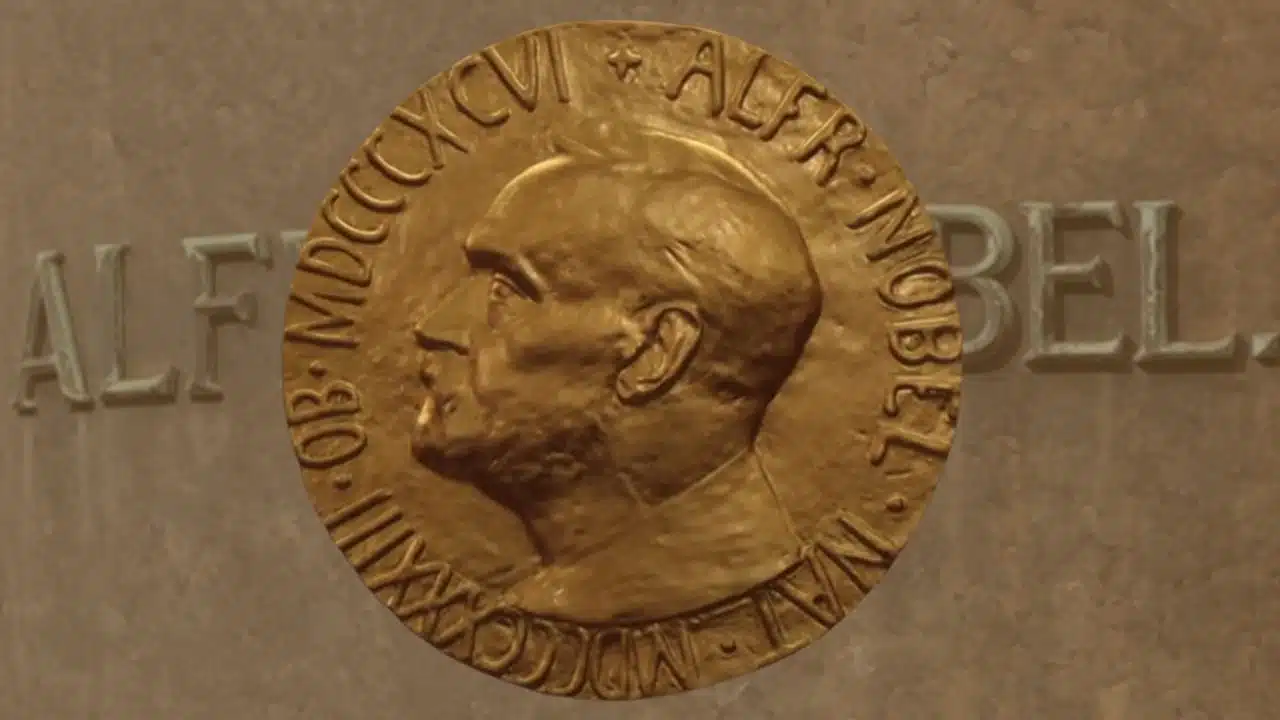
The world of science, literature, and peacemaking is holding its collective breath as the Nobel Foundation prepares to announce the 2025 Nobel Prize laureates from October 6th to 13th. These accolades, among the most prestigious on the planet, will recognize individuals and organizations whose breakthroughs and tireless efforts have conferred the “greatest benefit on mankind,” continuing the 124-year-old legacy of Alfred Nobel.
The announcements, broadcast live from Sweden and Norway, cap a year of intense, secretive deliberation by prize-awarding committees. This year’s reveal comes at a time of significant global challenges, from geopolitical conflicts to the urgent realities of climate change and the rapid advancements in artificial intelligence, making the recognition of progress in human knowledge and diplomacy particularly poignant. The Nobel Prizes 2025 are anticipated to honor achievements that not only push the boundaries of discovery but also offer pathways to a more stable and equitable world.
Key Facts & Quick Takes
- Announcement Week: The 2025 Nobel laureates will be unveiled daily from Monday, October 6, through Monday, October 13.
- Schedule: The announcements will proceed in the traditional order: Physiology or Medicine, Physics, Chemistry, Literature, Peace, and concluding with the Sveriges Riksbank Prize in Economic Sciences in Memory of Alfred Nobel.
- Record Nominations for Peace: The Norwegian Nobel Committee has received 338 nominations for the 2025 Peace Prize (244 individuals and 94 organizations), a significant increase from the previous year, reflecting a turbulent global landscape.
- Science Frontrunners: Analysis of highly-cited research by Clarivate has identified 22 “Citation Laureates” whose work is deemed “Nobel class.” These researchers are considered strong contenders in the fields of Physics, Chemistry, Physiology or Medicine, and Economic Sciences.
- Prize Money: Each Nobel Prize comes with a prize amount of 11 million Swedish kronor (approximately $1 million USD), to be shared if there are multiple laureates.
The Context: A World in Need of Breakthroughs
The 2025 Nobel Prizes are being awarded against a backdrop of complex global issues. The ongoing wars, the climate crisis, and a landscape of rampant misinformation underscore the critical importance of the Nobel mission. As Vidar Helgesen, Executive Director of the Nobel Foundation, stated in a past interview, the prize stands for “science, free expression and peaceful dialogue.”
“The world needs scientific breakthroughs to solve the major challenges that humanity faces, for example the climate issue… We need a critical approach, with debate and decisions based on knowledge, at a time when falsehoods spread like wildfire,” Helgesen remarked, emphasizing the prize’s role in elevating fact-based progress.
This sentiment is expected to resonate through the committees’ choices this year, potentially favoring discoveries with tangible, large-scale impacts on society and humanitarian efforts that address the root causes of conflict and suffering.
The Latest Data: Announcement Schedule
The prize-awarding institutions have confirmed the following schedule for the 2025 announcements. All times are in Central European Summer Time (CEST).
- Physiology or Medicine: Monday, 6 October, 11:30 AM at the earliest.
- Awarded by: The Nobel Assembly at Karolinska Institutet.
- Physics: Tuesday, 7 October, 11:45 AM at the earliest.
- Awarded by: The Royal Swedish Academy of Sciences.
- Chemistry: Wednesday, 8 October, 11:45 AM at the earliest.
- Awarded by: The Royal Swedish Academy of Sciences.
- Literature: Thursday, 9 October, 1:00 PM at the earliest.
- Awarded by: The Swedish Academy.
- Peace: Friday, 10 October, 11:00 AM.
- Awarded by: The Norwegian Nobel Committee.
- Economic Sciences: Monday, 13 October, 11:45 AM at the earliest.
- Awarded by: The Royal Swedish Academy of Sciences.
Expert Analysis: Who Are the Contenders?
While the Nobel committees’ deliberations are famously secret for 50 years, experts and analysts offer predictions based on the impact and citation frequency of major discoveries and the global political climate.
The Science Prizes: Data-Driven Predictions
In the scientific fields, the annual “Citation Laureates” list published by Clarivate serves as a key indicator. The 2025 list, released on September 25, 2025, points to several potential winners:
- Physiology or Medicine: Potential laureates include researchers behind the discovery of ghrelin, a hormone regulating appetite, which has profound implications for treating obesity and metabolic disorders. Other strong contenders are those who have made foundational discoveries in the immune system.
- Physics: Pioneers of wavelet theory, which has revolutionized image processing and data compression, are considered top candidates. This work underpins much of modern digital communication and analysis.
- Chemistry: The development of “single-atom catalysis” is a hot topic, with Professor Tao Zhang from China being a named Citation Laureate. This breakthrough allows for more efficient and sustainable chemical reactions, with vast industrial and environmental applications.
Peace and Literature: A Field of Speculation
Predicting the Peace and Literature prizes is notoriously difficult, as the committees often make surprising choices that reflect contemporary concerns.
- Nobel Peace Prize: Expert analysis from institutions like the Peace Research Institute Oslo (PRIO) suggests a focus on humanitarian efforts in conflict zones or advocates for press freedom. Among those frequently mentioned are Sudan’s Emergency Response Rooms, volunteer networks providing aid in a devastating civil war, and the Committee to Protect Journalists (CPJ), given the record number of reporters killed in recent conflicts.
- Nobel Prize in Literature: Betting odds and literary critics point to several perennial candidates. This year, names like Chinese avant-garde author Can Xue, Canadian poet Anne Carson, and Australian novelist Gerald Murnane are prominent. Following South Korean author Han Kang’s win in 2024, some speculate the Swedish Academy might turn to a different region or genre.
The Impact on People: From Lab to Life
The ultimate measure of a Nobel-recognized discovery is its real-world impact. The 2020 Nobel Prize in Chemistry, awarded to Emmanuelle Charpentier and Jennifer Doudna for the development of CRISPR-Cas9 gene-editing technology, is a prime example. This “genetic scissors” has moved from a biological curiosity to a revolutionary medical tool.
In late 2023, the technology led to the first FDA-approved treatment for sickle-cell disease, a debilitating genetic blood disorder. For patients who have endured excruciating pain and life-threatening complications, this represents a potential cure. As Jennifer Doudna herself noted, the approval highlights how a fundamental scientific discovery can “forever change the course of human, animal, and agricultural research” and, most importantly, alleviate immense human suffering.
What to Watch Next
As the announcements begin on October 6th, the world will be watching to see which fields of inquiry and which human endeavors are lifted onto the global stage. The choices will not only celebrate the laureates but also send a powerful message about the values of knowledge, peace, and humanism in a challenging era. The formal award ceremonies will take place, as is tradition, on December 10, the anniversary of Alfred Nobel’s death, in Stockholm and Oslo.
the Information is Collected from The Economic Times and India Today.