

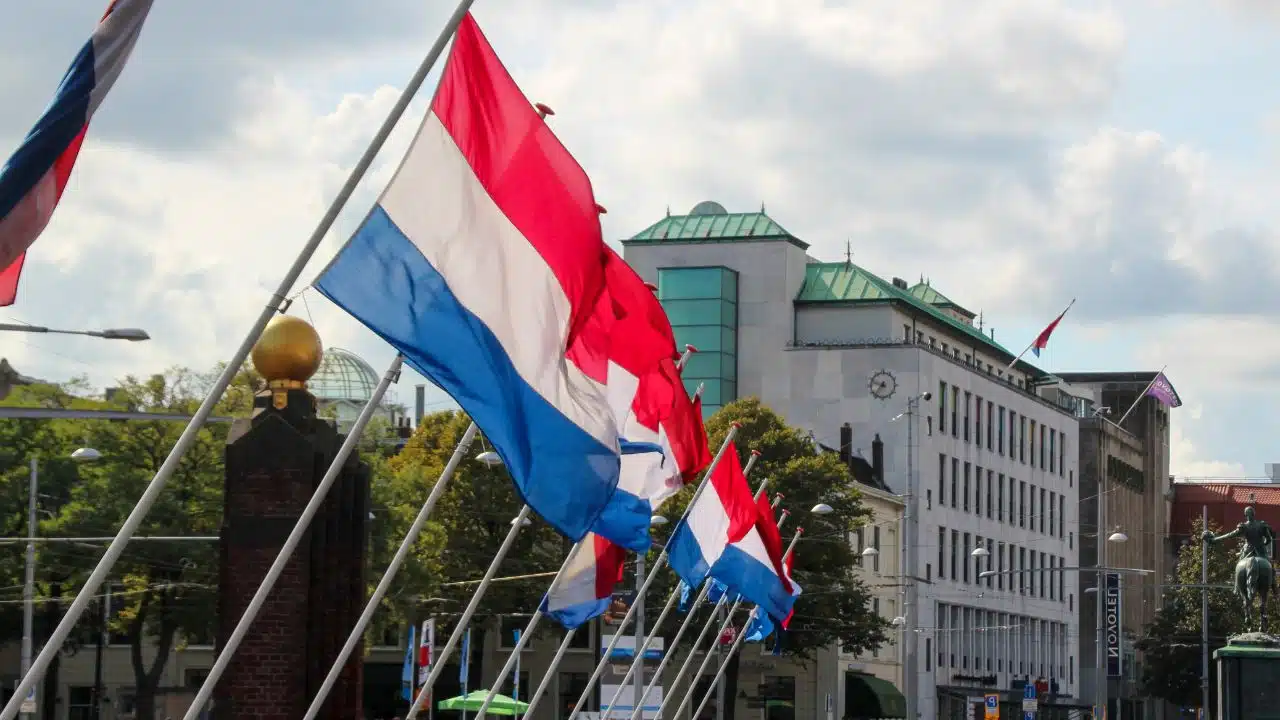
From vast tulip fields to picturesque canals, historic windmills, and vibrant towns, the Netherlands is a dream destination for many who want to build a stable life in Europe. Beyond its postcard-worthy beauty, the country offers excellent social security, healthcare, and job opportunities. And for Indians seeking a long-term future there, the good news is that the Netherlands allows foreign nationals to apply for Permanent Residency (PR) at a cost of under ₹26,000.
This opportunity, however, isn’t just about paying a fee—it comes with strict eligibility requirements, a detailed application process, and obligations such as proof of income and integration into Dutch society. Below is a full breakdown of what PR means, who can apply, and how you can secure it.
What Does Permanent Residency in the Netherlands Mean?
A permanent residence permit (verblijfsvergunning onbepaalde tijd) allows you to live and work in the Netherlands indefinitely. Unlike temporary residence permits that need renewal for specific reasons such as study, employment, or family reunion, PR grants long-term stability.
Holders of a Dutch PR enjoy:
- The ability to work for any employer or be self-employed without needing additional work authorization.
- Access to the Dutch social security system and healthcare on par with Dutch citizens.
- Easier access to mortgages and the right to buy property.
- A pathway to Dutch citizenship, which offers an EU passport, visa-free travel across Europe, and expanded rights.
However, PR is not the same as citizenship. While you gain security of residence, the Dutch passport only comes after naturalisation, which usually requires additional years of residency and integration.
Who Is Eligible for the Netherlands PR?
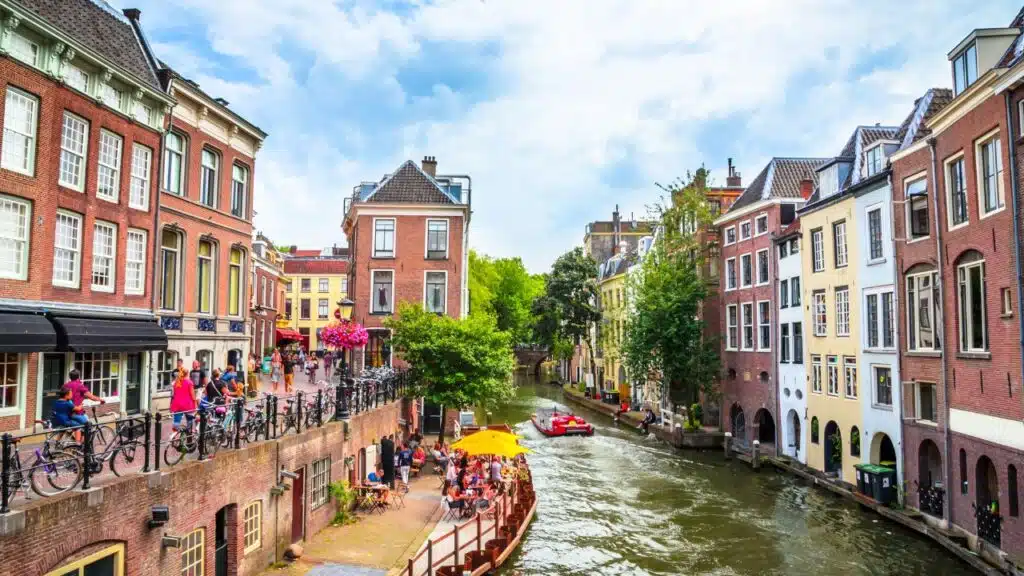
The Dutch Immigration and Naturalisation Service (IND) has outlined clear conditions for PR. If you are an Indian or any non-EU/EEA citizen, you must meet all of the following:
Five Years of Continuous Residence
- You must have lived in the Netherlands legally and continuously for at least five years.
- Your residence permits during this period must have been for non-temporary purposes such as employment, entrepreneurship, family reunification, or study followed by work.
- Breaks in residence or temporary permits (like tourist visas) will not count toward the five years.
Proof of Stable and Sufficient Income
- You must show that you can financially support yourself and any dependents.
- As of 2025, the benchmark is approximately €1,657 per month (about ₹1.7 lakh).
- Income can come from employment, self-employment, or long-term contracts.
Civic Integration Exam (Inburgeringsexamen)
- You must demonstrate knowledge of Dutch language and culture.
- This is done by passing the integration exam at A2 level.
- Exemptions are possible for those who studied in Dutch or meet certain criteria.
Valid Health Insurance
- Every applicant must hold Dutch health insurance. This proves you are covered under the healthcare system.
No Criminal Record
You must provide a police clearance certificate showing you do not have a criminal background in the Netherlands or abroad.
What Documents Are Required?
Applicants must prepare a detailed file. The IND will only process complete applications. Typically required documents include:
- Valid passport and copies of previous passports.
- Current residence permit.
- Employment contracts, salary slips, and income tax records.
- Proof of registration in the Dutch Personal Records Database (BRP).
- Civic integration exam certificate (A2 level).
- Proof of valid health insurance.
- Clean police clearance certificate.
- Rental contracts or property ownership documents as proof of residence.
Depending on your personal situation, IND may ask for additional documents. For example, entrepreneurs may need to provide business registration and tax returns.
How Much Does It Cost?
One of the most attractive aspects of applying for Dutch PR is the relatively low fee.
- The official IND application fee for adults is €228 (about ₹21,000–₹25,000 depending on exchange rates).
- For children under 18, the fee is reduced to around €76 (about ₹7,000).
This makes it one of the most affordable PR applications in Europe, especially compared to countries like Portugal or Spain where investment schemes often require lakhs or crores.
Step-by-Step Application Process
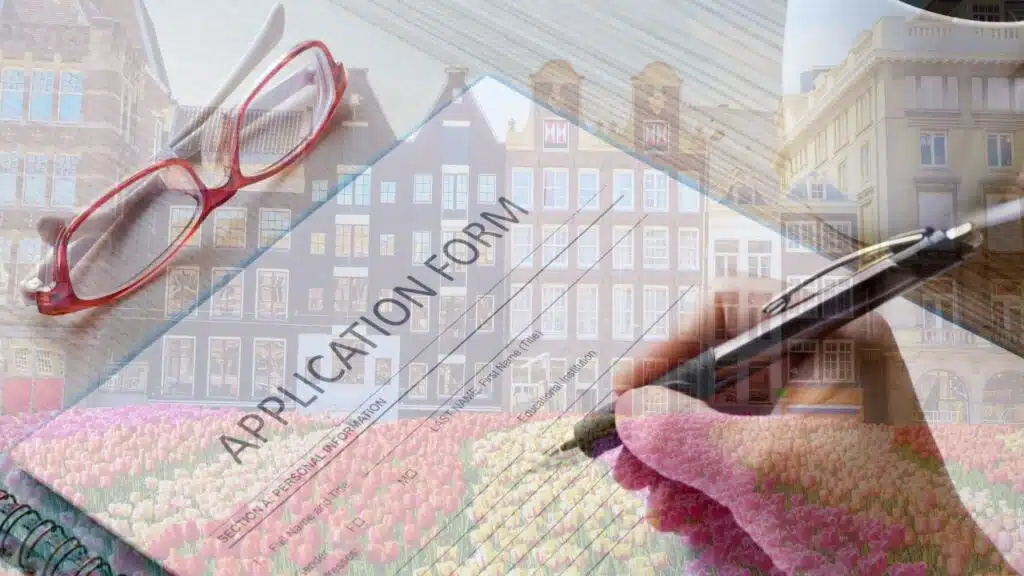
Here’s how you can apply for PR in the Netherlands:
Step 1: Check Eligibility
Make sure you meet the five-year residence requirement, have a valid income source, passed the integration exam, and hold health insurance.
Step 2: Collect Your Documents
Prepare all the required paperwork, ensuring nothing is missing. Incomplete files often lead to rejection or delays.
Step 3: Submit the Application
You can apply in two ways:
- Online: Via the IND website. You will need DigiD (Dutch digital identification) for logging in.
- In Person: At an IND desk. You must book an appointment in advance.
Step 4: Pay the Fee
The application fee must be paid upfront. It is non-refundable, even if your application is rejected.
Step 5: Wait for Processing
The IND typically takes up to 6 months to process PR applications. Delays can occur if they request additional information.
Step 6: Collect Your Residence Permit
Once approved, you’ll receive an official letter. You then visit the IND office to collect your biometric residence card.
After PR: What’s Next?
With PR in hand, you can:
- Live and work freely in the Netherlands.
- Sponsor certain family members.
- Move toward naturalisation.
Most PR holders become eligible for Dutch citizenship after five more years of residence (10 years total). Citizenship offers the full rights of EU nationals, including an EU passport and voting rights.
Why This Matters for Indians
For many Indians working, studying, or running businesses abroad, the Netherlands is an attractive option because:
- The application fee is low compared to many other countries.
- The country offers a high quality of life, excellent infrastructure, and world-class education.
- The Netherlands is also home to a significant Indian diaspora community, making integration easier.
The Information is Collected from NDTV and MSN.





























