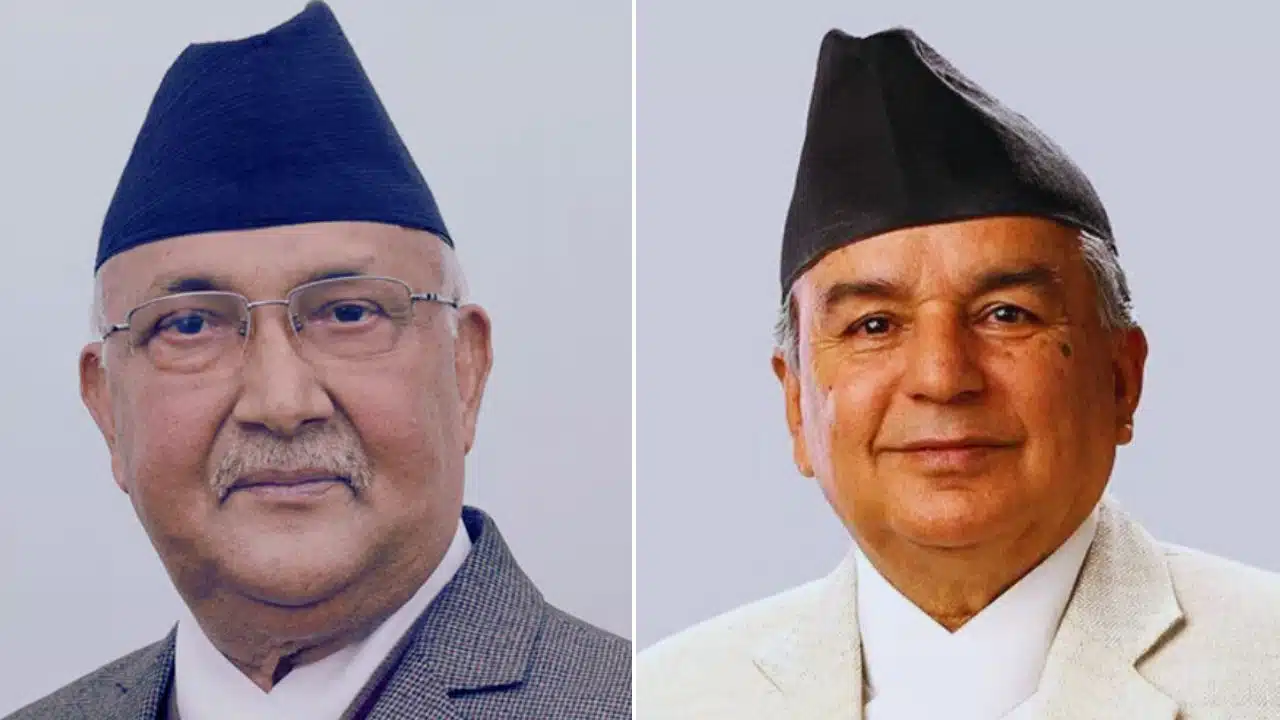
Nepal is facing its gravest political crisis in years after both President Ram Chandra Poudel and Prime Minister K.P. Sharma Oli resigned on September 9, 2025. The resignations came just hours apart and followed days of mass protests led largely by the country’s younger population. What began as demonstrations against a controversial social media ban and allegations of widespread corruption quickly spiraled into nationwide unrest marked by deadly violence, property destruction, and a near-total collapse of public confidence in the government.
Prime Minister Oli was the first to step down, submitting his resignation earlier in the day amid mounting pressure. President Poudel later announced his own resignation, signaling the scale of the crisis. Analysts described the back-to-back departures as unprecedented in Nepal’s democratic history, leaving the country without its two top political leaders at a moment of national upheaval.
The Trigger: Social Media Ban and Corruption Anger
The unrest was sparked by the government’s decision to block access to 26 major social media platforms, including Facebook, Instagram, X, WhatsApp, and YouTube. Officials claimed the ban was necessary because the companies had not formally registered in Nepal and were contributing to misinformation and abuse. To many citizens, however—particularly young people—the move represented an attack on freedom of expression and another example of the government tightening control while failing to address corruption.
These frustrations collided with long-simmering anger over economic hardship, unemployment, and perceptions of political self-interest. Protesters, many of them students and first-time voters, poured into the streets of Kathmandu and other cities chanting against corruption, censorship, and abuse of power. The protests quickly escalated into violent clashes with security forces.
Escalation of Violence and Heavy Toll
At least 19 people were killed during the demonstrations, while more than 100 others, including police officers, sustained injuries. Hospitals across the capital reported treating gunshot wounds, blunt-force trauma, and chemical exposure from tear gas. Security forces used tear gas, water cannons, rubber bullets, and in some cases live ammunition in an attempt to disperse the crowds.
Protesters breached and torched government buildings, including sections of the federal parliament, the Supreme Court complex, and the official residences of both the President and Prime Minister. Inside the presidential residence, demonstrators set fires and looted property. Analysts described the storming of these sites as unprecedented in Nepal’s recent history, a clear indication of the scale of anger and the breakdown of state control.
Oli’s Departure and Rumors of Flight
Prime Minister K.P. Sharma Oli resigned after acknowledging that his government could no longer contain the crisis. Reports suggested that he may be preparing to leave the country on a private jet bound for Dubai, though this remains unconfirmed. Before stepping down, he temporarily handed over responsibilities to the Deputy Prime Minister and called for an all-party meeting to address the crisis. His appeal for unity and calm failed to persuade demonstrators to leave the streets, as many viewed his resignation as overdue and insufficient to address their demands.
President Poudel Steps Down Under Pressure
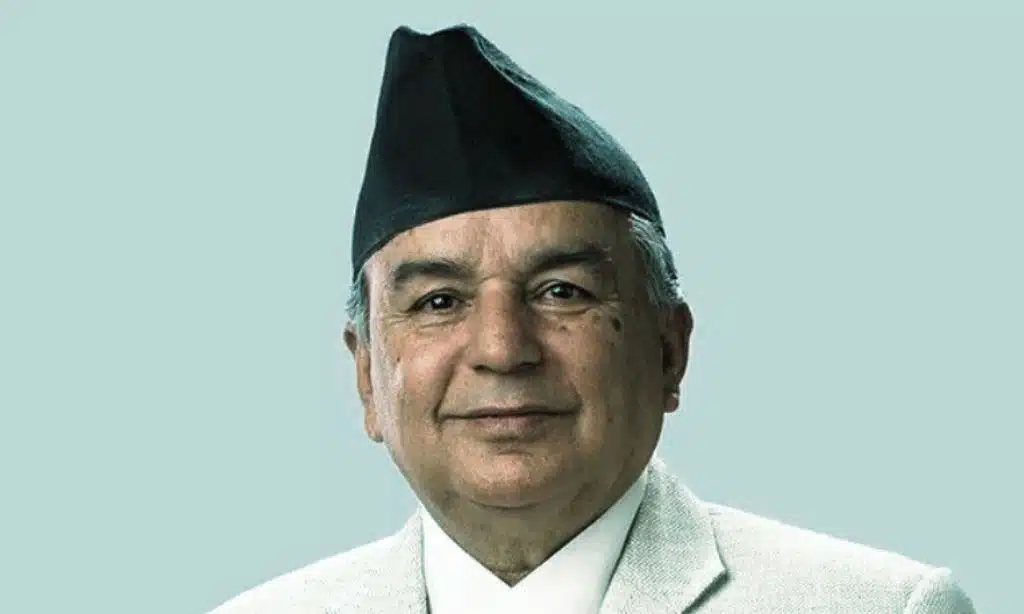
Hours after Oli’s resignation, President Ram Chandra Poudel also relinquished office. His tenure, which began in March 2023, ended abruptly amid the most significant youth-driven uprising in Nepal since the monarchy was abolished. Poudel, a veteran leader of the Nepali Congress, had earlier called for dialogue with opposition parties and civil society groups, but the pressure of escalating violence and loss of public trust ultimately forced him to step aside. The Vice President has temporarily assumed his duties, but questions remain about the constitutional process to fill the leadership void.
The Army Takes Control of Security
With both civilian leaders gone, the Nepalese Army assumed direct responsibility for maintaining order in Kathmandu and other hotspots. A strict curfew was imposed around government precincts, including Singha Durbar, the parliamentary and administrative complex. Soldiers were stationed at key intersections, and armored vehicles patrolled major streets. Despite these measures, protests continued across the country, with demonstrators demanding sweeping political reforms and accountability for decades of corruption.
Youth at the Center of Nepal’s Uprising
The protests have been widely described as a “Gen Z uprising,” driven by students, young professionals, and a digitally connected generation unwilling to tolerate what they see as authoritarian overreach. Organizers used online networks—ironically the very platforms the government attempted to ban—to coordinate demonstrations and share footage of clashes. Many protesters emphasized that this movement was not tied to any particular political party but reflected a generational demand for transparency, opportunity, and freedom of expression.
International Reaction and Concerns
International organizations, including the United Nations and human rights groups, expressed deep concern over the violence and called for restraint. Observers warned that Nepal’s fragile democracy could slide into prolonged instability if the political vacuum is not resolved quickly through constitutional mechanisms. The Indian and Chinese governments, both with significant influence in Nepal, monitored developments closely, concerned about potential spillover effects in the region.
Analysts Warn of Unprecedented Political Vacuum
Political analysts argue that Nepal now stands on the brink of an unprecedented power vacuum. With the Prime Minister and President both resigning on the same day, governance has been left in the hands of interim figures and the military. The country has no immediate roadmap for resolving the crisis, and the constitution offers limited guidance on how to manage simultaneous vacancies at the highest levels.
The situation has raised fears of further unrest, especially as protesters have vowed to continue demonstrations until systemic reforms are enacted. Economists warn that prolonged instability could derail Nepal’s fragile economy, undermine investor confidence, and strain relations with international partners.
Nepal’s dual resignations of President Ram Chandra Poudel and Prime Minister K.P. Sharma Oli mark a historic moment of turmoil, driven by youth-led protests against corruption and censorship. The storming of government buildings, deaths of civilians, and rapid political collapse have left the country facing a dangerous void in leadership.
With the army now managing security and protesters refusing to leave the streets, Nepal stands at a critical crossroads. The crisis underscores not only the power of a digitally connected generation but also the fragility of democratic institutions in the face of corruption, economic strain, and authoritarian impulses. The path forward depends on whether the interim leadership can stabilize the situation, rebuild trust, and respond to the demands of a generation determined to reshape Nepal’s political future.